National
Washington Blade, April Ryan excluded from White House’s Christmas party guest list
black and LGBT reporters not extended invites for first time in years
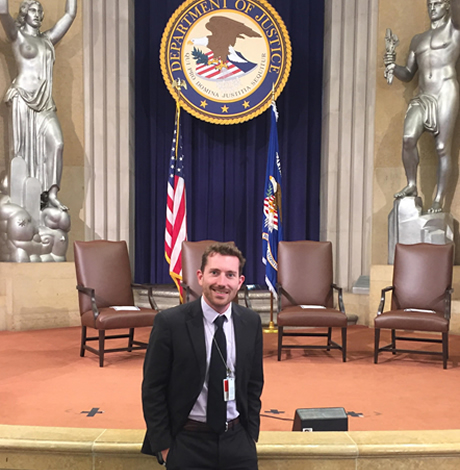
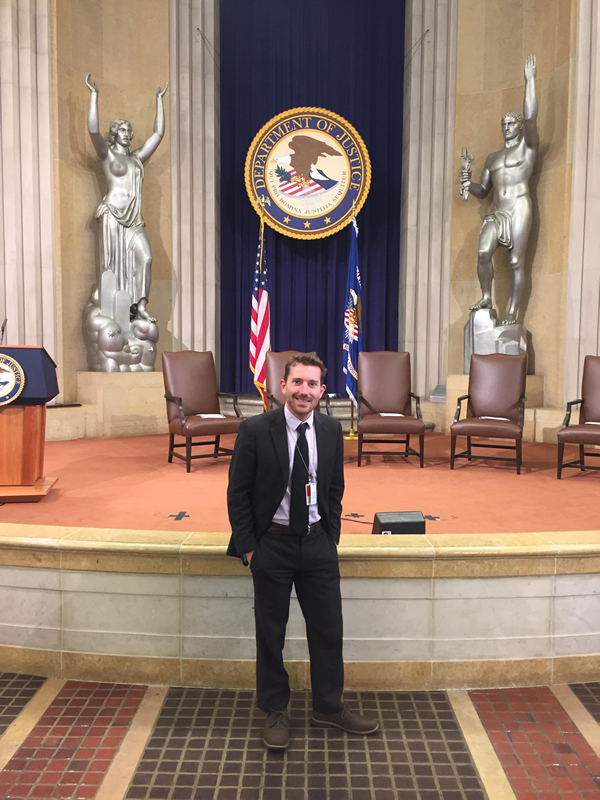
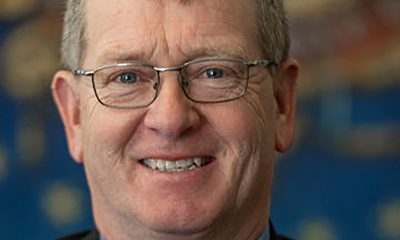
Washington Blade reporter Chris Johnson was not extended an invitation to the White House’s annual Christmas party this year.
For the first time in years, the White House has excluded notable black and LGBT reporters from its Christmas party guest list.
Chris Johnson, chief political and White House reporter for the Washington Blade, received numerous invites under the Obama administration and was an attendee to the annual event for the last seven years. Johnson told Politico he contacted the White House to ask about this year’s invitation but his query went unanswered.
“I assumed it was an oversight, because I’m at the White House every day and contribute to the pool reports,” Johnson says. “I could interpret this as playing favorites. The lack of invite is very consistent with me being ignored by White House press secretary Sarah Sanders during the press briefings.”
Johnson added to the Independent that his exclusion is “just kind of consistent with the policy of the administration to exclude LGBTQ people.”
The NAACP tweeted on Wednesday morning that April Ryan, the White House correspondent for American Urban Radio Networks and a CNN contributor, was also missing from the guest list. This is the first time in 20 years Ryan was not extended an invite.
“April Ryan, the White House correspondent for American Urban Radio Networks and a CNN contributor, told the Post she was not invited for the first time in 20 years covering the White House.” https://t.co/kYzsVFMpXG
— NAACP (@NAACP) November 29, 2017
When asked by the Washington Post if she knew why she wasn’t invited, Ryan says she has “no clue” but doesn’t think it was a mistake.
“I don’t think I was overlooked. I think they don’t like me. For whatever reason, they have disdain for me,” Ryan says.
Like Johnson, Ryan has been vocal about her observation of the White House’s treatment of certain reporters. She told Essence that reporters of color are treated as “opposition” to the Trump administration.
CNN announced they will also be absent from the event and have declined the invitation.
“CNN will not be attending this year’s White House Christmas party,” a CNN spokesperson said in a statement. “In light of the President’s continued attacks on freedom of the press and CNN, we do not feel it is appropriate to celebrate with him as his invited guests. We will send a White House reporting team to the event and report on it if news warrants.”
The White House’s annual Christmas party takes place on Friday at 2 p.m.




National
Queen Jean is Tony’s first transgender winner
Designer/activist wins for work on ‘Cats: The Jellicle Ball’
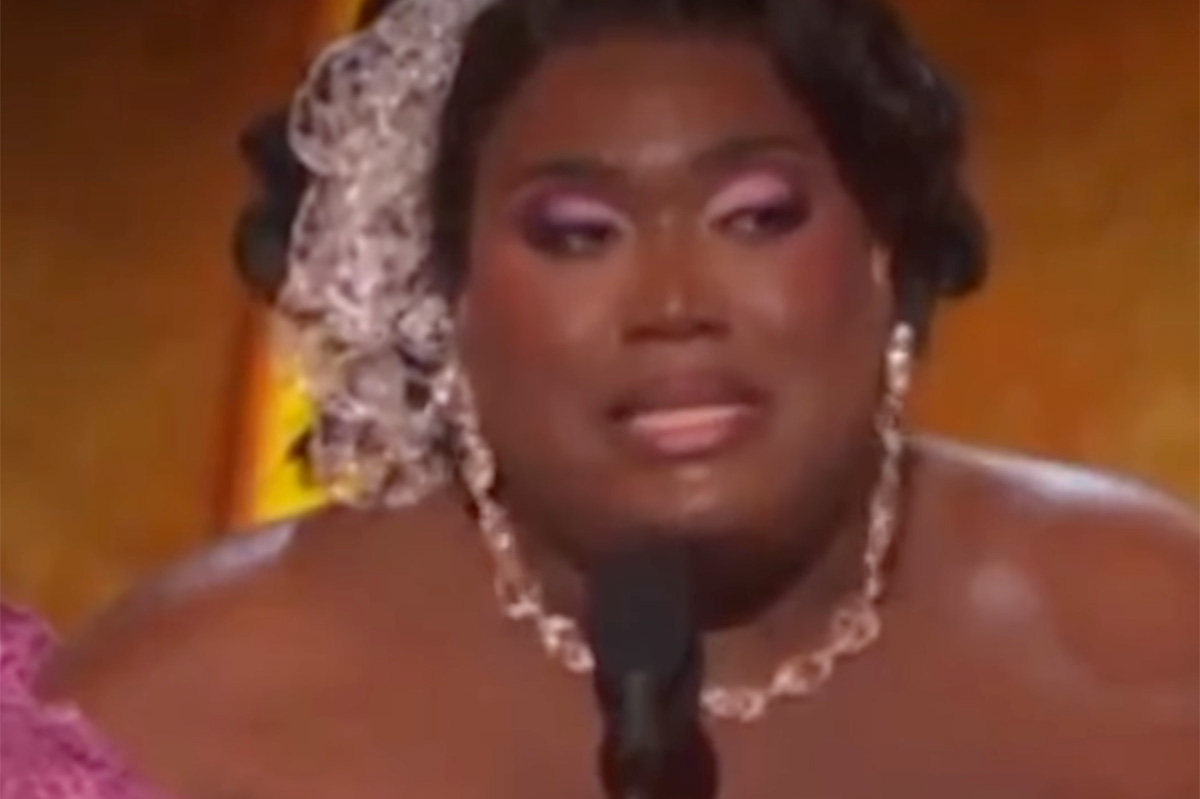
It was a historic night at the 79th annual Tony Awards on Sunday as Queen Jean won the award for Best Costume Design of a Musical, making her the first out transgender person to win a Tony.
“This experience has been monumental. We are here for the legacy of queer people, trans people,” she said. “We are taking up space in ways we have to take up space. We have to shift the paradigm. So I just want to say, thank you all so much for this incredible honor. The world right now is deeply, deeply combating so many ailments, and we know as a society that when we come together, we can make real, permanent change.”
She won the award for her work on “Cats: The Jellicle Ball” and was also nominated for best costume design of a play for “Liberation.”
In addition to her stage work, Queen Jean is the founder of Black Trans Liberation, an organization that supports trans and gender-nonconforming people in New York City.
National
Madonna turns Times Square into massive dance floor
Pop icon celebrates Pride month with surprise performance
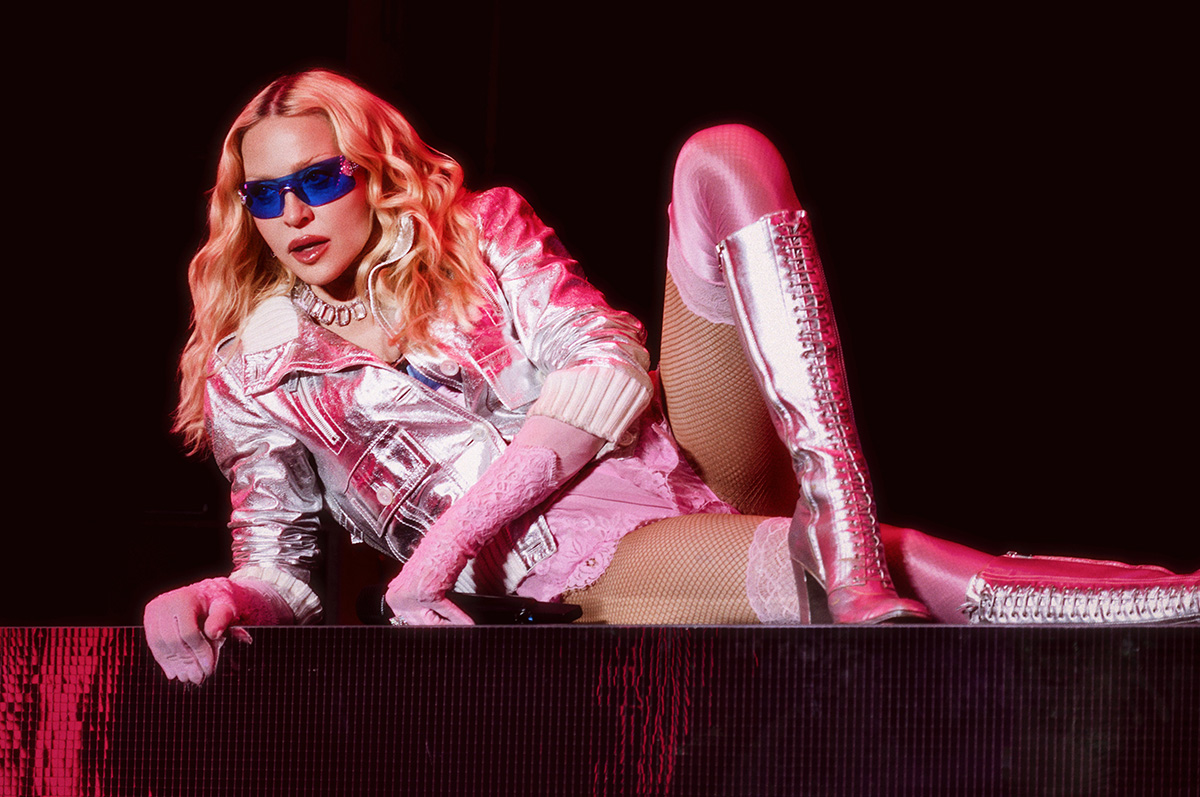
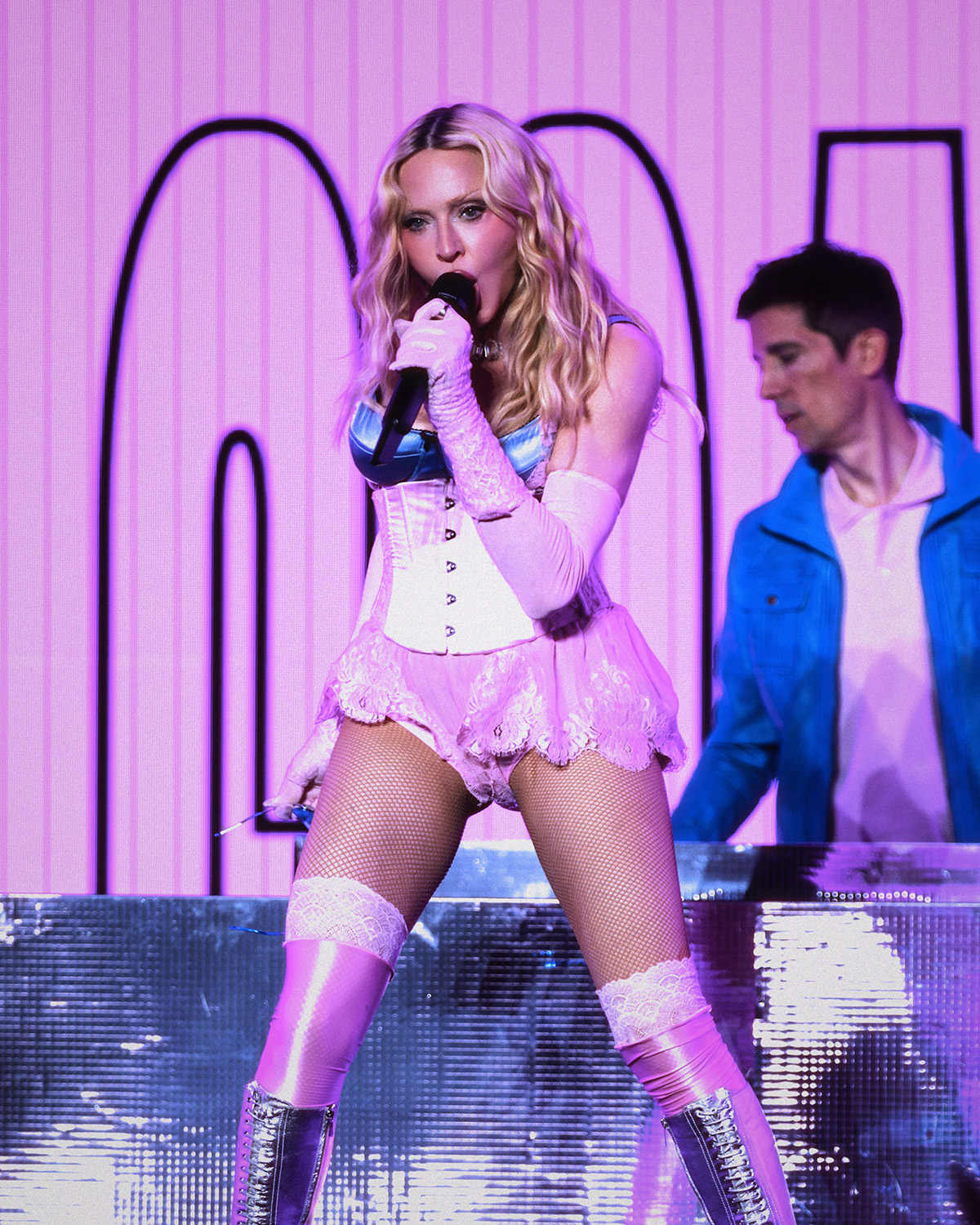
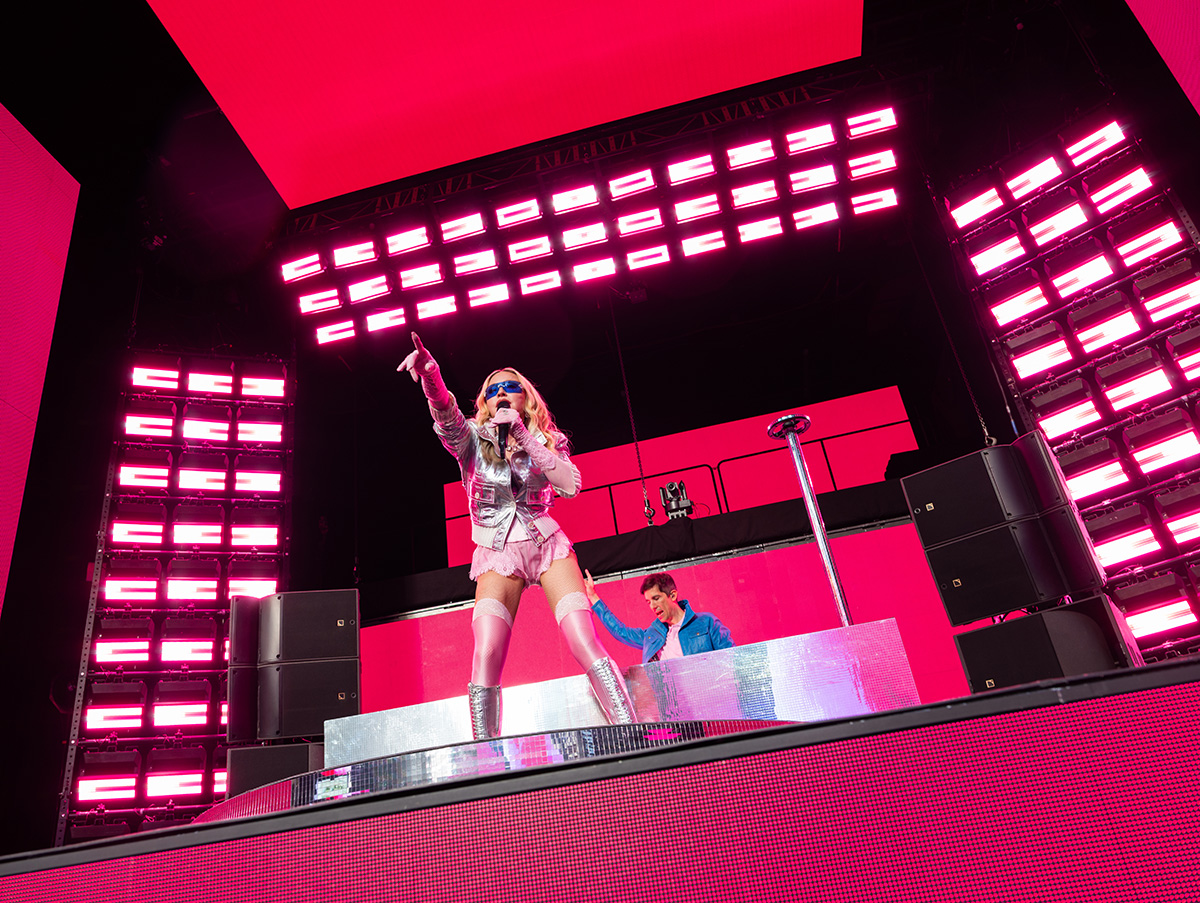
Pop icon Madonna celebrated Pride month with a pop-up performance in New York City’s Times Square on Thursday to the delight of 50,000 fans.
She performed for about 15 minutes high above street level, including several songs from her new album “Confessions II” due on July 3, along with a trio of songs from the first “Confessions on a Dance Floor.”
In addition to the brand new “Love Sensation,” she performed “I Feel So Free” and “Bring Your Love,” plus “Hung Up,” “Get Together” and “I Love New York.” She wished the crowd a happy Pride season; the event was shared with audiences through Grindr’s first-ever livestream.
National
Gallup finds LGBTQ support among Americans is dropping
Marriage equality support lowest since 2016
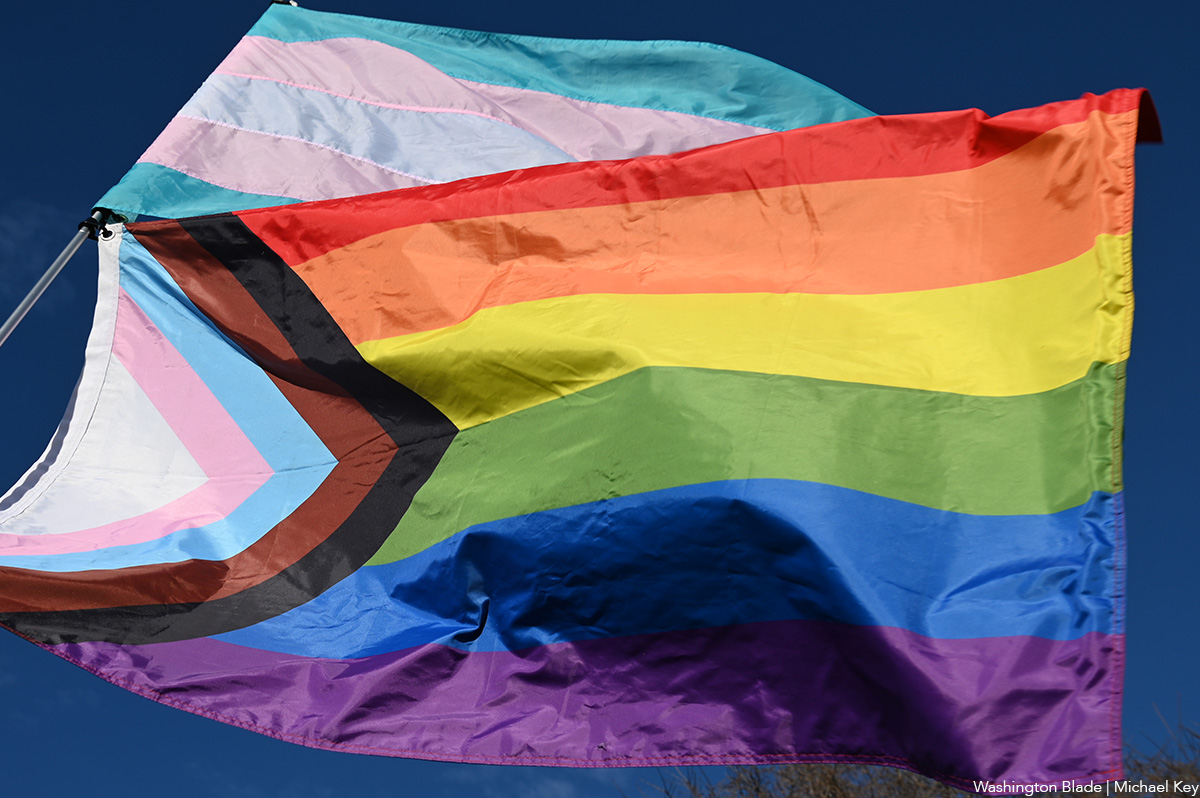
Gallup, one of the leading organizations in public opinion polling, has found that LGBTQ support among Americans is dropping.
The poll, whose data was collected using Gallup’s annual Values and Beliefs survey, was conducted in May and was published on Wednesday. The data was collected through telephone interviews from a sample of more than 1,000 adults living in all 50 states and D.C. using random digit dialing.
It highlights declining attitudes surrounding LGBTQ issues in multiple areas — from support for same-sex marriage to views on gender identity and the morality of one’s sexuality.
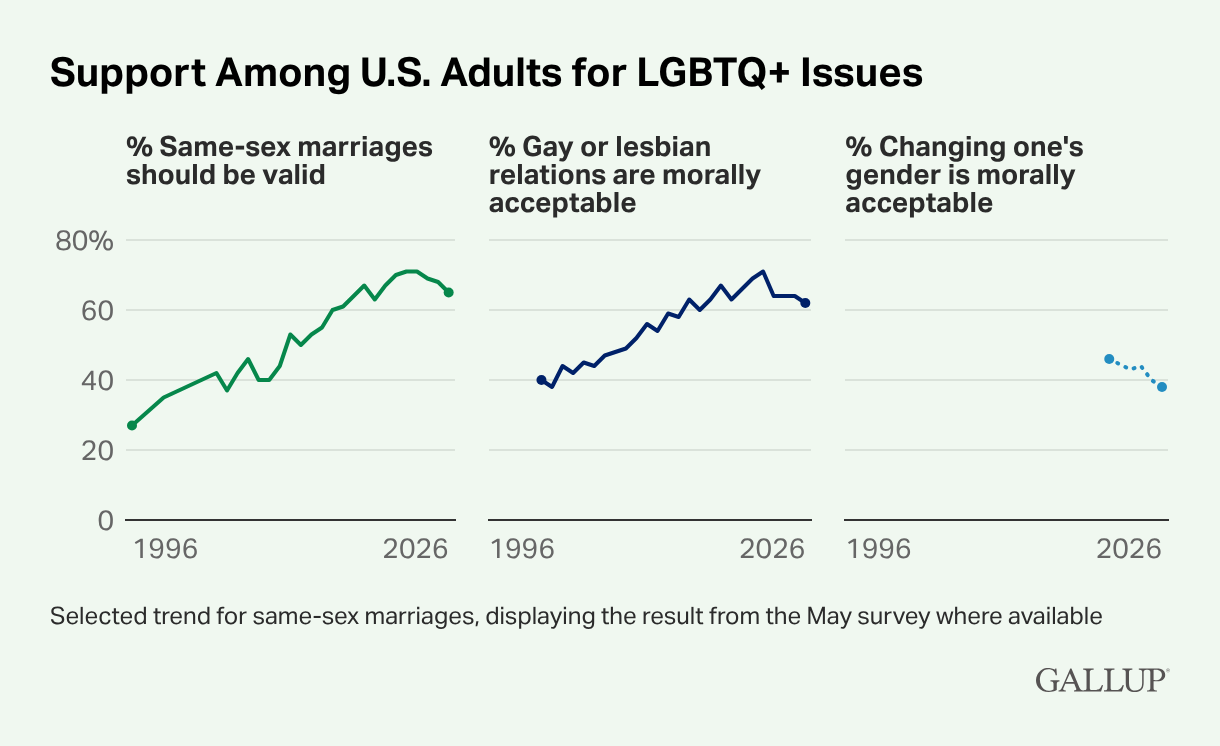
One of the most striking findings was that support for marriage equality fell six points from its 2022-2023 high.
The survey also found that 62 percent of Americans view gay and lesbian relations as morally acceptable, the lowest level since 2016 just after same-sex marriage was legalized nationwide by the U.S. Supreme Court.
One newer question on the poll found that the perceived morality of changing one’s gender has dropped eight points since 2021, indicating the American public is less supportive of transgender people.
The data attributes much of the decline to shifting Republican views alongside the party itself. Conservative leaders have pushed back against diversity, equity, and inclusion programs that were intended to foster greater acceptance of LGBTQ people and other historically disadvantaged groups.
President Donald Trump has been a guiding force behind waves of anti-LGBTQ sentiment, particularly when it comes to trans rights. The president has enacted multiple executive orders, including Executive Order 14168, “Defending Women from Gender Ideology Extremism and Restoring Biological Truth to the Federal Government,” which mandates that gender be defined by one’s sex assigned at birth. He also signed Executive Order 14183, “Prioritizing Military Excellence and Readiness,” which barred qualified trans applicants from joining the military and led to the removal of trans service members already serving in the armed forces.
Additionally, he signed Executive Order 14201, “Keeping Men Out of Women’s Sports,” which prohibits trans female athletes from participating on women’s and girls’ sports teams.
In February, Gallup found that an estimated 9 percent of Americans identified as part of the LGBTQ community in some form.
The organization also found that 23 percent of adults under age 30 identify as LGBTQ, compared with 10 percent of those ages 30 to 49 and 3 percent or less among those ages 50 and older.

Rehoboth’s Pride on the Bay set for June 27

Blade editor inducted into D.C. Society of Professional Journalists Hall of Fame

Pride in a new world order

McDuffie on LGBTQ support and standing up to Trump

PHOTOS: Fairfax City Pride

Controversial ‘Blue Film’ pushes past taboos for gripping drama

Timothy Nelson on the premiere of his opera ‘Song of Sakuntala’

PHOTOS: ‘Soul Divas’

‘Mighty Real’ explores history of LGBTQ music