Arts & Entertainment
‘Andi Mack’ star Joshua Rush comes out as bisexual
The actor portrayed the first openly gay character on Disney Channel
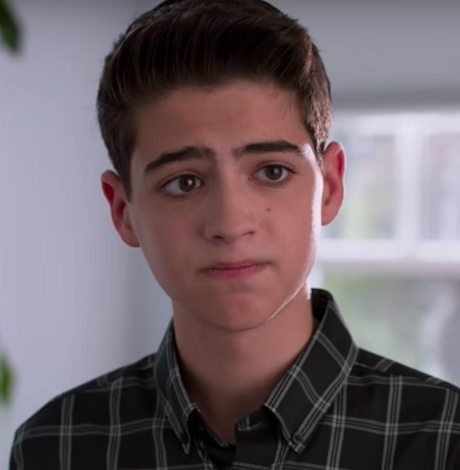

Actor Joshua Rush has come out as bisexual.
The 17-year-old actor is best known for his portrayal of Cyrus Goodman on the Disney Channel series “Andi Mack.” Cyrus is the first openly gay main character on the Disney Channel.
Rush posted on Twitter that the first person to respond to his tweet is bi. He then responded to his own tweet writing “first! i win! it’s me. i’m bi. And now that I’ve said that, I have a few things to rant about. There are more important things to talk about than me liking a whole bunch of genders, but I do want to share a few things with you guys.”
first! i win! it's me. i'm bi. And now that I've said that, I have a few things to rant about. There are more important things to talk about than me liking a whole bunch of genders, but I do want to share a few things with you guys.
— joshua rush (@JoshuaRush) August 6, 2019
“I saw so many of you watch Cyrus come out and said “Hey! I can be me! How ironic, isn’t it, that me, playing that character, never had mustered up that courage?” Rush continued. “Instead of feeling the courage to tell you today that I am an out and proud bisexual man because of the character I played for four years, I feel that courage thinking of all of you, who felt emboldened by Cyrus to come out.”
Instead of feeling the courage to tell you today that I am an out and proud bisexual man because of the character I played for four years, I feel that courage thinking of all of you, who felt emboldened by Cyrus to come out.
— joshua rush (@JoshuaRush) August 6, 2019
Rush explained that while he was playing a character on television who was becoming open with his sexuality he still dealt with internalized homophobia in his personal life.
“I stuffed the existential crisis of talking about my sexual orientation into a box in my mind for years. Today, I release it into the world,” Rush tweeted.
I stuffed the existential crisis of talking about my sexual orientation into a box in my mind for years. Today, I release it into the world.
— joshua rush (@JoshuaRush) August 6, 2019
He ended his Twitter thread with a couple resources for his followers. He posted GLAAD’s resource on bisexuality saying that it helped him better understand his sexuality. Rush also encouraged his followers to donate to the Trevor Project.
I also want to ask you to donate to The Trevor Project, who are literally saving lives every day. Helping young LGBTQ+ voices feel heard and loved is utterly crucial.https://t.co/jAgqEukuyh
— joshua rush (@JoshuaRush) August 6, 2019
“Andi Mack” ended in July after three seasons. Its series finale included the first same-sex romance on Disney Channel between Cyrus and TJ (Luke Mullen).






Books
New book reveals what we can learn from animal sex
‘Poking the Squid’ on homosexuality, gender swapping, and more
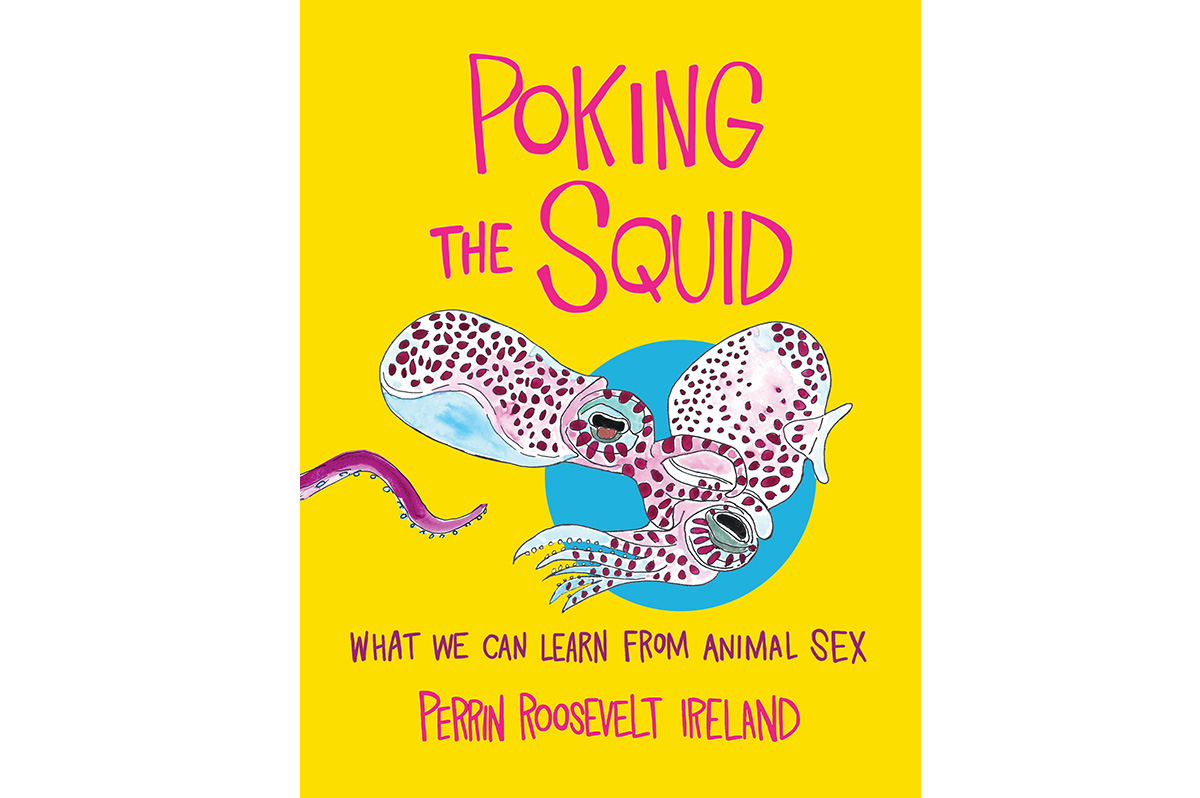
‘Poking the Squid: What We Can Learn from Animal Sex’
By Perrin Roosevelt Ireland
c.2026, W.W. Norton
$29.99 241 pages
Birds do it.
According to Cole Porter, bees do, too, but it’s not exactly what he imagined. Wild and tame, avians, insects, and mammals all have sex – although not always as you’ve been told or for reasons you might think. Even educated fleas do it and, as in the new book, “Poking the Squid” by Perrin Roosevelt Ireland, humans can learn from them all.

If you read through scientific papers on animal reproduction, you might notice something unusual: for scientists, the word “sex” means a lot of different things.
Says Ireland, “It’s used to describe behaviors, biology, life histories, and more.”
That might be because animals are not simply binary.
Take, for instance, hyenas. It’s easy for the casual observer to mistake a male hyena for a female and vice versa because of stereotypes of anatomy. Mating, for hyenas, requires subordination for the male and a nifty trick on the part of the female’s body to get things done.
Our feathered friends are no birdbrains, either: black-browed albatrosses were once thought to be monogamous but global warming seems to have changed their nesting habits sometimes. Male flamingos have sex with one another, as a territorial thing; other birds and animals form same-sex pairs for other reasons.
The Chinese mantis eats her mate after fertilization. Female snakes, alpacas, guinea pigs, and monkeys are anatomically able to enjoy sex. Genitalia between species varies quite a bit; in fact, the vaginas of ducks “are highly complex.” Lionesses will mate up to 100 times when in heat. Female damselflies will change into a “third sex” to avoid overly aggressive mating males. Bearded dragons can change their sex, if needed, as can yellow clown goby fish. And seahorse pregnancy and birth sparked a book banning in Tennessee.
So, asks Ireland, if animals, including us, vary so much in biology and life, “… why are we using the word sex like it means something, anything, consistent?!”
Pick up “Poking the Squid,” page through it a few seconds, and you’ll see that the information here is largely told through cartoon-like drawings mixed with captions. It seems to be something on the lighter side, but don’t let that artwork fool you.
Author Perrin Roosevelt Ireland offers readers solid information that cozies up to the scholarly, with hard science, philosophy, feminism, and quotations from researchers to support it, thus furthering the narrative and hitting the points squarely. If you see the art and expect something lighthearted, comic, and small-talk-worthy, you could be disappointed.
On the other hand, if you want solid, wryly serious facts, you’re in for a treat.
There’s lots of learning to be gleaned here, and some slight nudge-wink whimsy to emphasize the absurdity of wrong-headed thinking. This can make readers feel like they’re in-the-know on the jokes, and the playfulness balances the seriousness of the information well.
So, serious, scholarly, or slightly silly, none of these are negative but you’re going to know what you want from a book like this. For the right reader, someone in the mood, “Poking the Squid” is wild.
The Blade may receive commissions from qualifying purchases made via this post.

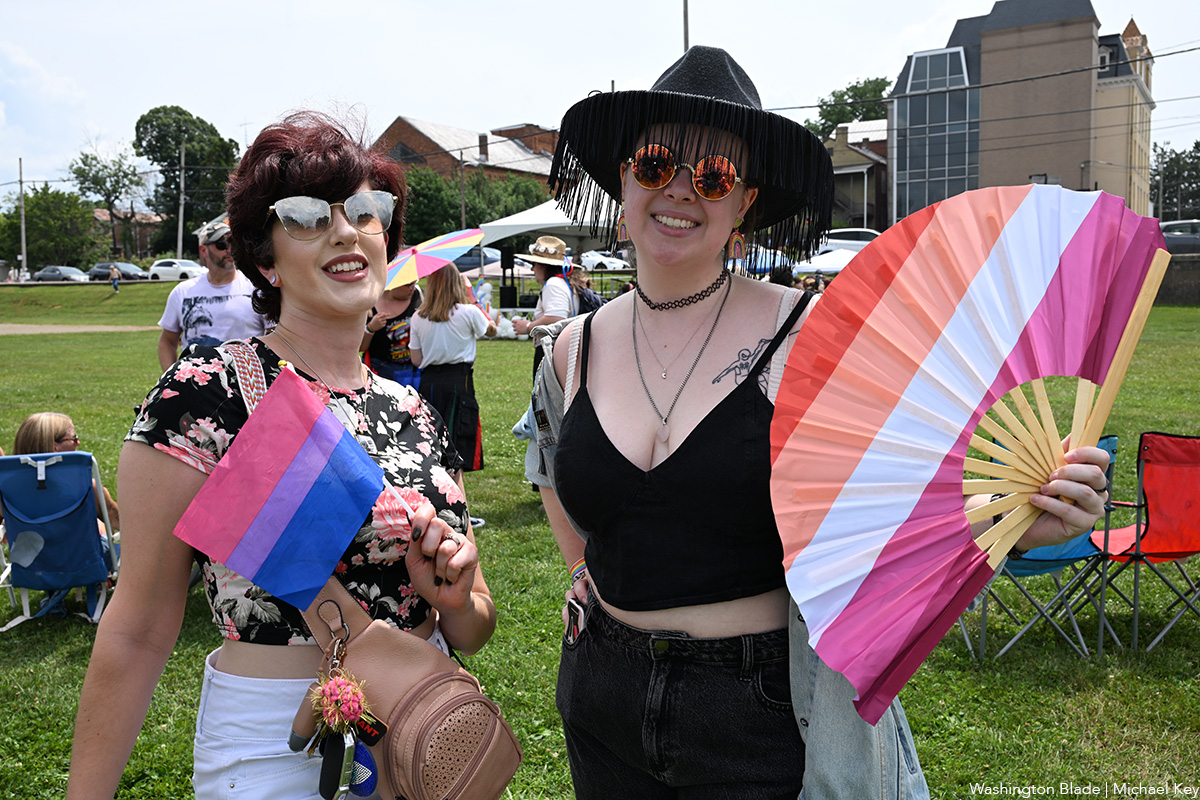
The eighth annual Westminster Pride Festival was held at Westminster City Park in Westminster, Md. on Saturday, July 11.
(Washington Blade photos by Michael Key)
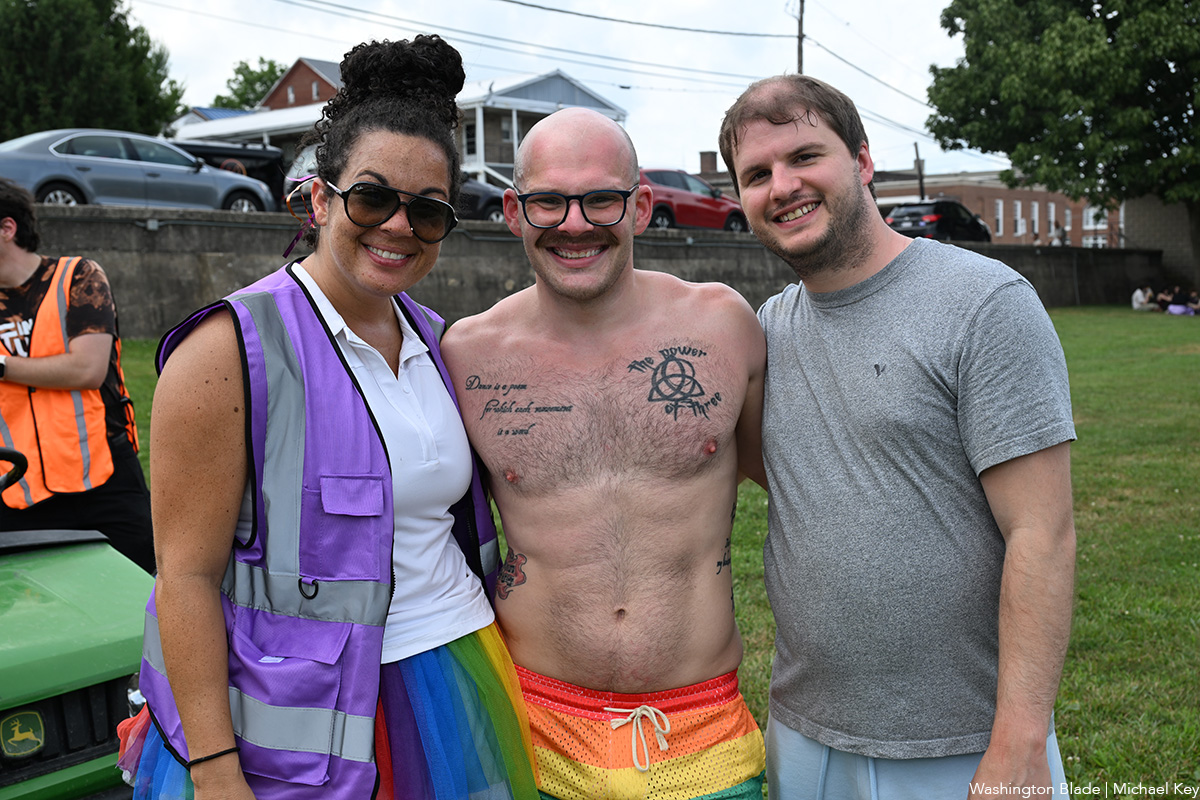

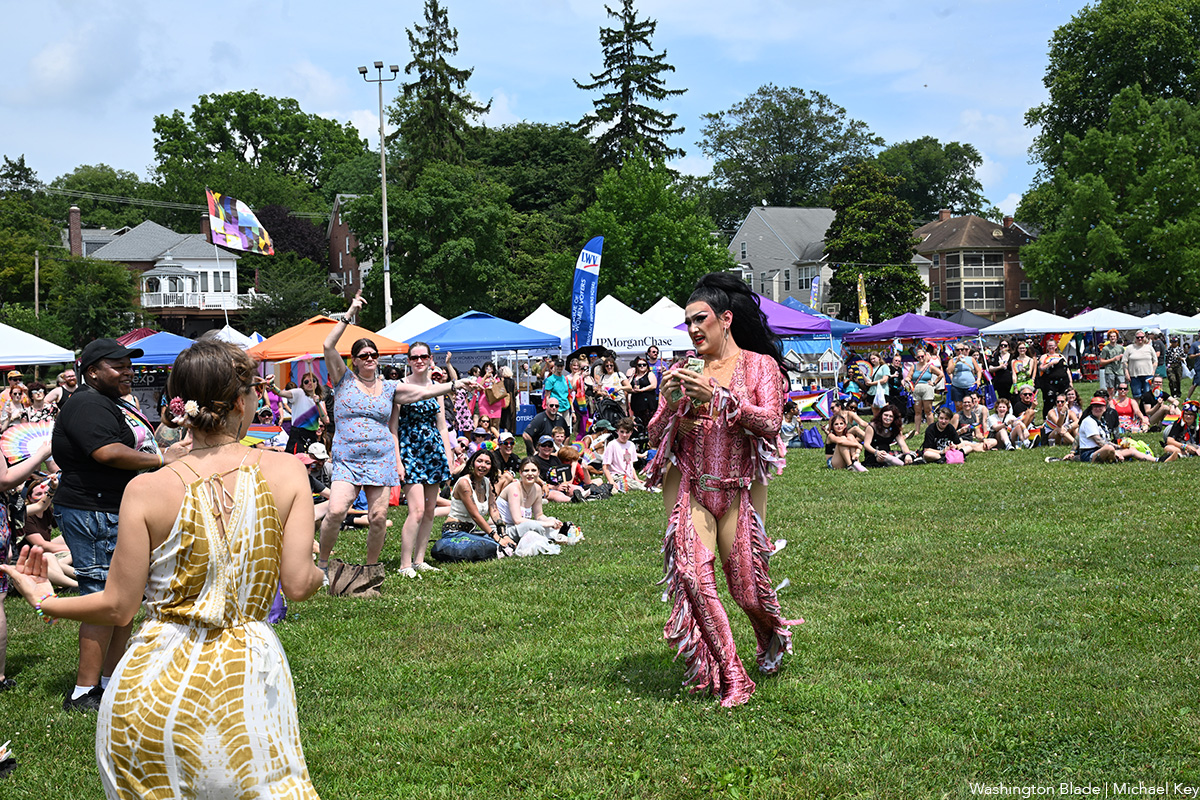
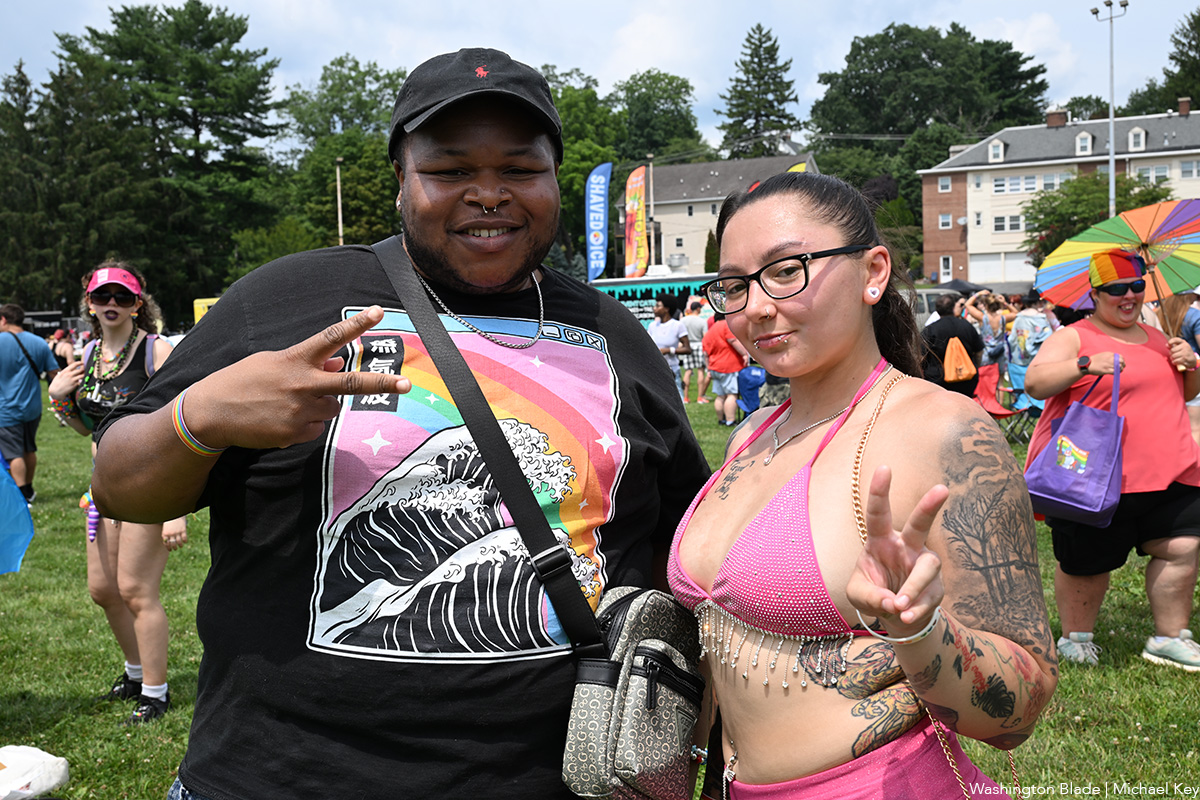
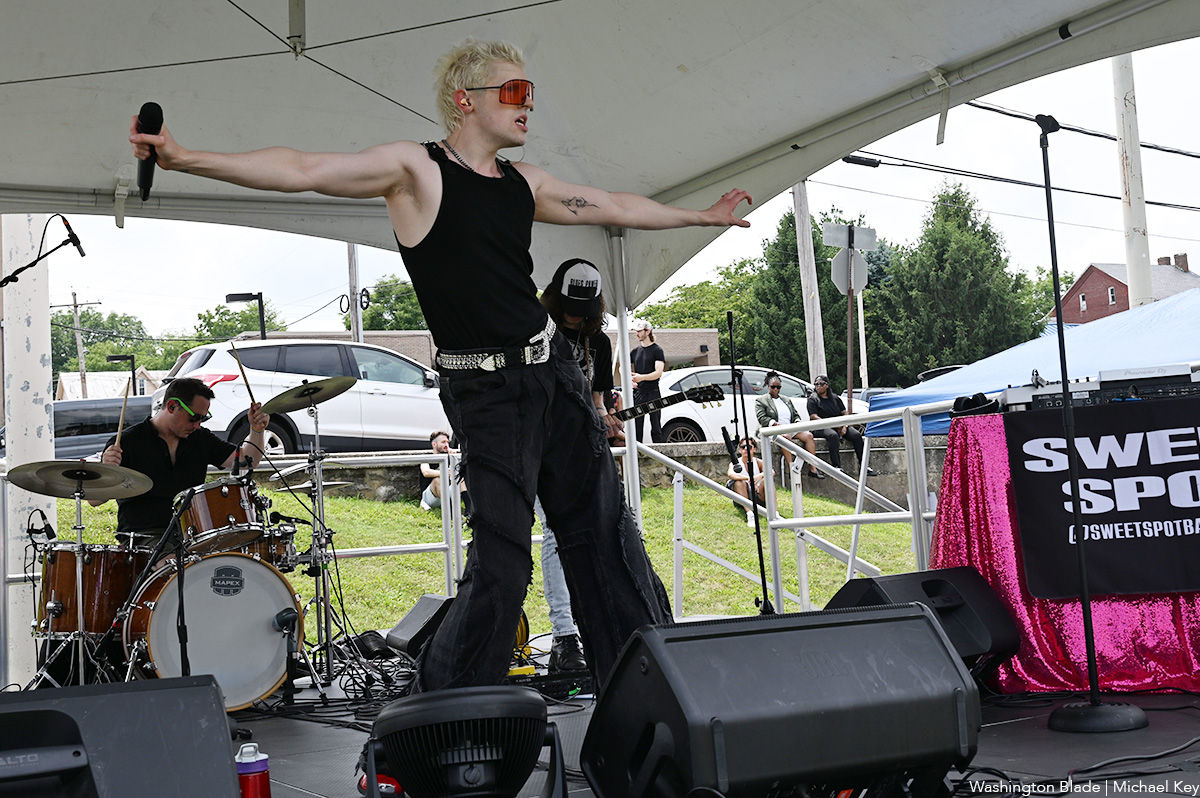
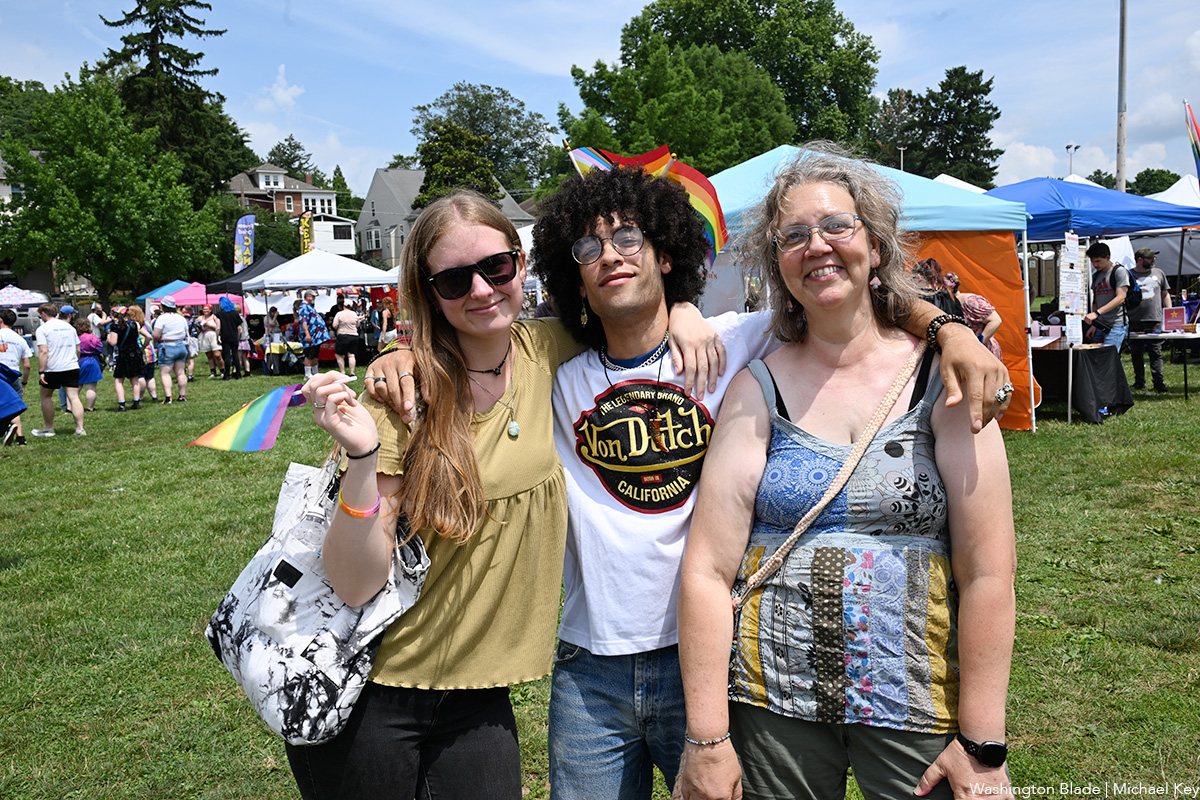

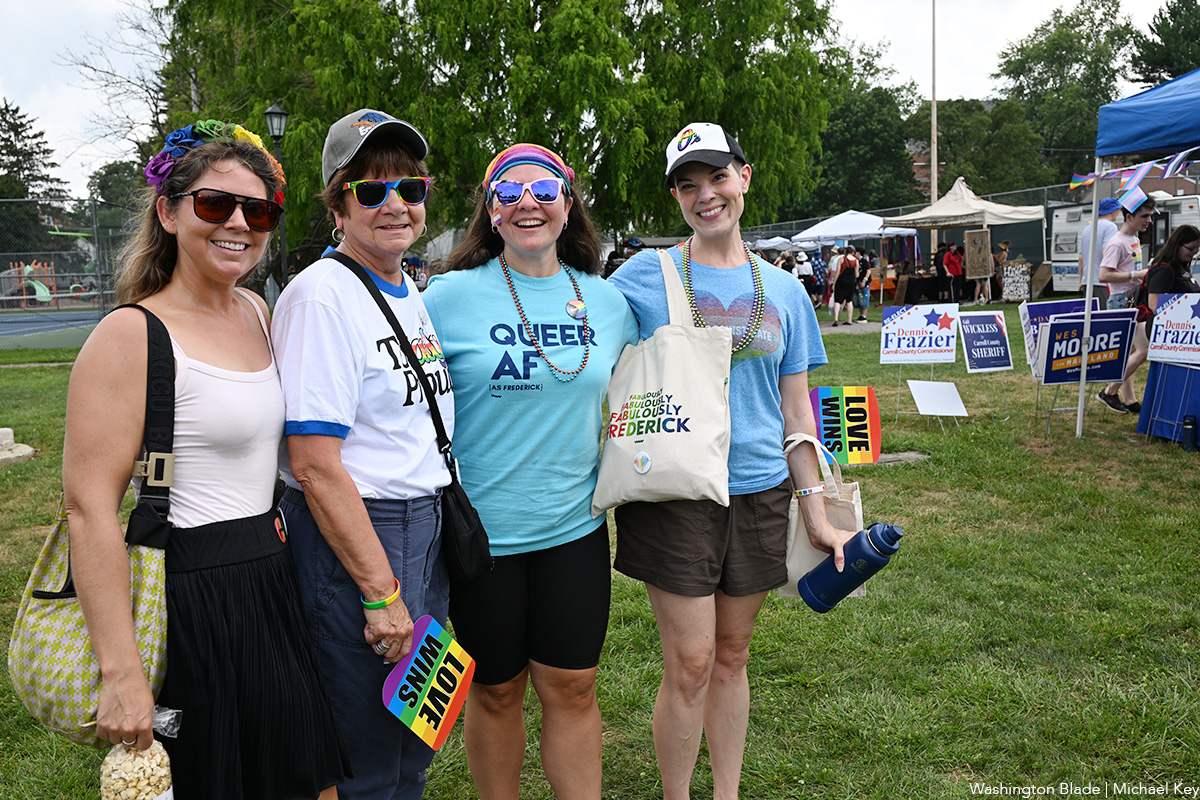
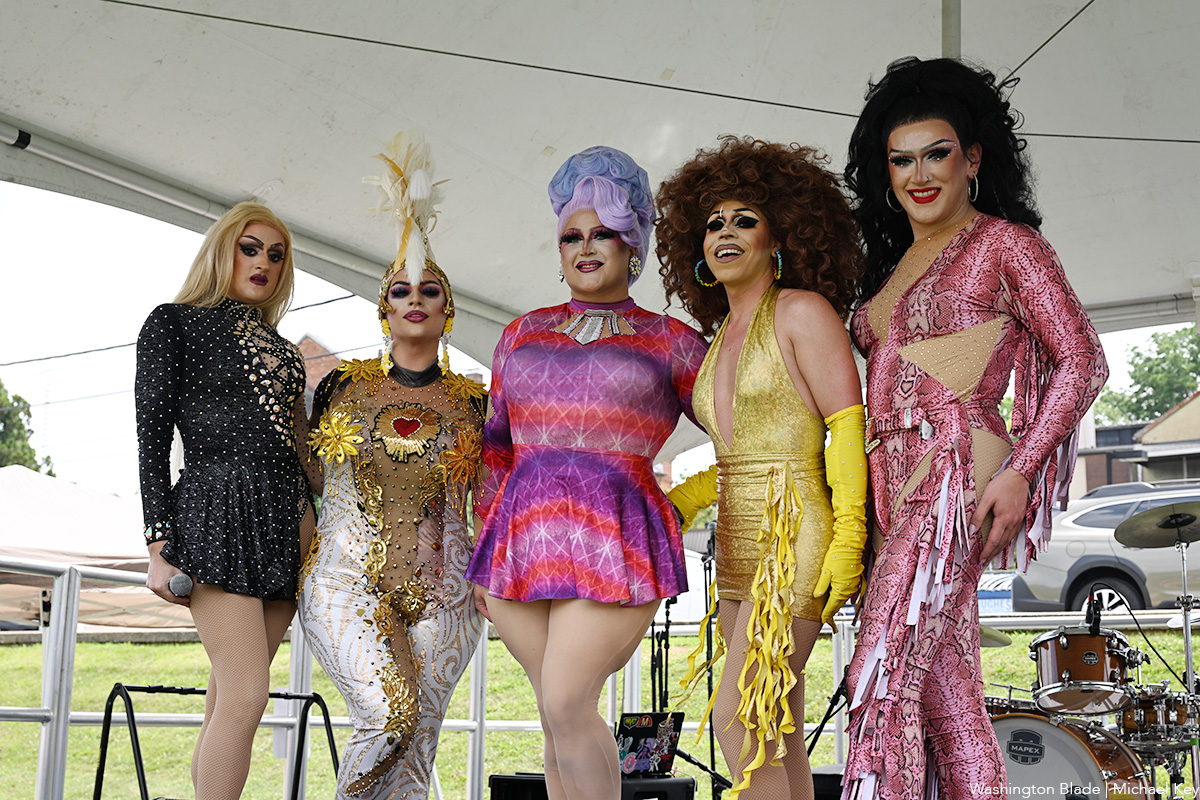

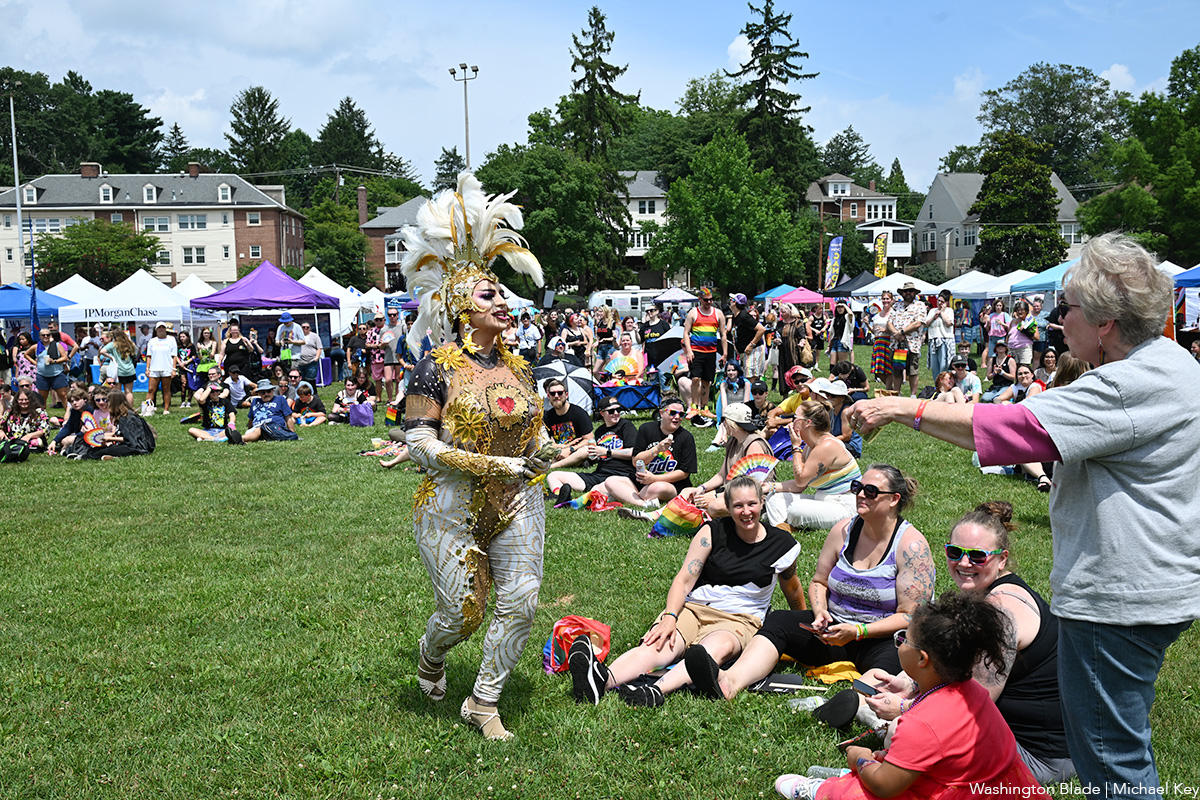
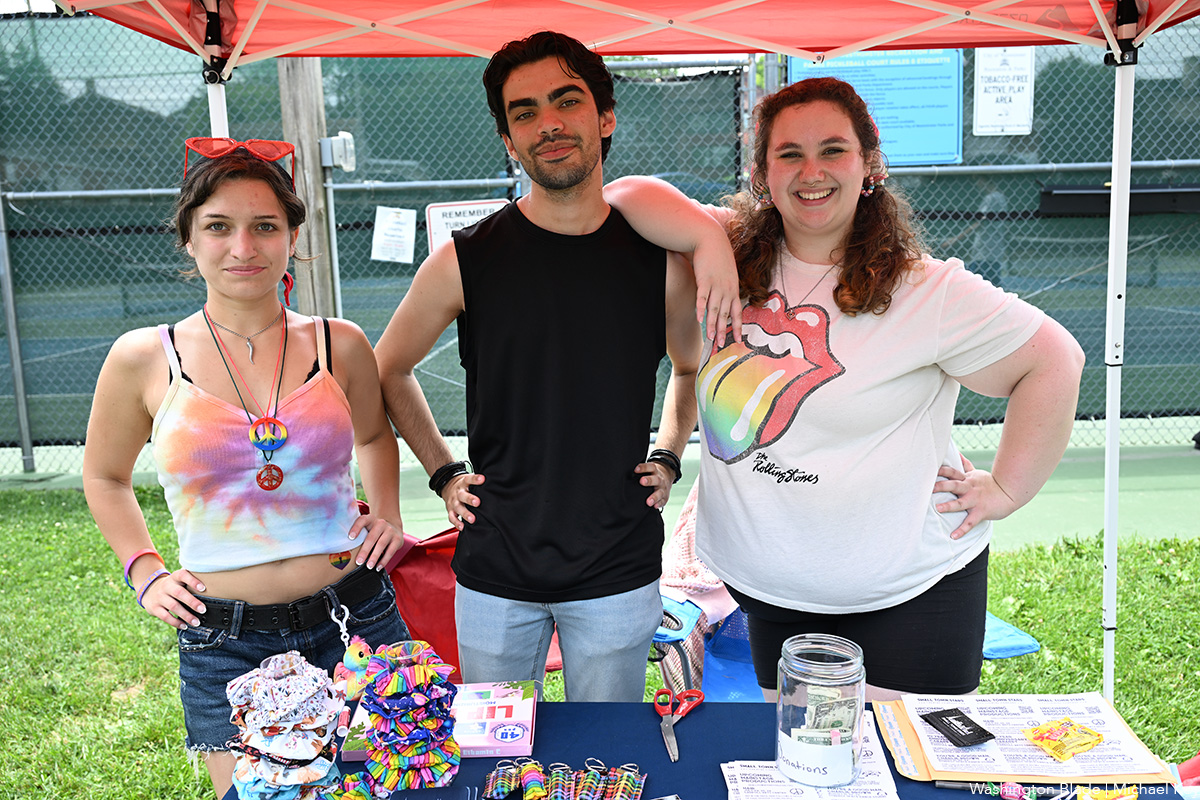


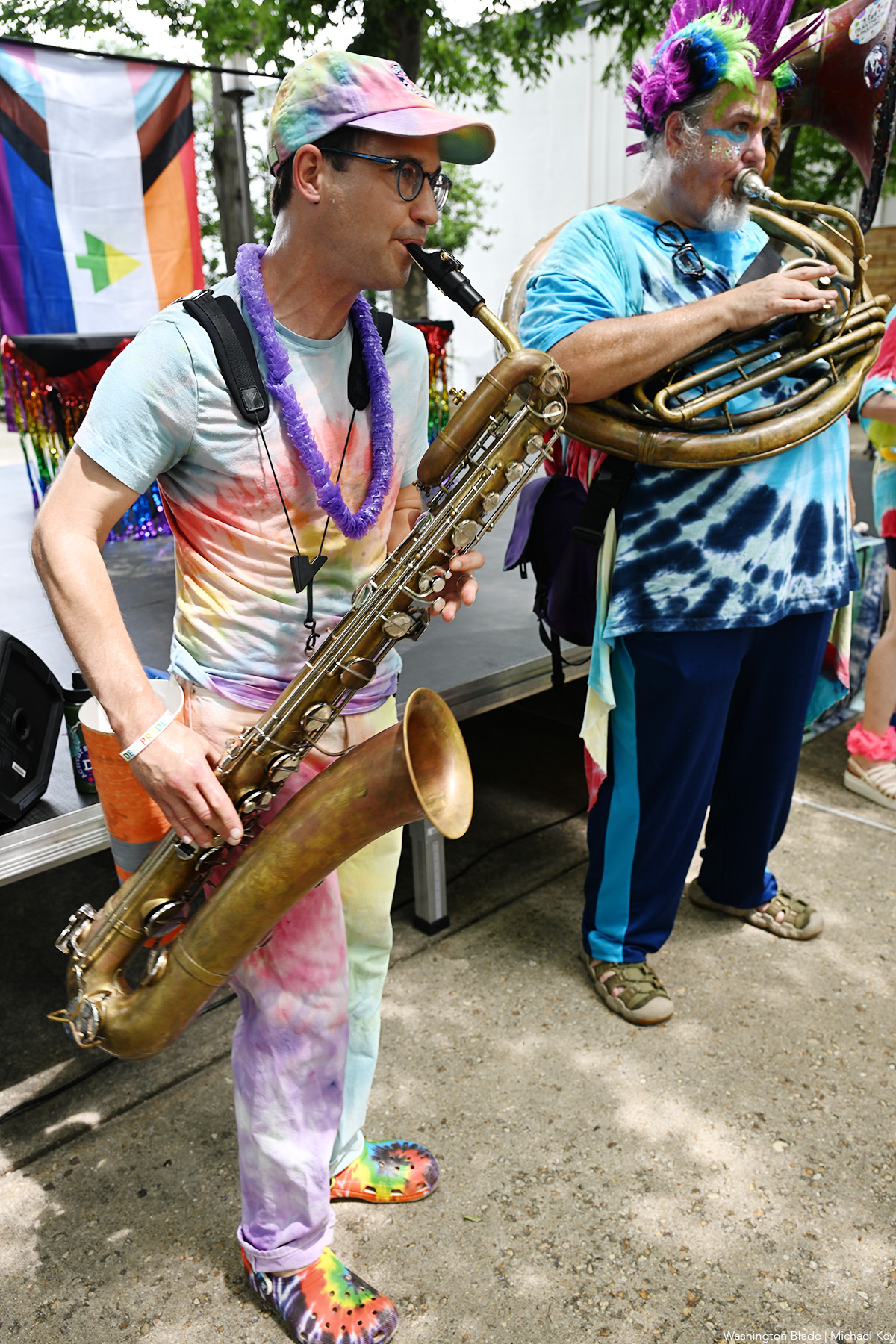
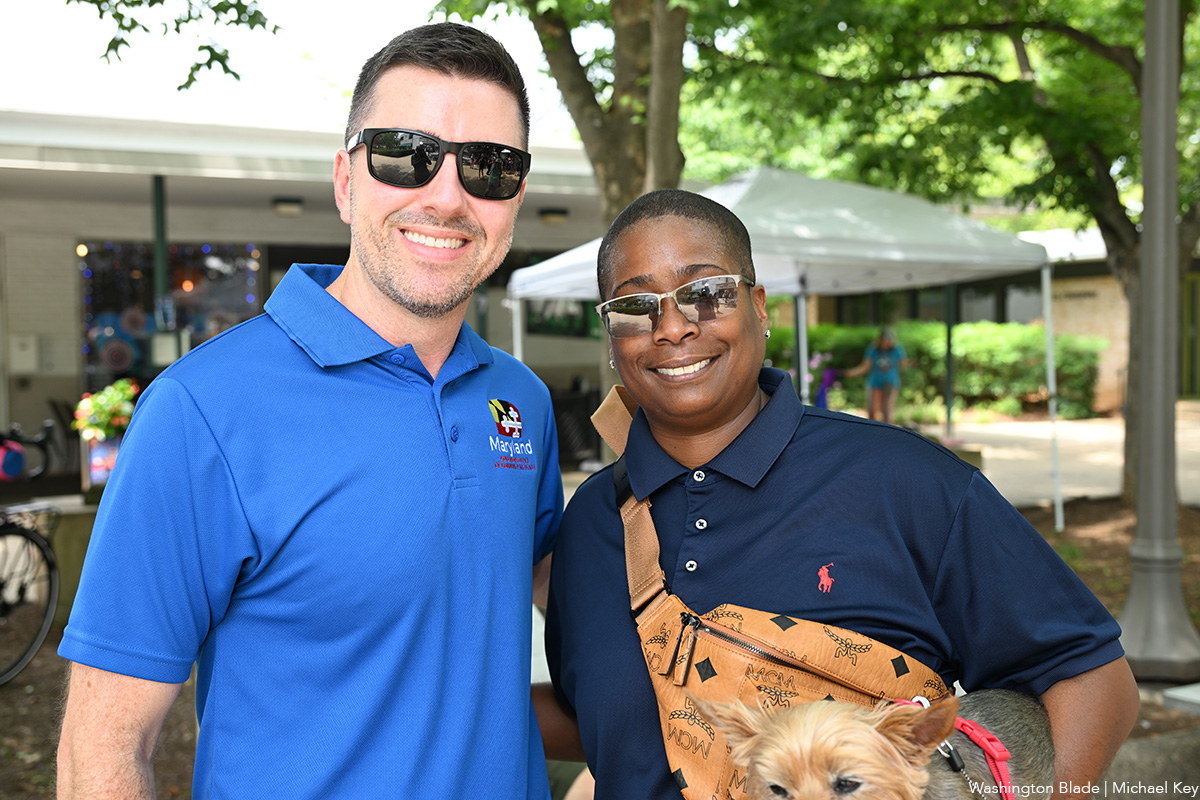
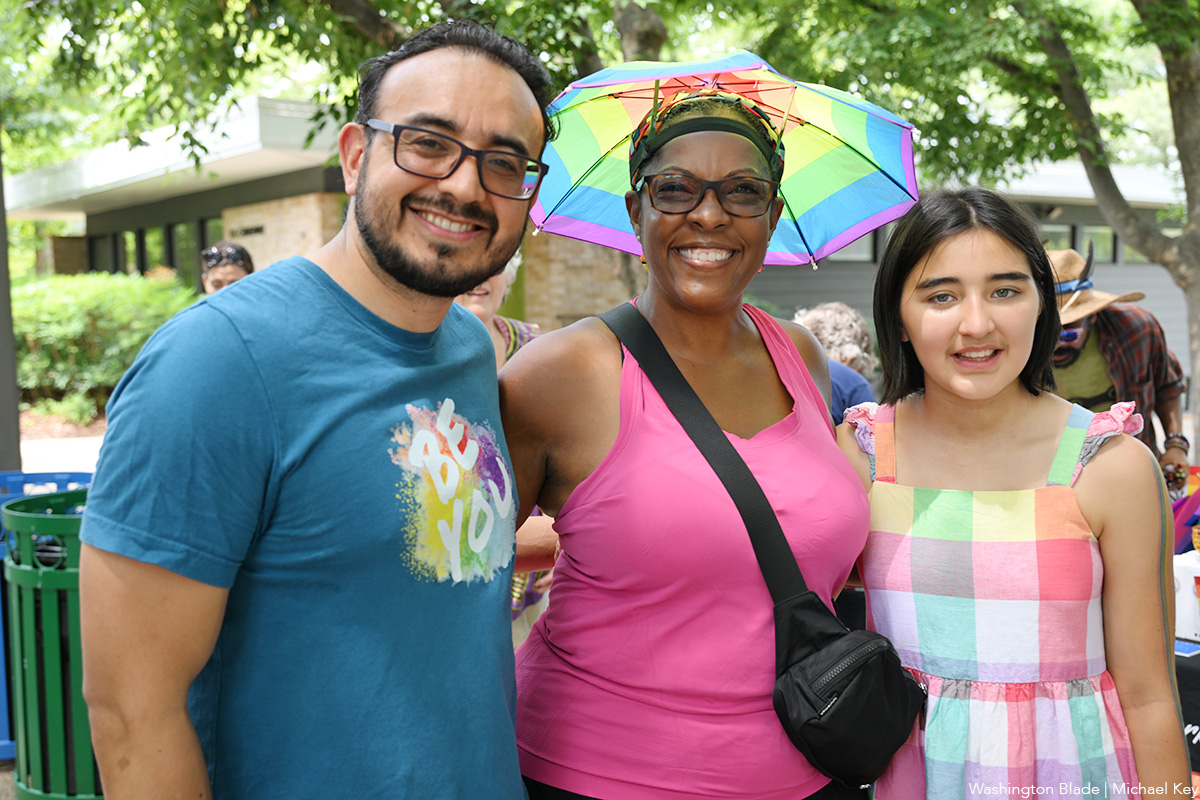
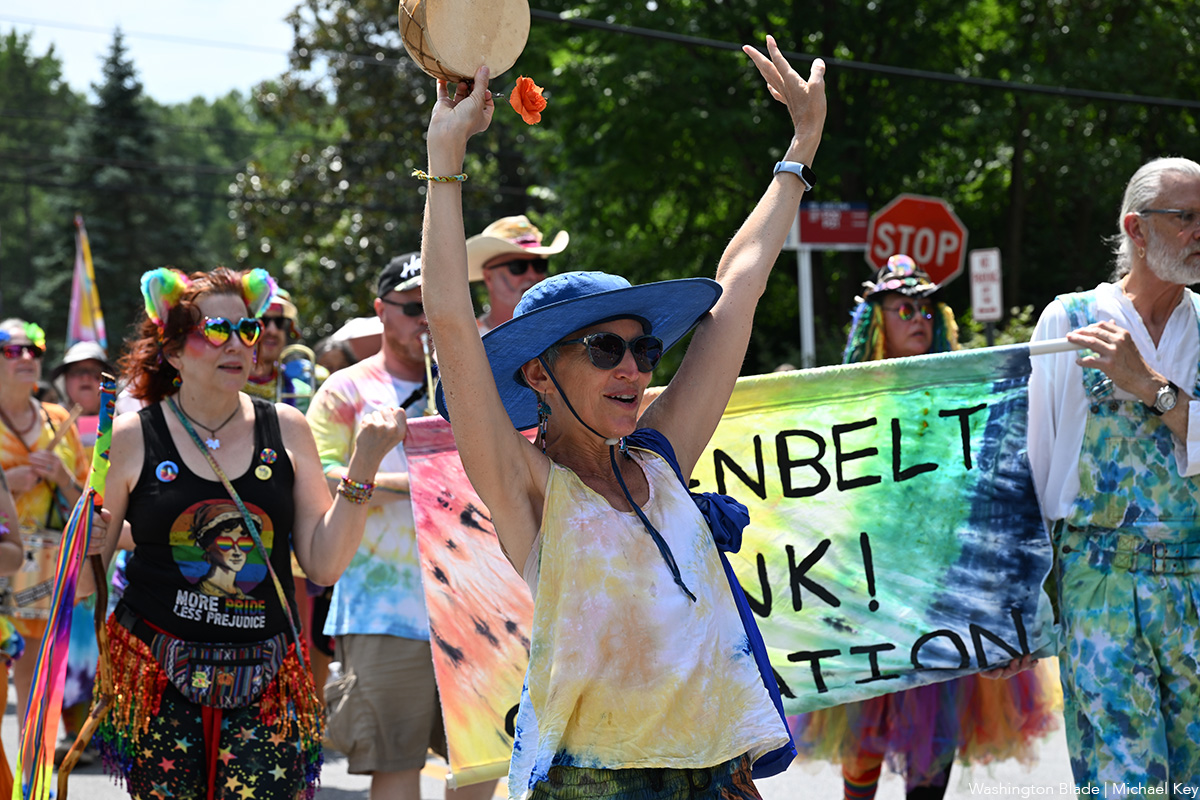
The fifth annual Emerald City Pride was held in Greenbelt, Md. on Saturday, July 11.
(Washignton Blade photos by Michael Key)






View on Threads

New book reveals what we can learn from animal sex

Who might replace Lindsey Graham? The contenders and their LGBTQ records

PHOTOS: Westminster Pride

Un terremoto también se vive desde el exilio

PHOTOS: Emerald City Pride

Mr. Henry’s celebrates 60 years of proud inclusivity

It’s good to see some justices standing up to Trump

Egyptian authorities refuse to allow gay cruise to dock in country

Queer media dominates 2026 Emmy nominations