Sponsored
From Glitter to Rock Bottom: A CEO’s Journey Through Addiction and Recovery
John had it all – a thriving event production company, a team of talented employees, and a reputation as the go-to guy for staging the most dazzling festivals and parties in major markets throughout the US and Canada.
As the company’s CEO and co-founder, John had built the company from the ground up with help of two business partners. Together, they had created something truly unique and robust – but beneath the surface, John battled demons that threatened to destroy him and everything he and his partners had worked so hard to build.
It started innocently enough – a bump of meth here, a drink there – anything to keep the energy and creativity flowing. “I was always one of those people who could try anything and stop,” he told the Los Angeles Blade.
But before long, John found himself in the grip of a full-blown addiction. He was sometimes zooming into the office rather than take the elevator 3 floors below from his apartment, missing important meetings, and making erratic decisions that put the entire company at risk.
At first, John tried to hide his struggle from his partners and employees, putting on a brave face and pretending everything was fine. As time when on, so did his partners and key employees, trying hard to save face. But as his addiction spiraled out of control, John’s once-sparkling world had dulled to a hazy grey visible to everyone. He began experiencing suicidal depression and looked scared and addled and was unable to see a way out.
As an LGBTQ individual, John was no stranger to adversity. He had somehow managed to remain HIV negative while most of his friends didn’t; he battled discrimination and prejudice throughout his life, but had always managed to flick it away. Now, however, he was facing a battle that felt increasingly uphill because it was a battle against himself, his own demons.
“For me, the bottom was when my entire staff and my partners held a meeting and threatened to walk,” John said. “I will never forget coming into the office only to find my mother and sister, my business partners, my staff and an intervention person: it was literally like the TV show “Intervention,” including ugly ultimatums they knew would work.”
He was whisked off to the Atlanta airport and to a facility outside of Phoenix for a one month detox and then later to Los Angeles for a 90 day program. “I honestly had no idea what I was doing. I just knew that it was a better path for me. It took some convincing but it finally made sense,” he said. “I even had business practical questions because as an entrepreneur I wasn’t sure how any of this could work: how could I take time away and regroup the staff, win my partners’ and my client’s trust back! Real questions.”
John summed it up: “But my partners both said, you won’t win us or any one else back if you remain the mess you are — we will all be broke.”
“And,” John added, “my mom reminded me to ‘be resolute,’ something I had told her when she needed to leave my father. She said, ‘those words saved my life, time to own them.’”

“Addiction doesn’t discriminate,” says Brad Lamm, founder of Breathe Life Healing Center in Los Angeles. “It doesn’t care how successful you are, how much money you make, or how many people are counting on you. It’s a disease that can take down even the strongest among us.”
For John, the turning point came when his partners confronted him about his behavior. They had noticed the changes in John’s demeanor and work ethic, and they were worried about the impact it was having on the company. It was a difficult conversation, but it was one that needed to happen.
Agreeing with his business partners about the reality of his addiction and the potential consequences for business, John knew he needed help – and fast.
But as a CEO and co-owner, he was hesitant to step away from the company for an extended period of time. He felt a deep sense of responsibility to his partners and employees, and he didn’t want to let anyone, especially his mom, down.
During his intervention he learned that under California’s labor law even as a company owner, he was protected against his own company firing him or demoting him.
Under the Family and Medical Leave Act (FMLA) and the California Family Rights Act (CFRA), John was eligible for up to 12 weeks of unpaid leave to seek treatment for his substance abuse.
He also learned that other laws strengthen those protections:
1. The Americans with Disabilities Act (ADA) and the Fair Employment and Housing Act (FEHA) prohibit discrimination against individuals with disabilities as well as individuals with substance use disorders.
2. California Gov. Newsom in 2020 signed a bill that requires employers with eligible staff members at companies with more than 5 employees (California Family Rights Act) to reasonably accommodate those who wish to enter an alcohol or drug rehabilitation program. The bill amends Labor Code section 1025, which had excluded companies with fewer than 25 employees.
3. The Affordable Care Act (ACA), requires health insurance plans to cover substance abuse treatment as an essential health benefit.
John’s partners were supportive of his decision to seek treatment, but they were also concerned about the impact his absence would have on the company. They agreed to step up and take on additional responsibilities while John was away, ensuring that the business could continue to operate smoothly.
“It was a difficult decision, but I knew I had to put my health first,” John recalls. “Knowing that my position was protected under the law gave me the peace of mind and trust I needed. And even though I realized the financial damage I had done during my worst days could result in the company’s closure, I needed to focus on me and my recovery. I had to trust that my partners could handle things in my absence, and that our clients would understand.”
John checked into a residential treatment program, where he worked with a team of specialists to confront the root causes of his addiction. It was a grueling process, full of tears and soul-searching, angry days and sleepless nights – but slowly, the fog began to lift.
As John began to heal, he also started to think about how he could create a more supportive and inclusive workplace for his employees – especially those who might be struggling with their own mental health or substance abuse issues. He worked with his partners and hired an HR team to develop new policies and programs, including a third party, confidential Employee Assistance Program (EAP) that provides confidential counseling and referral services.
“We wanted to create a culture where people felt safe and supported, no matter what they were going through,” John says. “We wanted to break down the stigma around addiction and mental health, and show our employees that it’s okay to ask for help – and that their jobs will be waiting for them when they’re ready to come back.”
Today, John is back at the helm of his company, leading alongside his partners with a newfound sense of purpose and compassion. They are vocal advocates for LGBTQ addiction awareness and mental health, using their platform to share John’s story and inspire others to seek help.
“If you are a business owner, you have a responsibility to create a workplace that is inclusive, supportive, and healthy,” John says. “That means being open and honest about our own struggles, and creating a culture where everyone feels valued and heard – and where they know that their well-being is our top priority.”
John’s journey is a powerful reminder that addiction can affect anyone, regardless of their success or status. It’s also a testament to the importance of seeking help, even when it feels impossible – and the power of having strong legal protections and a supportive network in place.
For LGBTQ individuals in particular, the barriers to treatment can be daunting. Stigma, discrimination, and a lack of culturally competent care can all make it harder to reach out for support. But there are resources available – and there is always hope.
“My journey hasn’t been easy, but it’s been worth it,” John says. “I’m a better leader, a better friend, and a better person because of the work I’ve done. And I’m committed to using my experience to help others find their way to recovery – and to create a world where no one has to choose between their health and their livelihood.”
“Don’t be afraid to ask for help,” John, now 8 years clean sober, his company thriving and producing several popular cultural fairs, arts and crafts festivals and corporate retreats, said.
“Don’t let shame or stigma keep you hopeless. With the right support and resources, you can overcome anything – and your job will be waiting for you when you’re ready to come back. I promise.”
For those seeking addiction treatment resources in Los Angeles County, there are many options available, including:
Los Angeles County Department of Public Health, Substance Abuse Prevention and Control (SAPC) – Provides a wide range of prevention, treatment, and recovery services for individuals with substance use disorders.
Breathe Life Healing Center offers provides evidence-based clinical care in a supportive environment for transformation and change.






Sponsored
First gay underwear party? How to have fun nearly naked
Gatherings aren’t exclusively sex-focused events
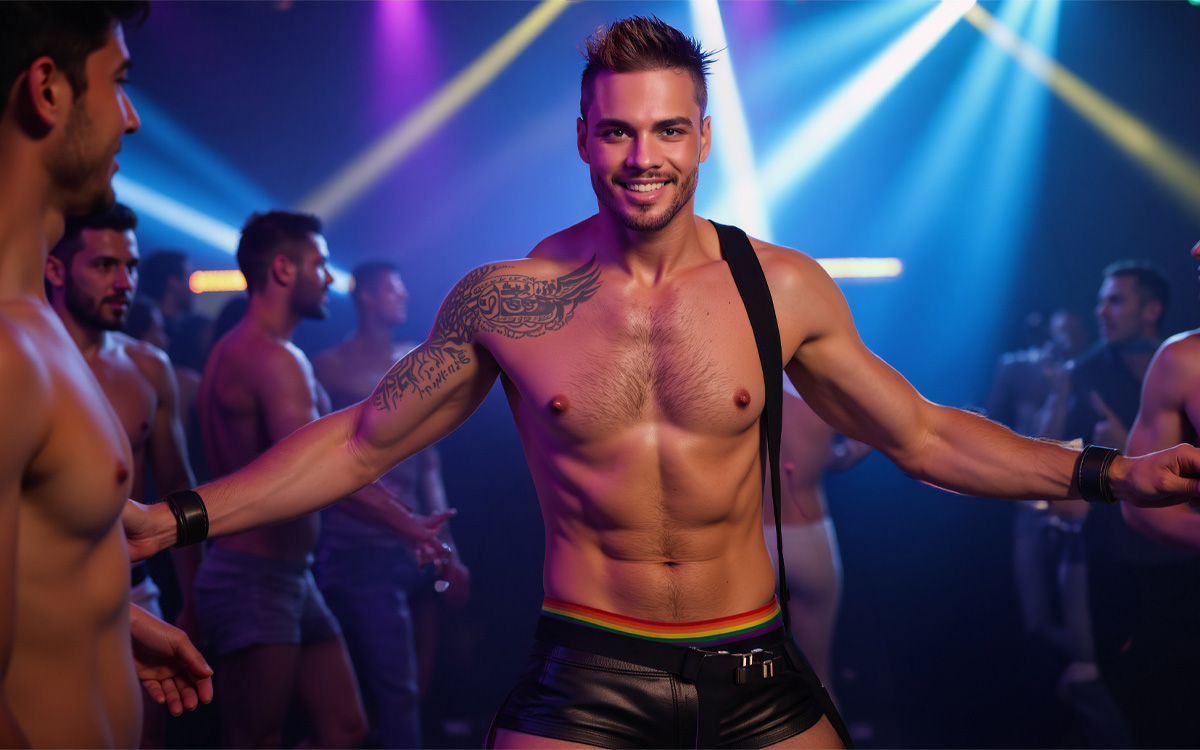
You’re at a new gay bar, mustering up the courage to leave all your clothes at coat check except for your briefs, socks, and sneakers. Through the door, you catch glimpses of pantless men laughing and grinding to house anthems, and somehow, everyone inside seems totally comfortable being nearly naked around strangers. Welcome to your first gay underwear party.
Although the air may feel thick with sexual tension, gay underwear parties aren’t exclusively sex-focused events like sex parties. In some ways, they’re similar to circuit parties on a smaller scale, but the dress code is really what differentiates them from other gay events. The atmosphere can range from a flirtatious club night to a heavier sexually charged scene, depending on the venue or even spaces within the venue (such as darkrooms.)
Similar to circuit party outfits, underwear parties require even less clothing, which is basically just gay underwear and shoes, often available at gay clothing stores like Differio. Some venues host dedicated underwear theme nights, like “Jockstrap Wednesdays” at The Eagle NYC, while other spots are totally fine with a casual mix of underwear, gear, and shorts.
If you’re feeling overwhelmed by all the “what to wear” and “what to bring” questions, here’s everything you need to know about maximizing your fun while wearing the least.
Research the venue’s dress code
Showing up confident starts way before you hit the door. Every gay underwear party has a vibe and a dress code. Check the venue’s website or social media accounts, so you can arrive looking like you understood the assignment. Some spots offer underwear-specific nights, while others are an open gay lingerie playground, allowing you to get creative with designer briefs, harnesses, or leather gear. Know the rules, find your look, and you’re already halfway there.
Actually commit to the dress code
No one is obligated to remove all of their clothing at a gay underwear party. Plenty of guys ease into the night by starting off with a tank top or micro shorts and peeling back layers as the night heats up.
However, you may draw attention to yourself for the wrong reasons if you remain completely clothed all night. Hanging out in jeans and a t-shirt just defeats the purpose of the event because you can easily do that at any other bar. If you find yourself uncomfortable for whatever reason, don’t feel pressured to stay.
Go with someone you trust
Nursing a drink by yourself in a crowded room is awkward enough when you actually have clothes on. Ease the first-time anxiety by bringing a close friend or partner you can trust, especially someone who’s already been to one before. That way, you always have someone to talk to and a second opinion on the crowd. It also gives you an immediate escape route if things get weird, like an awkward run-in from your Sniffies app history.
Find a style that works for you
Clueless about gay men’s underwear styles? Save yourself the last-minute outfit panic and try on a few styles ahead of time at home. A quick browse through different gay underwear stores will show you how far the options have come from basic cotton packs.
Thongs and jockstraps are the most booty-exposing, while square-cut trunks and boxer briefs offer the most front-and-back coverage. Briefs are a balanced middle ground for coverage and exposure that work on most body types. Jockstraps and briefs tend to be the more popular gay male underwear styles at these parties, but nothing is mandatory unless it’s specified in the dress code.
Leave the worn-out underwear at home
Leave the saggy seats and stretched-out waistbands in your dresser. Just like you wouldn’t show up to a club in a washed-out college t-shirt, you shouldn’t show up to a gay men’s underwear party looking sloppy.
With so many styles of underwear for gay men now, there’s really no excuse not to find something decent. That doesn’t mean you have to splurge on the most expensive gay underwear brands, but showing up in a well-fitting pair shows respect for both the event and yourself.
Coordinate from the ground up
Once you’ve found the right pair of sexy gay underwear, don’t forget that shoes are just as important. Stick to closed-toe shoes and leave the sandals at home. You can’t go wrong with sneakers and boots, but skip the premium suede or luxury leather (they’ll likely get scuffed or stained.)
You can pair them with knee-high or crew socks to balance your proportions. Plus, high-cut socks are great for discreetly stashing cash, ID, and condoms.
Find out if there’s a coat check
So, how do people get from point A to point B in just their underwear? Good news: they don’t. Gay underwear parties are usually held at locations with lockers or coat checks, so attendees can change at the venue. Sometimes they’re complimentary, or else you’ll have to pay a small fee.
More importantly, do not lose your coat check ticket. Treat that ticket like cash, or else you’ll be waiting nearly nude in a brightly lit lobby until the venue clears out at 4 a.m. Save it in your phone, write it on your wrist, just don’t lose it.
Wear clothes that aren’t too valuable
High-energy nightlife can be unpredictable. Personal items can easily get mixed up, lost, destroyed, or even stolen in a crowded venue. Wear an outfit you wouldn’t mind losing over your gay lingerie, and leave the expensive jewelry and high-end designer labels at home.
Even with lockers available, keep your highest-value items on you at all times, such as your ID and credit card. You can easily stash these items in a small bag or slip them down the side of your sock.
Carry a bag to stay hands-free
Wondering where to put all your things when all you’re wearing is sexy gay underwear? Bring a small bag for any essentials you’ll want to hold onto all night. Drawstring backpacks, fanny packs, or crossbody bags are all functional styles that won’t get in the way.
If you hate wearing bags, pocketed running armbands, wristband wallets, or cargo thigh harnesses are also compact styles that won’t weigh you down.
Give the respect you expect
A gay underwear party is still a sexualized space. While harassment is not tolerated, boundaries are often tested non-verbally. Guys will use a touch on the shoulder or a look to gauge your interest. Be aware that a polite smile can also be misread as an invitation for more.
If you aren’t feeling it, clearly state that you’re not interested and be obvious with your body language, such as putting a hand up or stepping away. If anyone refuses to respect your space or crosses the line, let the staff know immediately.
All bodies are welcome
Reminder: you do not need a model’s physique to attend a gay underwear party. In reality, the actual crowd is a diverse mix of body types, races, ages, and identities. Some venues will specify the types of crowds they typically draw, such as bears, jocks, or twinks, but no one is excluded from attending. Any pre-party anxiety in your head is always much worse than the reality inside the venue. Show up with an open mind and just enjoy the moment.
Real Estate
Introducing Next-Generation Assisted Living & Memory Support.
Now Available in Tysons: Kokua at The Mather
We have good news for those seeking assisted living or memory support for a loved one: a fresh, hospitality-driven approach to care is now available in the heart of Tysons, Virginia. Kokua at The Mather opened in fall 2025 and provides residents with collaborative care as well as everyday possibilities for creativity, purpose, and connection.
For a limited time, Kokua is welcoming new residents with exclusive move-in incentives.
“Kokua is a Hawaiian word meaning ‘To extend help to others without expecting anything in return,’” explains Brandon Davidson, Administrator. “If you’re seeking support for a loved one, Kokua is worth a closer look. We take an individualized approach to care, with evidence-based practices provided by a dedicated, interdisciplinary team.”

LIMITED-TIME OPPORTUNITY
“At Kokua, we focus on the individual. We blend care with our research-driven approach to deliver personalized wellness tailored to residents’ needs and preferences,” says Davidson.
Residents enjoy the freedom to choose from enriching programs, meaningful social opportunities with experiences such as sensory walks, meditation, acupuncture, Reiki, songwriting workshops, poetry readings, Sensory Symphony Swim, and more.
Assisted Living in Ādar
Ādar means “respect”, and Kokua delivers. Comfortable residential living is combined with caring assisted living services, enabling residents to remain as independent as possible. Each one-bedroom apartment home (ranging in size up to nearly 900 square feet) offers generous space and thoughtful design, complemented by assistance with daily living tasks and emergency response systems for peace of mind.
Memory Support in Miran
Miran means “peaceful”—another pillar in the Kokua way of life. Private suites are designed for those with mild to moderate Alzheimer’s disease, dementia, or similar cognitive conditions. “Our person-centered approach embraces individual strengths and needs, with an interdisciplinary team that includes a staff member in attendance 24 hours a day to assist with event reminders and activities of daily living,” says Davidson. “Residents have access to a variety of opportunities to connect, express, and explore their potential through social events, wellness programs, creative arts, and more.”
Kokua offers the next generation of care in these areas, with a commitment to highly personalized service.

INSPIRED AMENITIES & BOUTIQUE SERVICE
Nestled in a lively urban neighborhood, Kokua incorporates biophilic design that brings the outside in to enhance health and wellbeing.
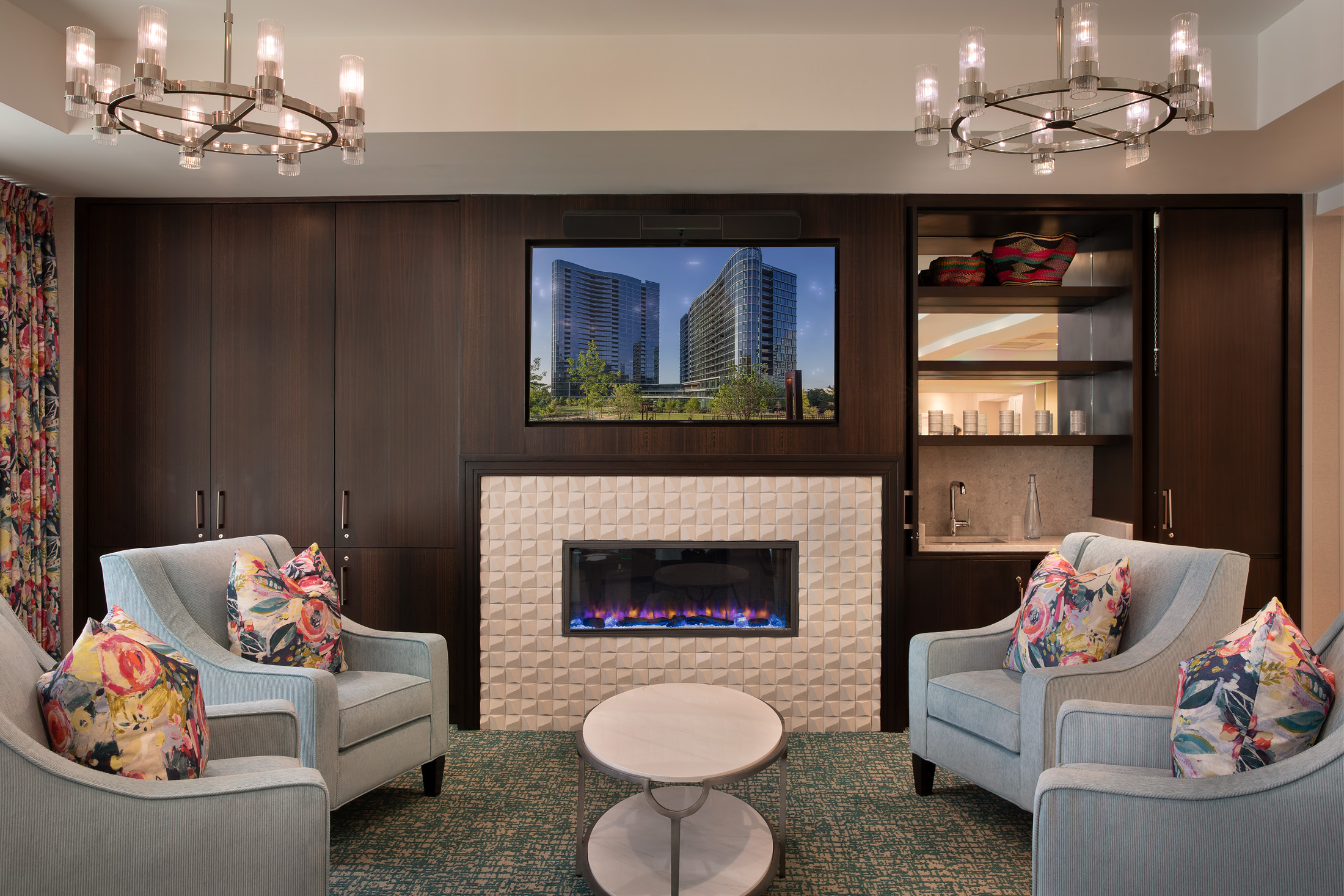
Throughout Kokua, residents enjoy a collection of thoughtfully designed spaces and top-shelf hospitality in an upscale community. Beautifully appointed gathering spaces create flexible opportunities for wellness, connection, and everyday enjoyment. A spacious outdoor terrace, demonstration kitchens, art and music studios, and more are used for an array of programs and are available to residents and their visitors. Multiple restaurants offer chef-prepared cuisine with flexible, open-hour service.
“Here at Kokua, we’re offering the next generation of care in Ādar and Miran, and it’s available to the public for a limited time,” says Davidson. Now is an ideal time to explore the personalized care and quiet luxury that Kokua at The Mather has to offer.
For more information, download a brochure at www.themathertysons.com/kokua. To schedule a visit or for additional details, contact Kokua at [email protected] or (571) 282.3650.
Sponsored
Elevated Living. Personalized Care.
Introducing Kokua at The Mather— Now Welcoming Residents

At Kokua, we believe that every stage of life holds possibilities for creativity, purpose, and growth. Located in the heart of Tysons, Virginia, Kokua offers a fresh, hospitality-driven approach to care developed by Mather, a nationally recognized pioneer in the senior living space with more than eight decades of experience. Newly opened in 2025, Kokua blends care with our research-driven approach to deliver personalized wellness tailored to individual needs.
For a limited time, Kokua is welcoming new residents seeking assisted living or memory support in the DC area with exclusive move-in incentives. Nestled in a lively urban neighborhood, our LEED-Gold certified community incorporates biophilic design that brings the outside in to enhance health and wellbeing.
THOUGHTFULLY DESIGNED SPACES
In our assisted living and memory support neighborhoods, residents enjoy a collection of thoughtfully designed spaces that feel like an upscale hospitality destination.
Multiple restaurants offer chef-prepared cuisine with flexible, open-hour service, complemented by demonstration kitchens, art and music studios, as well as gathering spaces. A spacious outdoor terrace, Marzenia Salon, and beautifully appointed amenity areas create opportunities for wellness, connection, and everyday enjoyment.
FOCUS ON PERSONALIZED WELLBEING
Residents enjoy opportunities to choose from enriching programs, meaningful social opportunities with experiences such as sensory walks, meditation, acupuncture, Reiki, songwriting workshops, poetry readings, Sensory Symphony Swim, and more.
Assisted Living in Ādar
Ādar means “respect”, and Kokua delivers. Here, our team encourages residents to be as independent as possible, for as long as possible. Each one-bedroom apartment home (ranging in size up to nearly 900 square feet) offers generous space and thoughtful design, complemented by assistance with daily living tasks and emergency response systems for peace of mind.
Memory Support in Miran
Miran means “peaceful”—another pillar in the Kokua way of life. Private suites are designed for those with mild to moderate Alzheimer’s disease, dementia, or similar cognitive conditions. Our person-centered approach embraces individual strengths and needs, with an interdisciplinary team and through social events, wellness programs, creative arts, and more.
Kokua offers the next generation of care in Ādar and Miran, true to our commitment to highly personalized service rooted in respect for each individual.
With a limited number of residences available and exclusive move-in incentives currently offered, now is an ideal time to explore the personalized care and quiet luxury that Kokua at The Mather has to offer.
Contact us today if you’re interested in learning more, download our brochure at www.themathertysons.com/kokua. You can reach us at [email protected] or (571) 282.3650.

The financial realities facing LGBTQ+ first-time buyers

‘Merrily’ is for Sondheim super fans, the uninitiated, and anyone in between

Engrossing ‘Tip Toe’ delivers tension and an ominous warning

Eliot Glazer’s new book an engaging collection of essays

Equality Chamber hosts Pride in Business Expo and Profits & Pours

Meet the LGBTQ candidates running for U.S. House, Senate

Ana Brnabić becomes world’s first openly lesbian head of state

Vote now! Best Of LGBTQ DC readers’ choice awards

Gay Va. couple hopeful voters will enshrine marriage equality in state constitution

Victory Fund board investigates former staffers’ allegations against CEO Evan Low
-

 2026 Midterm Elections4 days ago
Meet the LGBTQ candidates running for U.S. House, Senate
-
Serbia4 days ago
Ana Brnabić becomes world’s first openly lesbian head of state
-
Arts & Entertainment4 days ago
Vote now! Best Of LGBTQ DC readers’ choice awards
-
Virginia3 days ago
Gay Va. couple hopeful voters will enshrine marriage equality in state constitution