World
U.S. regains seat on U.N. Human Rights Council
Previous administration withdrew from body in 2018
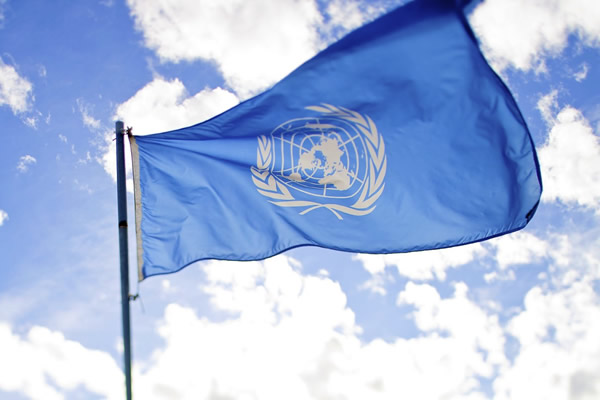
The U.S. on Thursday regained a seat on the U.N. Human Rights Council, three years after the previous administration withdrew from it.
The U.S. won election to the council alongside Argentina, Benin, Cameroon, Eritrea, Finland, Gambia, Honduras, India, Kazakhstan, Lithuania, Luxembourg, Malaysia, Montenegro, Paraguay, Qatar, Somalia and United Arab Emirates.
The council in recent years has emerged as a champion of LGBTQ rights around the world, even though Cuba and other countries with poor human rights records are among the 47 countries that are currently members. Venezuela and Russia are also on the council.
Yoan de la Cruz, a gay man who used Facebook Live to livestream the first of more than two dozen anti-government protests that took place across Cuba on July 11, remains in custody and faces eight years in prison. The Washington Blade last month spoke with several Venezuelan LGBTQ activists who said persecution forced them to flee to neighboring Colombia.
Russia’s crackdown on LGBTQ rights and the Kremlin’s close relationship with Chechen President Ramzan Kadyrov continue to spark criticism around the world.
Then-U.S. Ambassador to the U.N. Nikki Haley during a 2018 press conference that announced the U.S. withdrawal from the council noted Cuba and other countries “with unambiguous and abhorrent human rights record” are members. Haley also said the council has a “chronic bias against” Israel.
U.S. Ambassador to the U.N. Linda Thomas-Greenfield on Thursday in a statement said LGBTQ rights will be one of the U.S.’s focuses once it officially rejoins the council on Jan. 1.
“Our initial efforts as full members in the Council will focus on what we can accomplish in situations of dire need, such as in Afghanistan, Burma, China, Ethiopia, Syria and Yemen,” she said. “More broadly, we will promote respect for fundamental freedoms and women’s rights, and oppose religious intolerance, racial and ethnic injustices, and violence and discrimination against members of minority groups, including LGBTQI+ persons and persons with disabilities. And we will oppose the council’s disproportionate attention on Israel, which includes the council’s only standing agenda item targeting a single country.”
President Biden in February issued a memorandum that commits the U.S. to promoting LGBTQ rights abroad.
The previous White House tapped then-U.S. Ambassador to Germany Richard Grenell to lead a campaign that encouraged countries to decriminalize consensual same-sex sexual relations, but many LGBTQ activists in the U.S. and around the world have questioned its effectiveness. The Washington Blade in August filed a federal lawsuit against the State Department that seeks Grenell’s emails around his work on the decriminalization initiative.
“The President and Sec. Blinken have put democracy and human rights—essential cornerstones of peace and stability—at the center of our foreign policy,” said State Department spokesperson Ned Price on Thursday after the U.S. regained a seat on the council. “We have eagerly and earnestly pursued these values in our relationships around the world.”
“We will use our position to renew the council’s focus on the core human rights principles enshrined in the Universal Declaration of Human Rights and the U.N. Charter, which undergird the council’s founding,” added Price at the beginning of his daily press briefing. “Our goal is to hold the U.N. Human Rights Council accountable to the highest aspirations of its mandate and spur the actions necessary to carry them out.”



Egypt
Egyptian authorities refuse to allow gay cruise to dock in country
Scarlet Lady earlier this week blocked from visiting Turkey
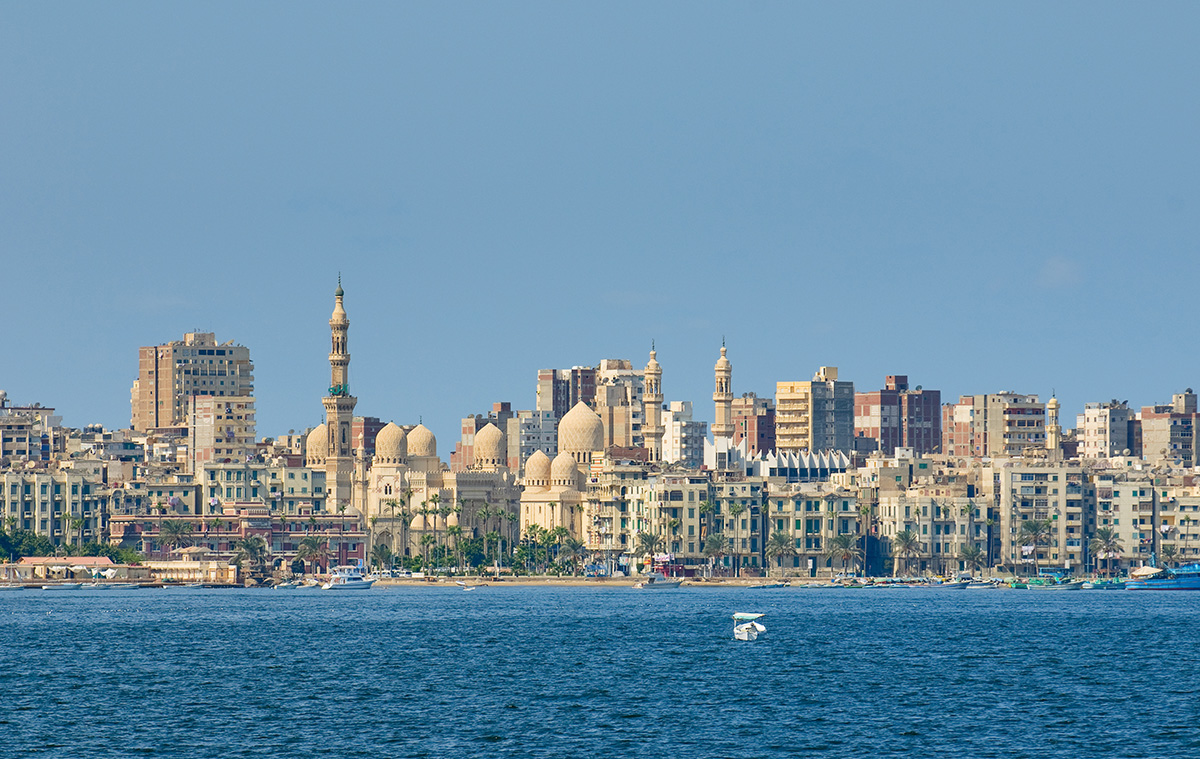
Egyptian authorities have refused to allow a gay cruise to dock in the country.
The Scarlet Lady, a Virgin Voyages ship that Atlantis Events chartered, was to have docked in Alexandria, a port city on the Mediterranean Sea. The Washington Blade obtained a letter that Atlantis Events President Rich Campbell sent to passengers on Thursday, hours before the cruise was to have arrived.
“Early this morning, we were informed that Scarlet Lady has been denied entry into Egyptian waters and, as a result, will no longer be able to call in Alexandria today,” he wrote.
“I know how much this visit meant to so many of you,” added Campbell. “We successfully sailed a similar itinerary last year, so we were surprised by this unfortunate decision.”
Campbell noted “both the Atlantis and Virgin Voyages teams worked tirelessly to make this call in Alexandria a possibility.”
“This news came as a surprise to all of us, and we’re just as disappointed as you are,” he said.
The 10-day cruise left Athens on July 5. It is scheduled to end in Trieste, Italy, on July 15.
The ship had been scheduled to dock in Kusadasi, a Turkish resort town on the Aegean Sea, and Istanbul earlier this week. Turkish authorities refused to allow it in the country.
Former Tempe, Ariz., Mayor Neil Giuliano, who is an LGBTQ+ Victory Institute board member, is among those on the cruise.
“Just a few hours before arriving in Alexandria, Egypt — a city founded by and named for one of the ancient world’s best-known homosexuals — government authorities rescinded permission for our ship of 2,000 gay men to enter Egypt,” wrote Steve May, who is also on the ship, on Thursday in a Facebook post.
Alexander the Great founded Alexandria in 331 B.C.
“As with Turkey, we have been sent away not because of what we did, but because of who we said we are,” said May. “‘I am what I am’ is too much liberty for some to bear. So it was in the United States as well not long ago, where even I ended up as a convicted homosexual after a military trial in 2001 for saying ‘I am gay.’ This is just a reminder that for all the progress we have made, our freedom is never secure — for any of us, regardless of who or how we love. Back to Europe!”
Discrimination and persecution based on sexual orientation and gender identity is commonplace in Egypt. The Egyptian Football Association, along with the Football Federation Islamic Republic of Iran, objected to playing in the World Cup’s “Pride Match” that took place in Seattle on June 26.
Netherlands
Dutch prime minister scheduled to open World Pride human rights conference
Rob Jetten is country’s first openly gay head of government
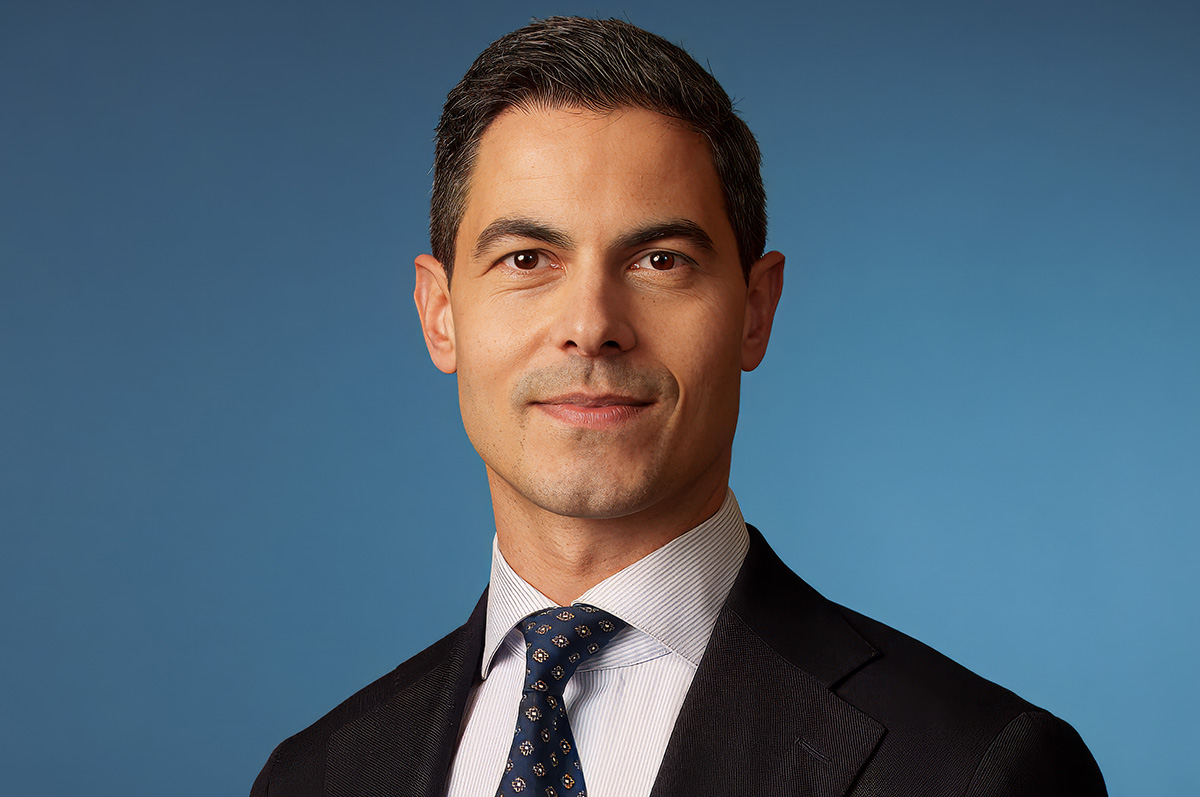
Dutch Prime Minister Rob Jetten is scheduled to open this year’s World Pride Human Rights Conference in Amsterdam.
Organizers in a July 1 press release said Jetten will open the conference on Aug. 5. Amsterdam Mayor Femke Halsema; South African Deputy Minister for Women, Youth, and People with Disabilities Steve Letsike; former Venezuelan National Assemblywoman Tamara Adrián; and Graeme Reid, the independent U.N. expert on LGBTQ and intersex issues, are among those who are also expected to participate in the gathering that will end on Aug. 7.
Jetten, 39, in February became the Netherlands’s first openly gay prime minister.
His centrist D66 party won the country’s elections last October. Geert Wilders’s far-right Party for Freedom narrowly lost.
Jetten took office after he formed a coalition government that includes the center-right Christian Democrats and the center-right People’s Party for Freedom and Democracy.
World Pride will take place in Amsterdam from July 25-Aug. 8.
Turkey
Turkish authorities refuse to allow gay cruise to dock in country
Atlantis Events-chartered ship included stops in Kusadasi, Istanbul
Update: Egyptian authorities on Wednesday blocked the ship from docking in Alexandria, a port city on the Mediterranean.
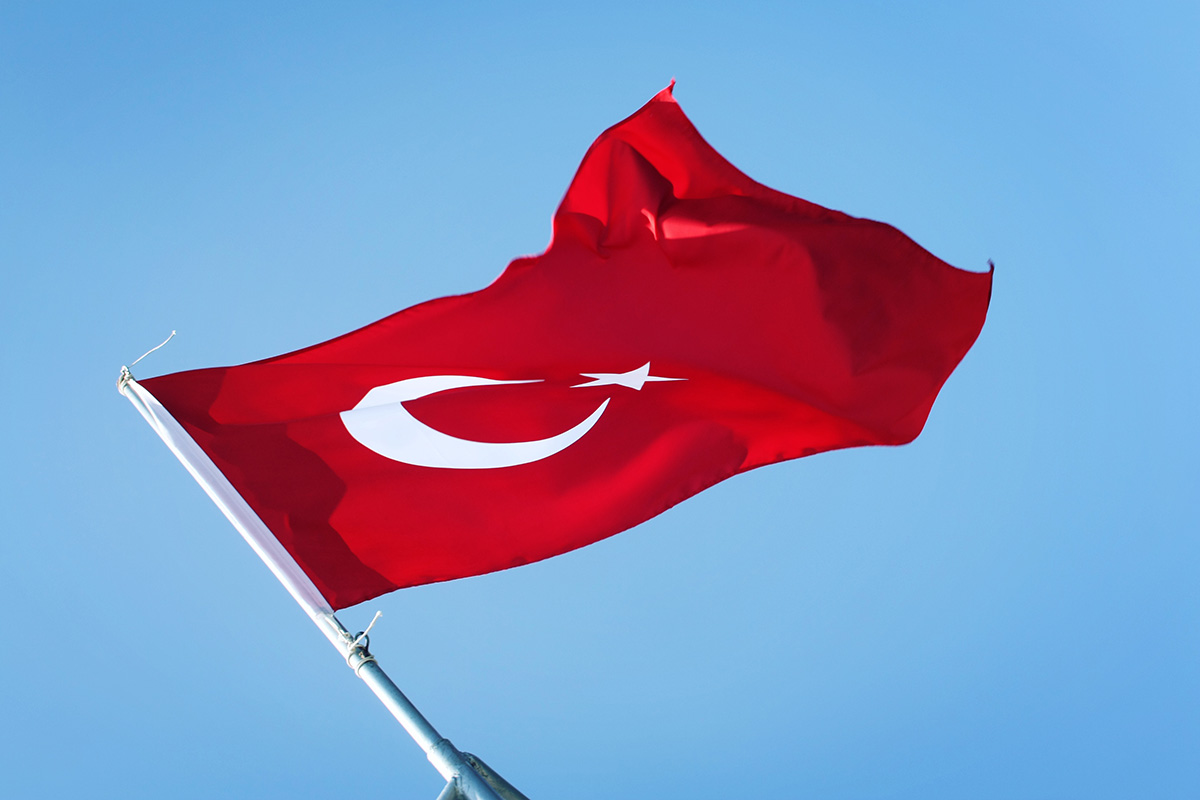
Turkish authorities have refused to allow a gay cruise to dock in the country.
The Scarlet Lady, a Virgin Voyages ship that Atlantis Events chartered, departed Athens on Sunday. The 10-day cruise is scheduled to end in Trieste, Italy, on July 15.
The ship had been scheduled to dock in Kusadasi, a Turkish resort town on the Aegean Sea, on Tuesday. It was then slated to sail to Istanbul on Wednesday.
Officials in Aydin Province in which Kusadasi is located on June 28 posted a statement on X that confirmed the decision not to allow the Scarlet Lady to dock in Turkey.
Authorities noted the “groups” behind the cruise are “known for behaviors that do not align with the structure of our society and our moral values.” The June 28 statement also says the scheduled docking “caused great discomfort in various segments of our society.”
BASIN AÇIKLAMASI
Basın yayın organları ve sosyal medya platformlarında gündeme gelen, toplumumuzun yapısıyla ve ahlaki değerlerimizle örtüşmeyen davranışlarıyla bilinen gruplarca kiralanan bir kruvaziyer gemisinin 7 Temmuz 2026 tarihinde Aydın Kuşadası Limanınına planlamış… pic.twitter.com/MHqN0NoXHI
— T.C. Aydın Valiliği (@AydinValiligi) June 28, 2026
Atlantis Events in a statement on its website said the company has “been informed by the Turkish authorities that Atlantis will not be permitted to dock in Kusadasi or Istanbul during this voyage.”
“As a result, we have had to alter our sailing itinerary somewhat,” it reads.
The statement notes the cruise will now stop in Alexandria, Egypt, and Crete.
“Both ports have excellent opportunities for exploration and enjoyment and have been favorites of ours for years,” it reads.
(Discrimination and persecution based on sexual orientation and gender identity is commonplace in Egypt. The Egyptian Football Association, along with the Football Federation Islamic Republic of Iran, objected to playing in the World Cup’s “Pride Match” that took place in Seattle on June 26.)

Patti LuPone, who is performing on the cruise, sharply criticized the Turkish government over its decision.
“The Atlantis cruise I am performing on next week, has been banned from entering Turkey,” she said on her Facebook page on July 2. “A ship — a magnificent ship — full of well-heeled gay men. And me. Denied entry to Turkey simply because of who is on board. I am furious, but I am sailing, as the ship will make other ports of call. I am ready to perform for all the wonderful men on this Atlantis cruise, who deserve so much better than this.”
Atlantis Events CEO Rich Campbell told the Washington Post that his company’s cruises have visited Turkey more than a dozen times over the last two decades.
“We’re there to shop, be great tourists, spend money,” he said. “It’s always a culturally respectful group.”
Campbell further noted Turkey could lose at least $1 million in tourism revenue over its decision.
“The bigger damage to Turkey is when you start picking and choosing who’s allowed to enter, and your economy depends on tourism, you’re creating a standoff between tourists and yourself,” he told the Post. “And you run the risk of alienating a lot of potential tourists.”
The Washington Blade on Monday reached out to Campbell for additional comment.

Campaign launched to elect more LGBTQ candidates to ANC seats

Gay librarian to discuss new novel at Green Lantern

Calendar: July 10-16

Gay Fla. Democrat Elijah Manley sees opportunity in Trump’s second term

Ron Singer, owner of popular Mount Vernon gay bar Leon’s, dies

In Trump’s divided America, Michael Weinstein’s AHF responds

Turkish authorities refuse to allow gay cruise to dock in country

When a church fears the rainbow

PHOTOS: Crush Dance Bar