Arts & Entertainment
Cobalt celebrating 10 years
Amanda LePore slated for Saturday anniversary appearance
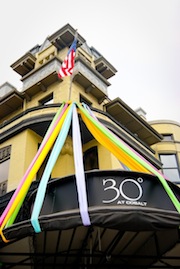
Cobalt (Blade file photo by Pete Exis)
Cobalt is celebrating its 10th anniversary this weekend — or at least the birthday of the business in its present incarnation.
In the late ‘90s, it opened as Cobalt with the Town/Tracks/original Halo team (John Guggenmos/Ed Bailey) owning it. After a fire — current manager Mark Rutstein thinks it was in about 1999 — it was closed for two years before Eric Little bought it and reopened it. It’s a big season for Little’s businesses — JR.’s just turned 25.
A Saturday party is planned from 10 p.m. to 3 a.m. Trans legend Amanda LePore will perform at 11:30 with her first performance in the area since she was at BeBar about three years ago. Oren Mizri, a Miami DJ, will spin and local DJ Tom from Prague will also spin. Vodka-based drinks are free from 10:30-11:30 p.m. A laser light show will be presented at midnight and the outside of the building will be illuminated.
Cobalt, which contains the second floor 30 Degrees area and the restaurant Level One in its lower level, is seeing an era of resurgence over the last three years, Rutstein says.
“Eric was trying to sell it a few years ago but it didn’t sell right away and he was like, ‘You know what, I’m gonna hang onto this a little while.’ [JR.’s manager] Dave Perruzza was trying to run this and JR.’s and you just can’t do that and be effective.”
Rutstein says he turned things around by “listening to what people want.”
Weekly events like martini Sundays and Mondays, Tuesday Flashback, Wednesday karaoke, Thursday “best package contests” with Ba’Naka and weekly happy hour specials are staples of the bar/club.
And long gone is the no-heels rule. Was that really to protect the floor or was it meant as a deterrent to women and drag queens?
“I can’t answer that, but that rule is long gone,” Rutstein says. “Everybody is welcome here.”
Cobalt has about 70-80 people on staff for the entire building with about 11 different DJs on average spinning throughout the week. Visit cobaltdc.com for details.




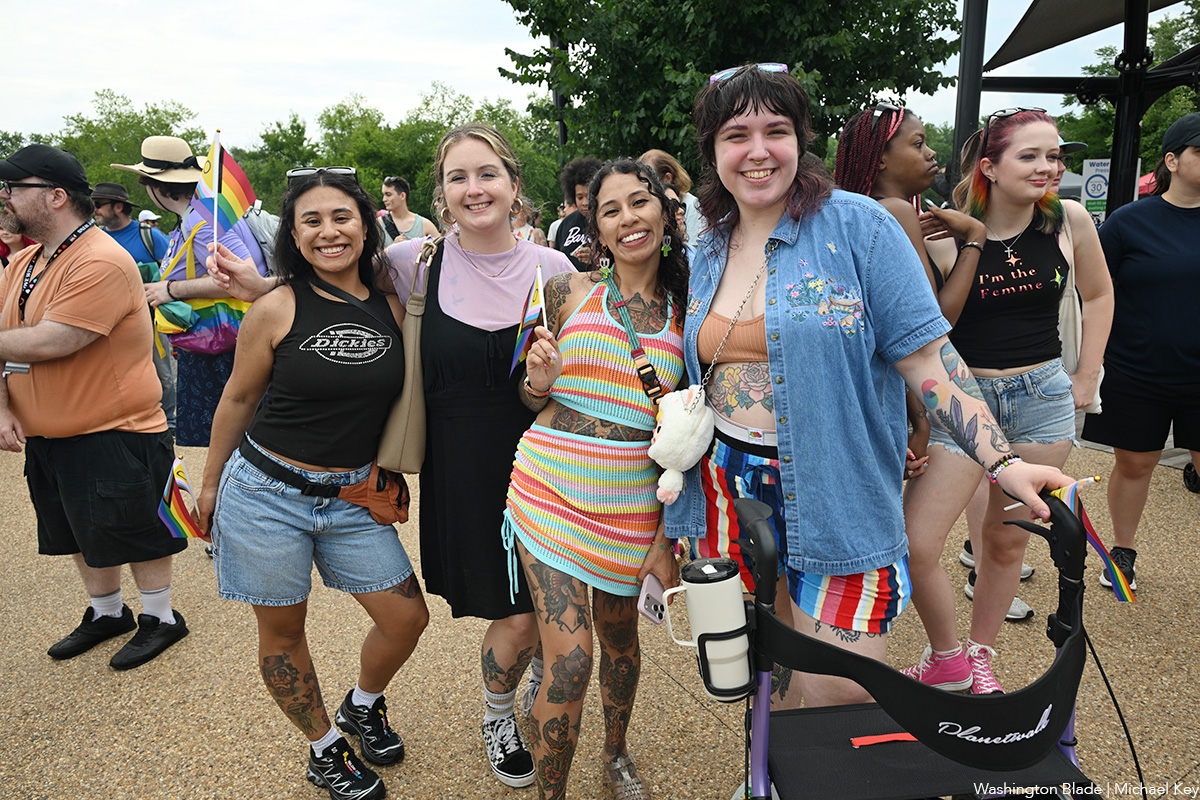
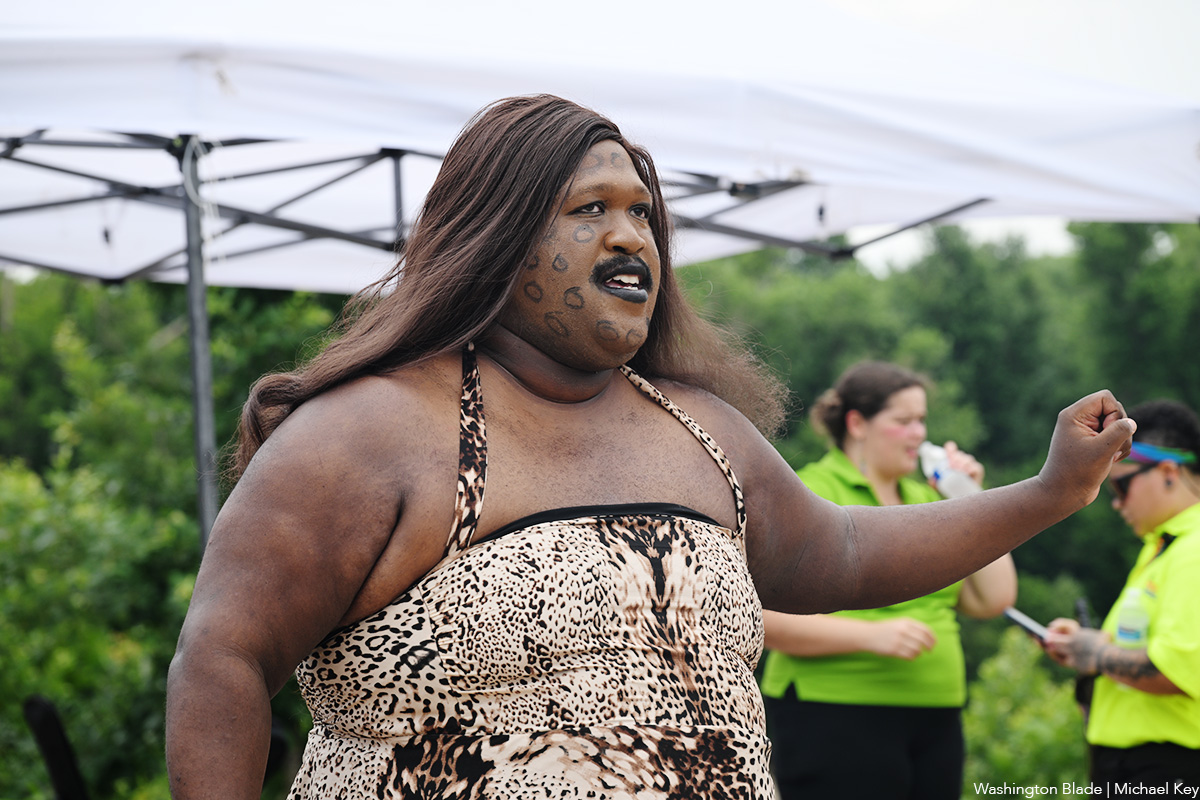
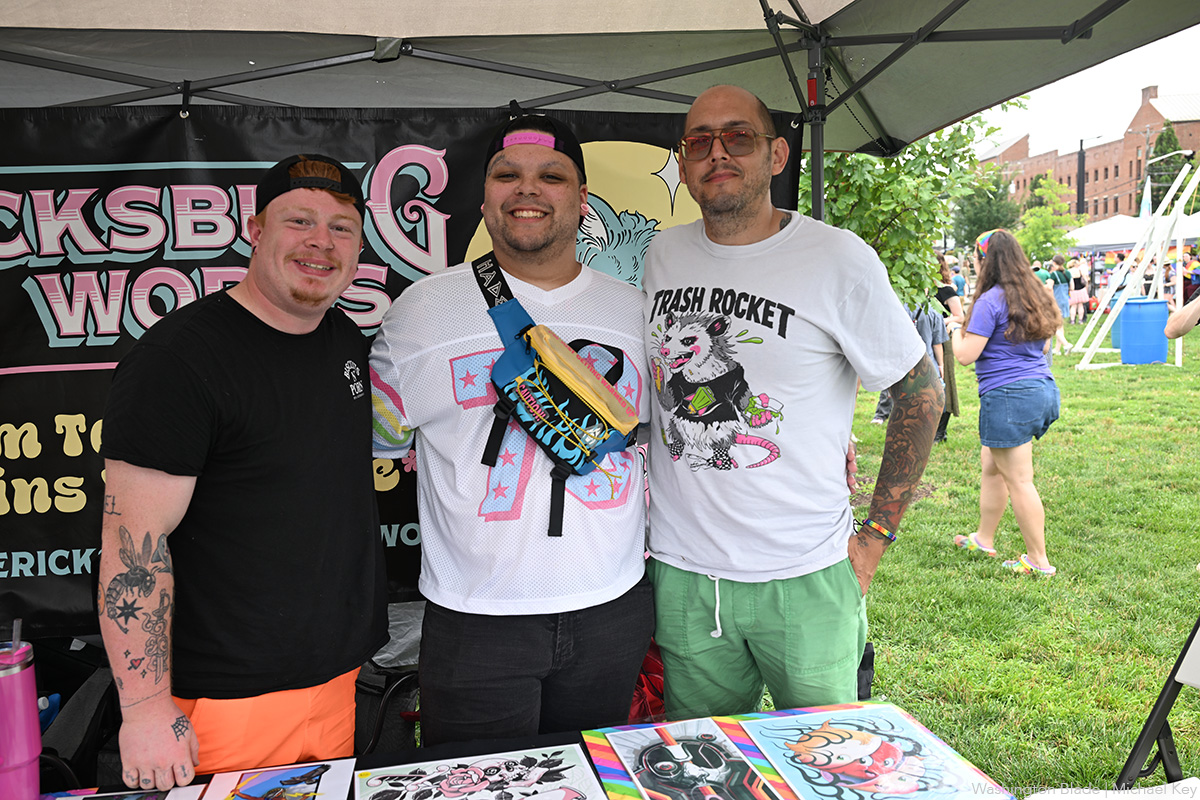
The 13th annual Frederick Pride Festival was held at Carroll Creek Park in Frederick, Md. on Saturday, June 27.
(Washington Blade photos by Michael Key)


View on Threads


Photos
PHOTOS: Fredericksburg Pride March and Festival
LGBTQ celebration held in historic Virginia town

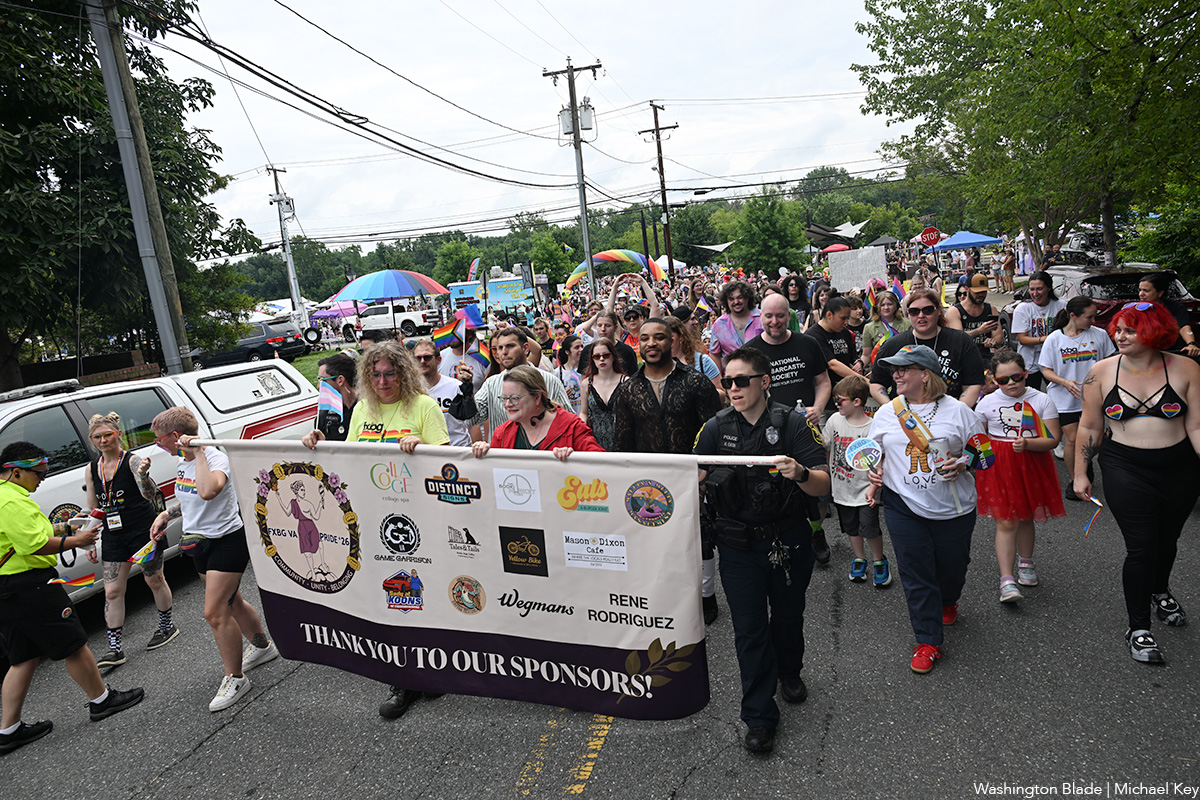
The sixth annual Fredericksburg Pride March was held in downtown Fredericksburg, Va. on Saturday, June 27. Stafford County Board of Supervisors Chair Deuntay Diggs led the march alongside Fredericksburg City Council Member Jannan W. Holmes. The Fredericksburg Pride Festival took place at Riverfront Park after the march. Bree Fram was the featured speaker.
(Washington Blade photos by Michael Key)




View on Threads






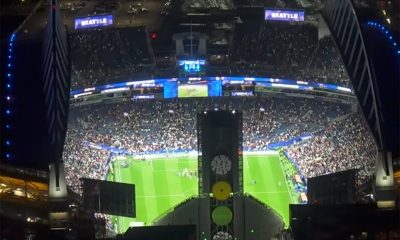
Iran and Egypt on Friday faced off during the World Cup’s “Pride Match” in Seattle.
Iran is among the handful of countries in which consensual same-sex sexual relations remain punishable by death. Discrimination and persecution based on sexual orientation and gender identity is commonplace in Egypt.
Friday’s match coincided with Pride weekend in Seattle. The Egyptian Football Association and the Football Federation Islamic Republic of Iran both objected to playing in the “Pride Match.”
Egypt and Iran tied 1-1.
FIFA, for its part, allowed Pride flags inside the stadium during the match.
“The FIFA World Cup 2026 is an inclusive event that welcomes people from all backgrounds,” a FIFA spokesperson told the Washington Blade in a statement. “Fans of all sexual orientations and gender identities are welcome at matches and events. General statements of human rights, including rainbow flags and other flags representing sexual orientation and gender identity, are permitted under the FIFA World Cup 2026™ Stadium Code of Conduct and may be displayed inside stadiums provided they are used in a manner consistent with the code.”
Human Rights Watch welcomed FIFA’s decision to allow Pride flags inside the stadium. Outright International, a global LGBTQ and intersex rights group, distributed Pride flags in Seattle on Friday, which was Pride Match Day.
“Visibility matters,” said Outright International Executive Director Maria Sjödin. “Pride is now being celebrated in more than 100 countries, including this weekend in Seattle. For many LGBTIQ people, seeing a Pride flag in public is a reminder that they are not alone, and that their rights and dignity are recognized.”
FIFA President Gianni Infantino earlier this year told Die Weltwoche, a Swiss magazine, that “there will be no ‘Pride Match’ at the (FIFA) World Cup.”
“There will be a FIFA World Cup match in Seattle, and on the same day, events organized by external organizations will be taking place in the city,” said Infantino. “But that has nothing to do with the match itself.”
Peter Tatchell, a long-time LGBTQ activist from the U.K. who is director of the Peter Tatchell Foundation, was among those who traveled to Seattle for Friday’s match. Tatchell accused FIFA of not vetting World Cup teams — specifically Iran, Egypt, Saudi Arabia, Ghana, Senegal, Qatar, Tunisia, Morocco, Iraq, Uzbekistan, and Algeria — over whether they would allow gay players.
“FIFA is protecting LGBT+ visibility in the stands while failing to protect LGBT+ players on the pitch,” said Tatchell.

Actually, I’m gay and I’m queer. It matters

Centenares de personas participan en la Marcha del Orgullo en la capital salvadoreña

Delaware approves amendment protecting same-sex marriage

ACLU says trans athletes ruling is narrower than many believe

Gay US couple among four people found dead in Mexico mass grave

Iran, Egypt play in World Cup ‘Pride Match’

PHOTOS: Frederick Pride Parade

D.C. has a chance to lead on equitable transit through AVs

Carla Hall goes from ‘Top Chef’ to the stage