Arts & Entertainment
Dialing up 901
Gay-owned Penn Quarter restaurant delights with creative entrees
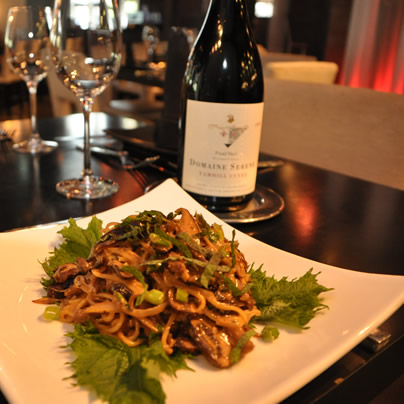
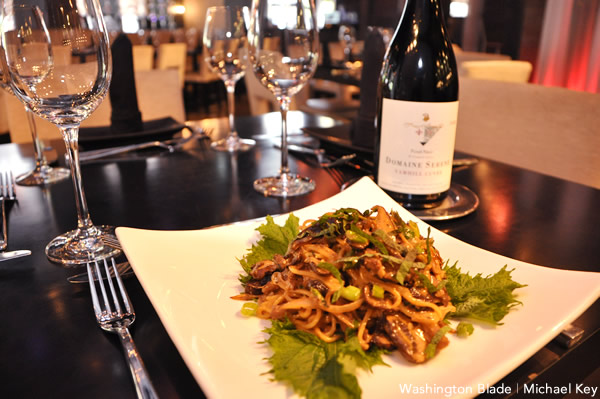
Mushroom Rahgou, a dish at 901. (Blade photo by Michael Key)
901 Restaurant + Bar (901 9th St., N.W.), is a new Penn Quarter eatery owned by gay D.C. businessman David von Storch. From the moment you step in, you get the sense this won’t be an ordinary dinner, and you’re right. As soon as you arrive, you become a part of the show — a well-choreographed one with moments of unexpected magic and drama.
My partner and I walked in on a Saturday evening. We were whisked to our seats even though another person joining us had not yet arrived. At first, I was disappointed because I was hoping to be seated in the sleek-yet-comfortable waiting area that lurked behind the hostess stand. Our table in the dining area, however, was just as aesthetically pleasing. The dining room is creatively divided into separate eating areas with sheer fabric and lights. From it, you can see the open kitchen with the chefs bustling around. The feel is warm, rich and dramatic.
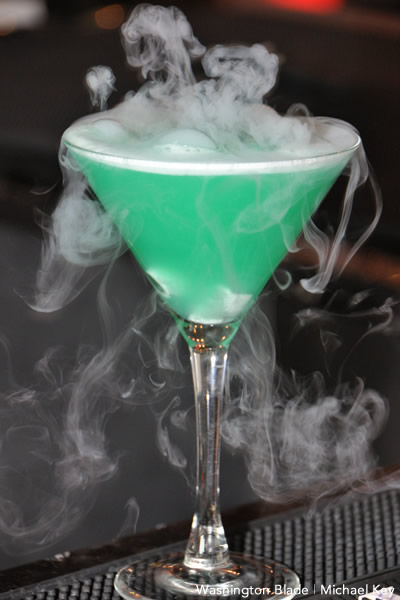
Envy (Blade photo by Michael Key)
We were delighted by the fact that when you open the menu it lights up. A simple “magic trick” that is both thoughtful and cool. 901 Restaurant + Bar staff brews their own beer so one of us selected the 901 Lager, which was a clean non-hoppy lager that was good but not extraordinary. Two of us selected the “Envy.” When the drinks arrived, the brilliant show continued, because while it is not indicated on the menu, the “Envy” is served over dry ice and arrived at the table bubbling and smoking. The dry ice made this simple-yet-tasty drink noteworthy and I recommend having one just for the fun of it.
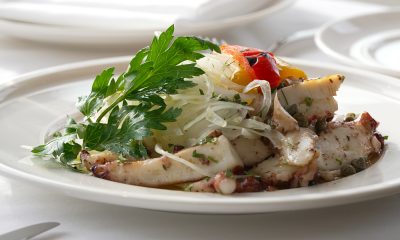
The menu is designed for sharing so we selected a few items to split; the Kobe Beef Sliders with smoked cheddar and spicy aioli; the Roasted Hoisin Duck Roll with mozzarella wasabi cilantro sauce and Thai chili crème; the Seared Scallop Risotto with wild mushroom asparagus risotto, bacon jam and sweet soy drizzle; and the Yaki Soba Mushroom Ragout. And since we were having a wide range of foods, we decided to accompany the meal with a white wine — the Trimbach Reserve Pinot Gris.
The Kobe Beef Sliders were light and fluffy, perfectly cooked, though somewhat short on flavor. I hoped to taste some of the smoked cheddar or the spice in the aioli. The scallops were quite good and the risotto they were served over was divine. The duck rolls were delightful with the rich flavor of the meat and warmth of the wasabi sauce and chili cream proving a delightful combination.
The winning dish of the evening was the vegetarian Yaki Soba Mushroom Ragout. It was earthy, rich and perfectly balanced — a real treat that paired perfectly with the crispy citrus flavors of the wine. Overall, a very good meal.
The dessert menu was as tempting as the rest. The dessert sampler had coffee and donuts, cheesecake with sour cherries, caramel and chocolate cake and chocolate chipotle brulee. The two strongest desserts on the plate by far were the cheesecake and the brulee. The rich and creamy cheesecake is made with ricotta and goat cheese; the sour cherry compote, candied orange and black cherry balsamic brought this dessert together perfectly with a delicious melding of flavors in every bite. The brulee, with its mixed berries, hazelnuts, Chantilly cream and strawberry coulis was the other star of the plate. The rich warmth of the chocolate chipotle and the refreshing coolness of the berries was an excellent way to end a meal.



Online Culture
Clavicular charged in alleged rape of teenage influencer
Online personality’s real name is Braden Peters
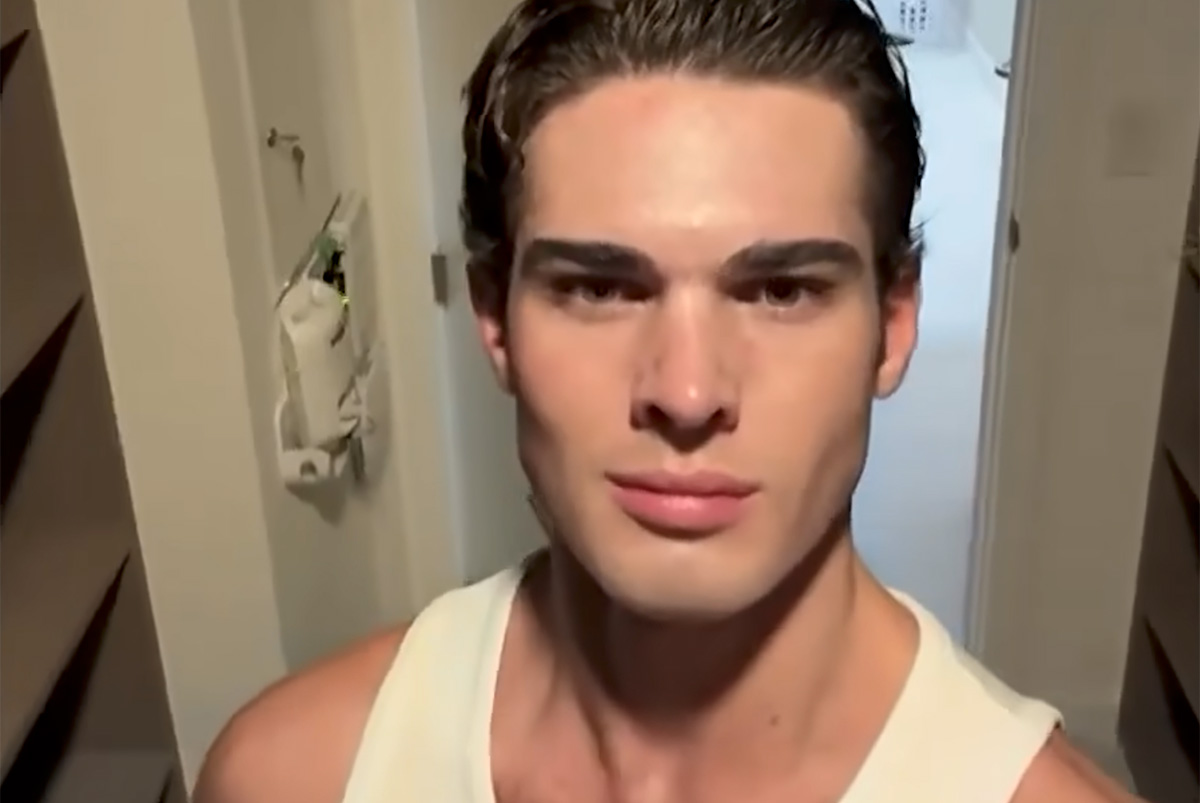
Online personality Clavicular, whose real name is Braden Peters, has been accused of rape.
According to NBC, Aleksandra Vasilevna Mendoza, an 18-year-old influencer known online as Alorah or Alorah Ziva, accused Peters of sexual assault, and the case is making its way through the court system.
The alleged incident occurred on May 23, 2025, when Mendoza was 17.
According to a criminal complaint from the Chatham (Mass.) Police Department, Peters called her an Uber to his family’s home. Once there, he allegedly got her drunk on vodka while they livestreamed on Twitch and then raped her. His mother and grandmother were allegedly in the house.
The documents allege Clavicular committed rape, drugging a person for sexual intercourse, and procuring and providing liquor to a person under 21.
According to court documents acquired by NPR, Mendoza began communicating with Peters on Instagram, where he paid her to appear on his livestreams to help her “make her name known on social media.”
According to those documents, Peters arranged for the minor to come to Cape Cod home to participate in a videostream for his 437,000 followers on Kick, 1.2 million followers on TikTok, and more than 1 million followers on Instagram.
At his home, Peters allegedly instructed Mendoza to say she was 18 on his videostream and to claim the alcohol on camera was water instead of vodka. Mendoza said she felt peer-pressured to drink the spirit and that she became noticeably intoxicated after a couple of drinks.
The allegations go on to state that after stopping the stream, Peters and Mendoza kissed on a couch and then had sex in his bed without her consent. Mendoza said she did not receive a sexual assault forensic exam after the incident. NPR does not name alleged victims of sexual assault.
The charges come months after Mendoza sued Peters in Miami, accusing him of sexual battery in connection with the events of May 2025. The civil lawsuit also separately alleges that he injected her face with a non-FDA-approved fat-dissolving substance during a November livestream in Florida.
Peters is known for his “looksmaxxing” concept of vanity, which is at the core of his online presence. The “looksmaxxing” culture he has helped cultivate combines elements of incel culture and heterosexuality, with the stated goal of attracting the opposite sex. He has gone as far as to say he has undergone “bonesmashing,” or hitting his own face with a hammer; taken anabolic steroids to more rapidly grow muscle; and used crystal meth as an appetite suppressant.
At the same time, looksmaxxing has been described as having elements of homoeroticism, with “looksmaxxers” appearing more concerned with impressing other men than women. Peters has multiple times pointed to openly gay actor Matt Bomer as the gold standard for male facial aesthetics.
Peters’s arraignment is scheduled for Oct. 14.
Photos
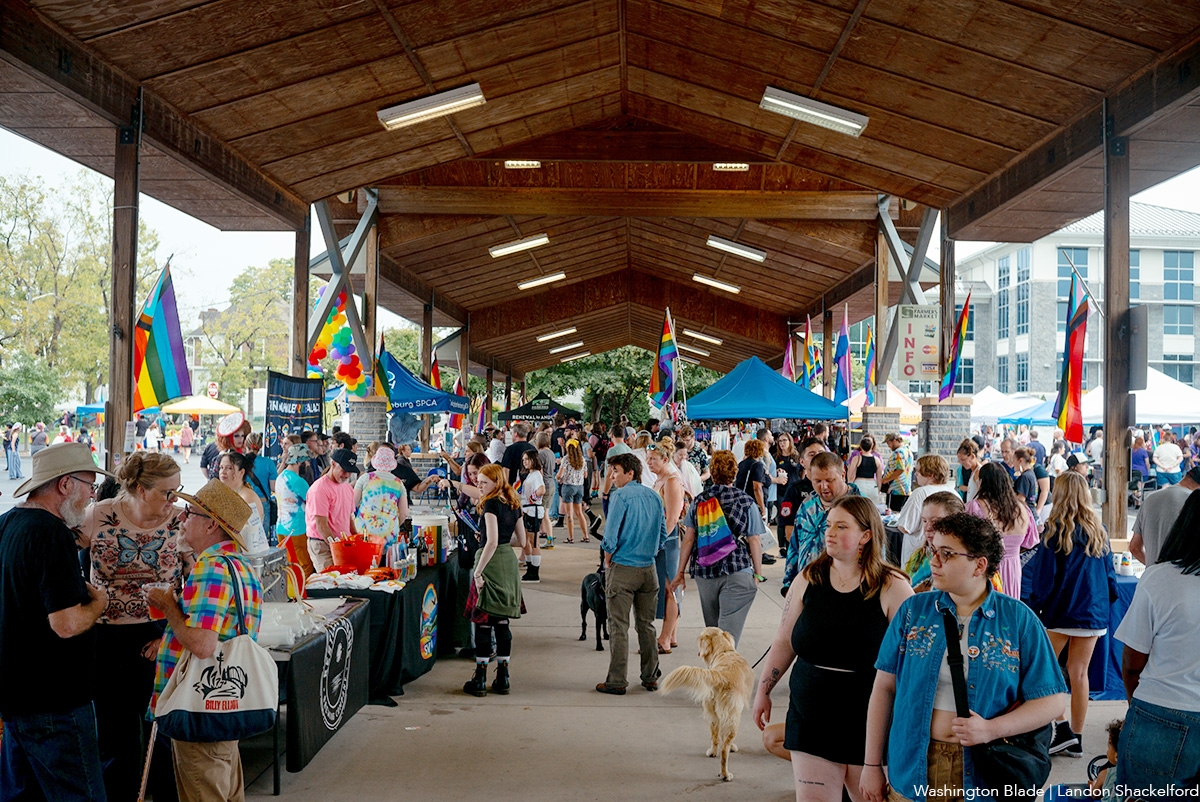
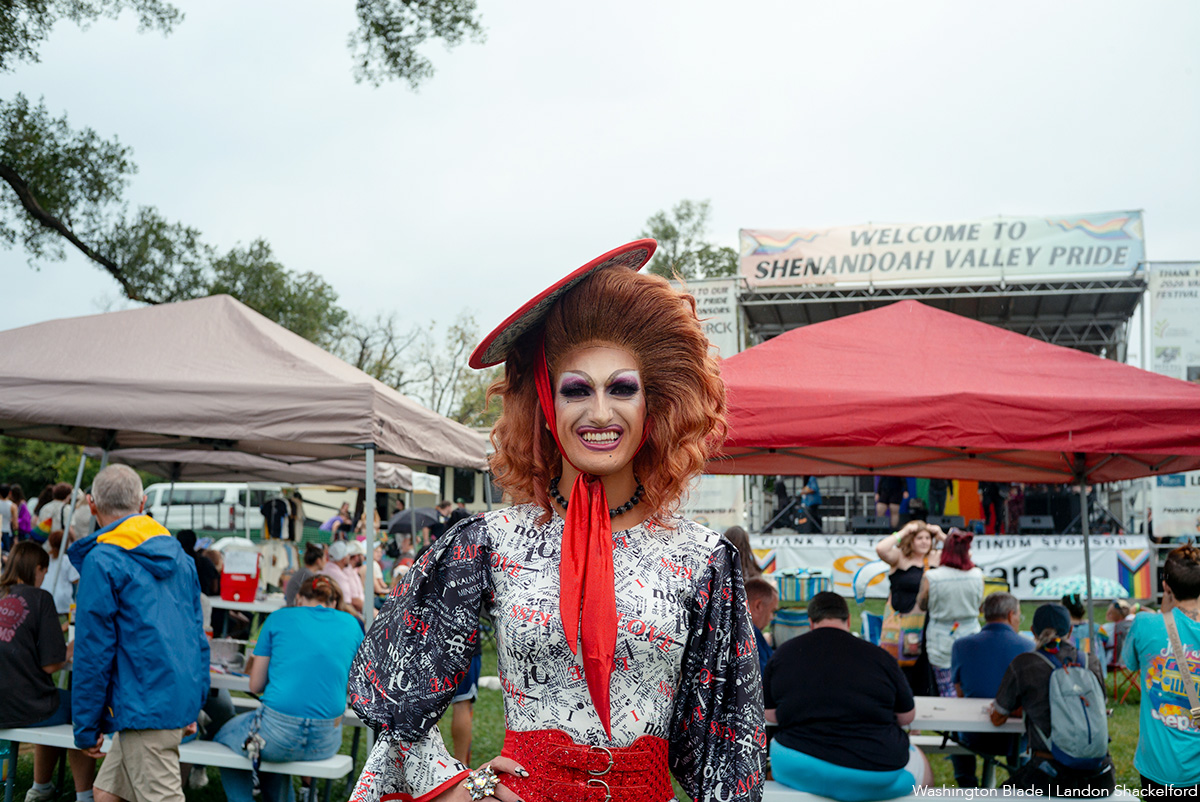
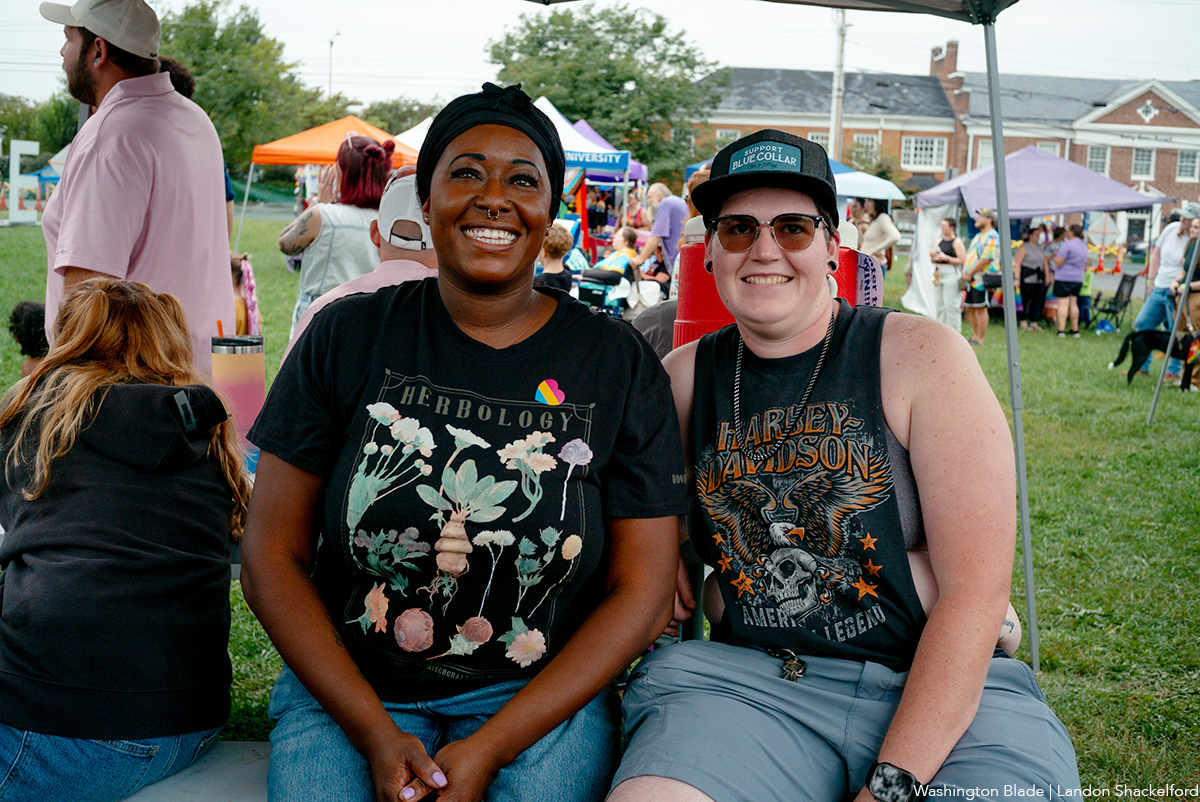
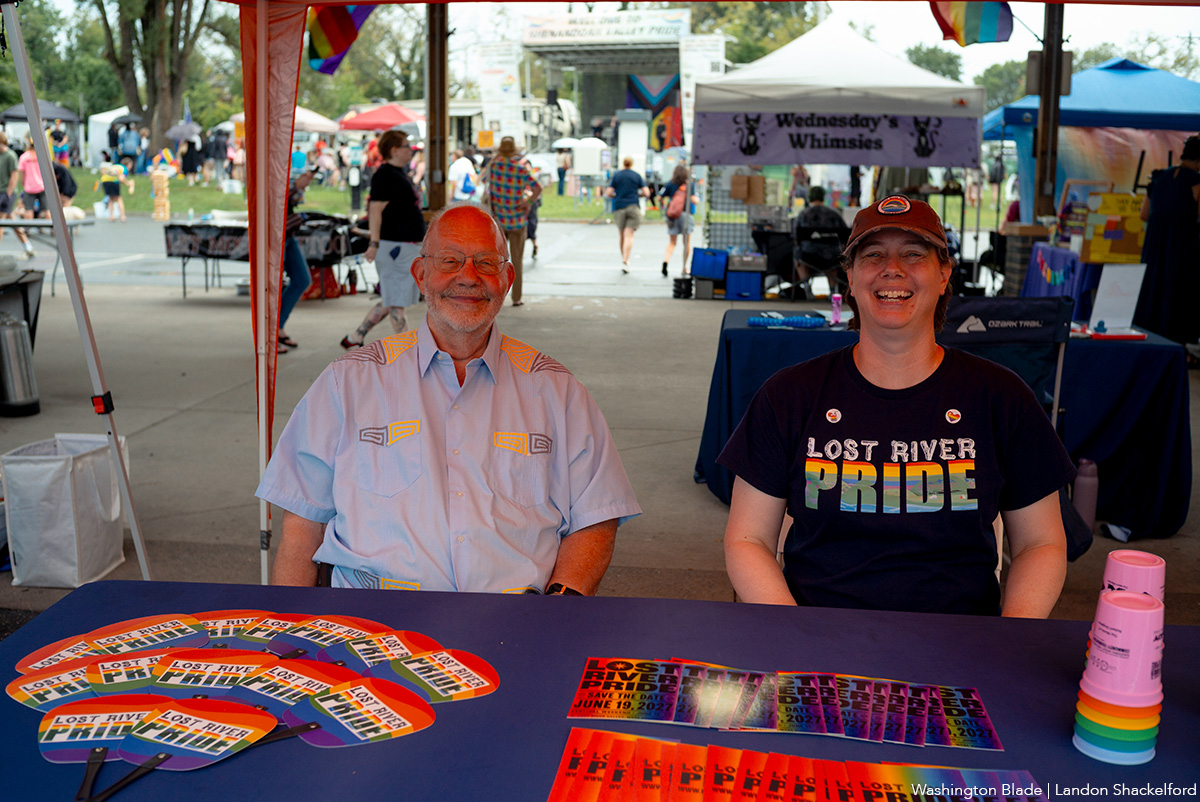
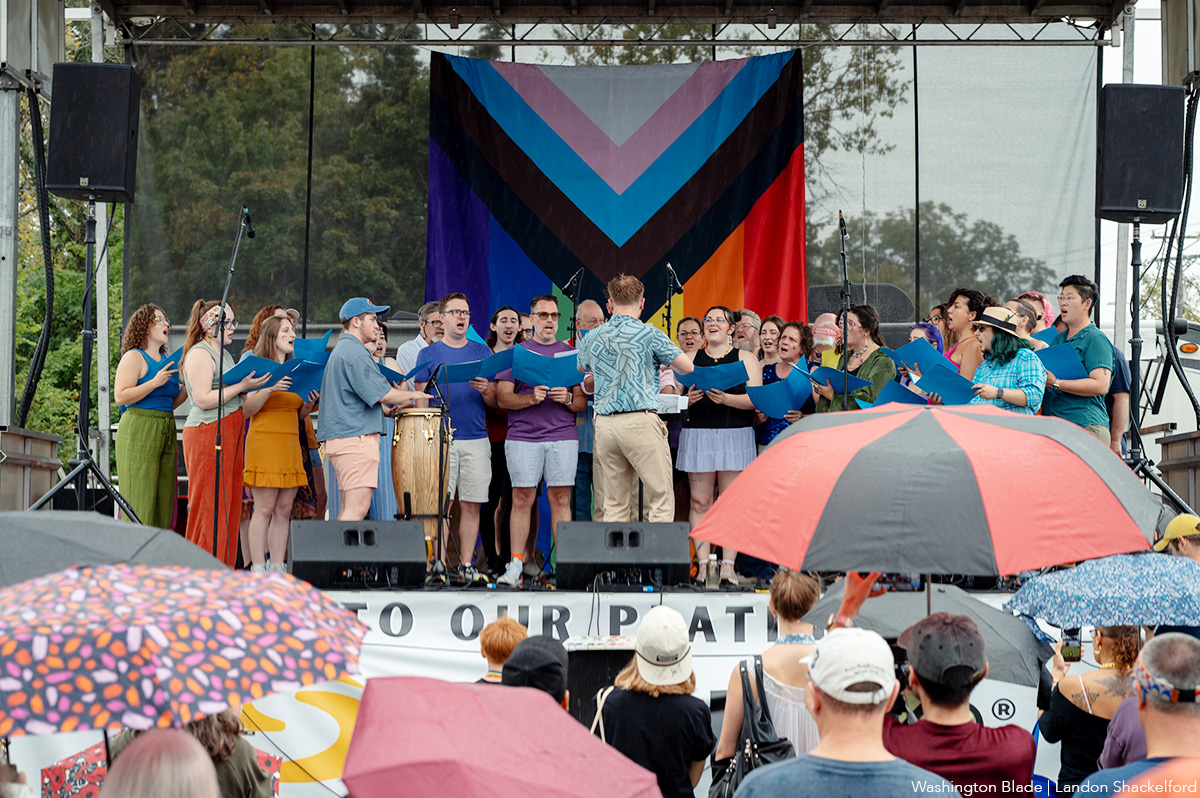
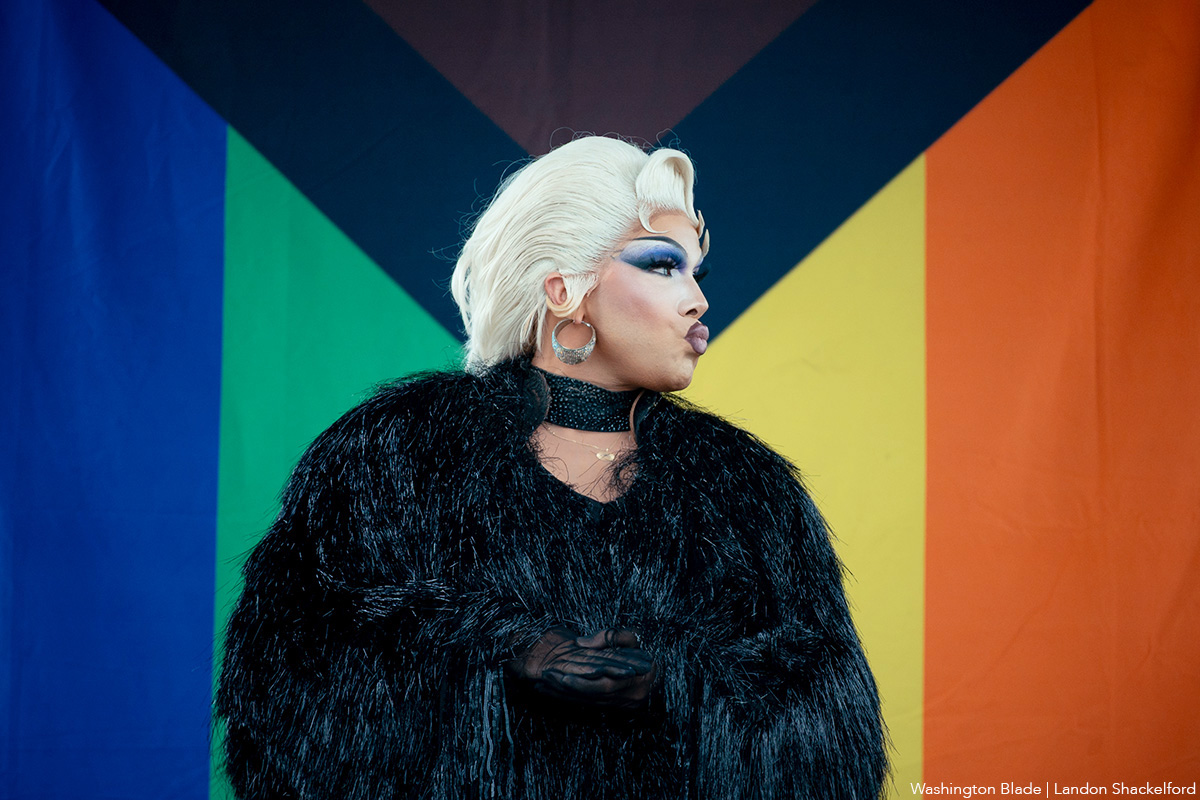
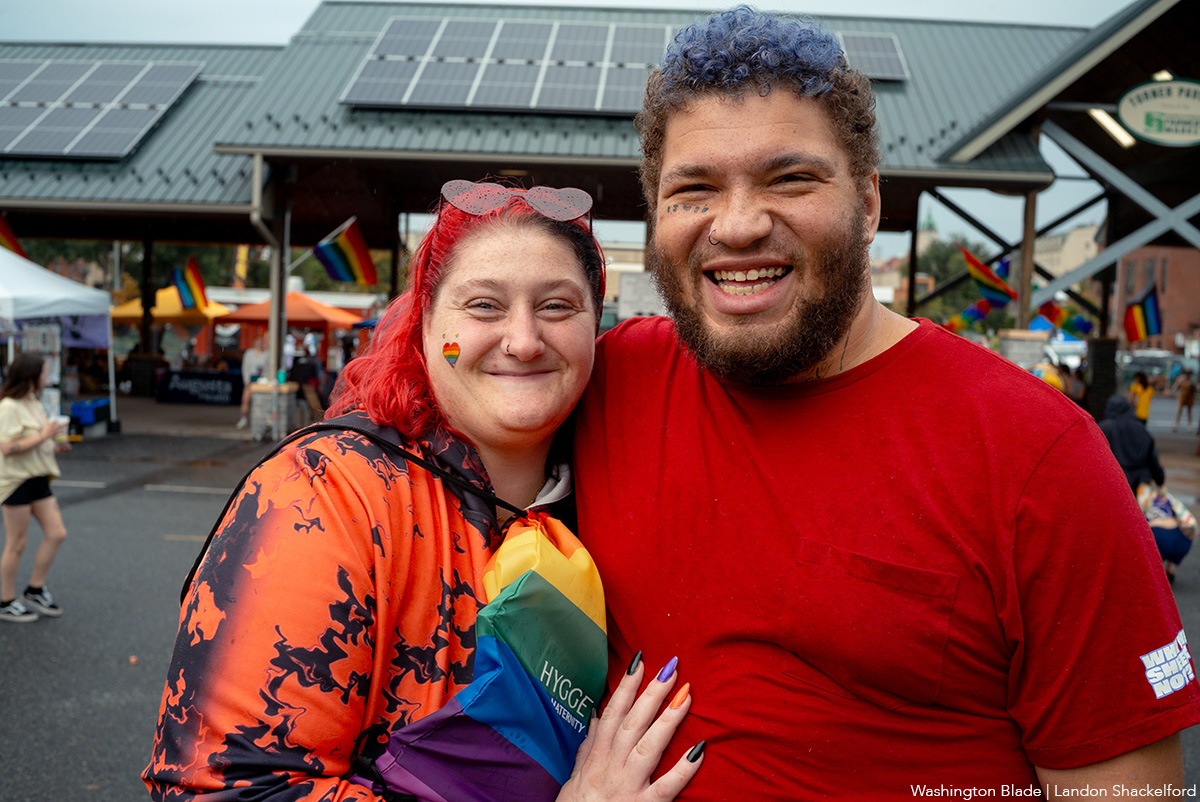
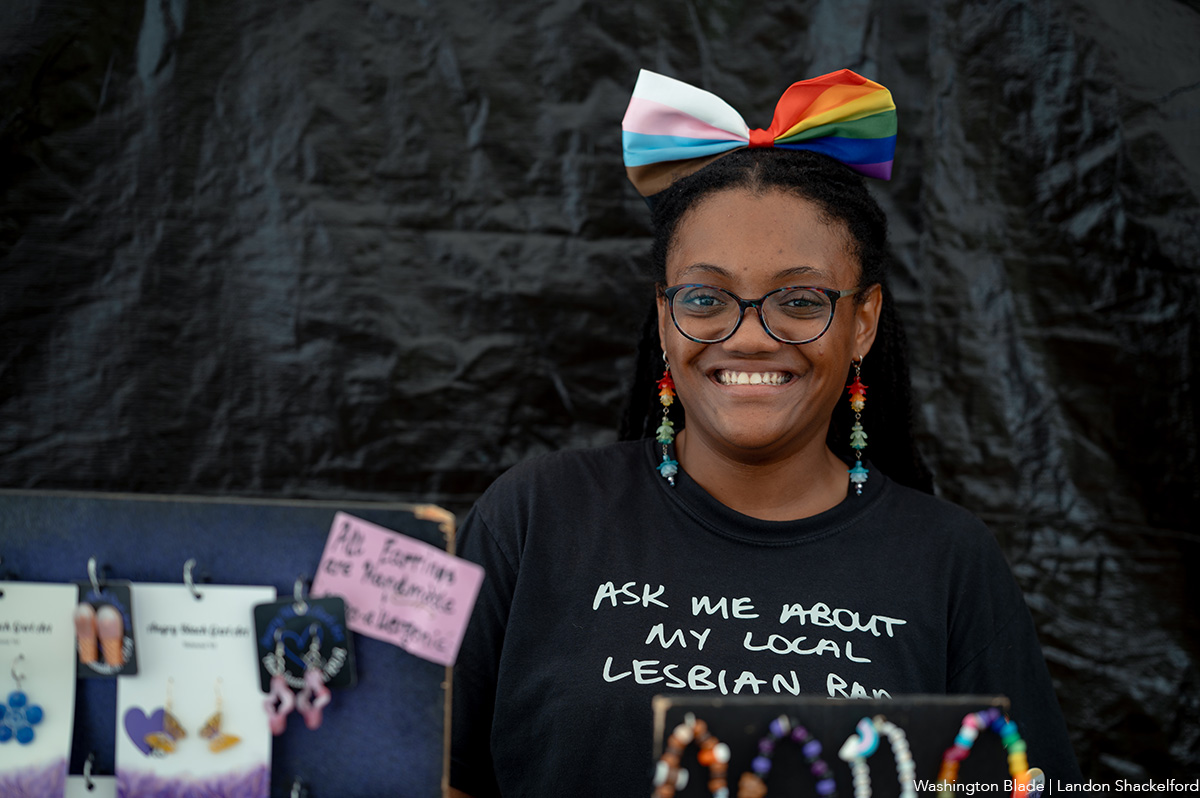
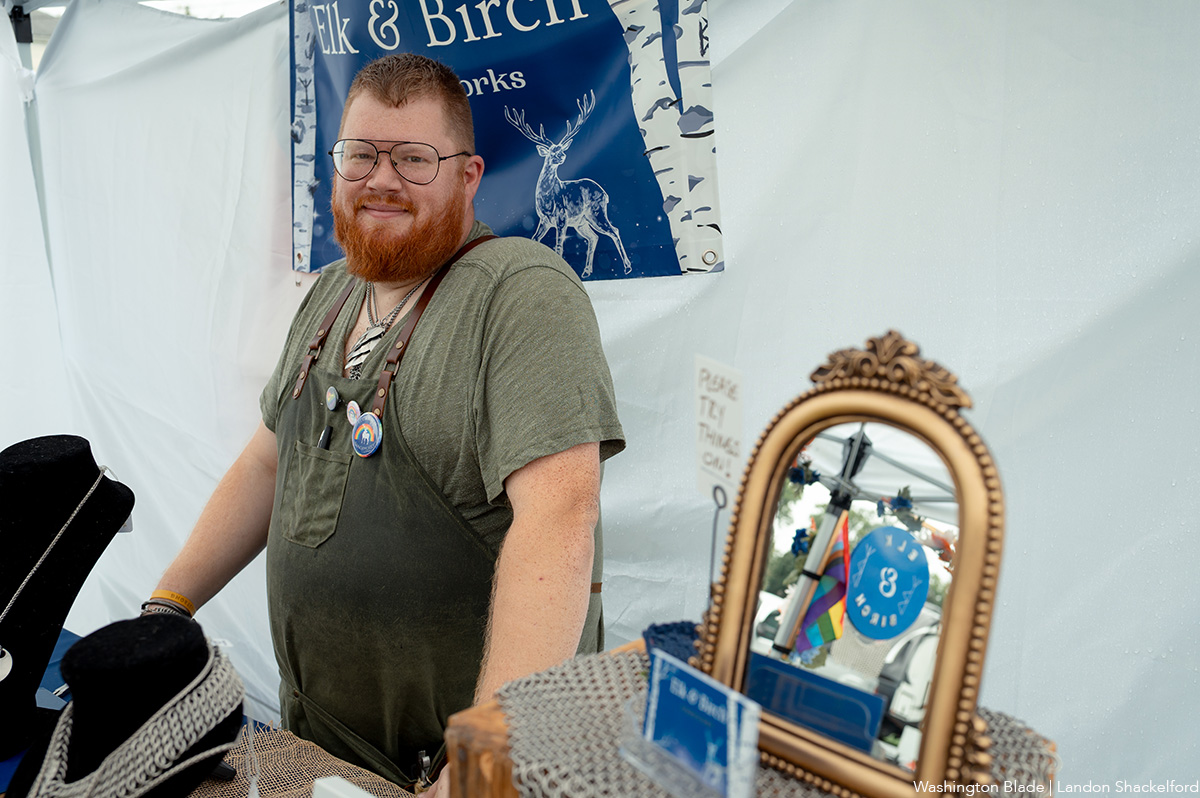
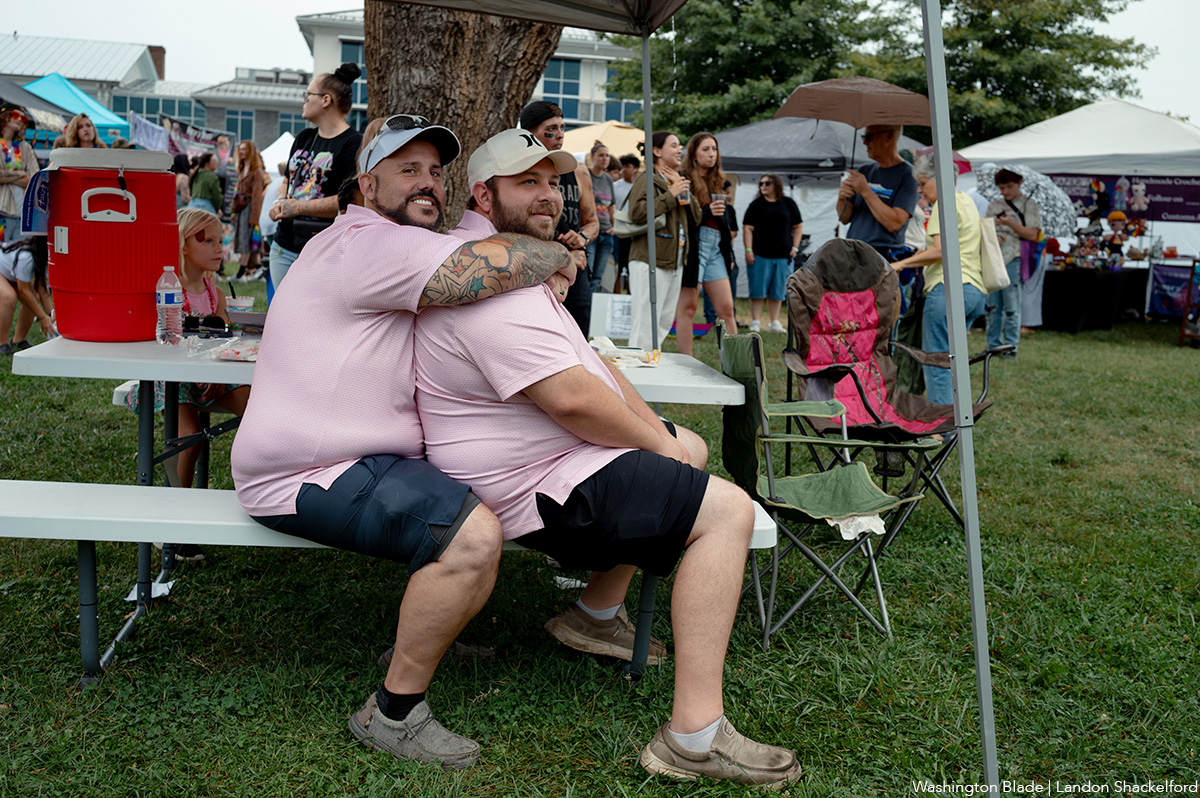
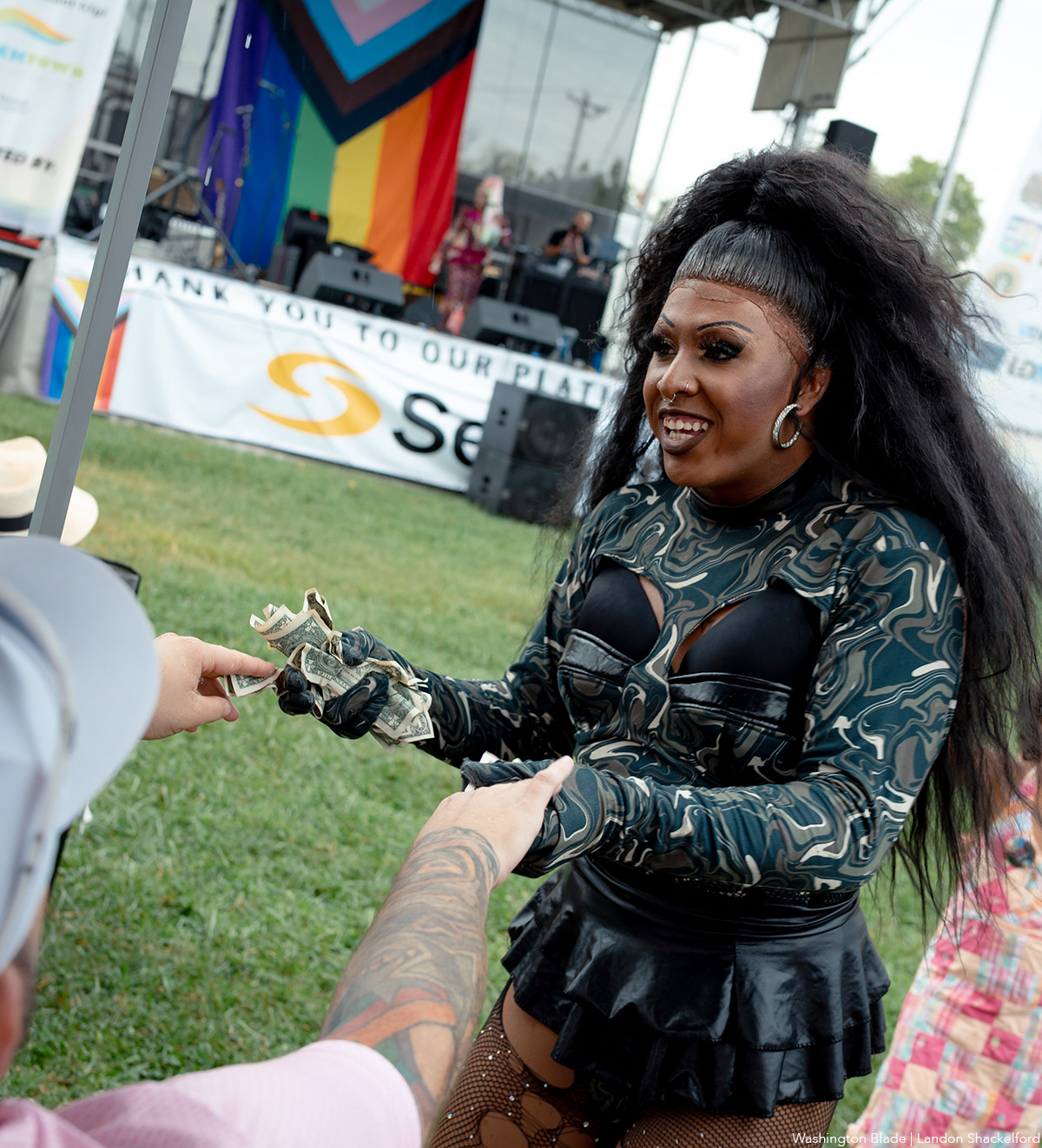
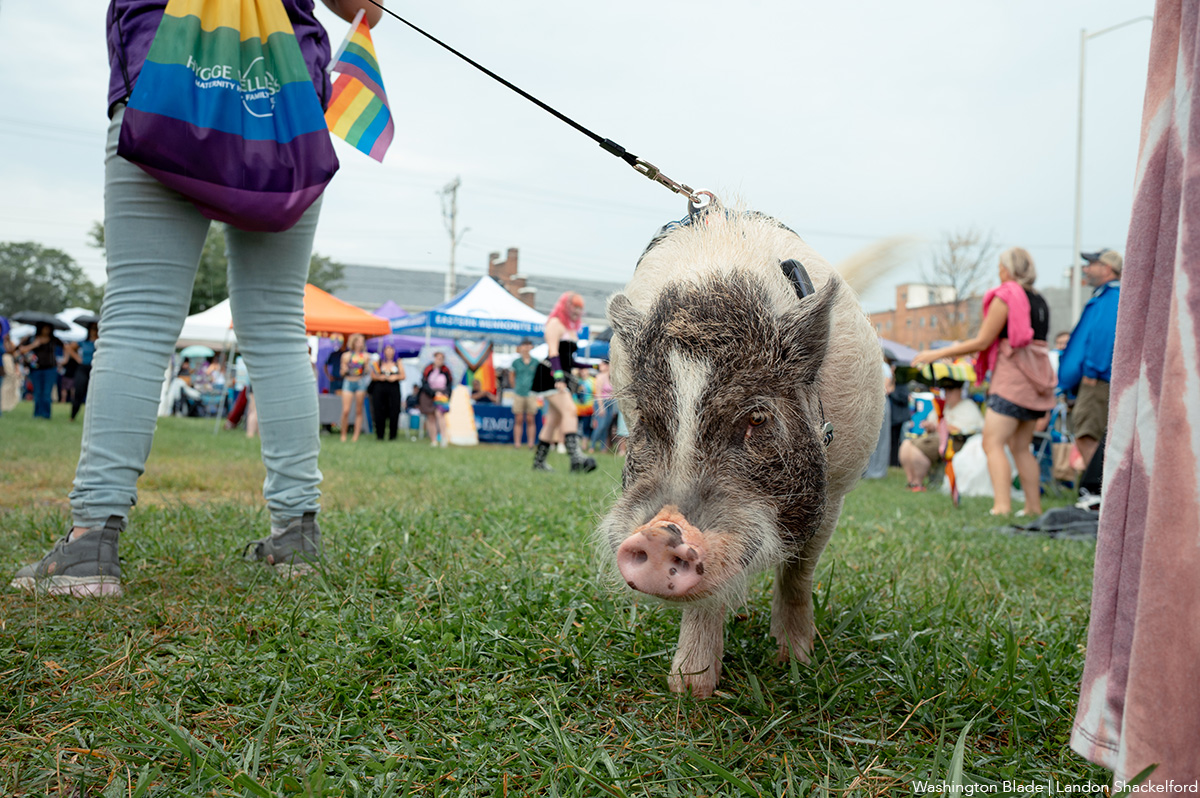
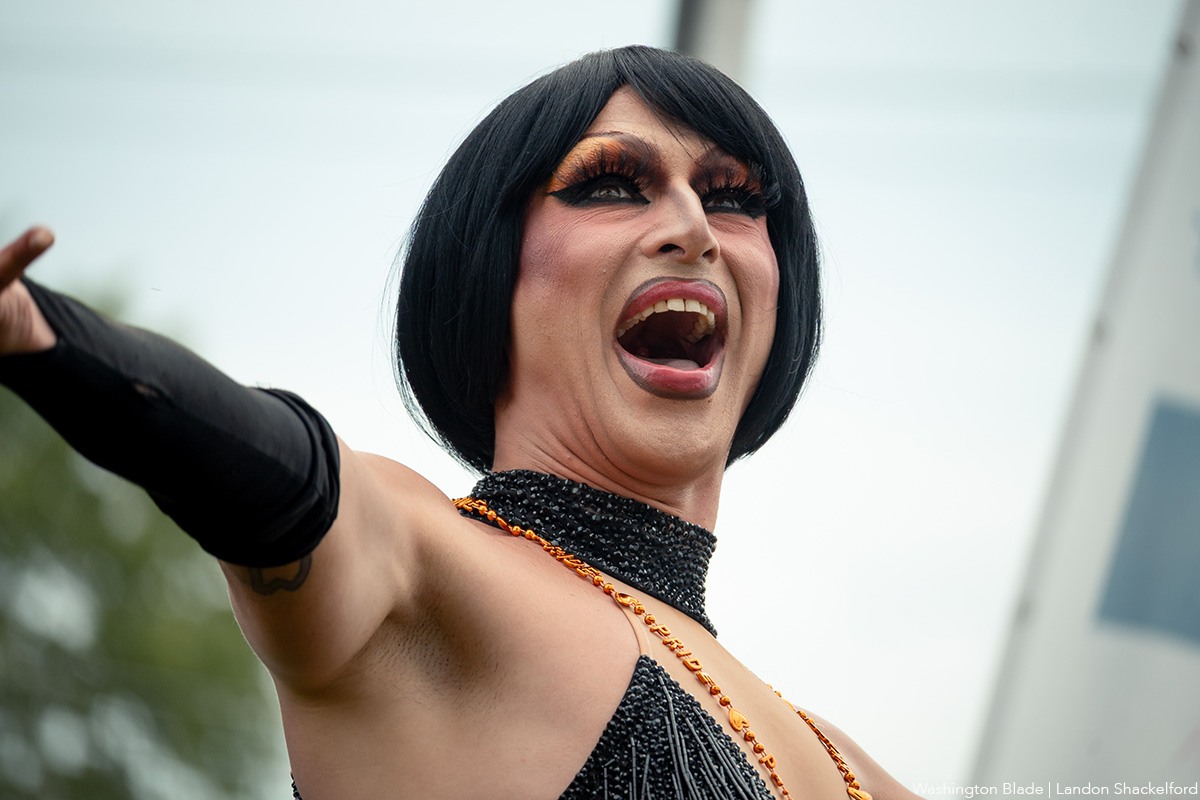
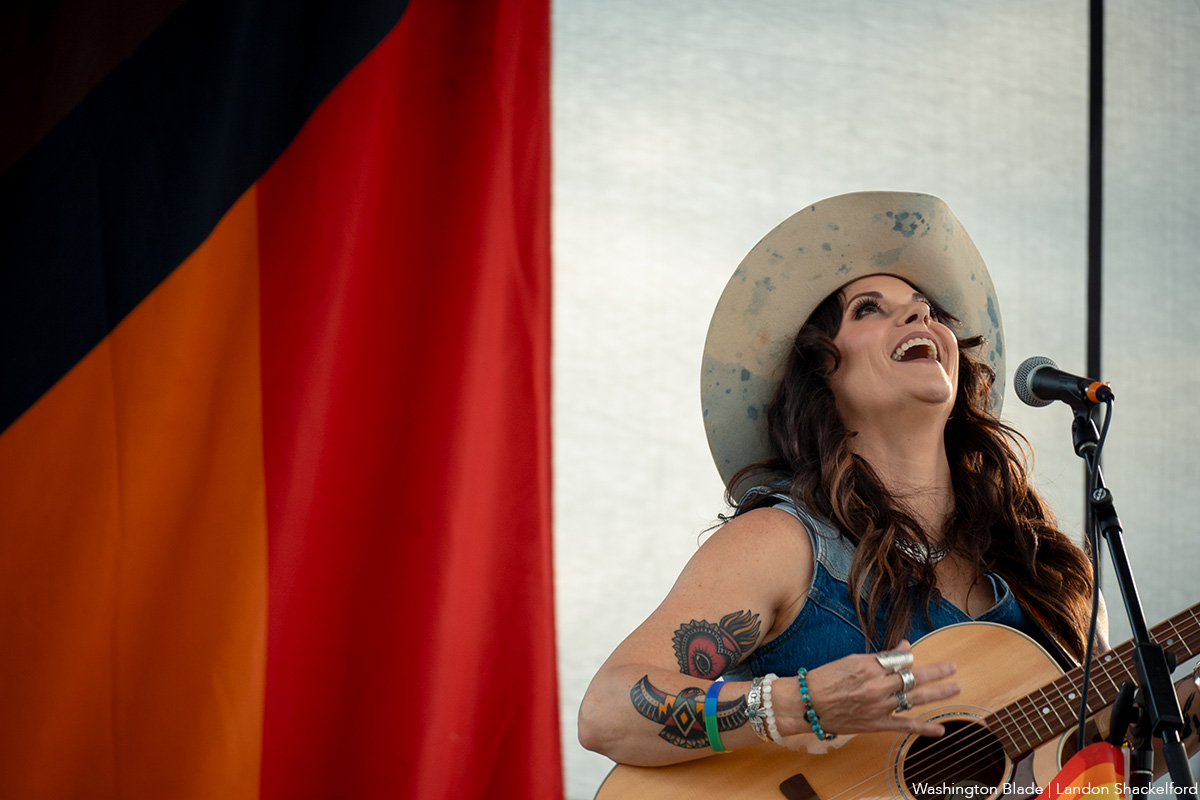
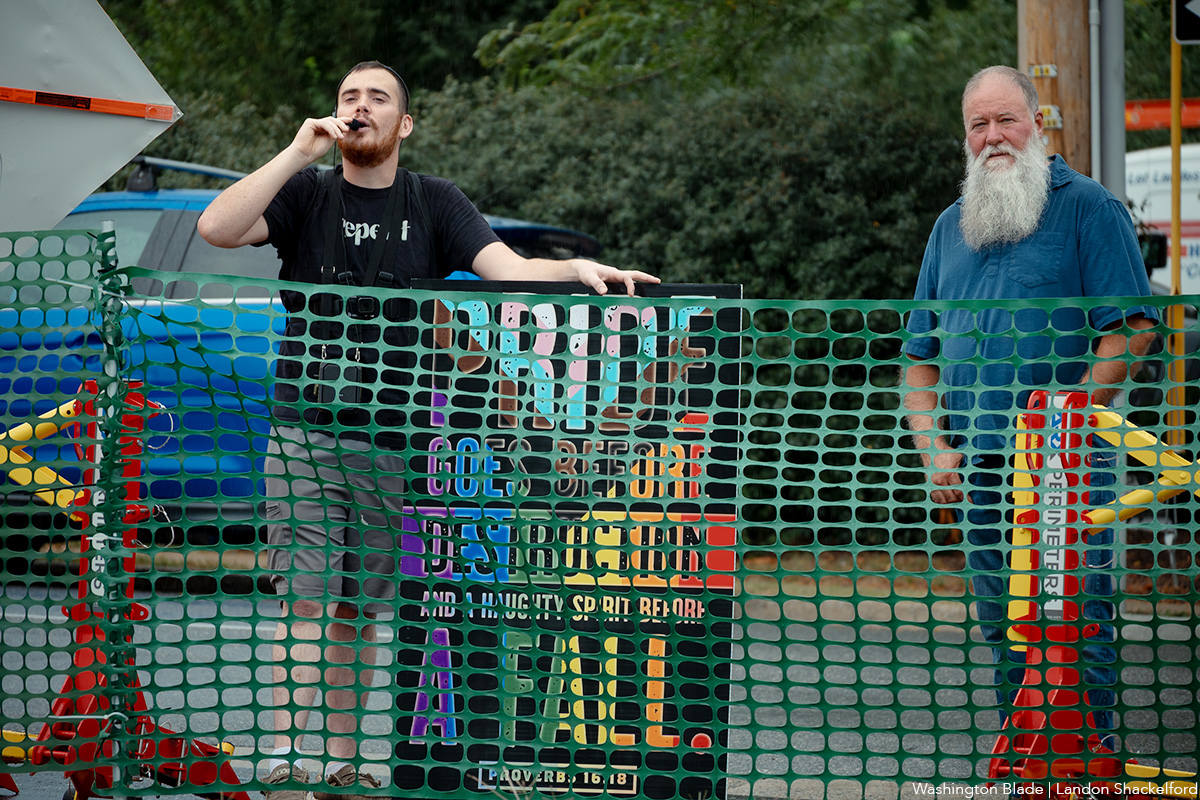
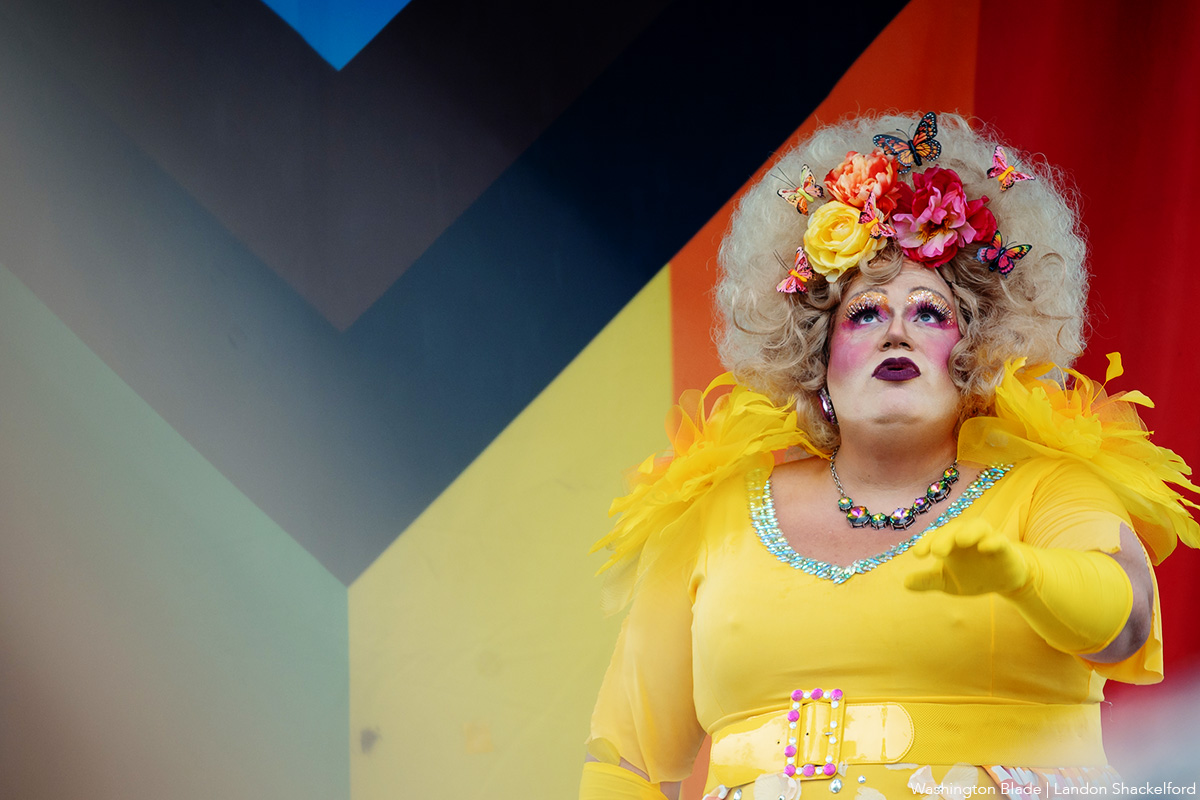
PHOTOS: Shenandoah Valley Pride
LGBTQ celebration held at Turner Pavilion in Harrisonburg, Va.
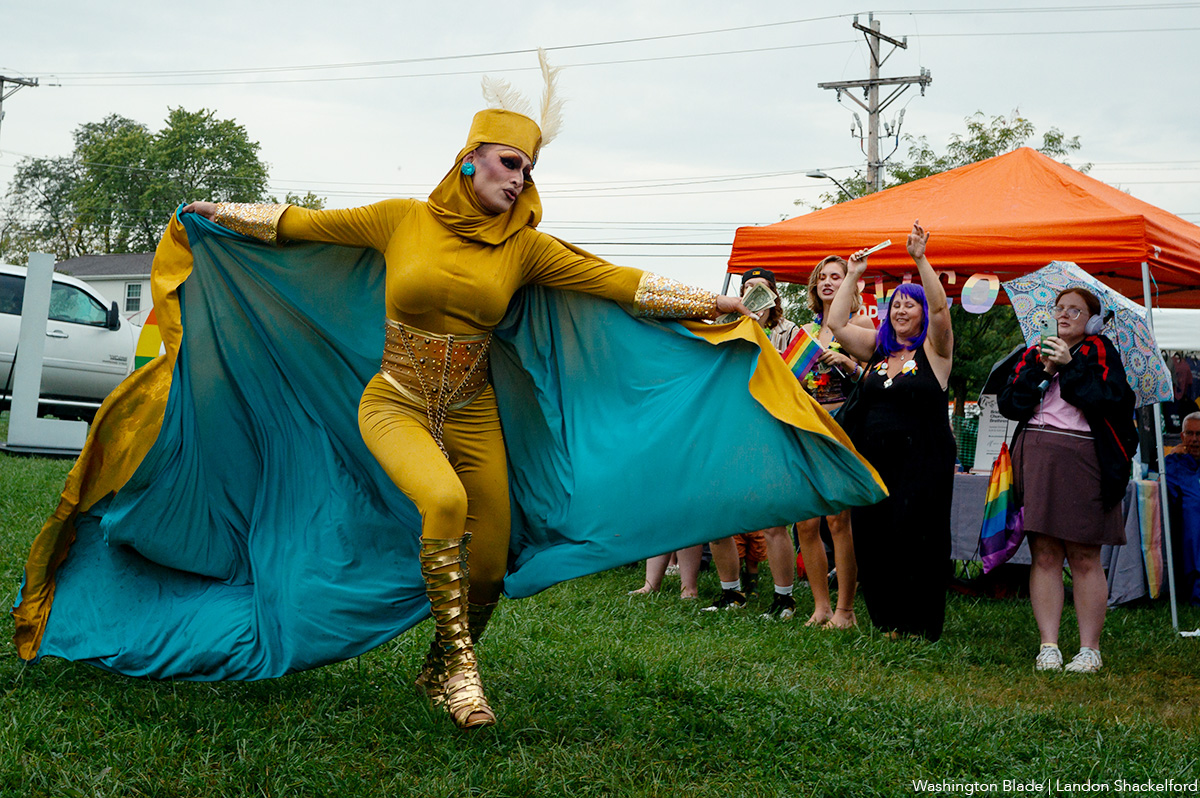
The 2026 Shenandoah Valley Pride Festival was held at Turner Pavilion in Harrisonburg, Va. on Sunday, Sept. 20.
(Washington Blade photos by Landon Shackelford)

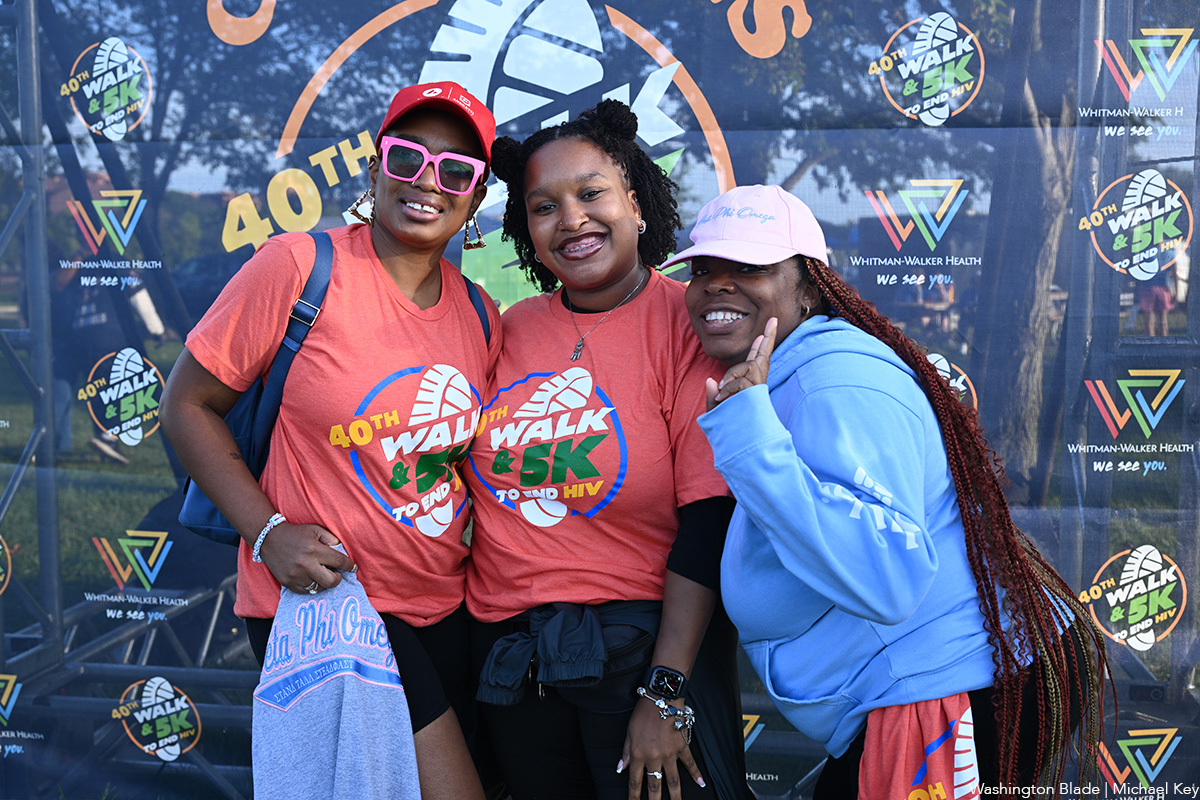
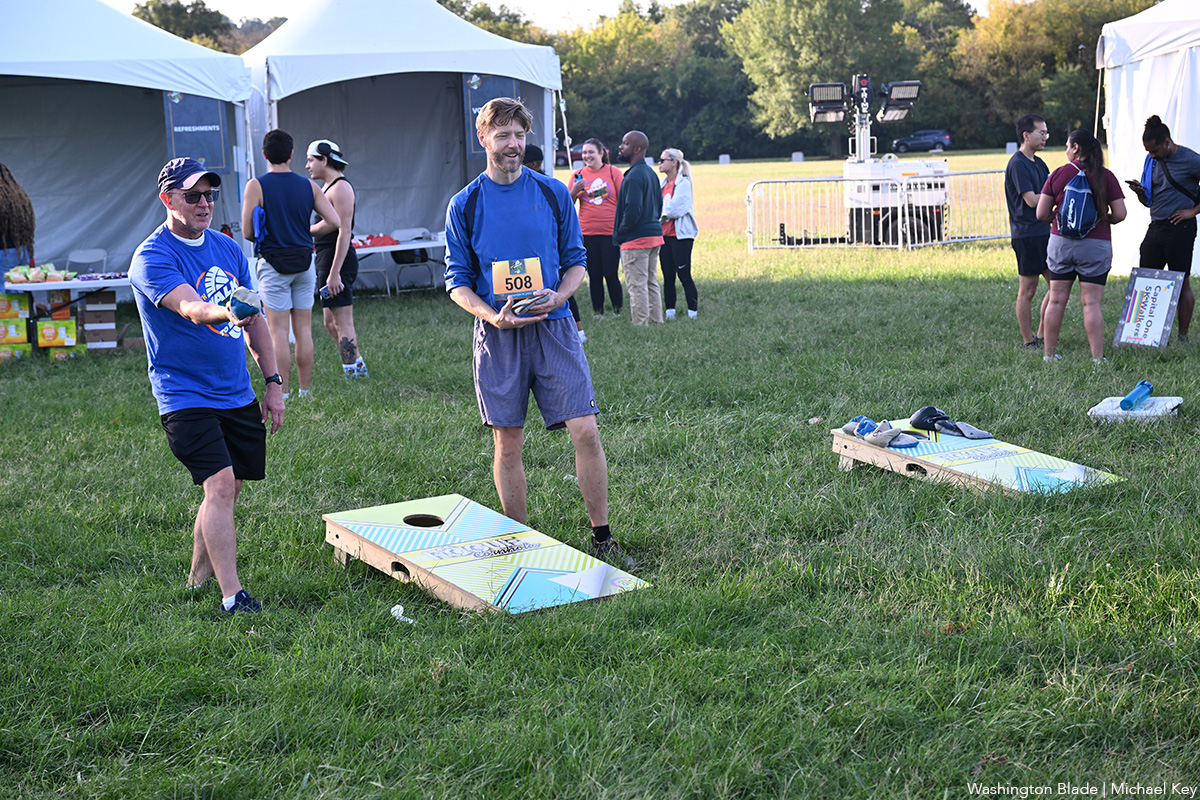
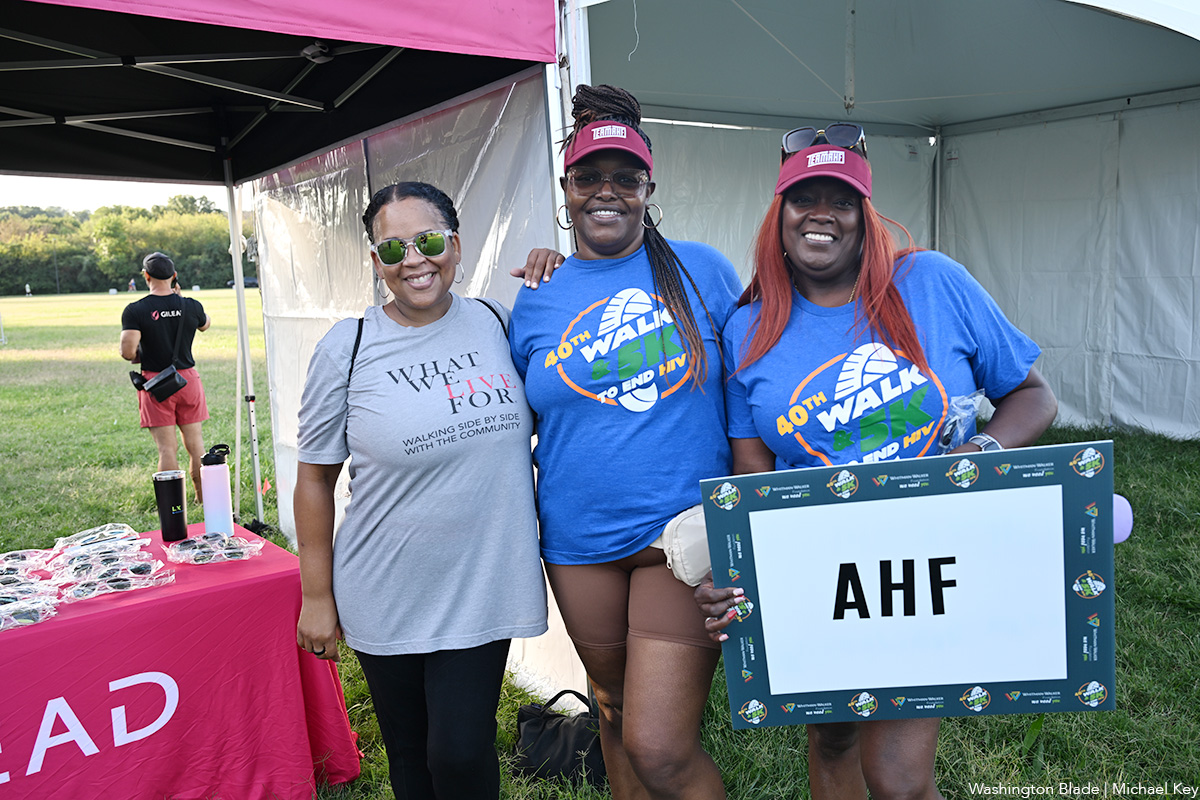
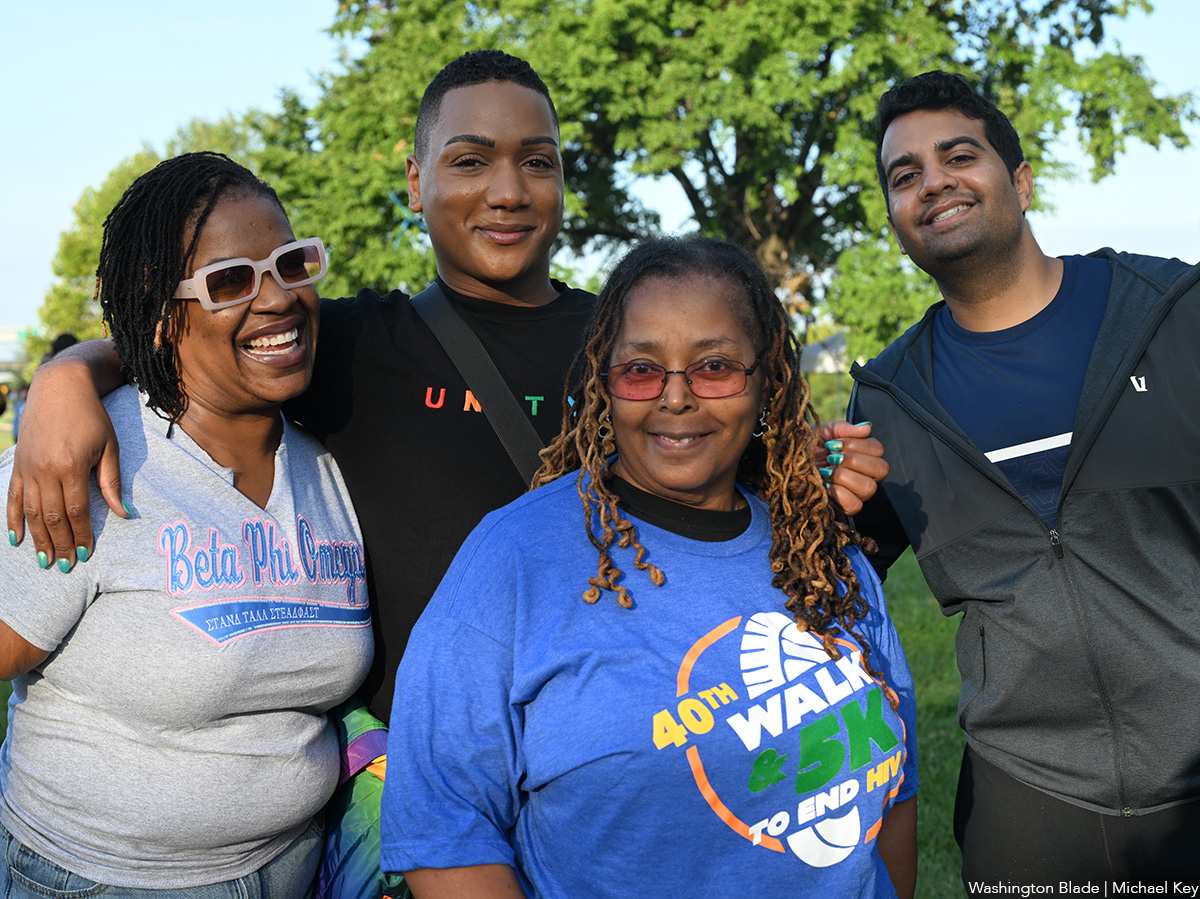
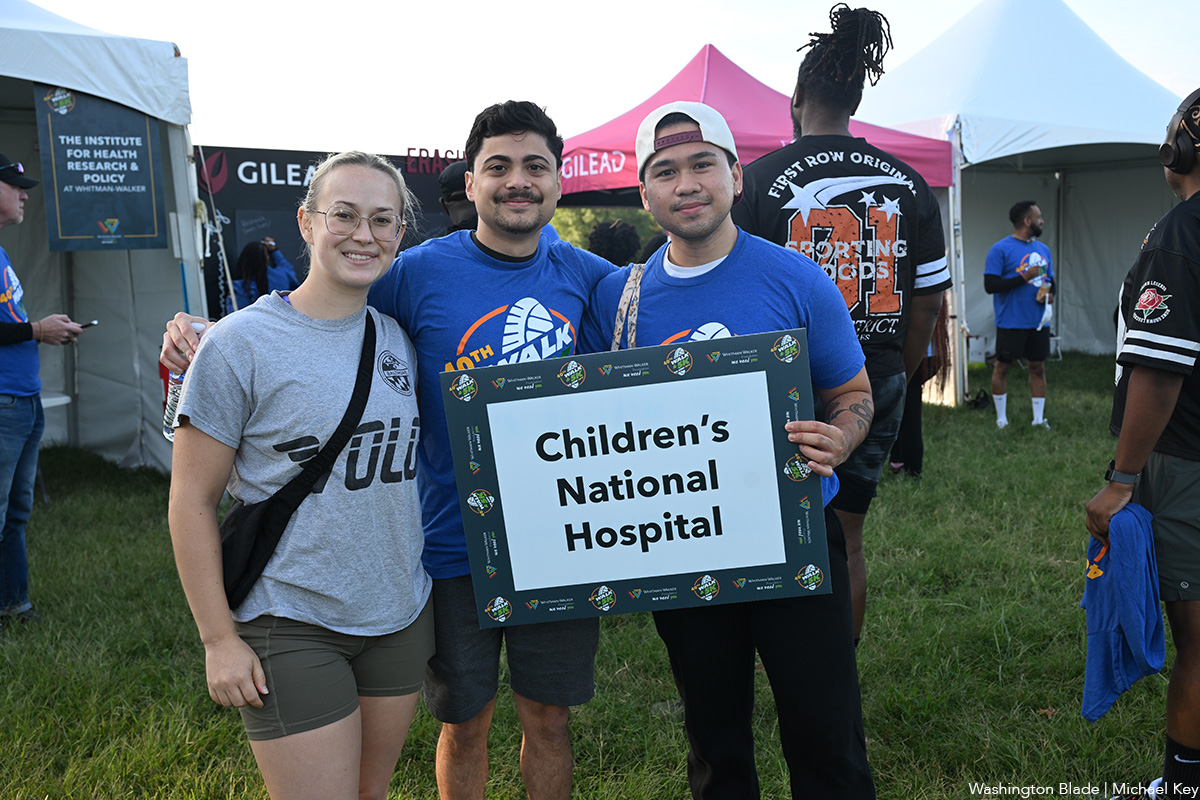
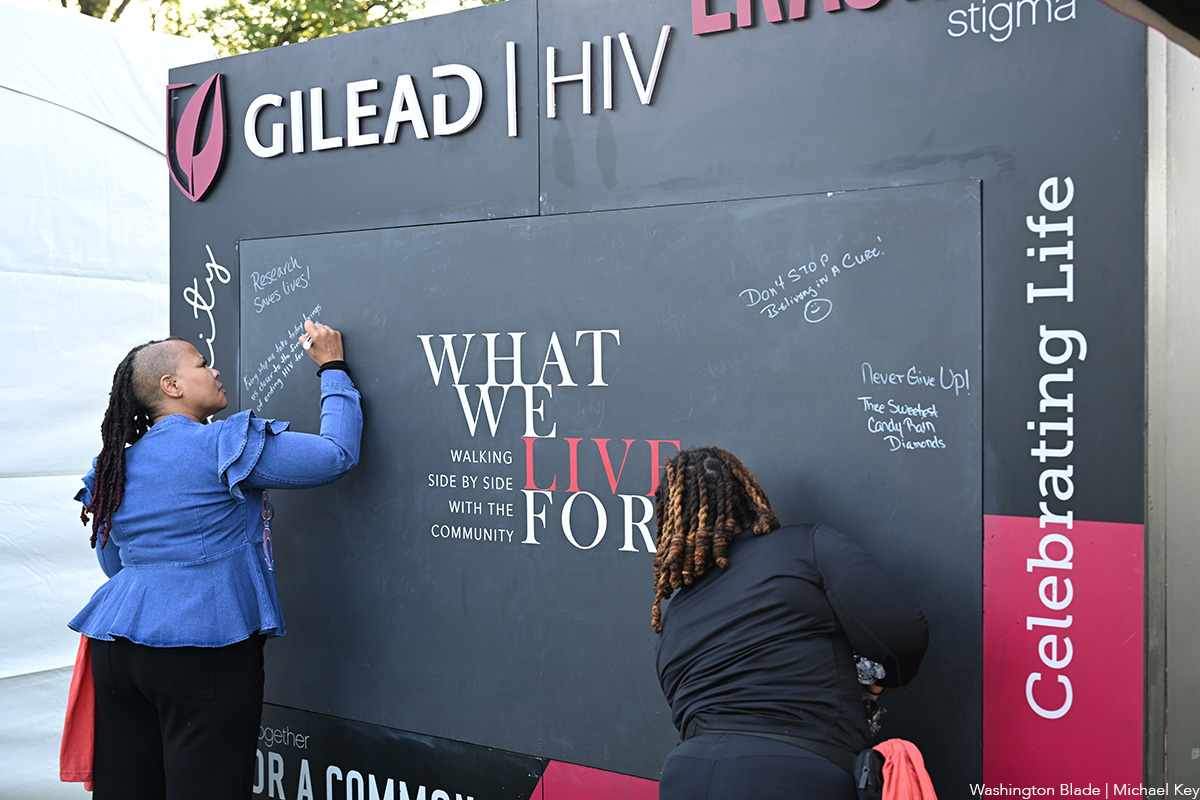
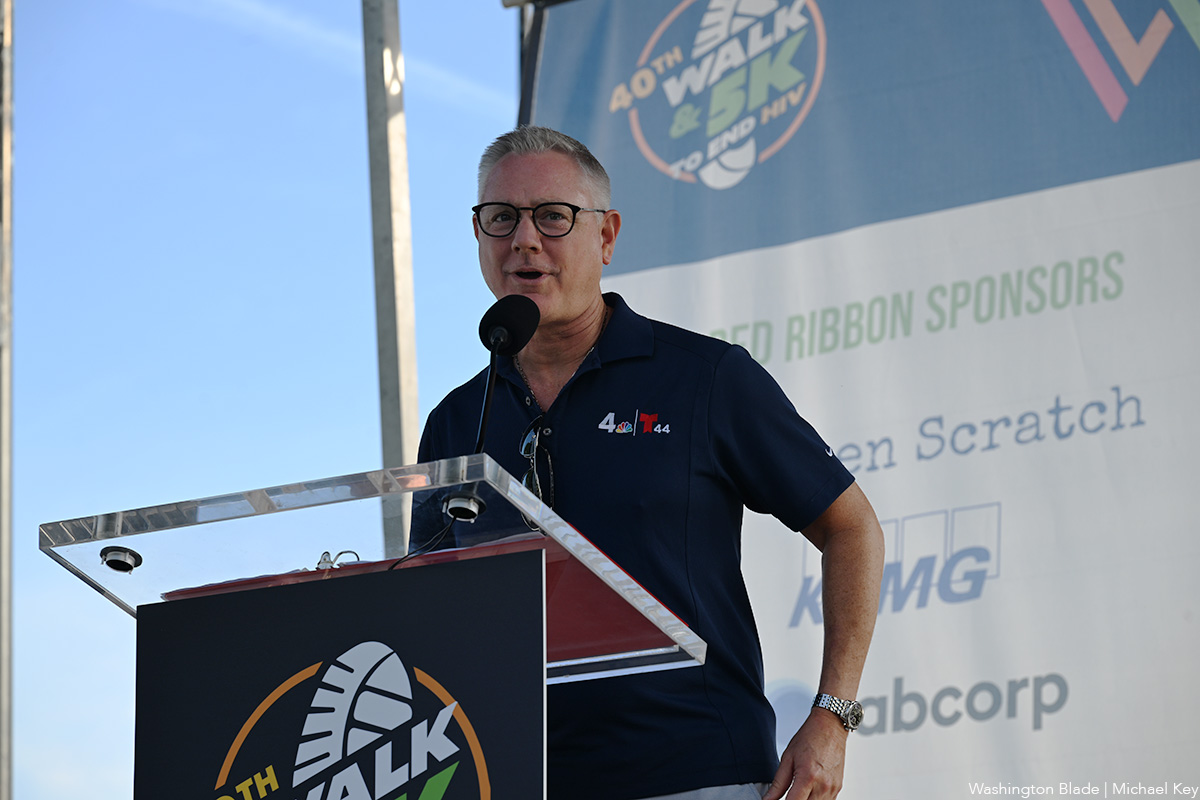
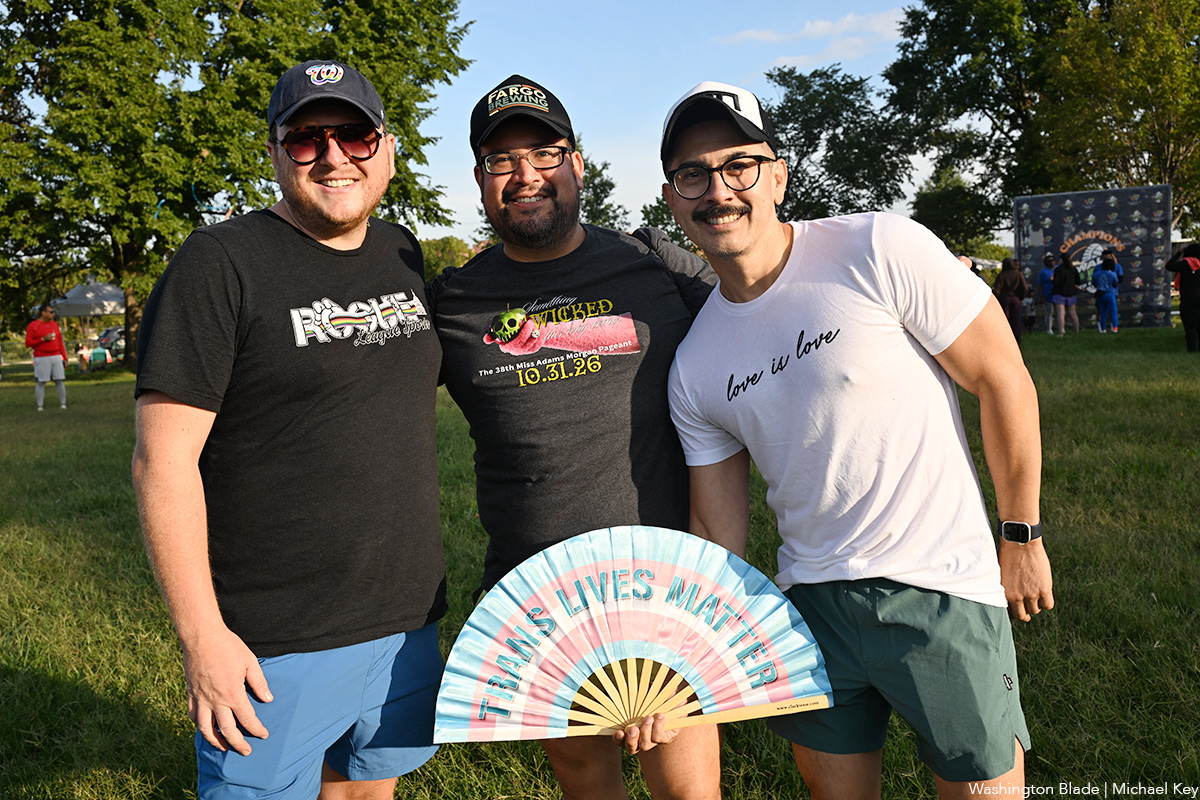
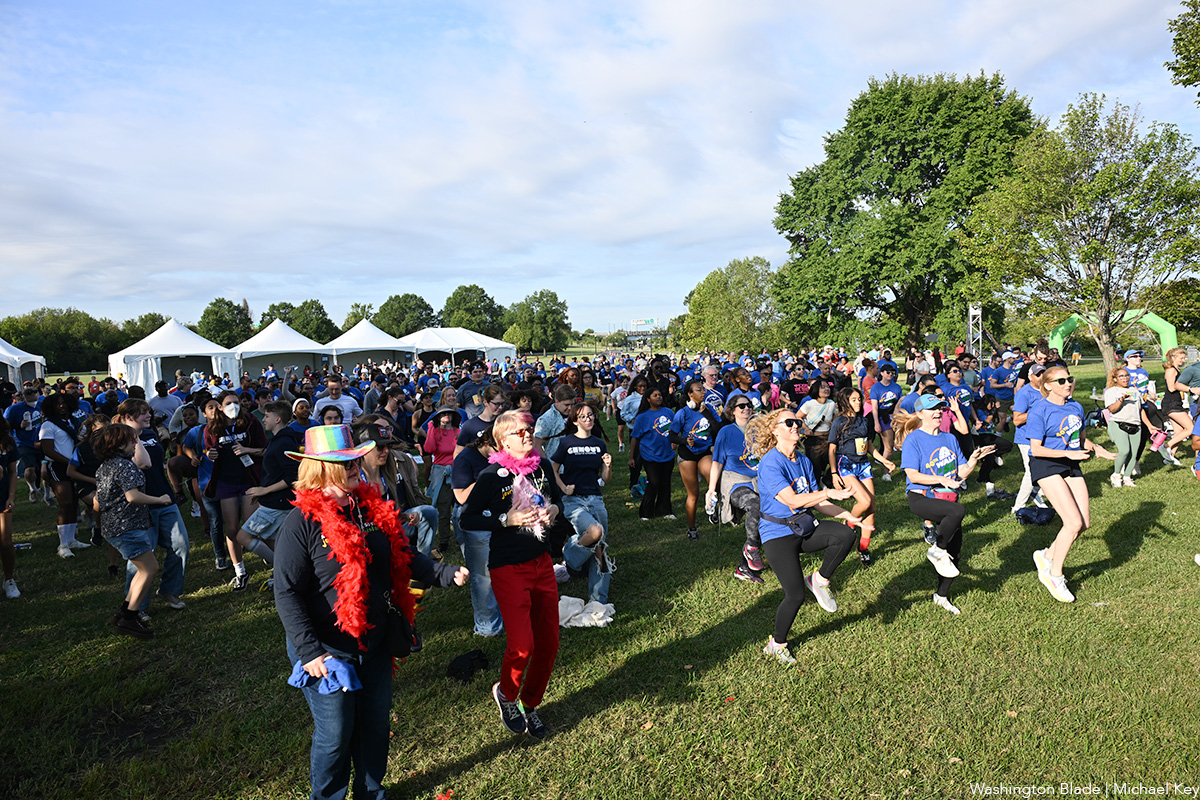
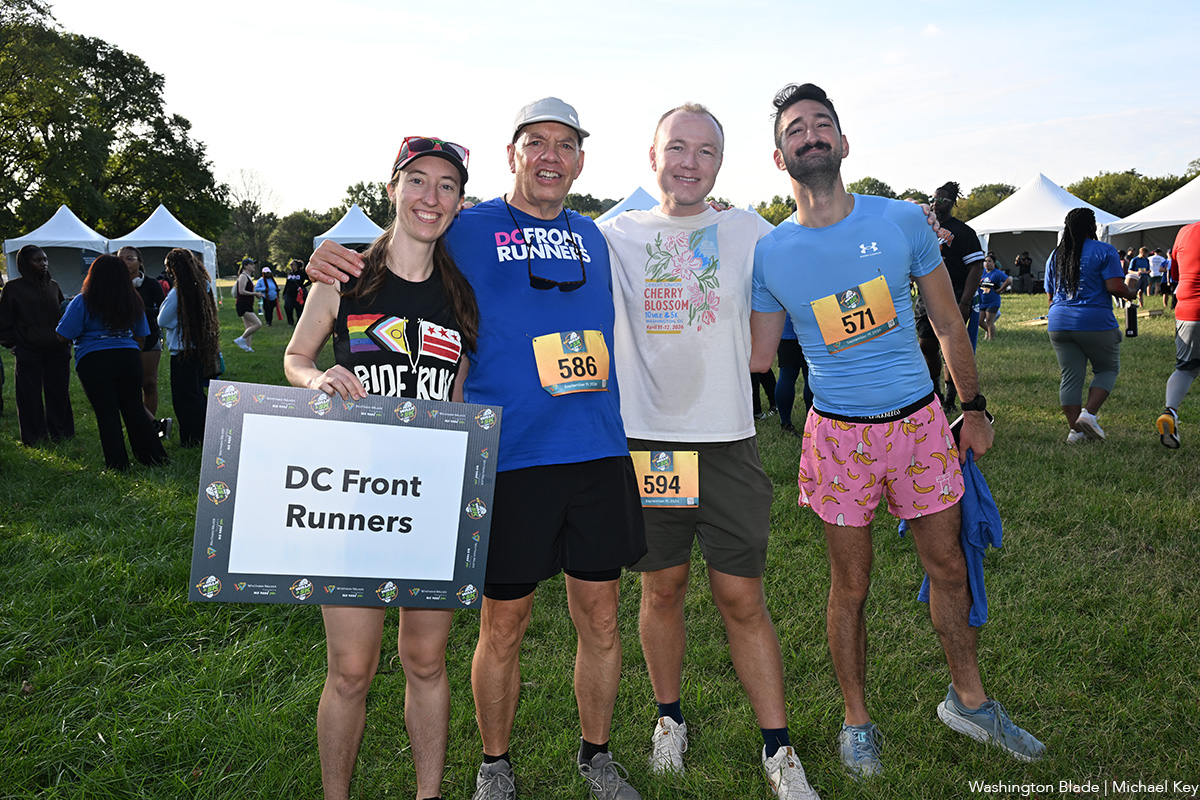
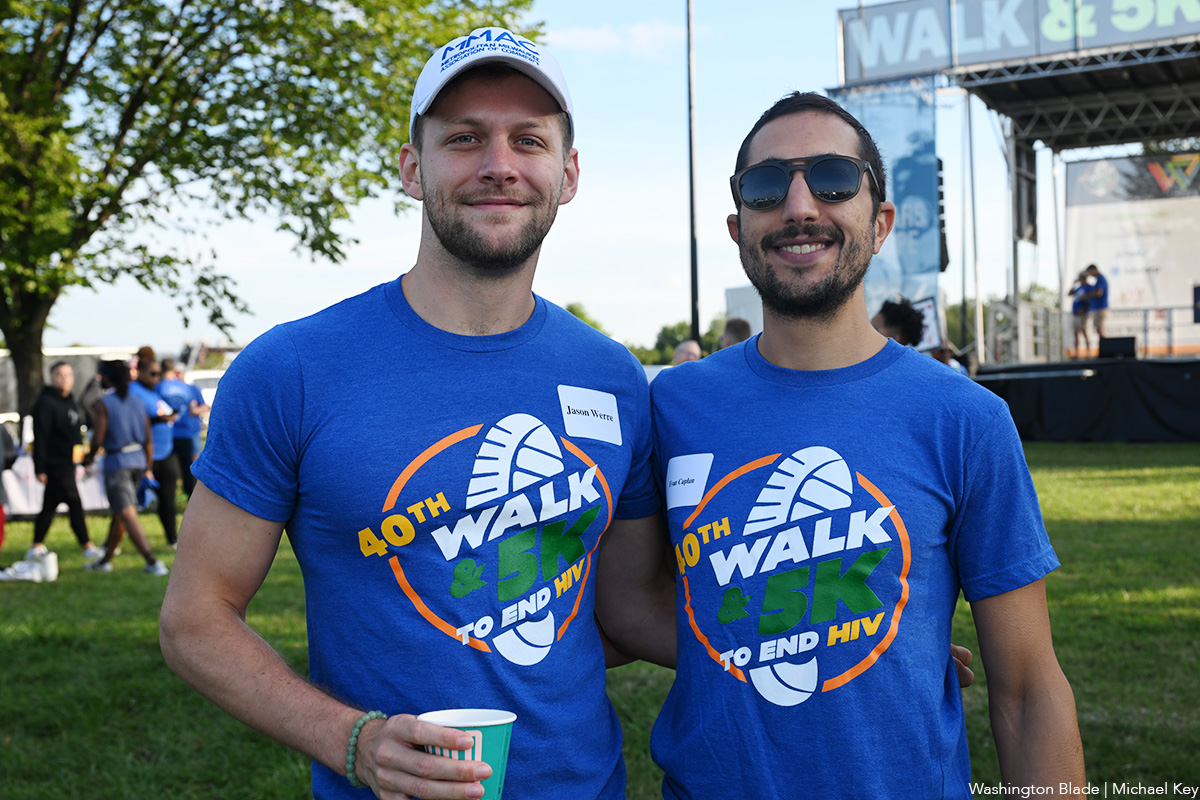
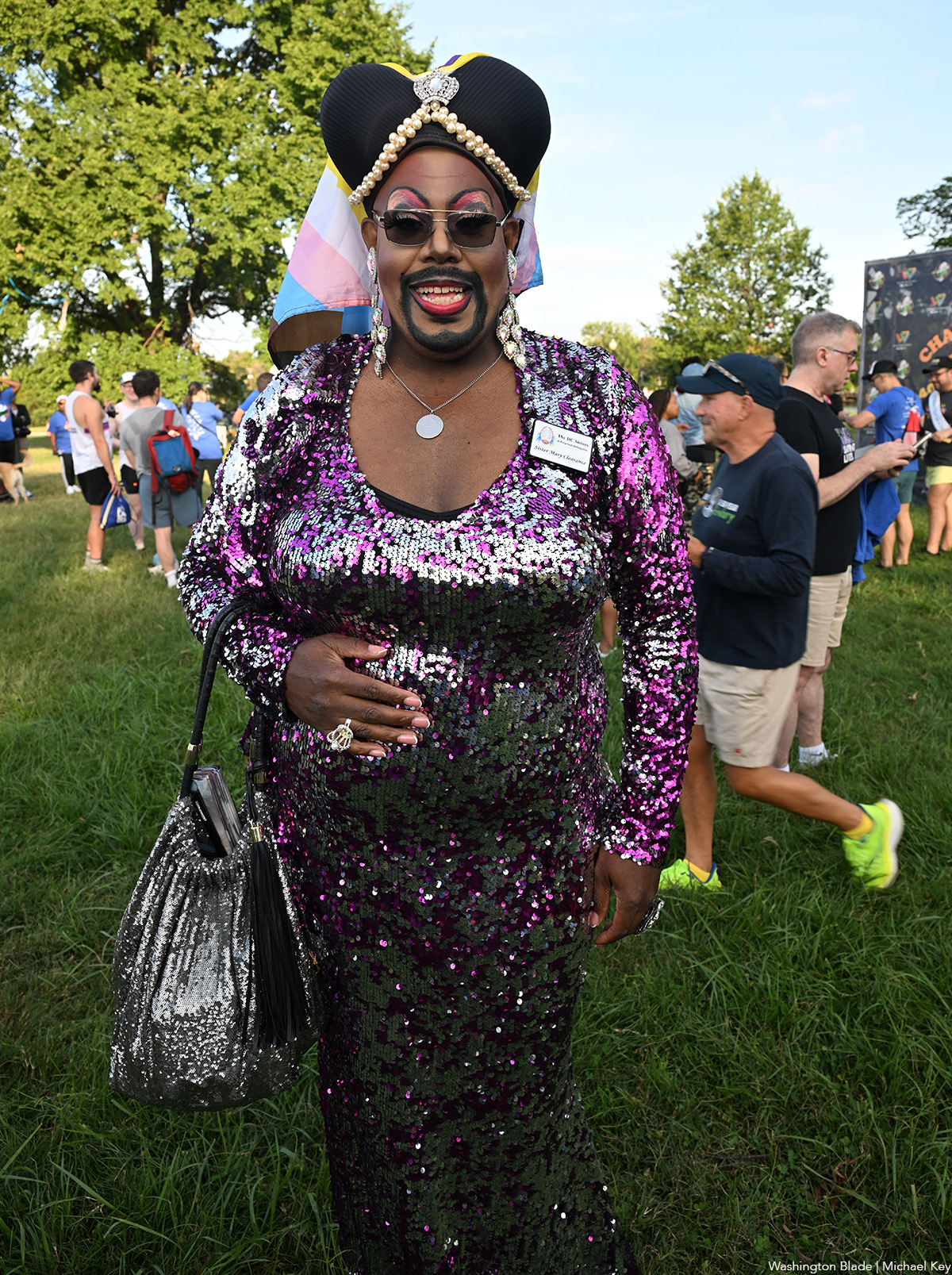
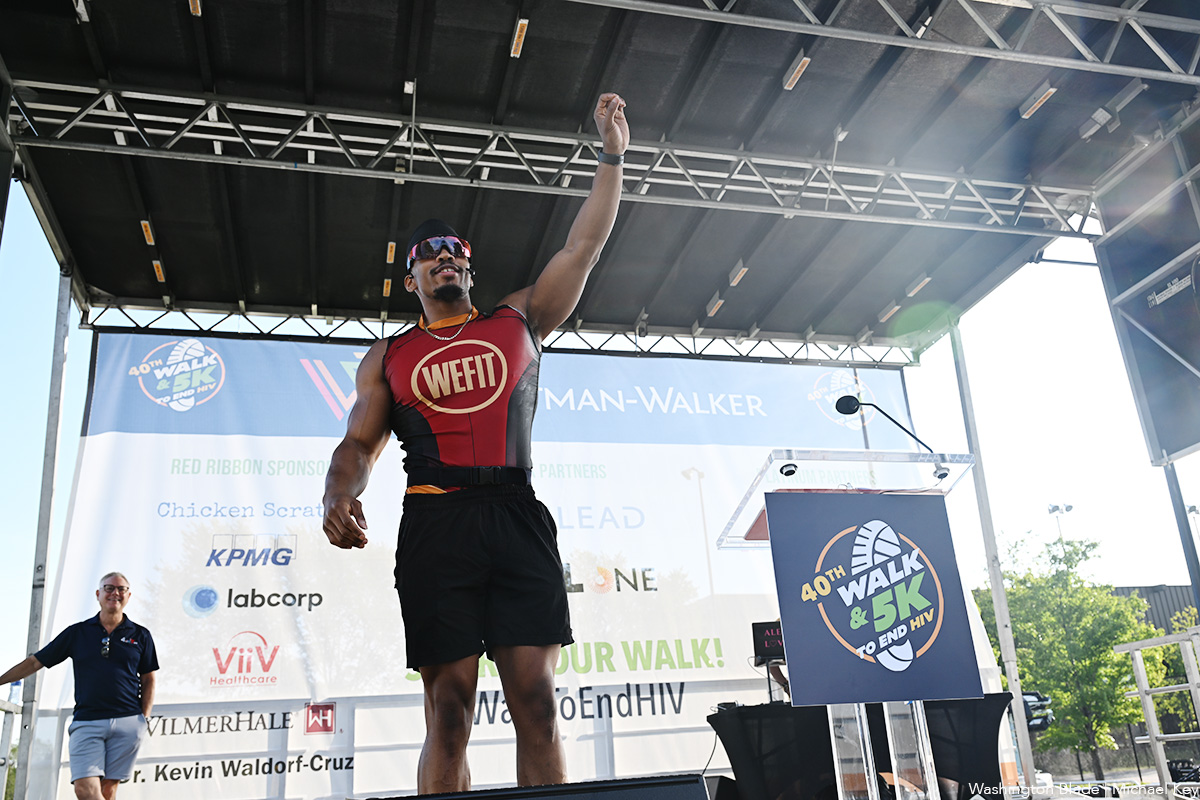
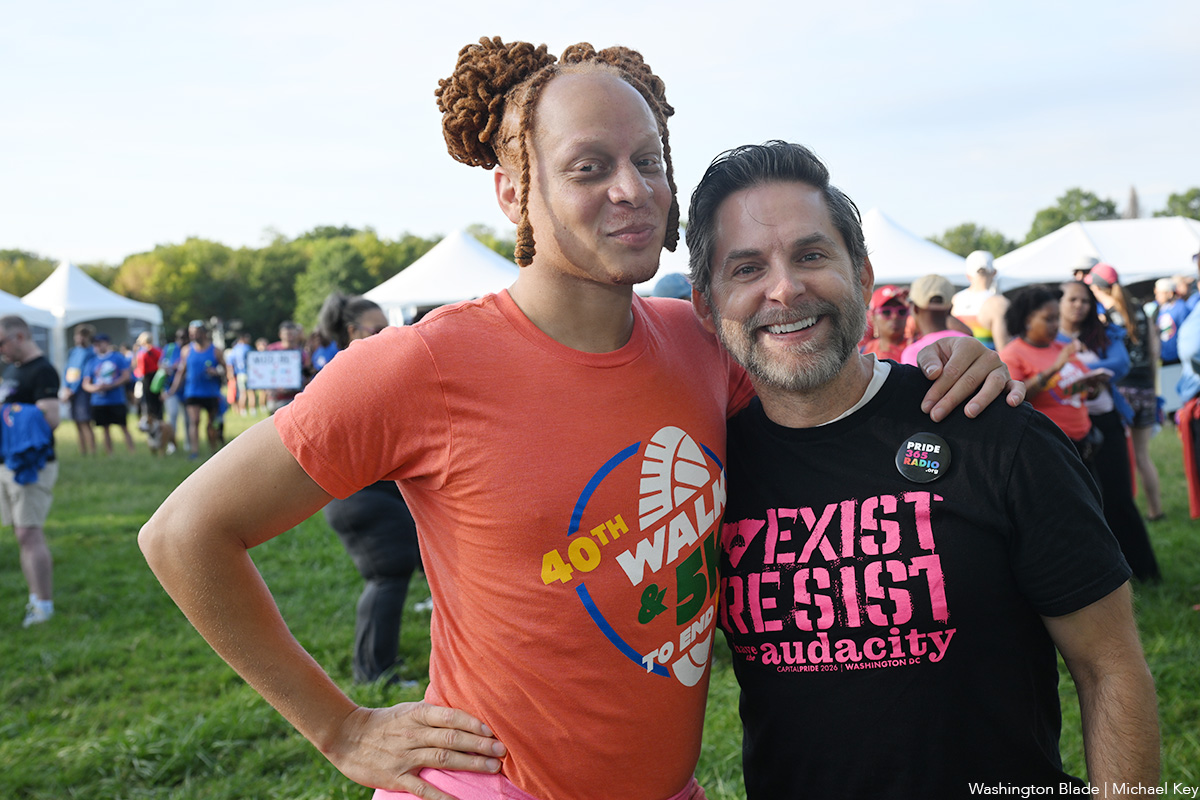
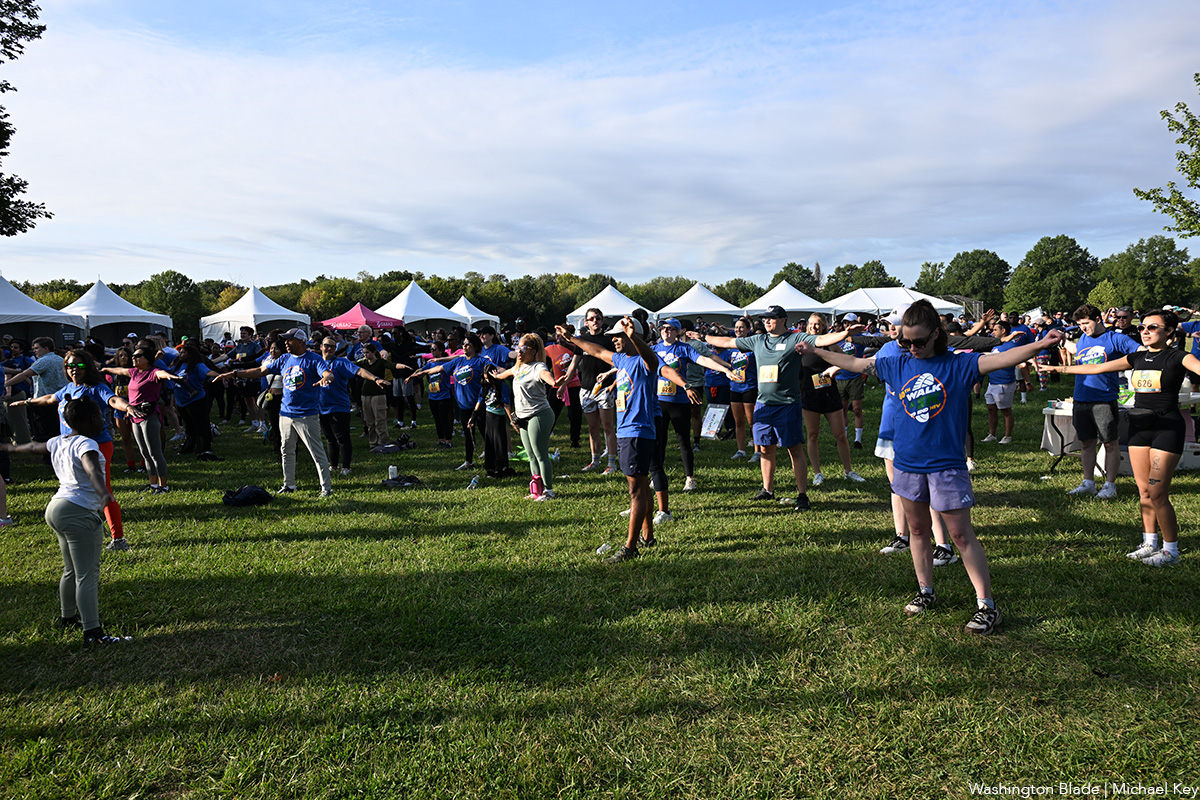
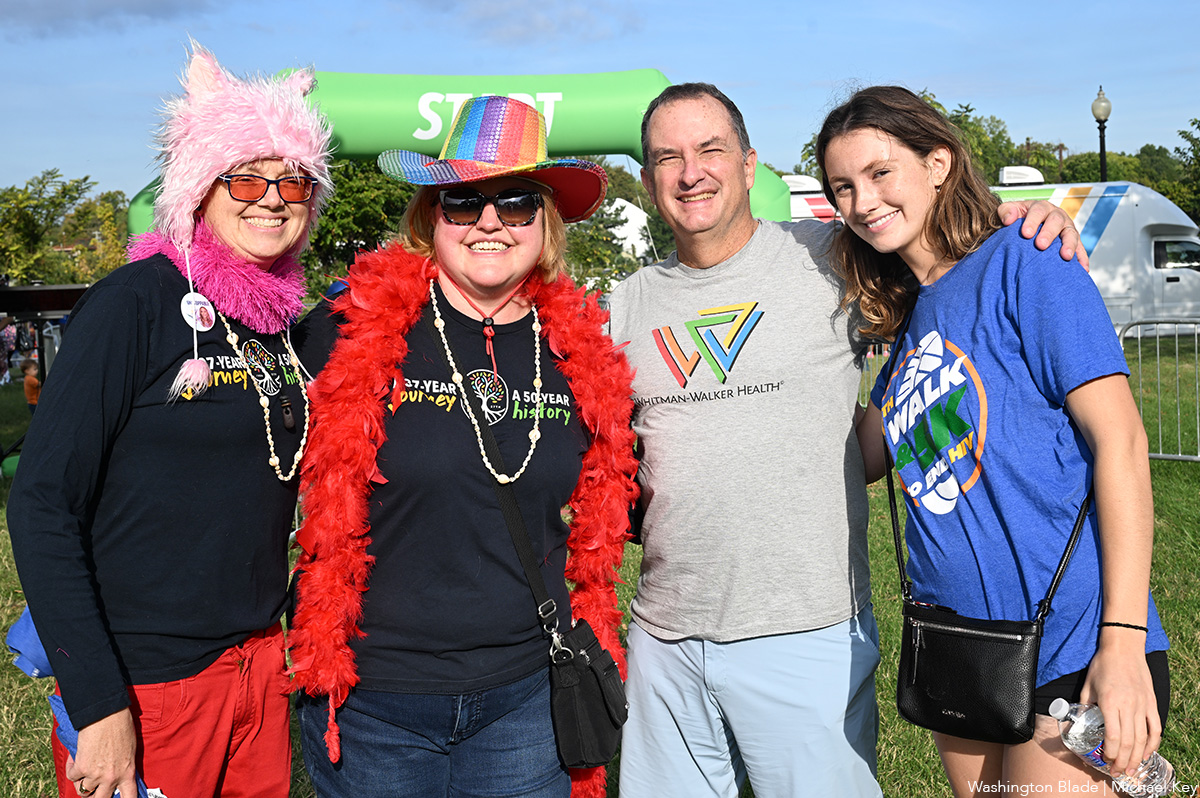
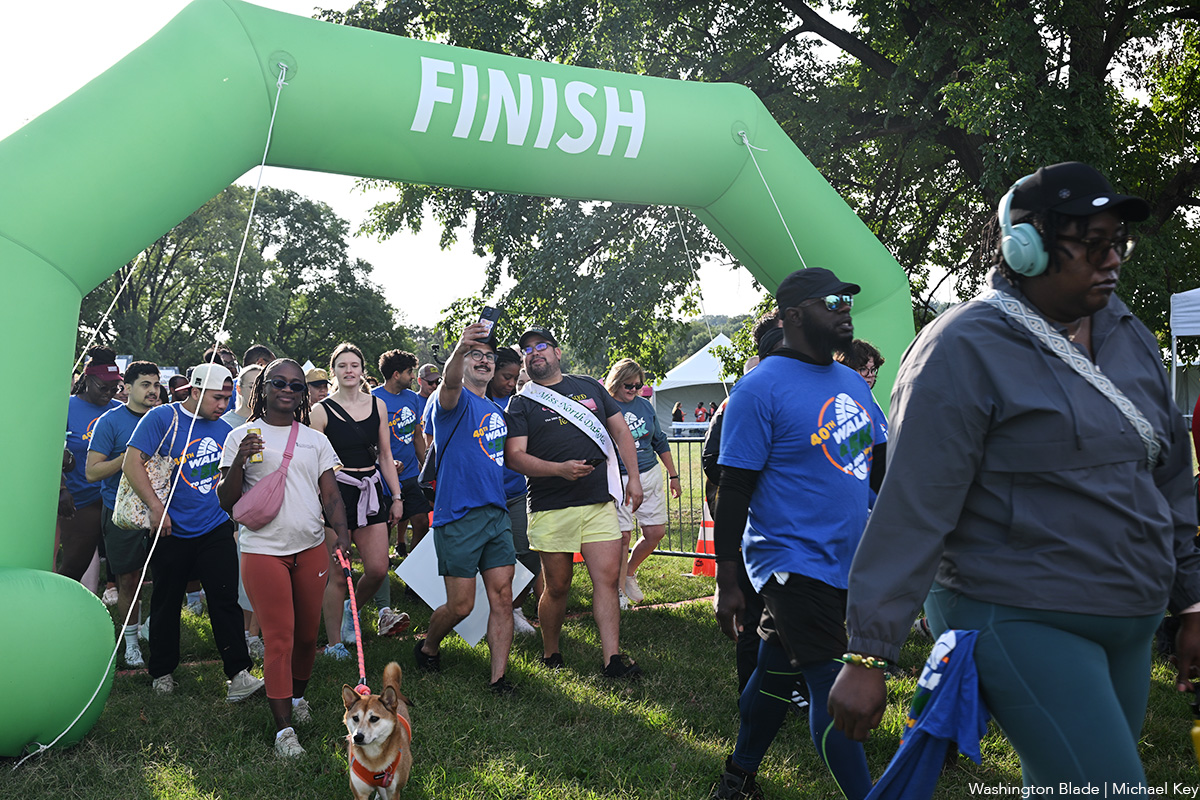
Whitman-Walker Health held the 40th annual Walk and 5K to End HIV at Anacostia Park on Saturday, Sept. 19.
(Washington Blade photos by Michael Key)



Dutch prime minister visits Stonewall Inn

Clavicular charged in alleged rape of teenage influencer

Gov. Whitmer to serve as keynote speaker for Saturday’s HRC National Dinner

Capital Pride chair resigns from board after just 10 months

Spike in HIV cases prompts Fiji to declare national emergency

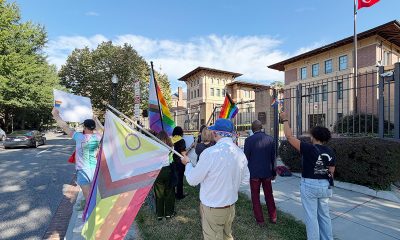
Activists protest outside Turkish Embassy in D.C.

A roundup of fall events not to be missed

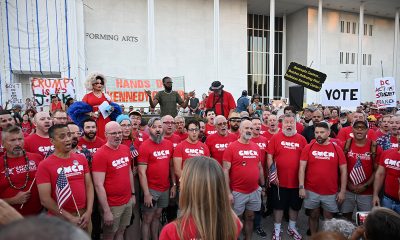
Over 2,000 turn out for Hands Around the Kennedy Center protest

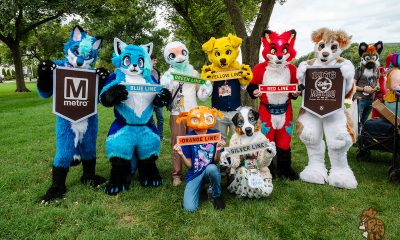
Furries take over the Metro