Arts & Entertainment
Queery: Walter Lundy
The toy drive organizer answers 20 gay questions
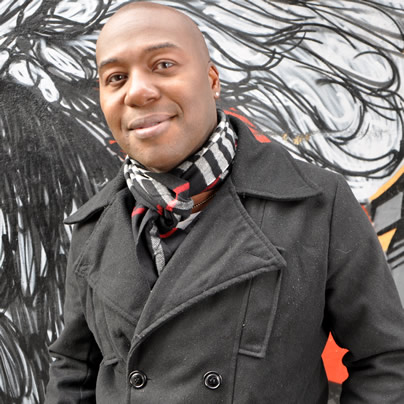
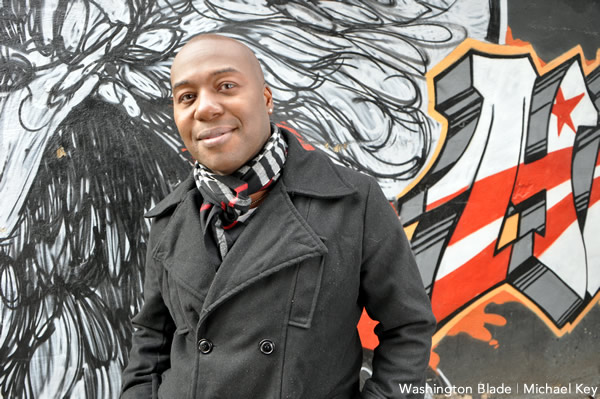
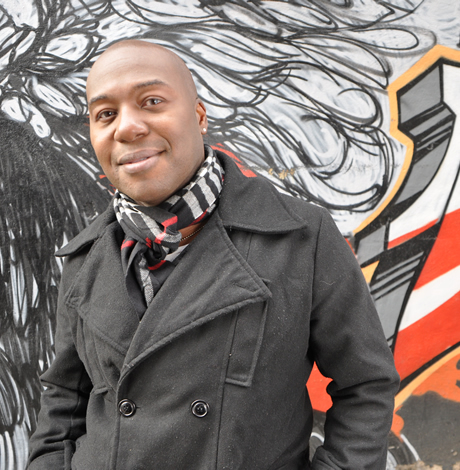
Walter Lundy (Washington Blade photo by Michael Key)
Walter Lundy says handing out donated toys to needy Washington-area kids has become the Christmas-related activity he most looks forward to.
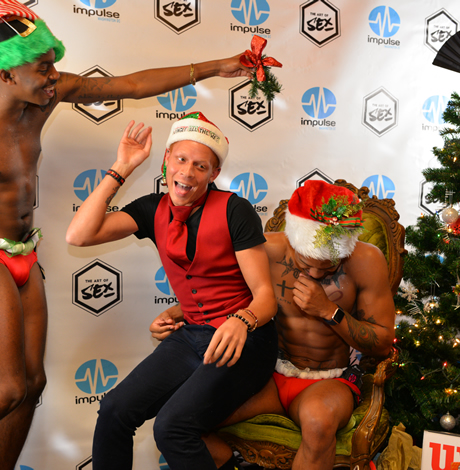
It started modestly last year with what he calls his “Red-Themed Toy Drive Party.” He hosted last year’s event out of his Bloomingdale home. Guests wore red and brought gifts to his house the weekend before Christmas. On Christmas Eve, he and a group of friends delivered about 100 toys to about 40 children in seven or so families.
This year, the Dec. 22 party, which Lundy held at Halstead Tower in Alexandria, yielded about 250 guests/toys that were delivered to about 100 kids in 10 local families and a local group home. Lundy worked with the D.C. Department of Human Services and its “Strong Families” program, the Greater Urban League of Washington, the Hubbard Place and the Williams Life Center of Greenbelt, Md., to identify needy families.
“It’s a very gratifying experience and it’s become the complete focus of my holiday experience,” the Petersburg, Va., native says. “I feel like this is the proper way to end the calendar year for me and I intend to do it every year.”
Lundy hosted the event with his friend JoVone Pender. They paid for the party themselves and Lundy says it’s an important component of the event.
“I guess I’m just a party type-of guy,” he says. “I love the toy part of it, of course, but it’s also rewarding to give something to the community as well. We deserve it.”
Though not a gay-specific event, Lundy guesses “about 90 percent” of the friends who help him deliver the gifts are also black gay men, not all of whom are out. He says they’re just friends he knows “from all over — just guys I know in the same-gender-loving male community.”
Lundy works for the D.C. government but declines to give specifics. He’s also in a relationship but says, “We’ll just leave it at that.”
Lundy lived in Ohio for much of the ‘90s, but settled in Washington in 2003. He lives in Bloomingdale in the fifth Ward and enjoys tennis, NASCAR, exercising, writing, cooking and socializing in his free time.
How long have you been out and who was the hardest person to tell?
Not fully out but I guess I am now. But my family has known for about 14 years and my mother was the most difficult person to tell.
Who’s your LGBT hero?
Don’t really have a hero, but I admire all professional and college athletes who come out.
What’s Washington’s best nightspot, past or present?
The Park at 14th — great food, amazing drinks and awesome people. I love that place — it’s a place where everyone can go to have a great time.
Describe your dream wedding.
Going to the Caribbean with a small group of friends and family and getting married on the beach, walking in the sand with the blessing of the powerful waves in the background.
What non-LGBT issue are you most passionate about?
Getting Hillary Clinton elected president in 2016.
What historical outcome would you change?
I would erase the 2010 earthquake in Haiti. The Haitian government reported that an estimated 316,000 people died, 300,000 had been injured and 1 million made homeless. The greatest catastrophe of my life time. I break down and cry every time I think about it.
What’s been the most memorable pop culture moment of your lifetime?
How appropriate — I remember when I first when to New York and partied in Times Square for News Year’s Eve. Something that I had always seen on TV as a child, I was now finally experiencing live as an adult and it was the most amazing and electrifying experience. It’s an American tradition that everyone should do at least once.
On what do you insist?
I insist that people in my circle of friends treat all people the same regardless of their education or social economic status.
What was your last Facebook post or Tweet?
I don’t Tweet but I did post a link to a gospel sermon by Bishop Noel Jones talking about how “God Grows You” and that one has to have an enormous challenge in order to have an enormous outcome. I thought this was a powerful word heading into the new year.
If your life were a book, what would the title be?
“Shattered Dreams”
If science discovered a way to change sexual orientation, what would you do?
I wouldn’t take advantage of the discovery because I am finally happy with myself, but I would certainly understand and respect those who took advantage of the science.
What do you believe in beyond the physical world?
I believe in God and that there is a heaven. I also believes that the universe is a powerful force that influences our physical presence. I know it sounds silly but I believe that the universe is a surrogate power of God and has his blessings to influence our physical lives. I have so much respect and admiration for the power of the universe.
What’s your advice for LGBT movement leaders?
Educate the youth and teach them about life and being independent and responsible. The value of an education, a career and life goals — we get so caught up in trying to affirm them that we forget to hold them accountable to being successful and independent human beings. We can’t baby them — we have to demand excellence and high standards.
What would you walk across hot coals for?
To save the life of my baby sister.
What LGBT stereotype annoys you most?
Some of the most educated, family oriented, financially stable men in our community are GBT, especially in the black community, yet we are often not viewed as real men when we are usually the backbone to a fragmented and unstable family structure. We endure and take on so much emotional hardship that it’s amazing that more of us are not suicidal.
What’s your favorite LGBT movie?
“The 24th Day”
What’s the most overrated social custom?
Celebrating birthdays. Eight years ago I had unexpected life-threatening heart surgery and I now have a strong appreciation for life every single day. So for me, every day is a day to celebrate.
What trophy or prize do you most covet?
I covet the acceptance of my Lord and Savior into his Kingdom.
What do you wish you’d known at 18?
I wish I had known my parents were going to die at a young age. I would have spent more time fostering a more meaningful and lasting adult relationship that I can forever cherish. I was so busy on my education and career grind that I lost track of time. I now regret that choice.
Why Washington?
I am from Virginia and need to be close to my siblings as I am their primary caregiver and provider.

Photos
Center for Black Equity honors leaders, activists at BE. Gala
Miyake-Mugler, Oakes co-host annual awards ceremony
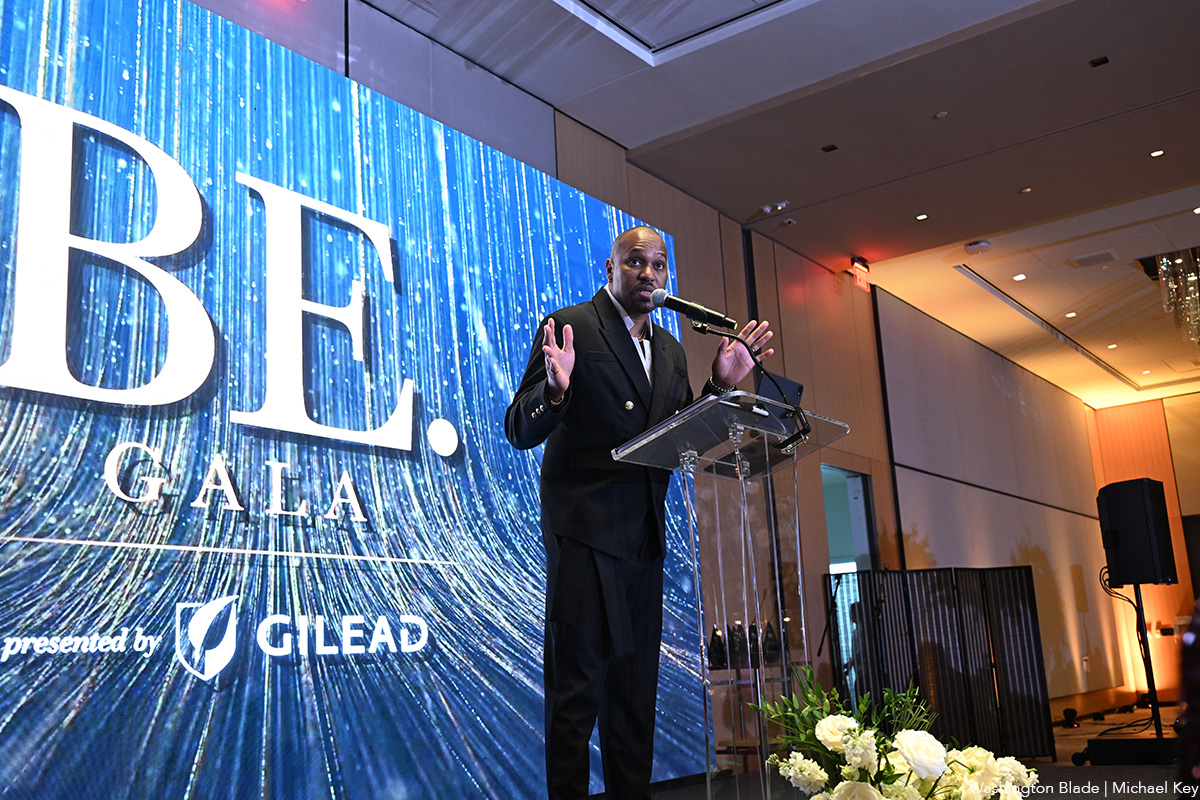
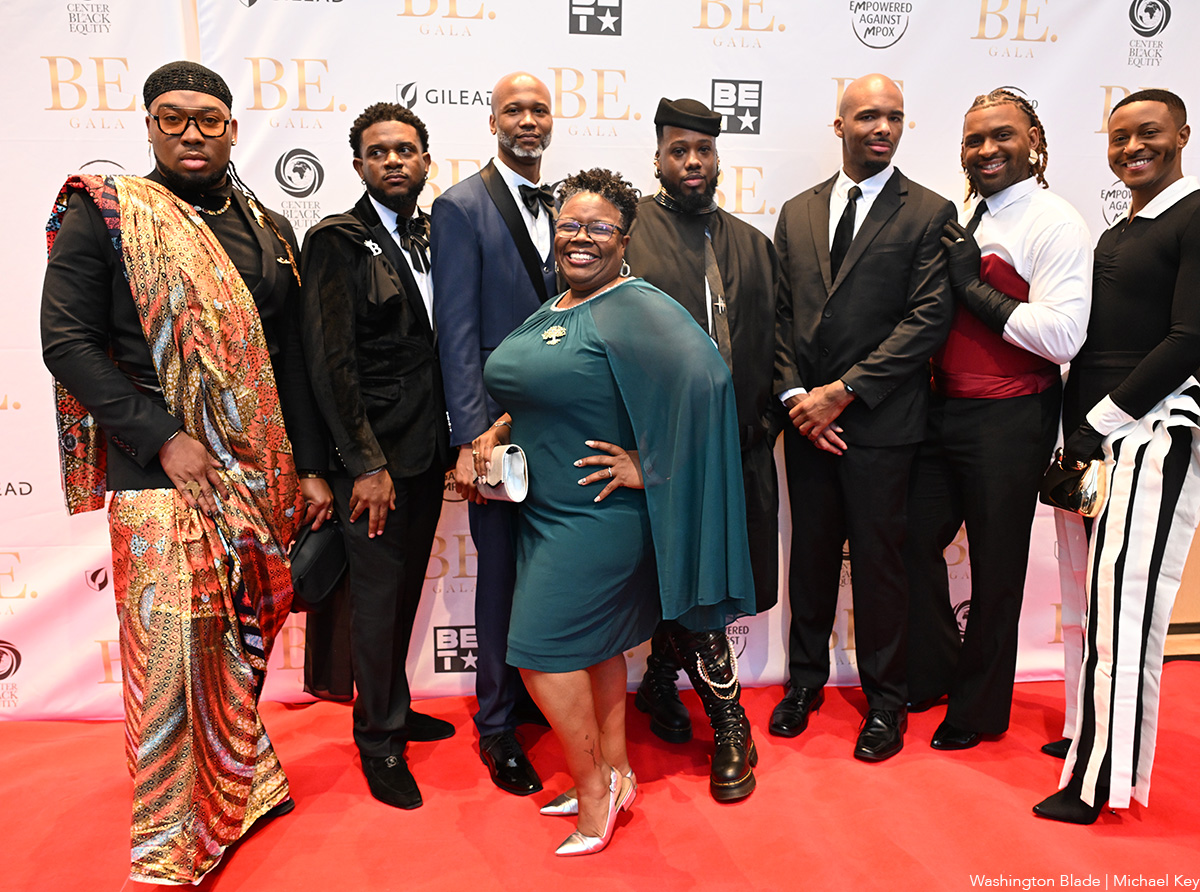
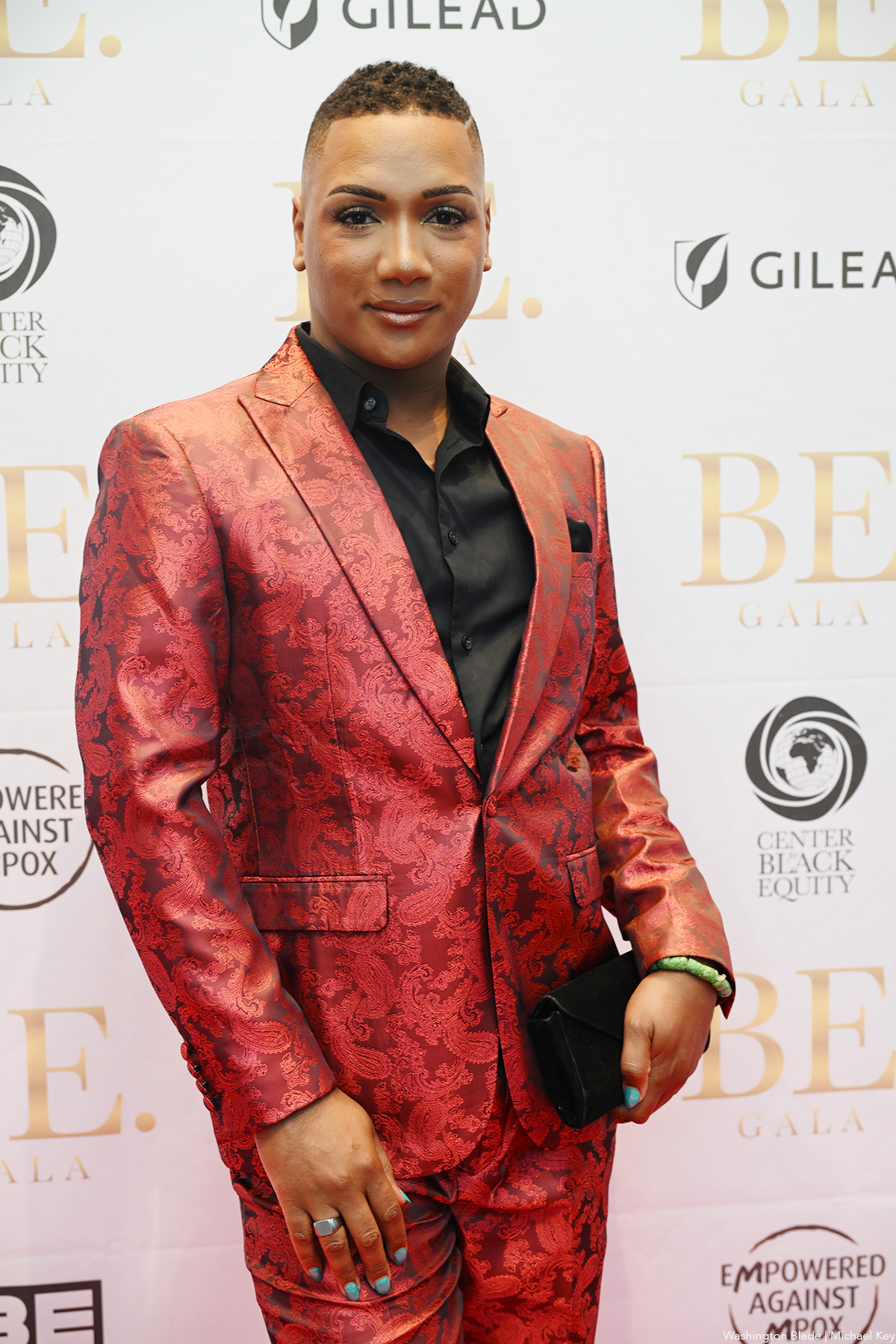
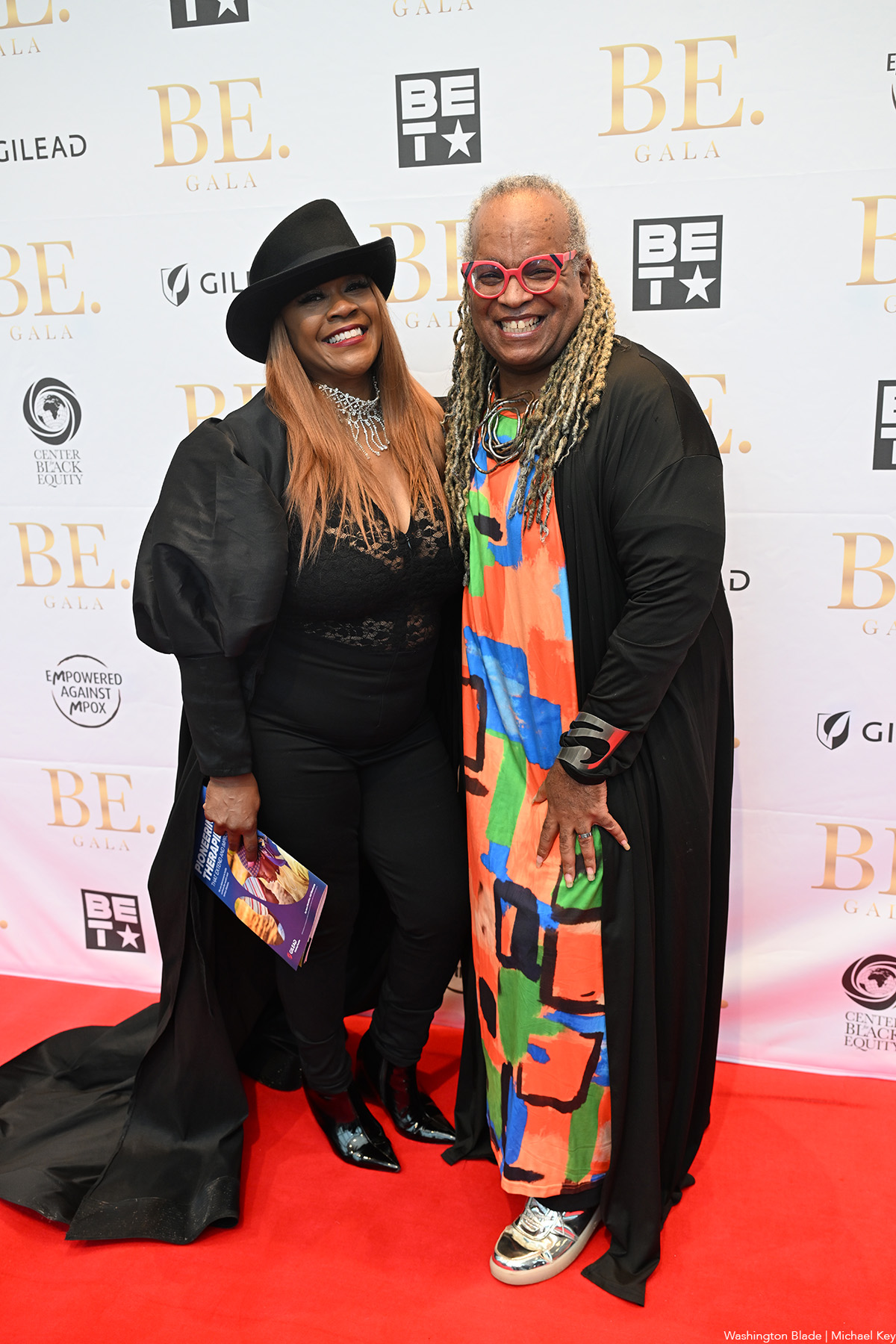
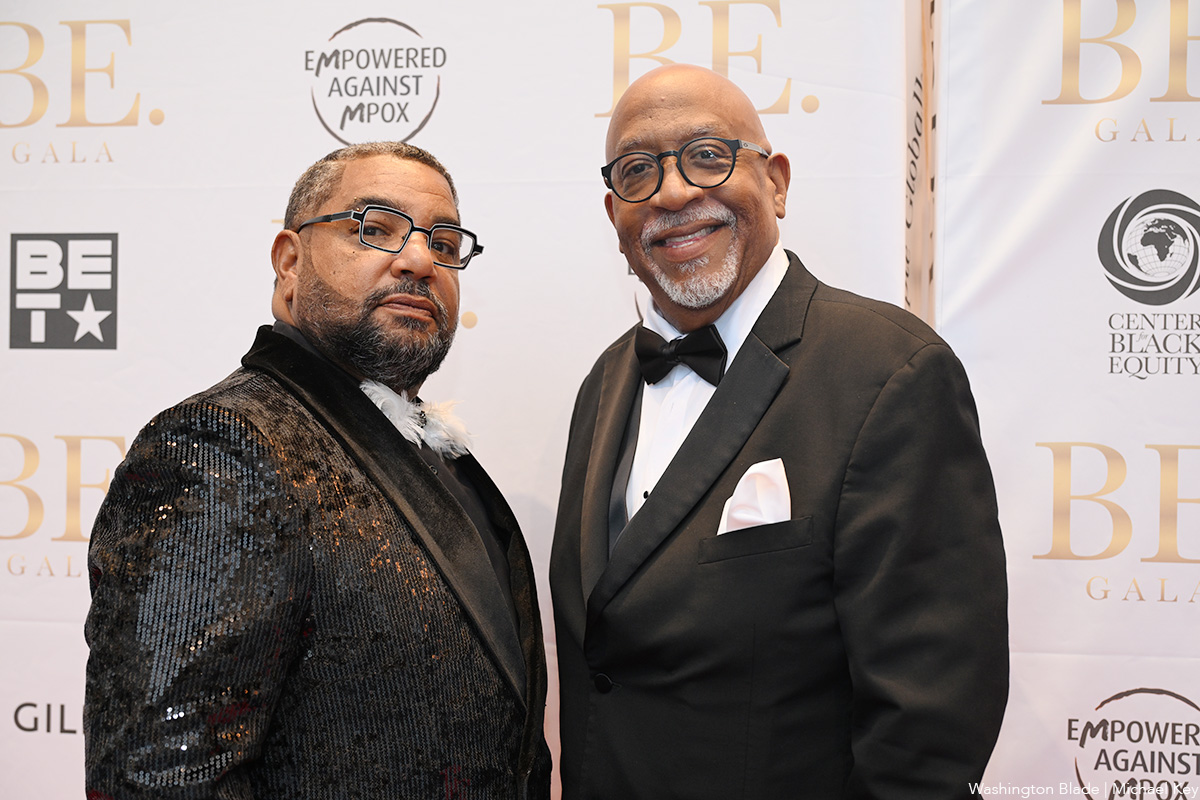
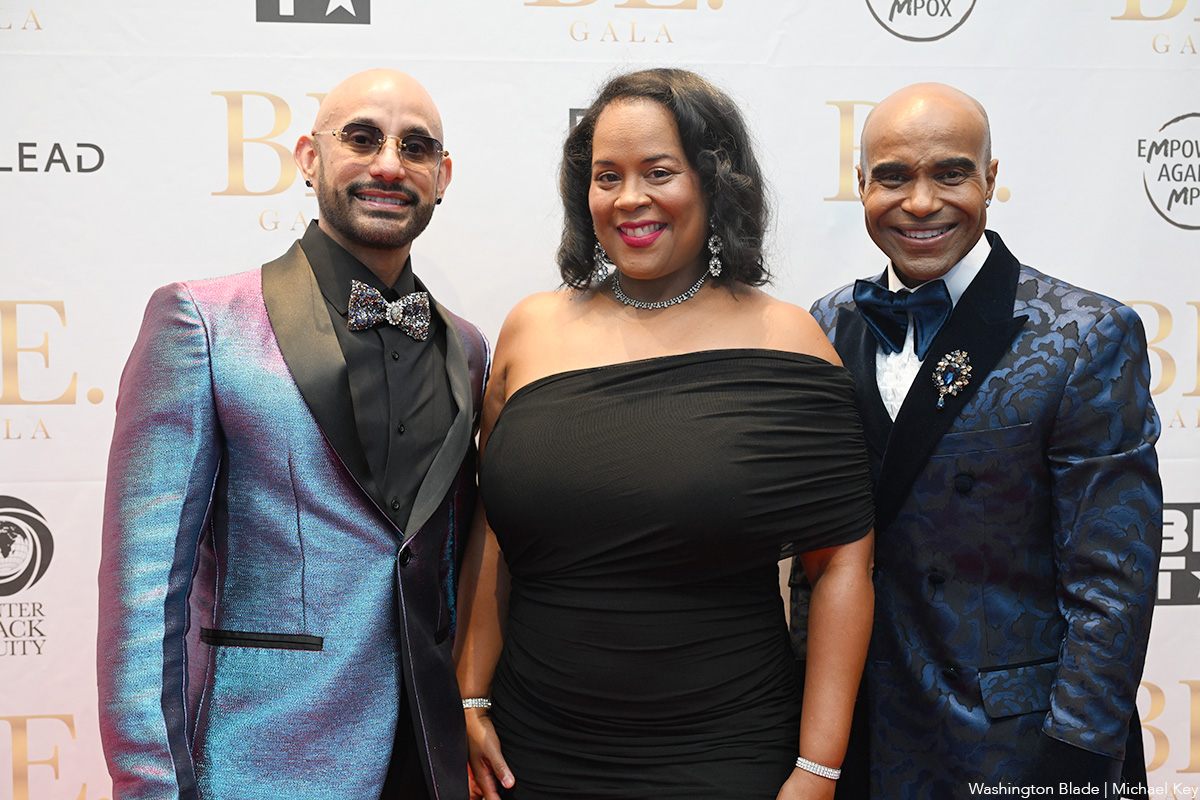
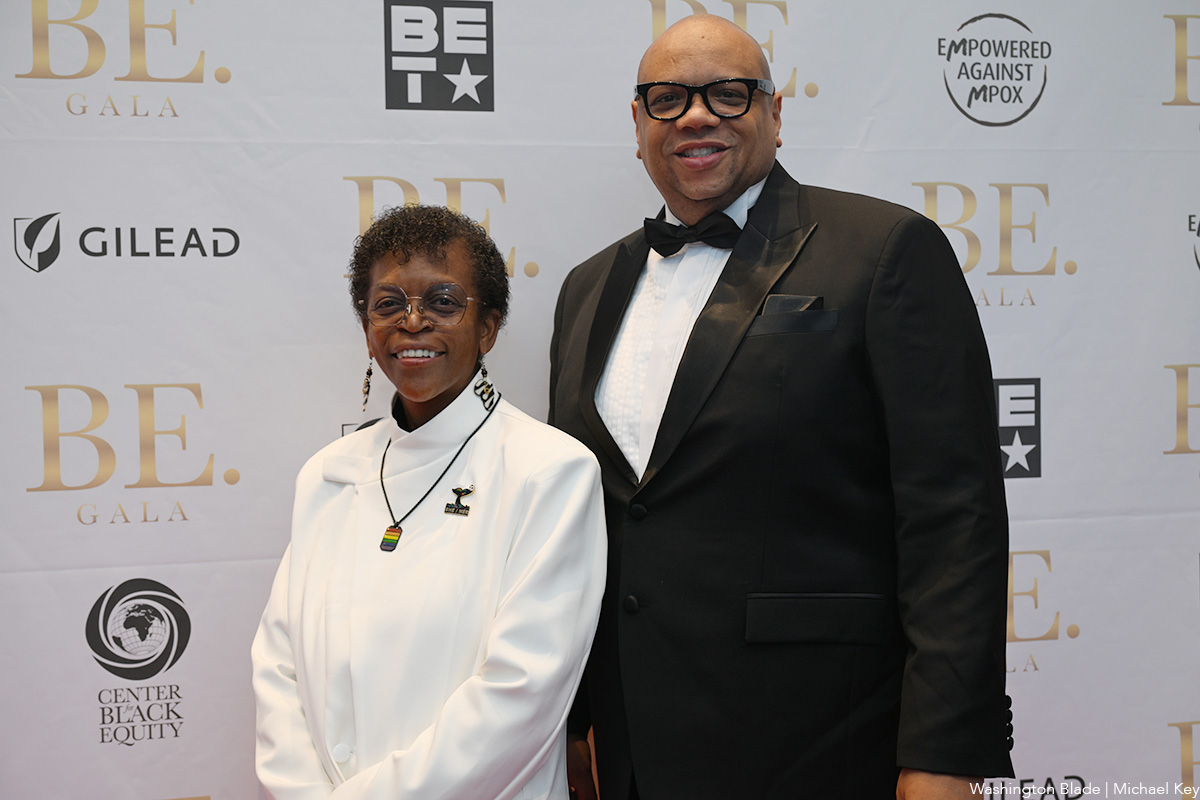
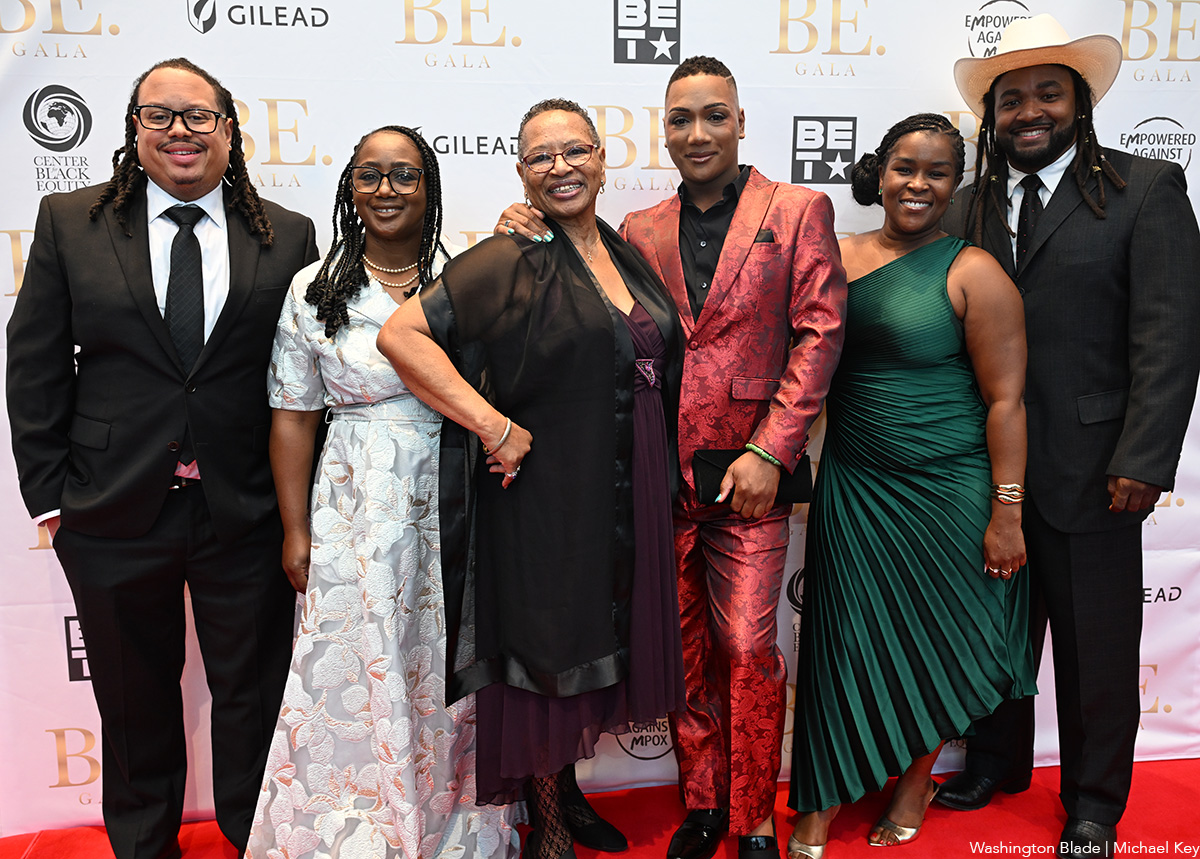
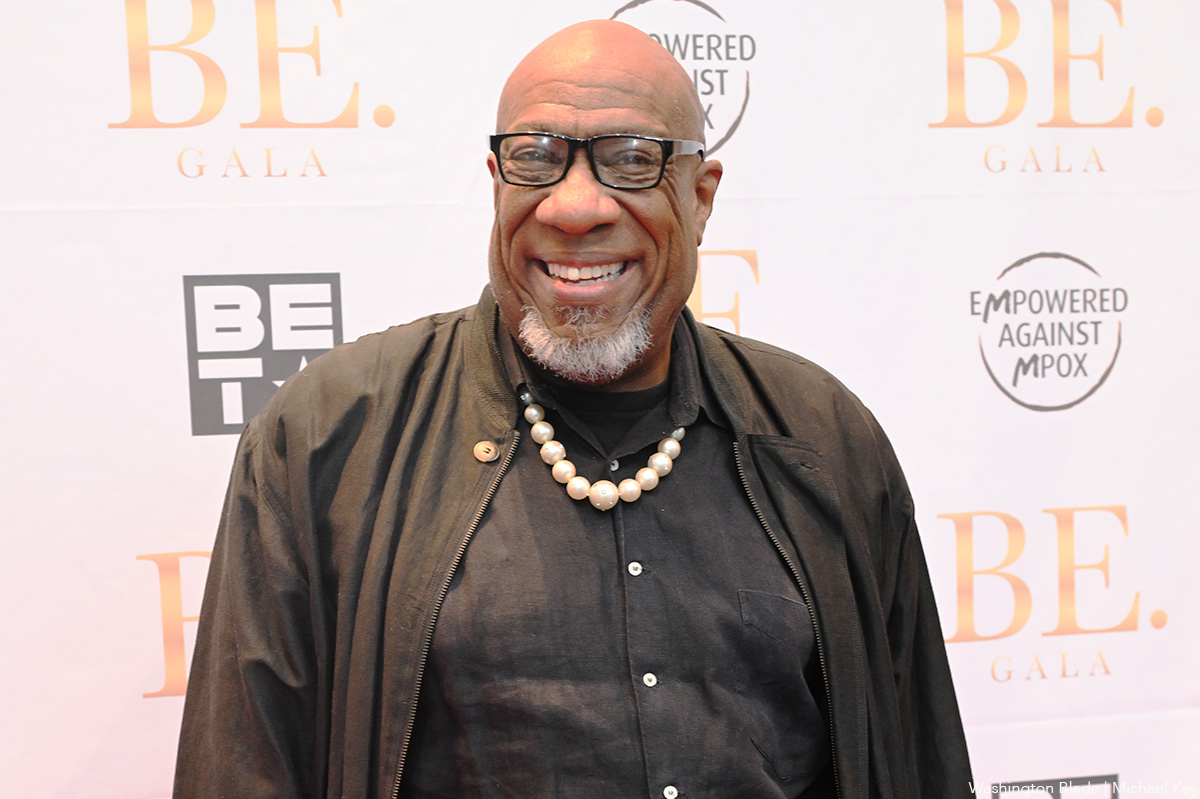
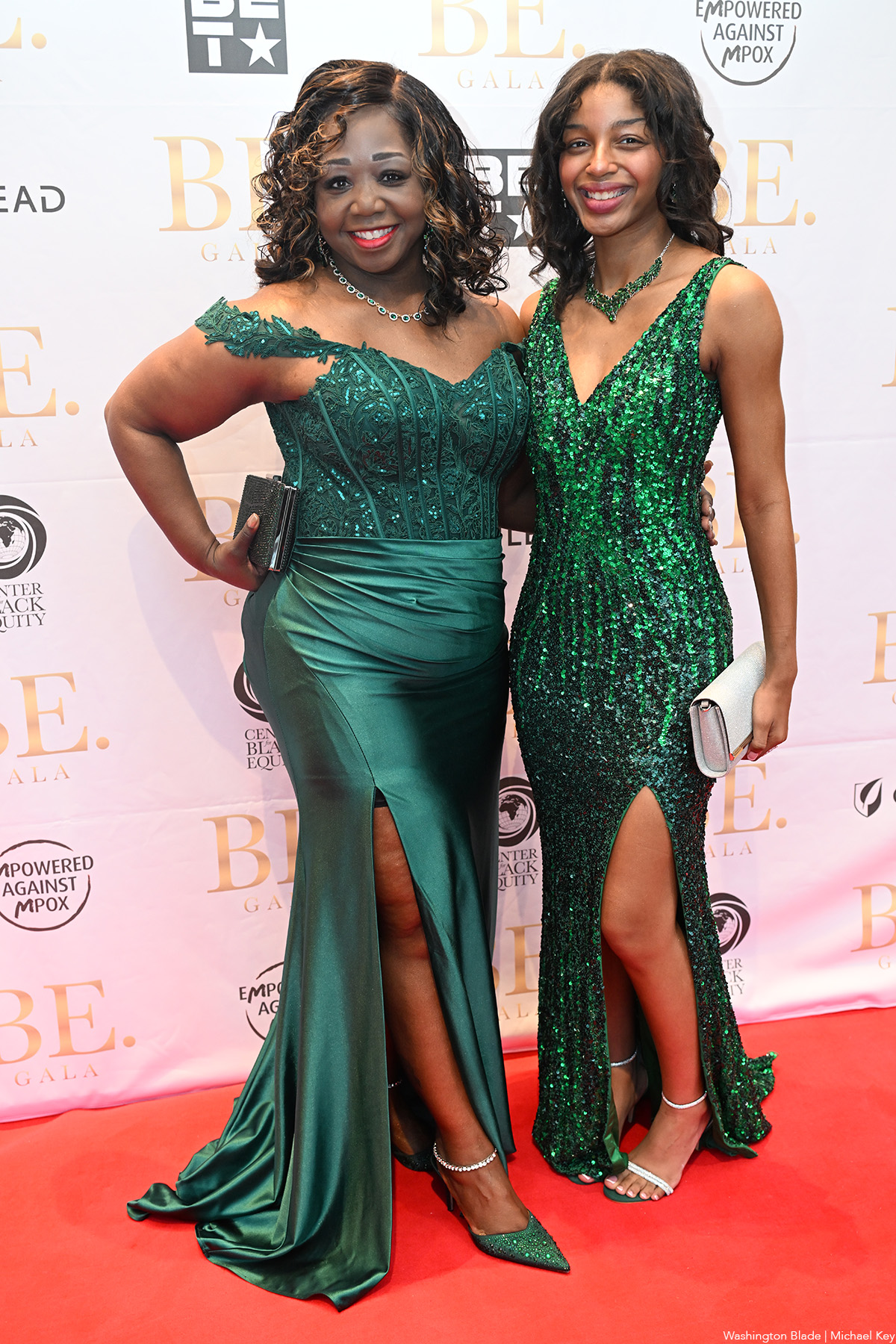
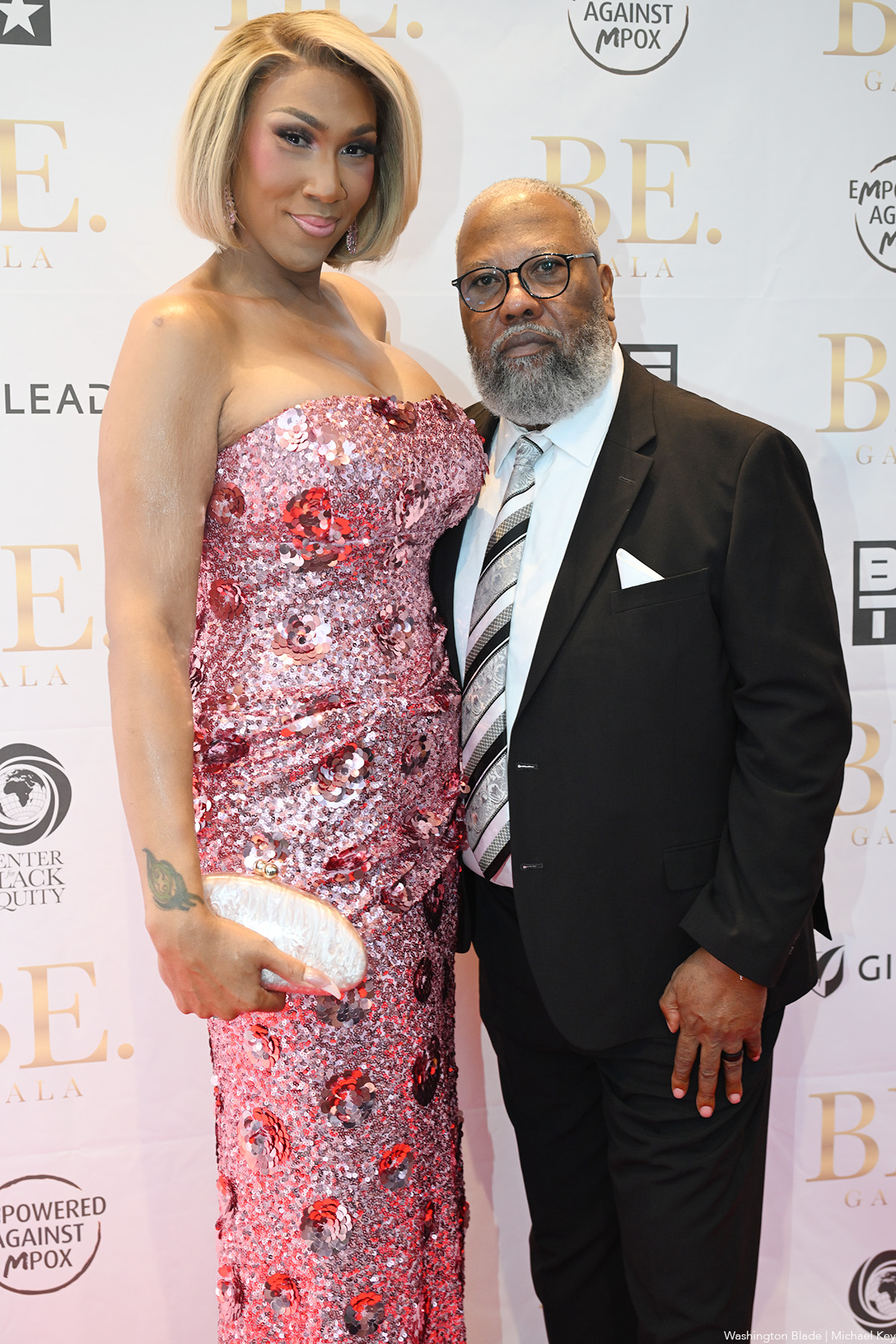
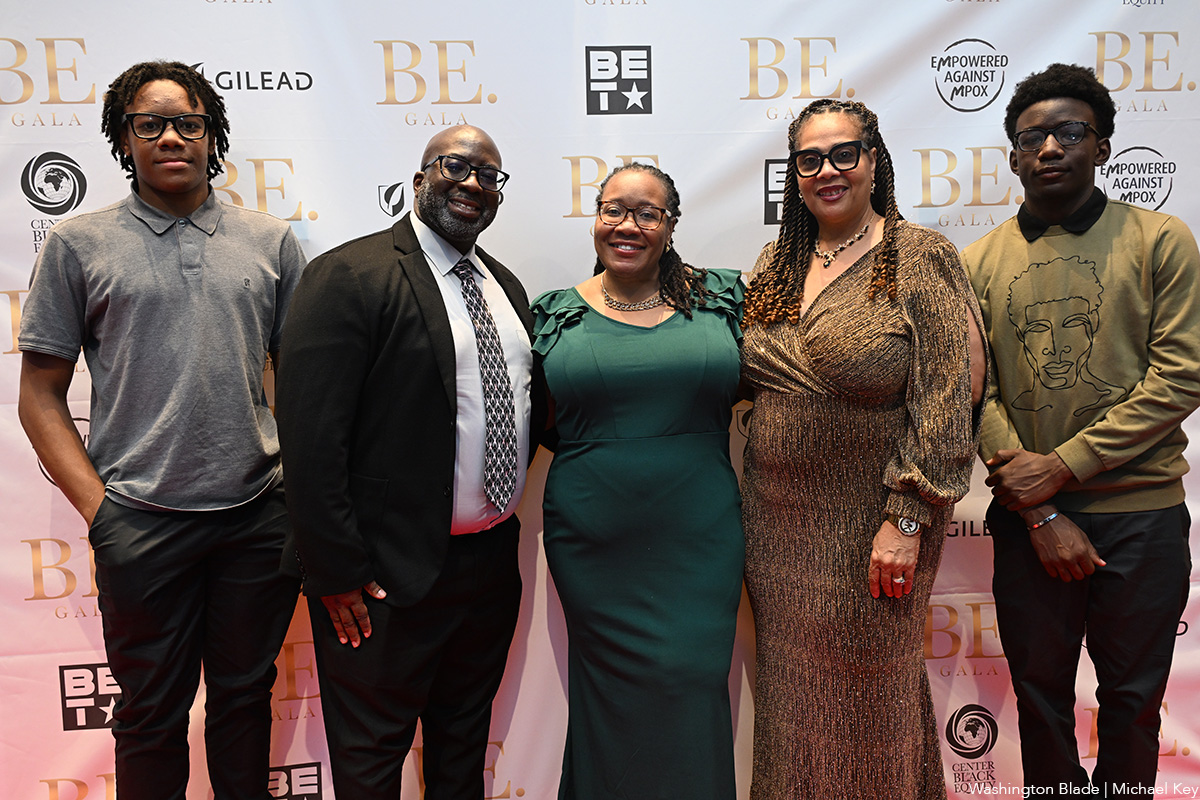
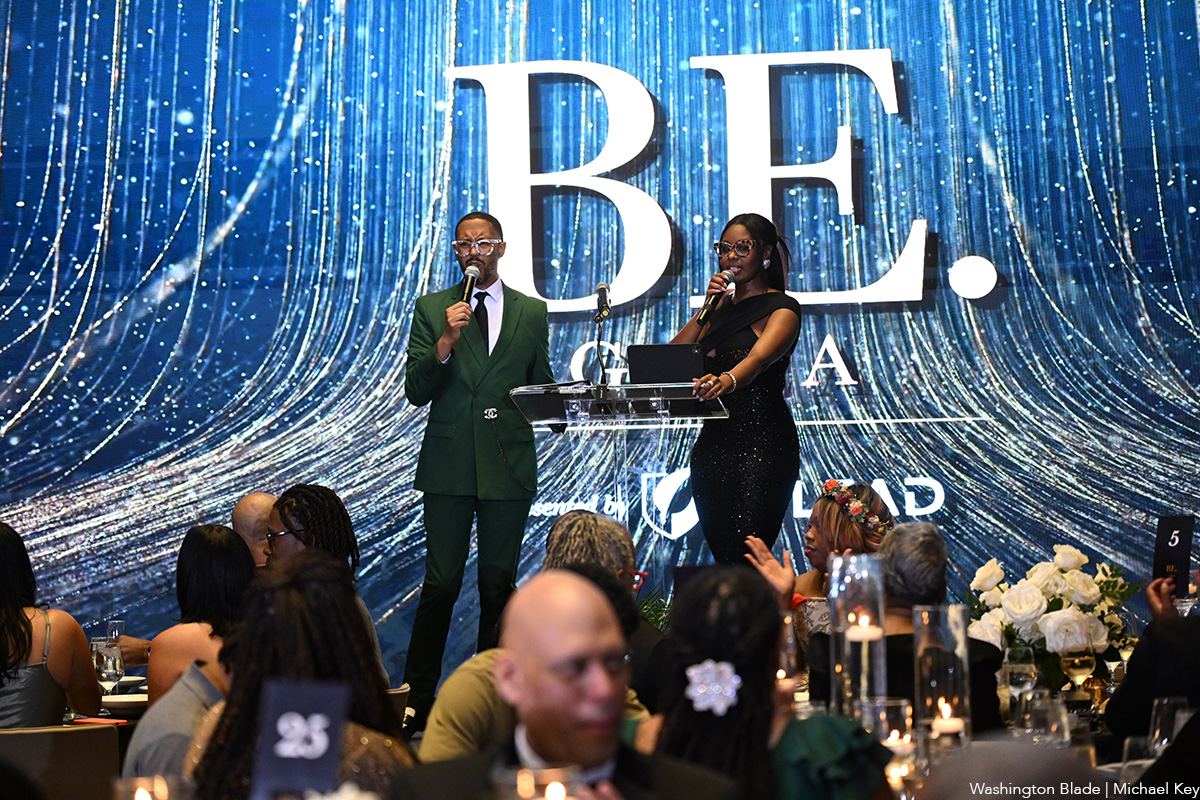
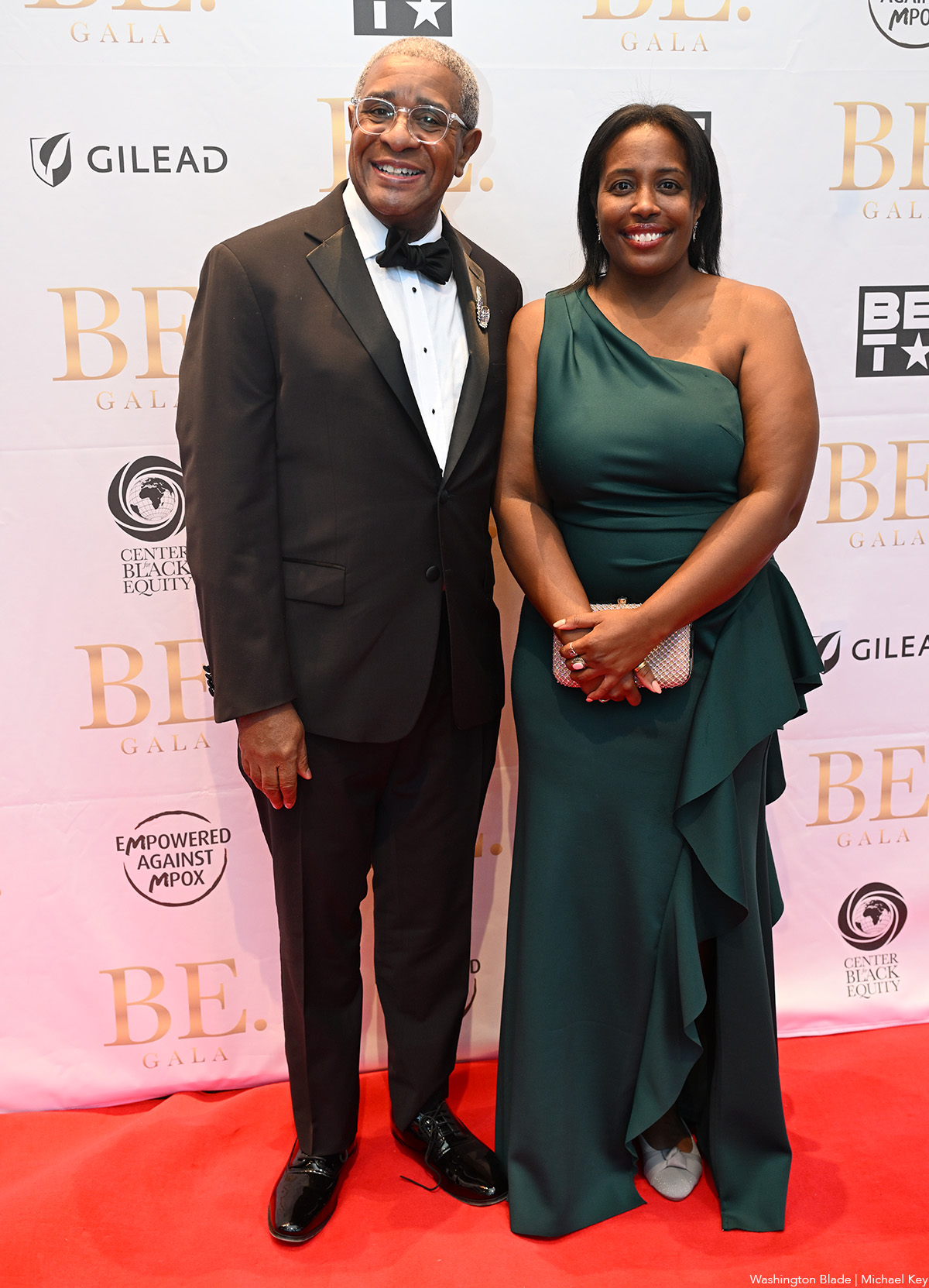
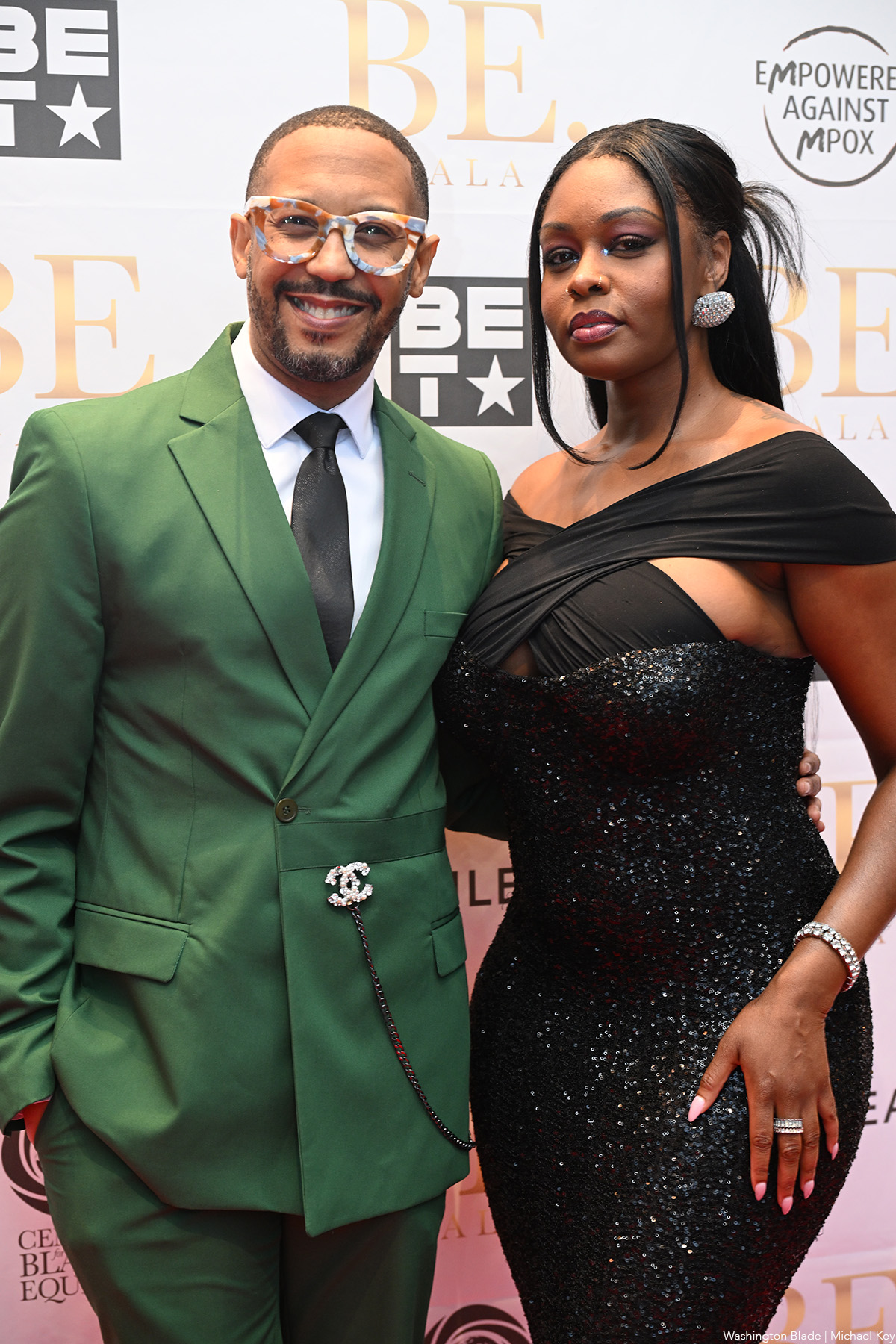
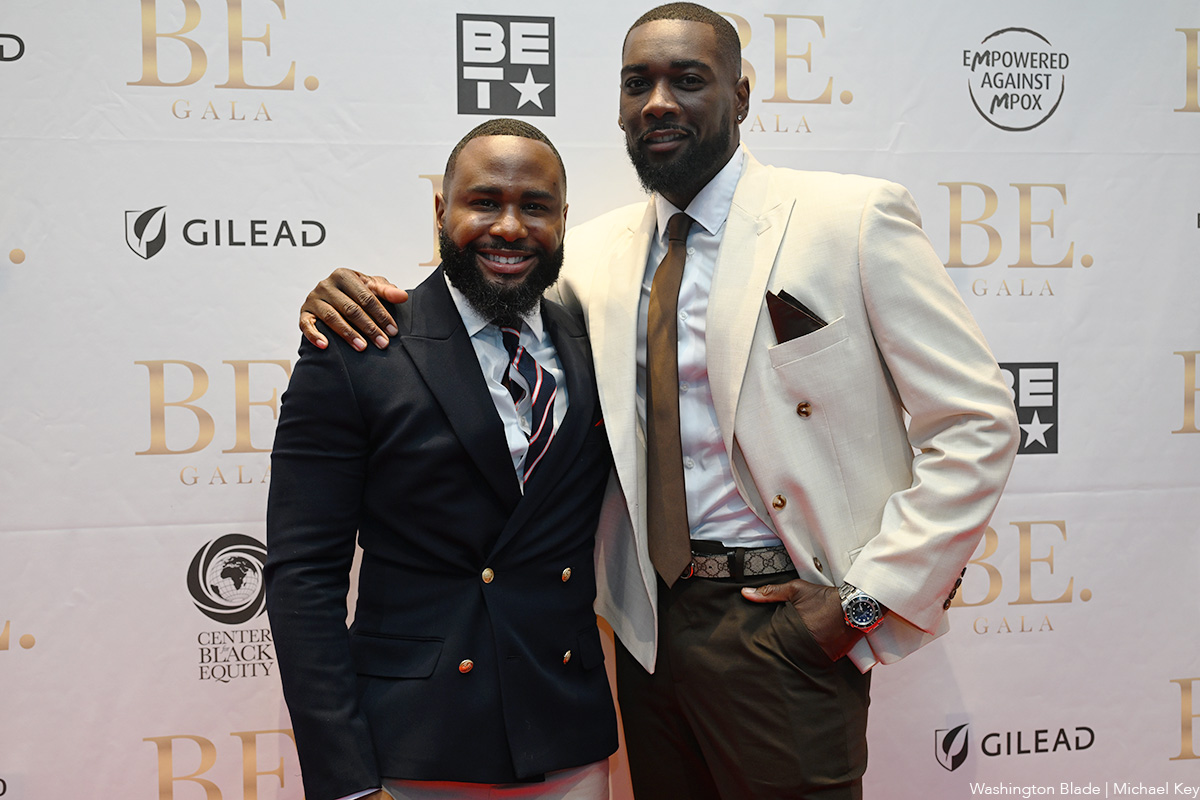
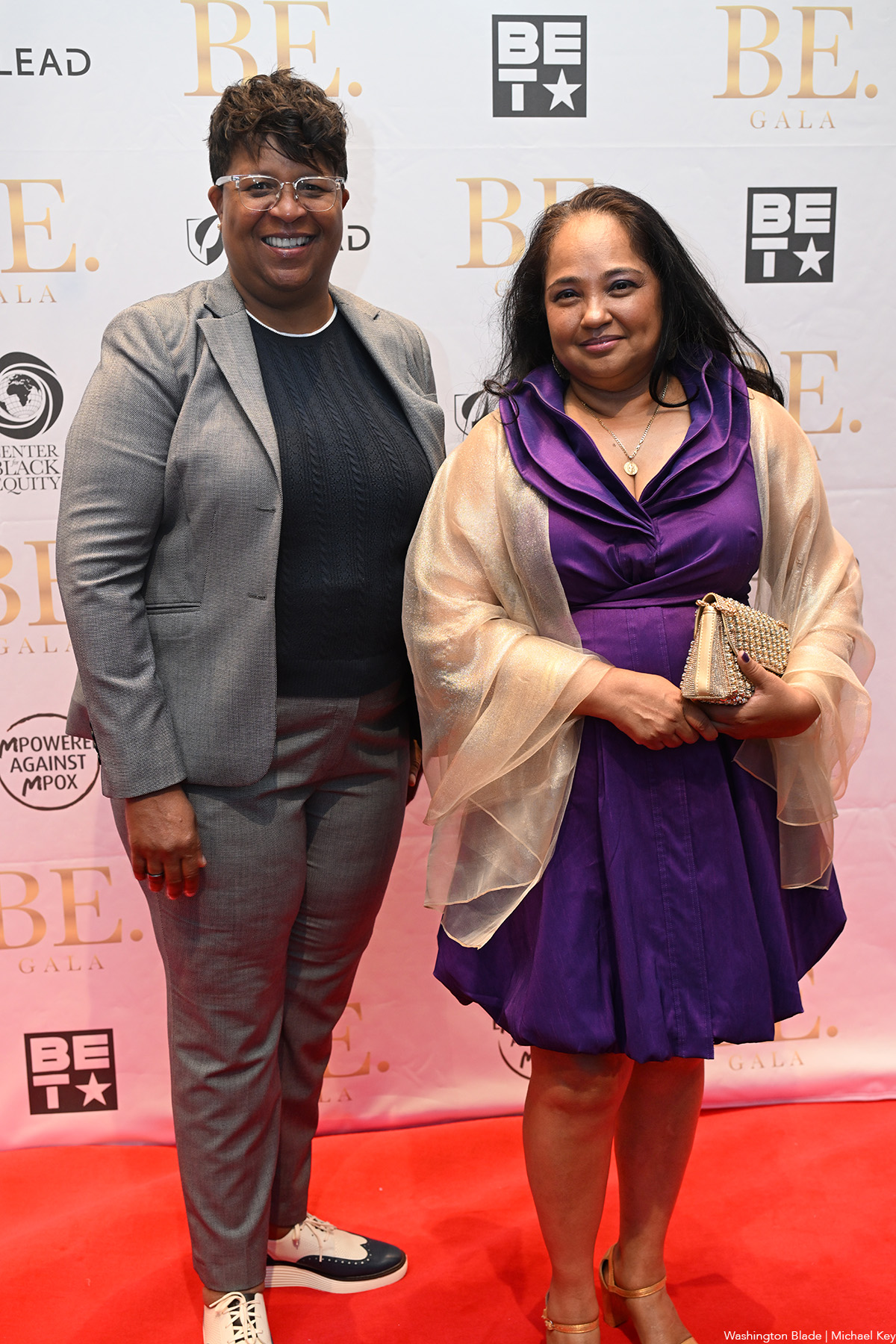
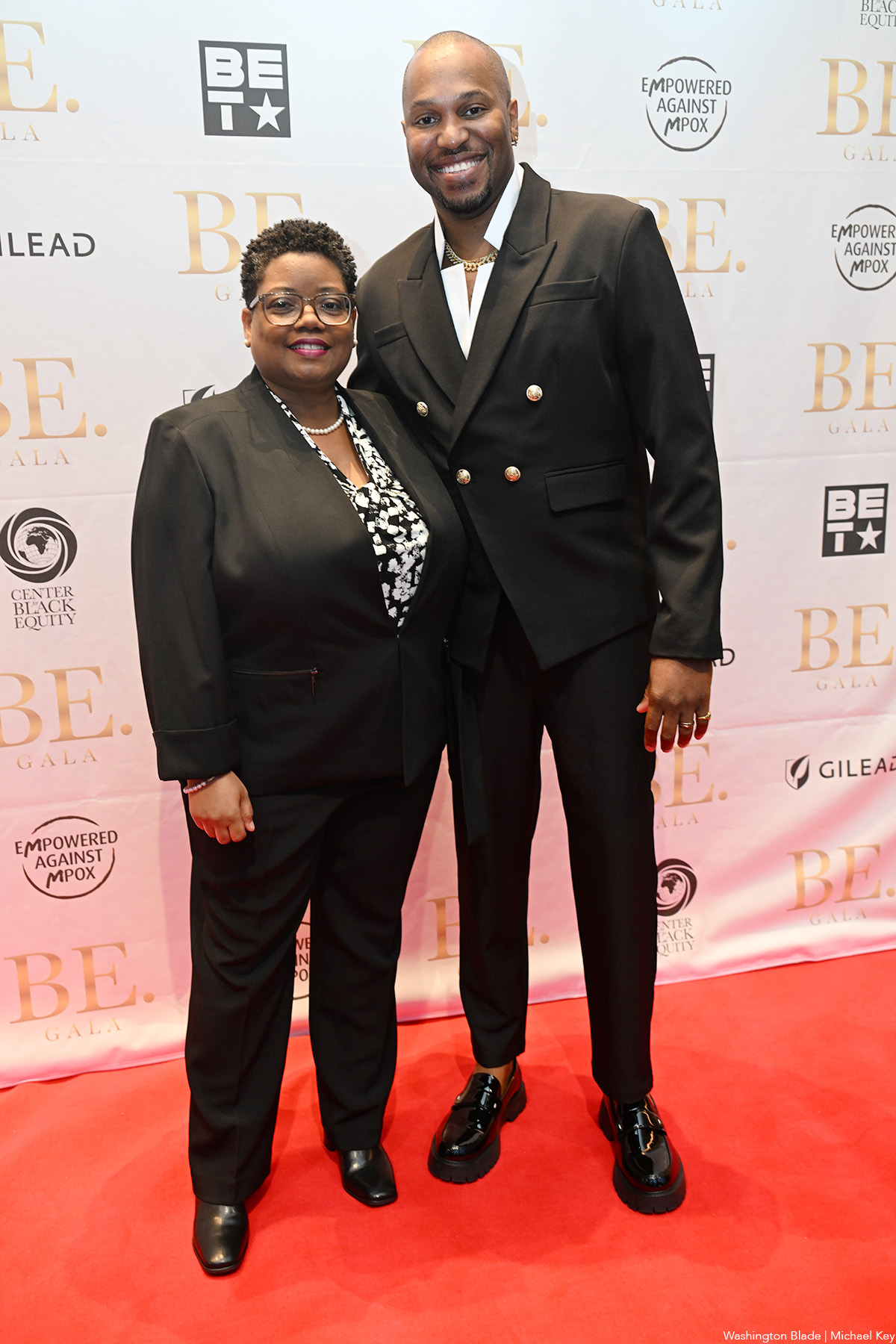
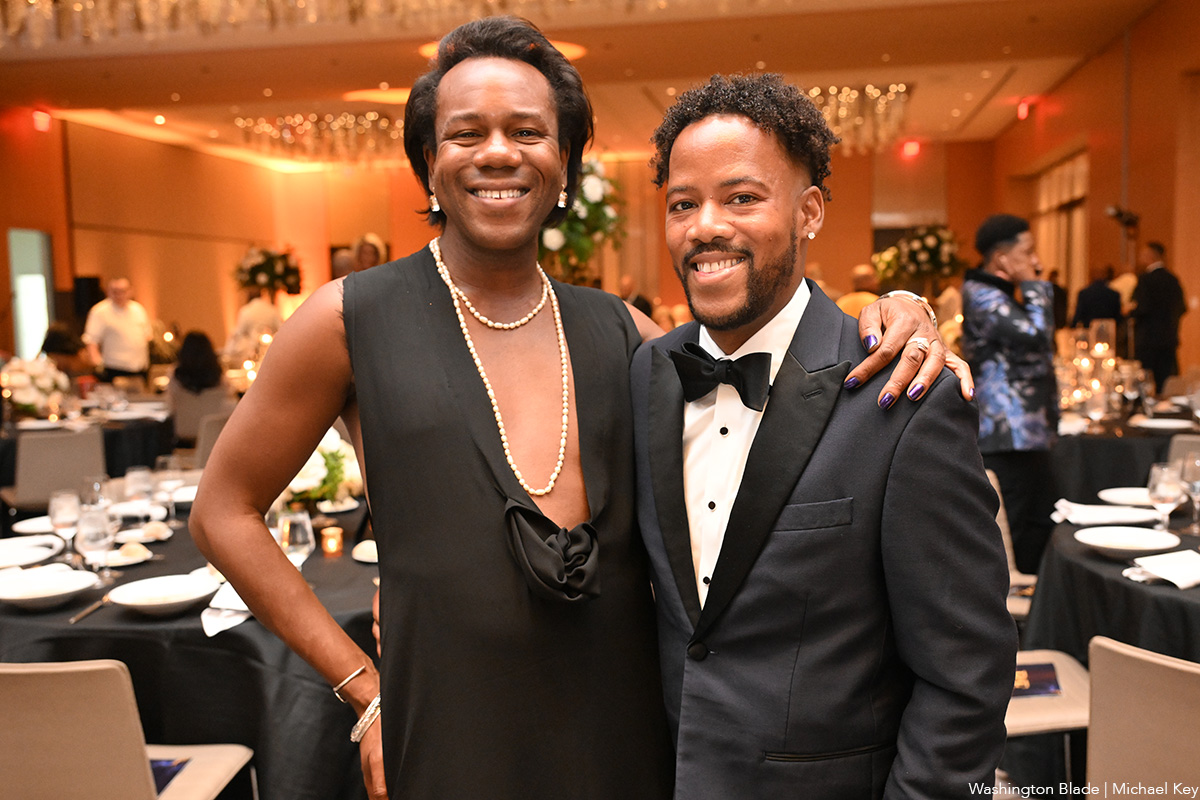
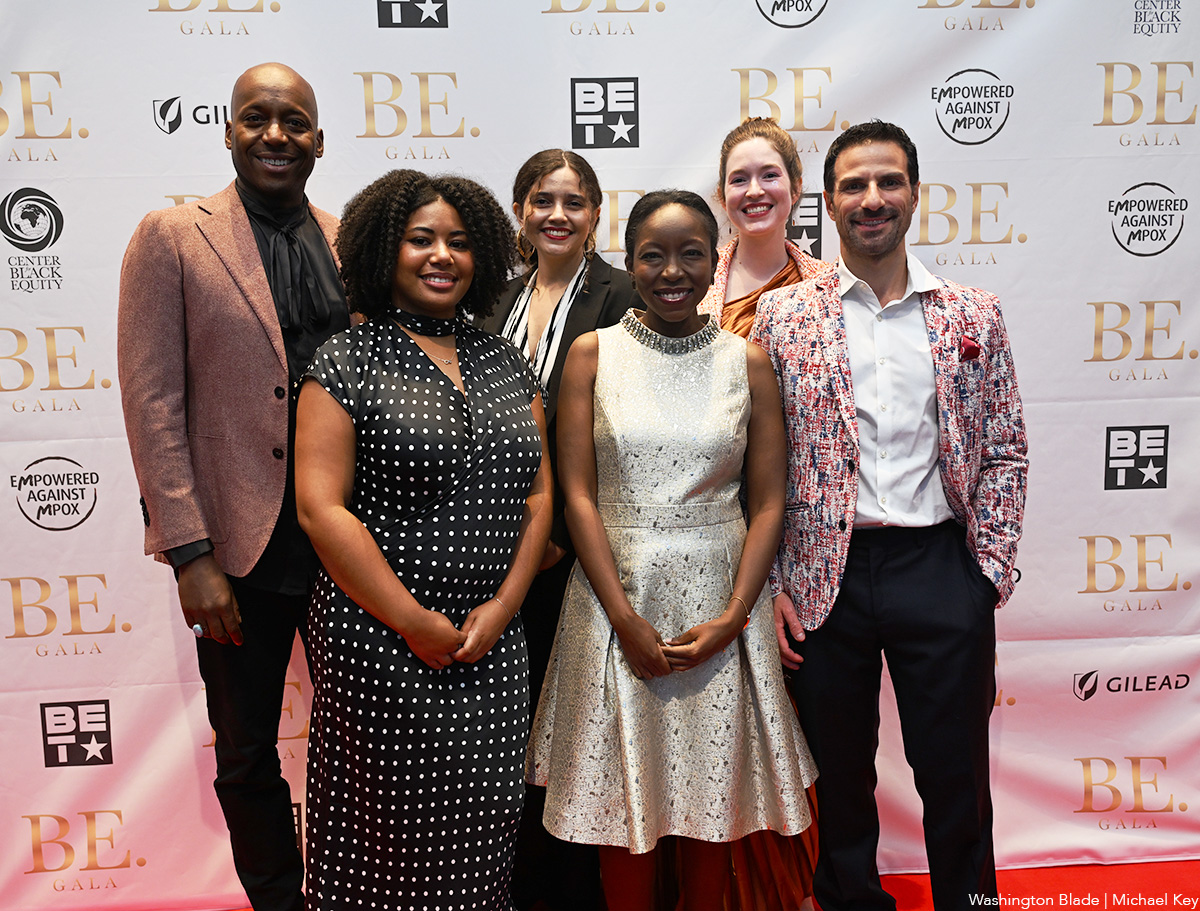
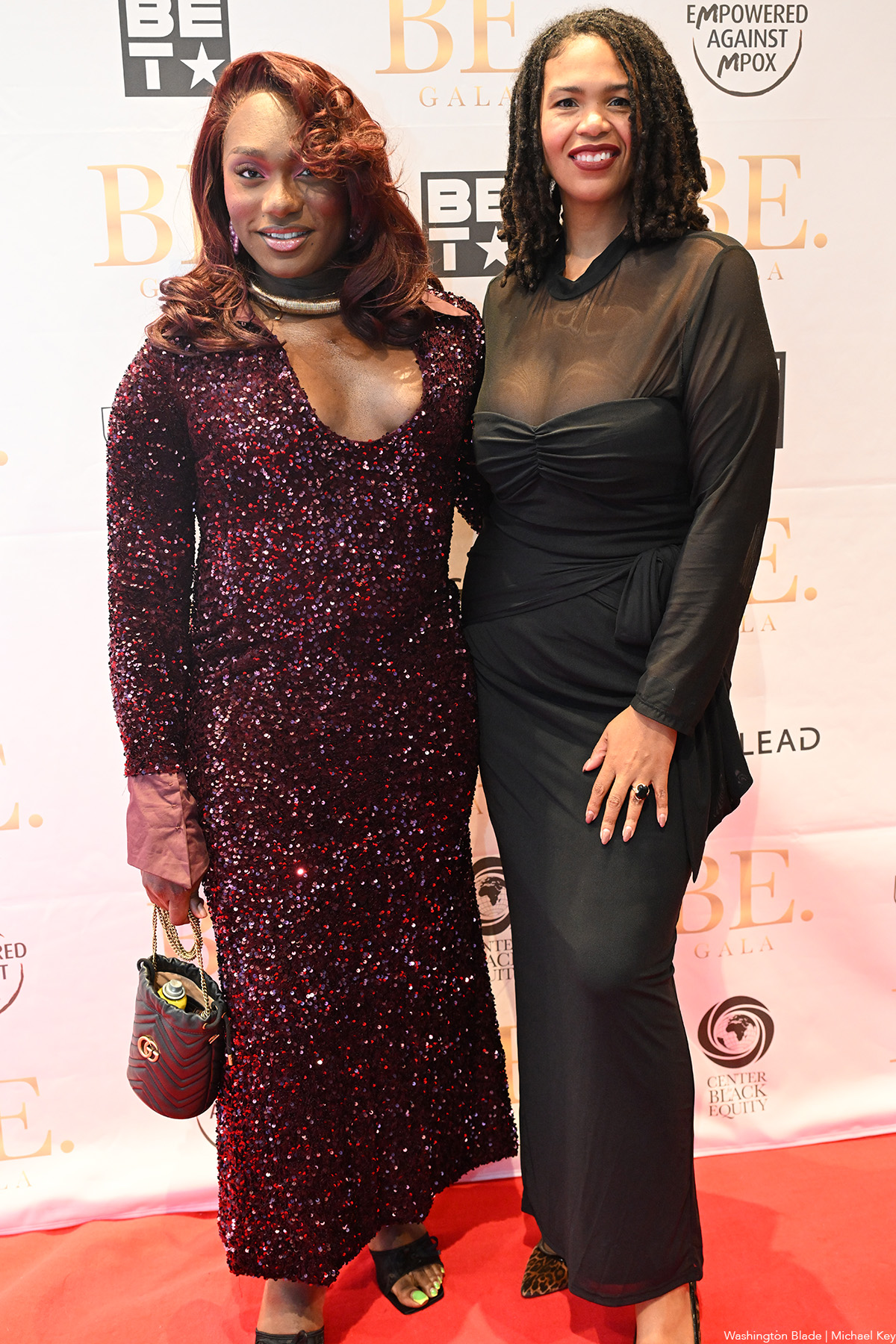
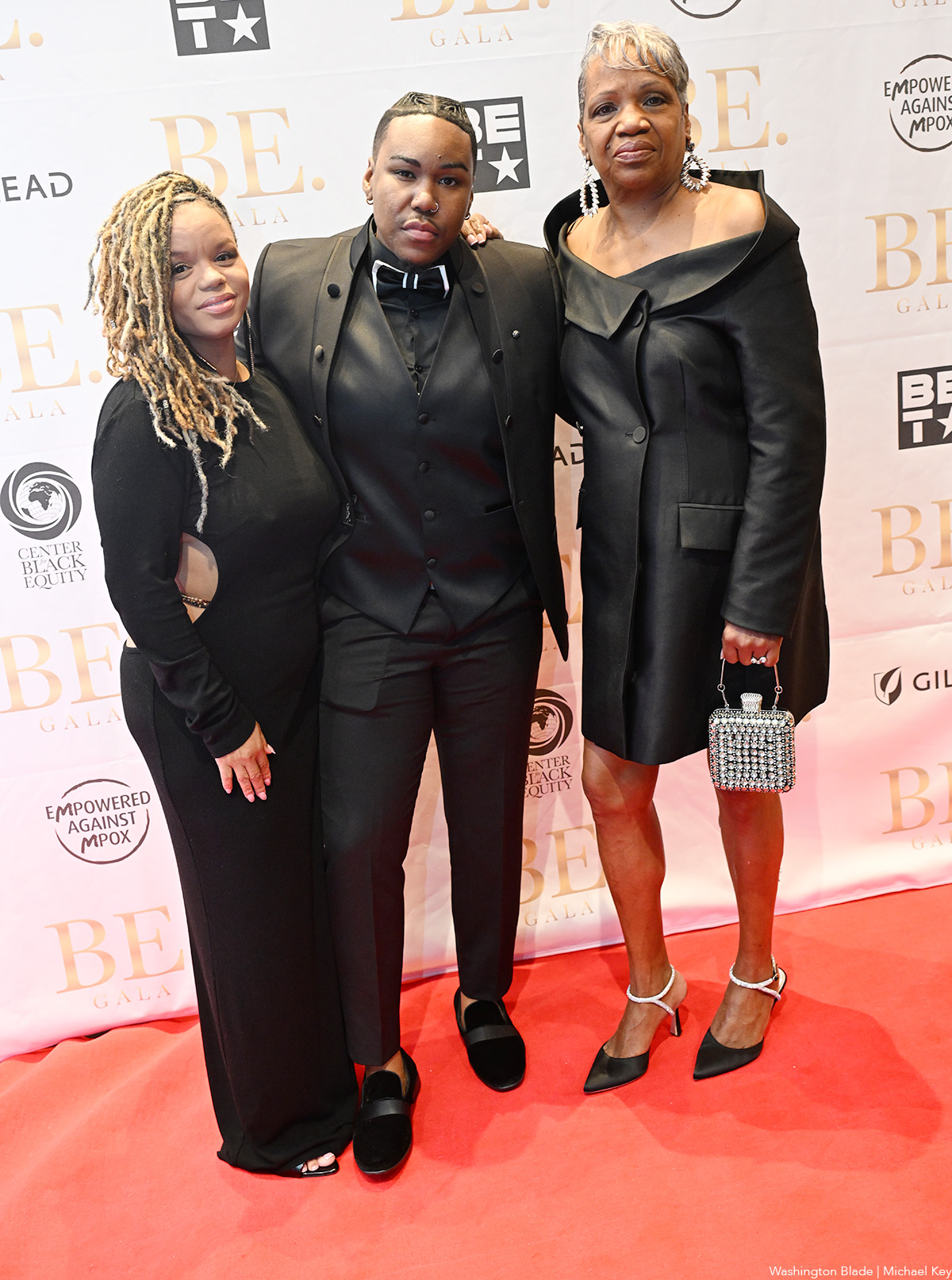
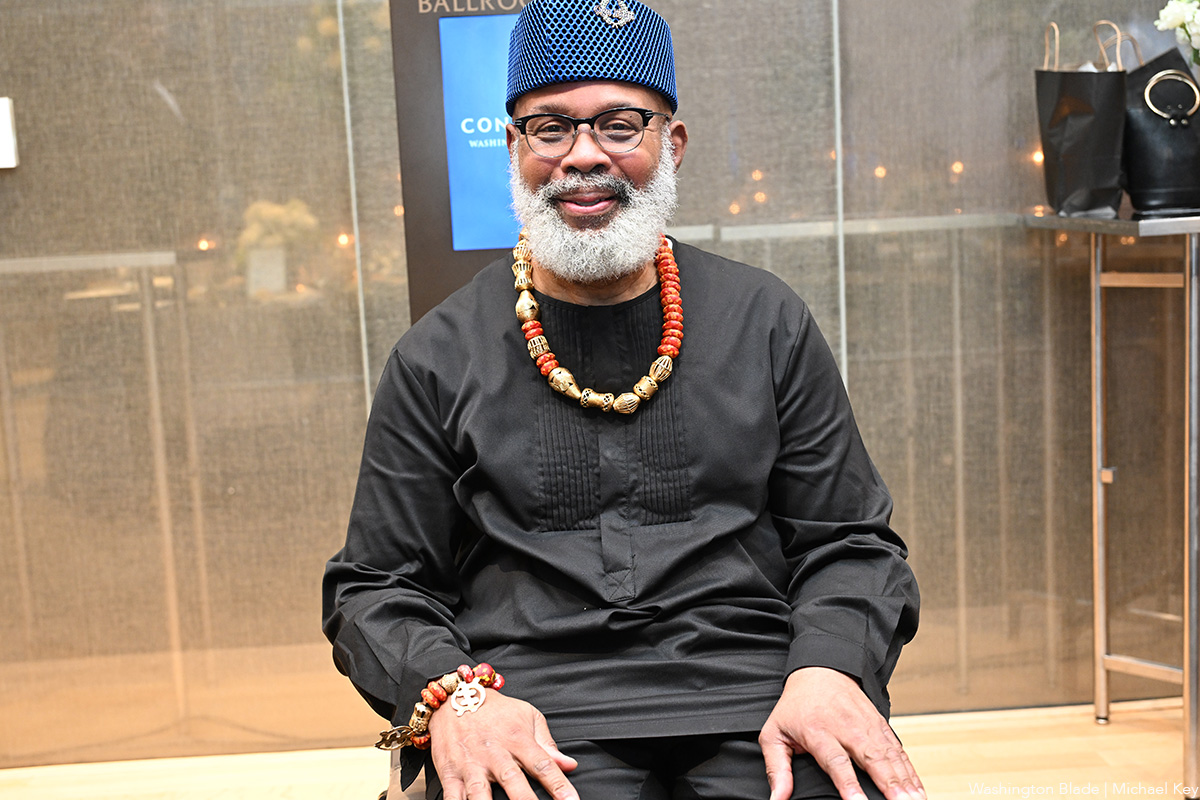
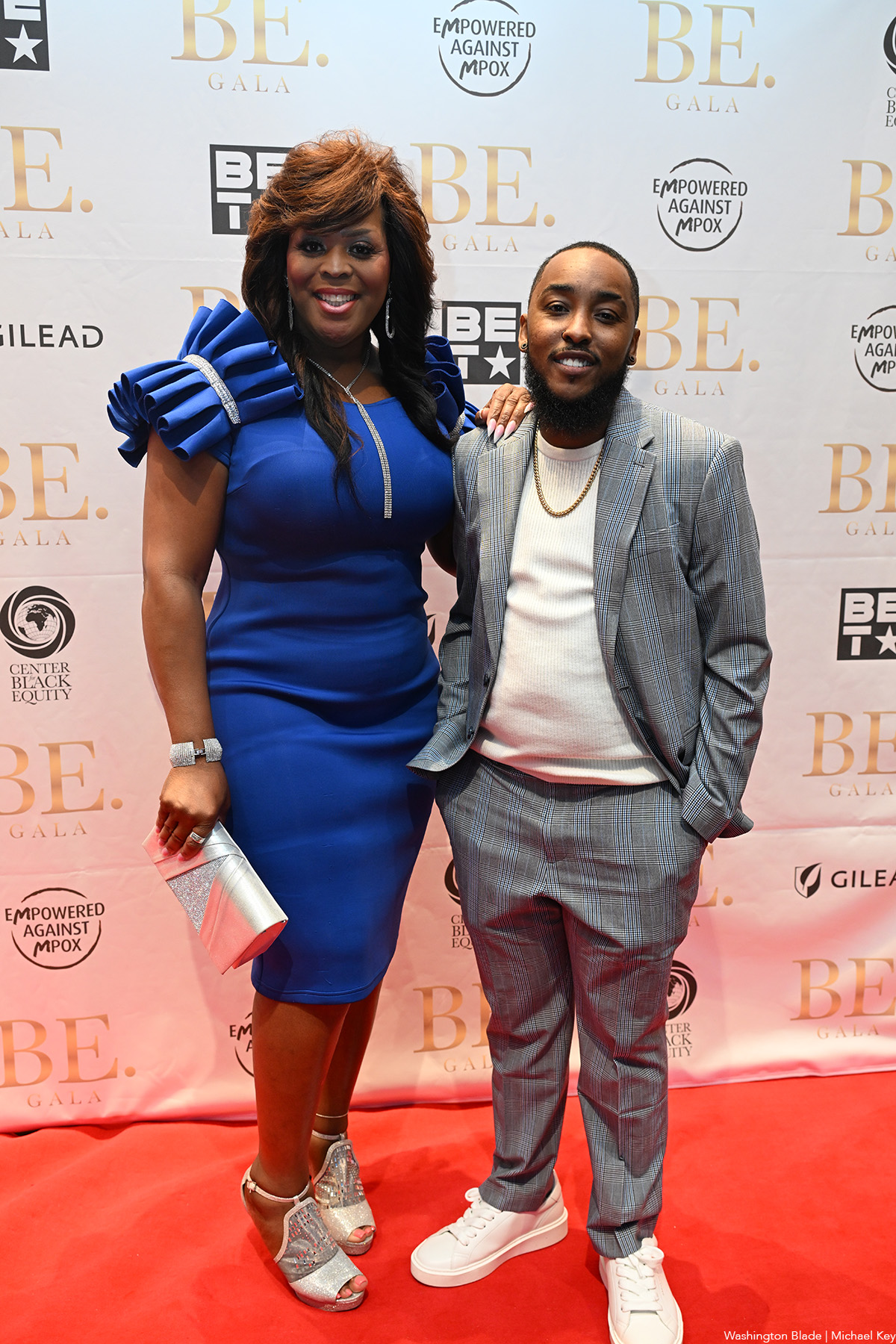
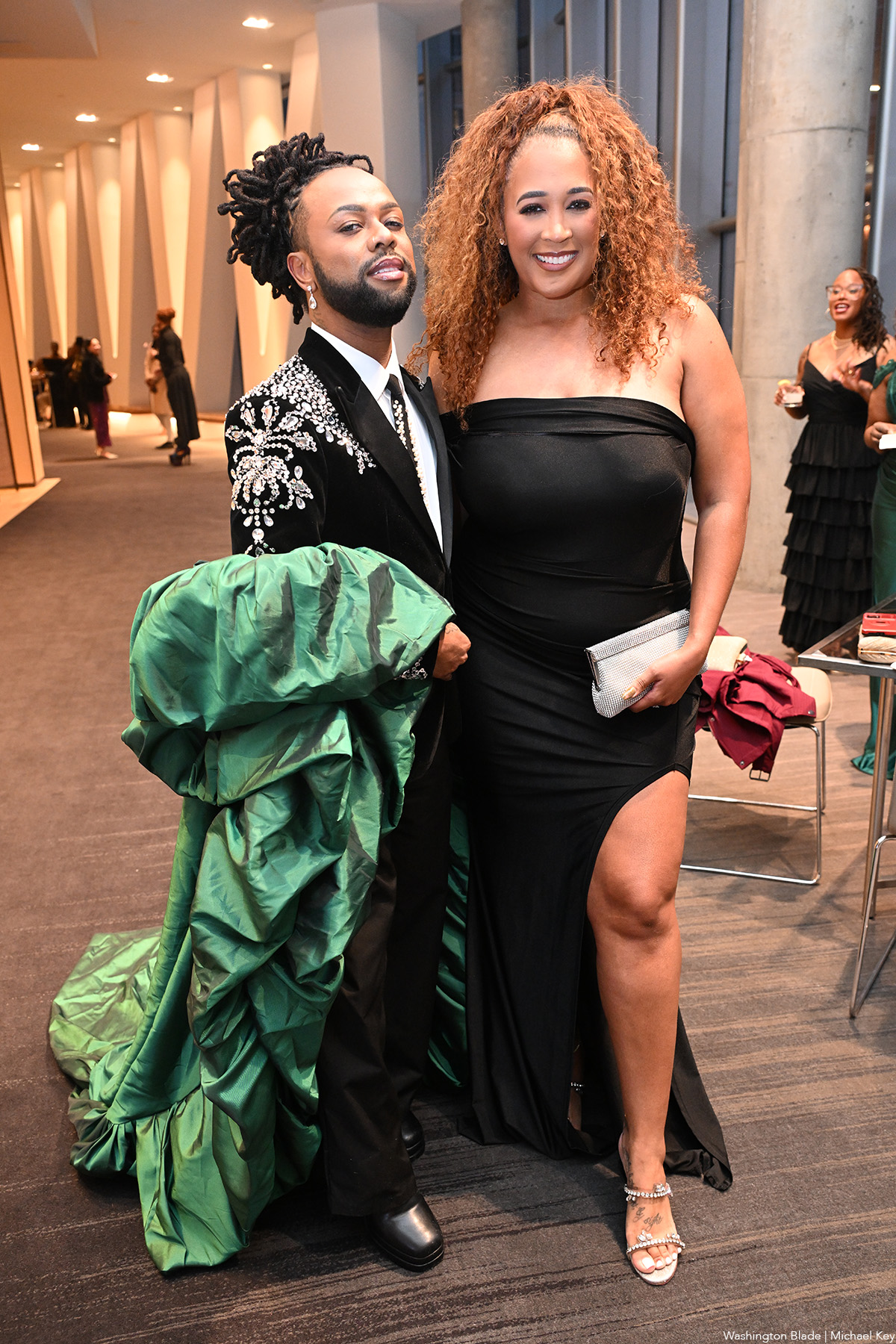
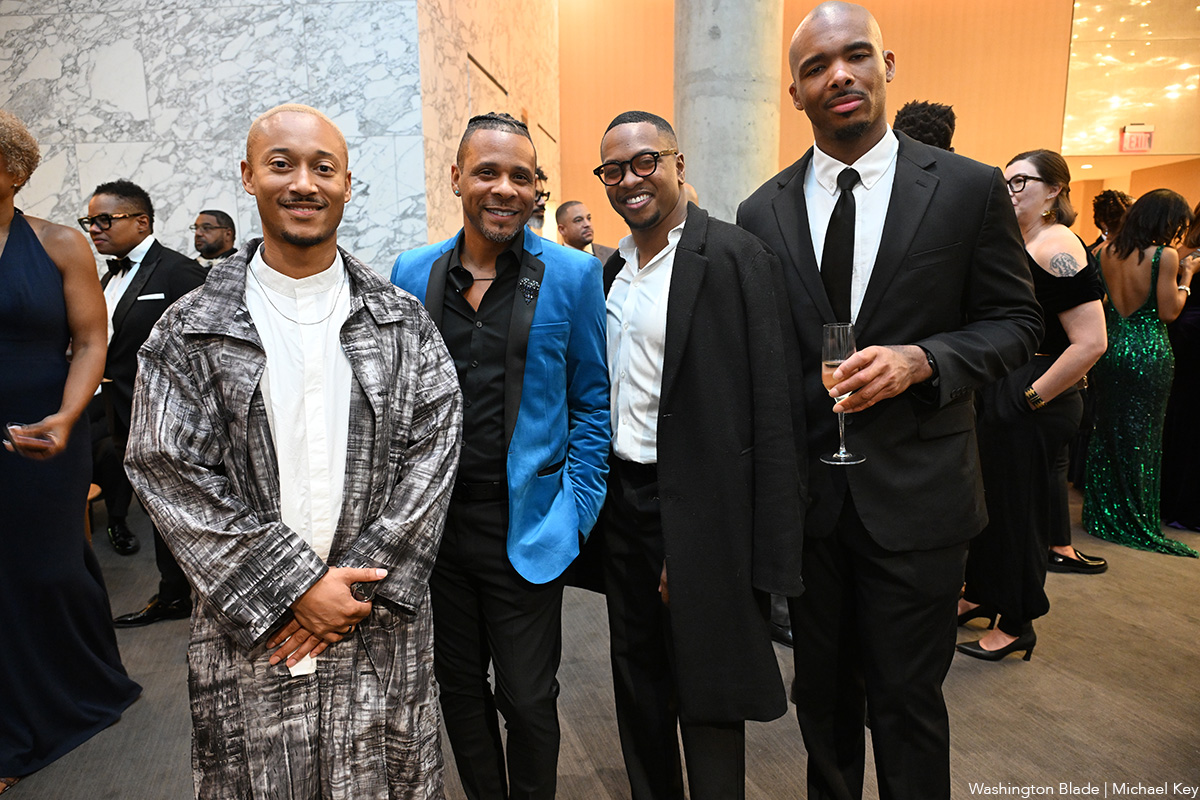
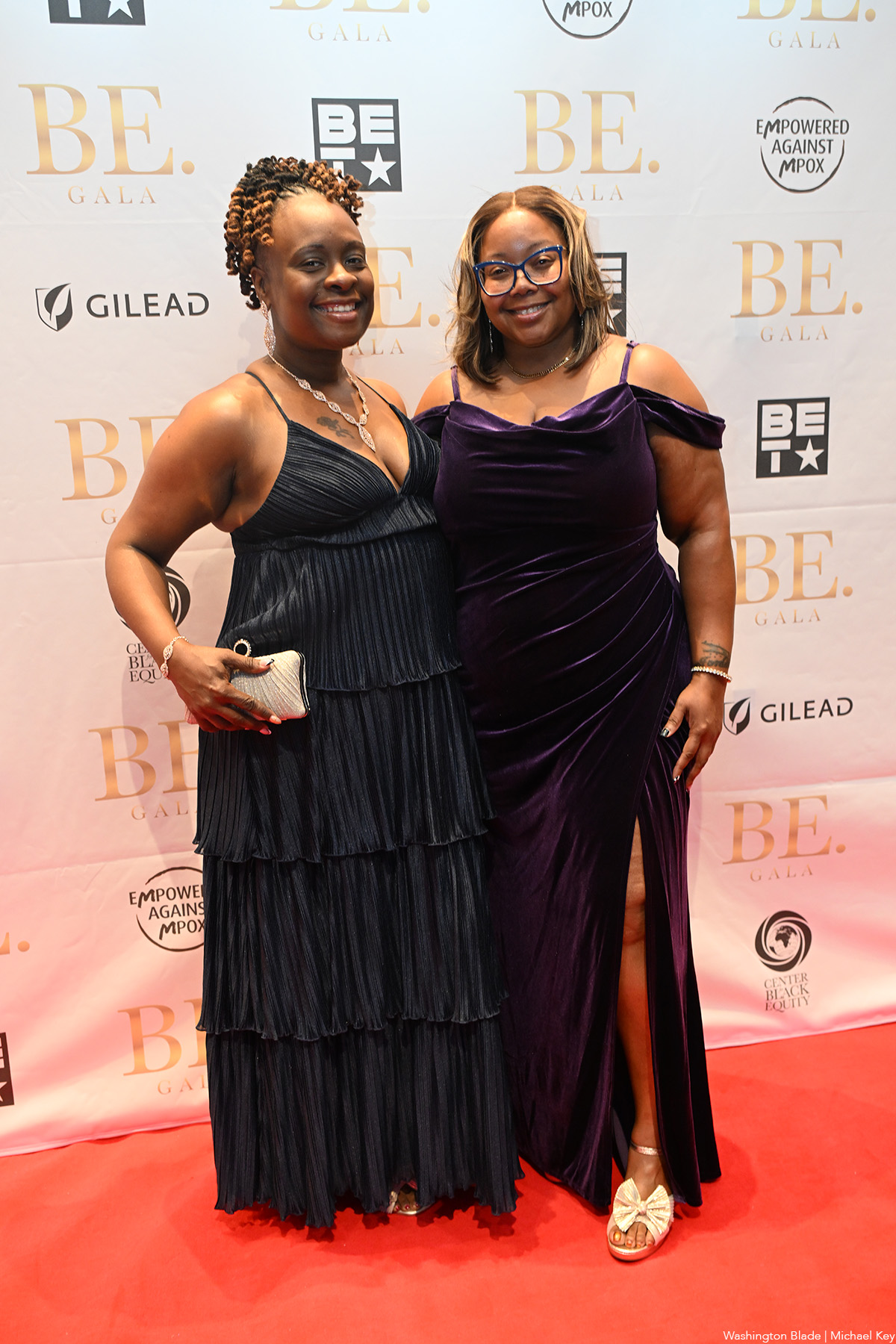
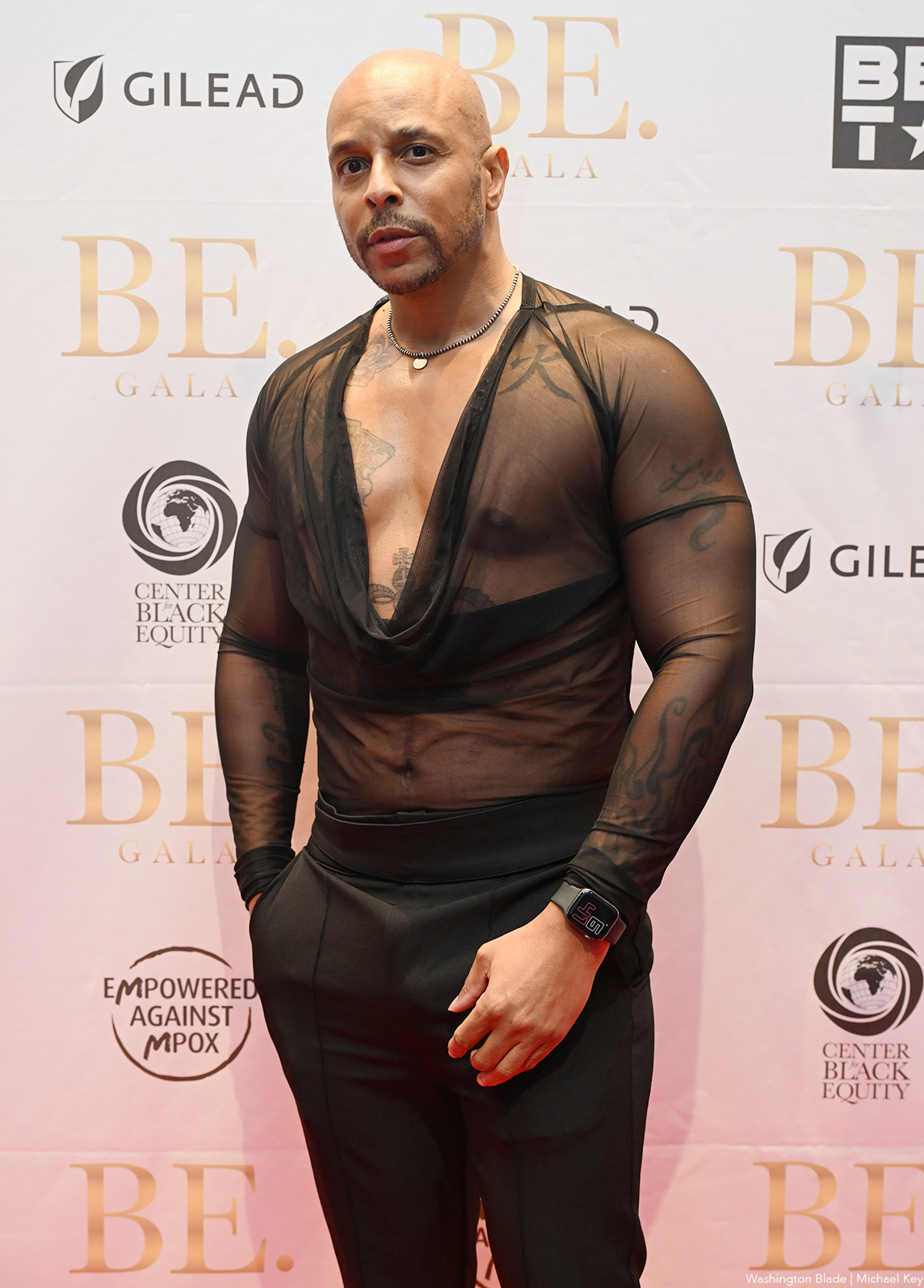
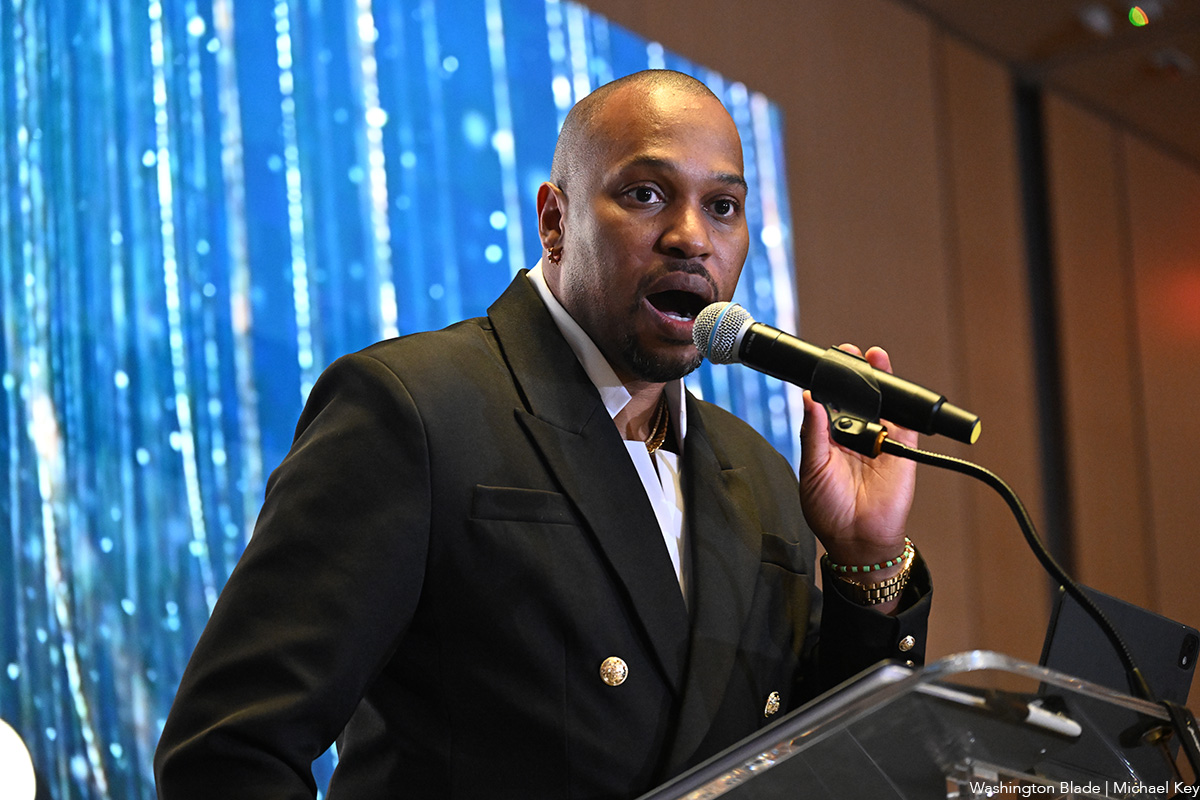
The Center for Black Equity held its annual BE. Gala at Conrad Washington, D.C. on Saturday, Oct. 5. Lolita Leopard Miyake-Mugler and Anthony Oakes co-hosted the awards ceremony.
Honorees included journalist and producer Justin Stewart; nonprofit leader Nikki Alexander; HIV advocate Marlene McNeese; the nonprofit organization FreeLux Project; actress Monroe Alise; public health advocate Tori Cooper; Manassas Park Vice Mayor Darryl G. Moore; Rev. Dr. Carmarion D. Anderson; Bishop Steven Sawyer; government relations professional Courtney Snowden; Senior Deputy Director of HAHSTA at D.C. Health, Clover Barnes; and Texas state Rep. Venton C. Jones.
The event was sponsored by Gilead.
(Washington Blade photos by Michael Key)


Books
In ‘The Lost Brontë,’ a complicated lie can lead to danger
New book features sweetly romantic girl-meets-girl twist
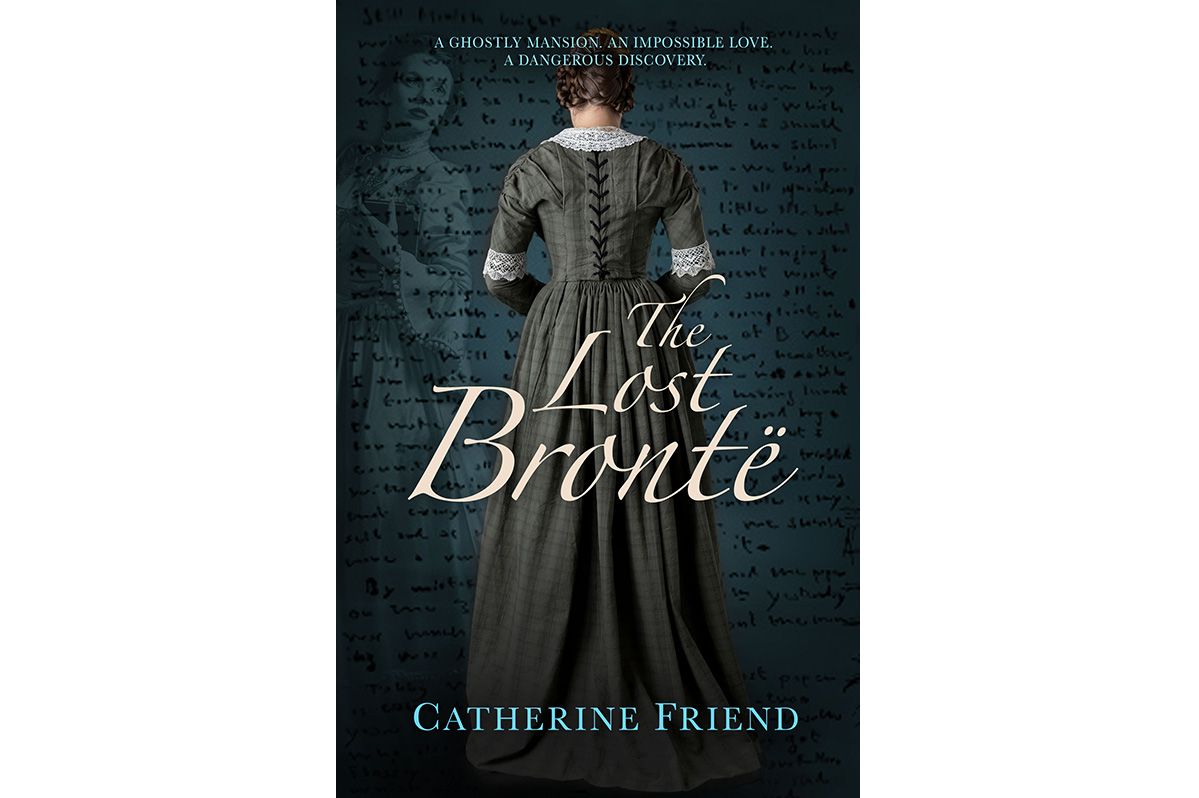
‘The Lost Brontë’
By Catherine Friend
c.2026, Bywater Books
$22.95/335 pages
Mom always said to tell the truth.
One lie leads to another and another and you have to remember them all until pretty soon, you’re caught. Fibs are hard, mistruths are messy, even little white social lies can destroy trust. Worst of all, as in the new novel, “The Lost Brontë” by Catherine Friend, a complicated lie can lead to danger.

Though Lilianne Loxley was very young when she lost her parents, she understood that her uncle didn’t really want her. As time passed, though, Lily made herself useful to Uncle, writing and signing letters for him and she became a good companion, helping him with his collection of Brontë memorabilia. Uncle was a keen enthusiast.
She had no idea that his obsession was out of control and he was deeply in arrears. The day Lily learned of his debt was the day she learned that he’d agreed to send her to his debtor’s home to work off the money owed.
It was so sudden. One minute, Lily was at Loxley House, happy and loved by Uncle’s staff … and five hours later, she was at Crag Thorn Manor, home of Lord Bexton, who informed her that she’d be working on his ledgers – work that seemed routine, but Lily tackled it.
Uncle always did say she was headstrong.
But would headstrong be enough to survive, when she was restricted from most of the Manor, when she was forced to dine with Brexton and his slimy friend, or – the worst! – when Brexton told Lily that her next task was to forge a letter from Emily Brontë? And then an entire manuscript?
Lily struggled to do what was right. She had to get Uncle out of debt but this last order horrified her. Did she dare refuse Brexton’s orders and commit a crime? It was unthinkable!
The only brightness in the whole situation was Wren, the ladies’ maid assigned to Lily’s room. Wren was adorable with freckles and the sweetest smile. But with everything else happening at Crag Thorn Manner, could Lily act upon her feelings?
This time of year, you may come to crave dark, spooky stories, and “The Last Brontë” fits those needs perfectly with its Gothic deliciousness. Think: Daphne du Maurier-type, stormy-night squirms with a dangerously chaste, sweetly romantic girl-meets-girl twist for fun.
If it’s been awhile since you’ve read a Gothic novel, you’re in for a nice reminder of why you love them here. You can almost tick off the must-haves: a novel like this is nothing without a foreboding stone manor with damp walls; stone steps to a dank basement; a mysterious portrait; and a nearby bog, and author Catherine Friend gives readers every one of them. You’d be disappointed if there was no ghost, wouldn’t you? Ha. You can practically feel the cold blow through the attic, right? Yeah, it’s that kind of book.
If you’re a fan of the Brontës, you’ll like this novel. If you love Gothic mysteries or Victorian romances, ditto. “The Lost Brontë” is good, no lie.
The Blade may receive commissions from qualifying purchases made via this post.
Out & About
CAMP Rehoboth Block Party returns Oct. 18
Expect performances, vendors and more at annual celebration

CAMP Rehoboth will host its annual Block Party celebration on Sunday, Oct.18 at 11 a.m. on the second block of Baltimore Avenue in downtown Rehoboth Beach.
CAMP Rehoboth invites all community members to join in the festivities and to expect magnificent performances and dozens of vendors, including artists, craftspeople, non-profits, businesses, and more.
The event started in 2015 in celebration of CAMP Rehoboth’s 25th anniversary. This year, attendees can expect to shop sea glass art, pottery, jewelry, Pride merch, body care, clothing, and learn more about local non-profit causes and businesses.
Attendance is free. For more details, visit CAMP Rehoboth’s website.

Annie Andrews denounces trans athletes after Trump targets her

On Republican Long Island, gay Democrat Chris Gallant bets on public service over politics

Report: LGBTQ exclusion costs Japanese economy billions a year

Center for Black Equity honors leaders, activists at BE. Gala

In ‘The Lost Brontë,’ a complicated lie can lead to danger

U.S. int’l trade negotiator, consultant James Bedore dies at 82

Campaign urges Virginia High School League to reverse stance on trans athletes

Calif. GOP gubernatorial candidate ad ‘disgusting attempt to exploit lesbian intimacy’

Center Arts Gallery celebrates 10 years with reception, auction

Trump, Netanyahu, and Putin are all war criminals
-

 Obituary4 days ago
U.S. int’l trade negotiator, consultant James Bedore dies at 82
-
Virginia4 days ago
Campaign urges Virginia High School League to reverse stance on trans athletes
-
California4 days ago
Calif. GOP gubernatorial candidate ad ‘disgusting attempt to exploit lesbian intimacy’
-
Commentary4 days ago
Center Arts Gallery celebrates 10 years with reception, auction