News
GOP Montana congressman implies challenger a lesbian by choice
Rep. Zinke says he doesn’t mind ‘if you want to be a lesbian’
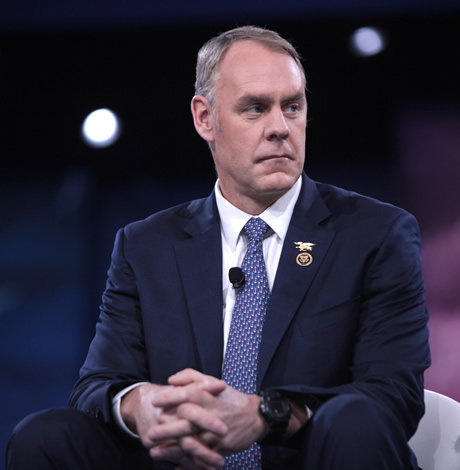
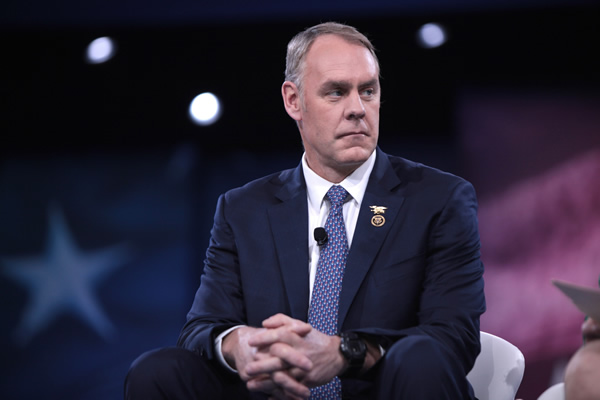
Rep. Ryan Zinke (R-Mont.) (Photo by Gage Skidmore; courtesy Flickr)
A Republican who represents Montana in the U.S. House told the lesbian Democrat challenging him for his seat he doesn’t mind “if you want to be a lesbian,” implying he believes being gay is a choice.
Rep. Ryan Zinke (R-Mont.) made the remarks Wednesday night during a debate in response to a question from an audience member about what the candidates would do to protect LGBT rights.
Denise Juneau, who’s gay, quipped the question was an “awesome” one for her. The way she would accomplish that goal: “Number one, get elected.”
Juneau, who’s currently Montana’s state superintendent of public instruction, also invoked the history of Montana, a state that elected a woman to Congress before women were guaranteed the right to vote in the United States, and her Native American heritage.
“We elected a woman before women had the right to vote,” Juneau said. “A century later it’s time for another woman to serve in congress. We also have never had an American Indian woman serve in Congress from anywhere in the country. That’s what can happen this election cycle when you elect me. We also have not ever had an openly gay federal candidate. Those are all bonuses when Montanans elect me, and representation matters.”
Based on her experience observing the state legislature, Juneau said “representation matters” because when different kinds of people are elected new policy is discussed and stereotypes are broken down.
“That’s what I’ve done as state superintendent – is made sure every student who steps through the doors of a public school, and this is the work of our local school boards across the state too, are safe, protected and have safe learning spaces,” Juneau said. “I’m an advocate for that and I’ll continue to be an advocate for all Montanans when I get elected.”
Zinke invoked the Constitution in his response and suggested he supports freedom of expression and religion.
“And so I do support you – if you want to be lesbian, you want to be Muslim, you want to be whatever,” Zinke said. “It doesn’t matter to me. It doesn’t matter. It doesn’t matter to me. And it doesn’t matter in Montana and it doesn’t really matter in this election because Montanans generally aren’t that way.”
The audience can be heard booing Zinke, although based on the audio it’s not clear if that’s for saying he supports the candidate or for erroneously implying being gay is choice.
“As a military officer it didn’t matter to me the religious or political affiliation of the person next to me,” Zinke continued. “What matters was the quality of the person – whether or not you were dedicated to the mission and whether you loved your country. That’s what matters in America and that’s what makes America so strong. Our diversity in message, our diversity in thought. But our unity as an American, because we are American first.”
Also on stage was libertarian candidate Rick Breckenridge, who said Juneau’s words means she would be welcome in his party, although “specialized rights” aren’t necessary.
“The freedom of expression that we’ve had in this country has been remarkable, and the way that we’ve accepted ideas foreign to maybe our upbringing has helped make us who we are today,” Breckenridge said. “So do we need a special law? No. The Constitution protects everybody’s rights equally, not specialized rights.”
Zinke’s views are reflected in his abysmal record on LGBT rights in Congress. In the Human Rights Campaign’s most recent congressional scorecard, which was issued Friday, Zinke scored “0.” Among other things, he didn’t vote in favor of amendments to protect President Obama’s executive order against anti-LGBT workplace discrimination and isn’t a co-sponsor of the Equality Act.
The U.S. House seat may be in play on Election Day. The Juneau campaign made public an internal Harstad Strategic Research poll this week finding her just three points behind Zinke. However, an internal survey from Moore Information made public by Zinke gave him a much wider 11-point lead in the race.
Brandon Lorenz, spokesperson for HRC, lambasted Zinke for his response.
“Ryan Zinke couldn’t be more disconnected from reality to make the offensive suggestion that being LGBTQ is a choice,” Lorenz said. “His comments are as out of touch as his voting record, given that he has repeatedly voted against protecting LGBTQ people from discrimination while in Congress.”





The Comings & Goings column is about sharing the professional successes of our community. We want to recognize those landing new jobs, new clients for their business, joining boards of organizations and other achievements. Please share your successes with us at [email protected].
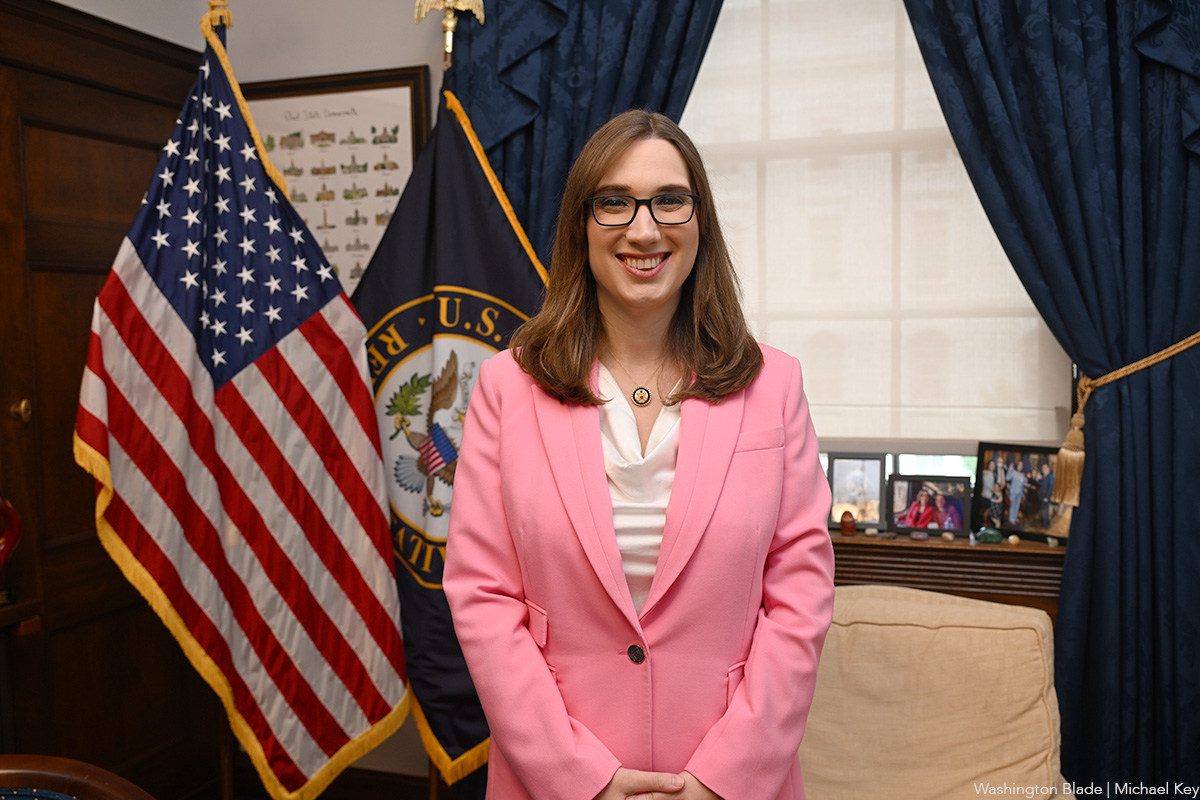
Congratulations to Congresswoman Sarah McBride (D-Del.) on being honored with this year’s Stonewall Award from Whitman-Walker Health. Amy Nelson, senior director of Legal Services, said, “Congresswoman Sarah McBride is working to make healthcare accessible to all, and this award recognizes her support of healthcare as a human right. Our legal program supports families facing unprecedented challenges to stay healthy and safe – families that Congresswoman McBride champions with a deep understanding of the issues they face and the legislative expertise of how to support them.”
McBride, in a press release, said, “I am honored to accept this year’s Stonewall Award from Whitman-Walker Health — an organization that has spent 40 years doing vital work to ensure every person can access the dignity of care. In the wealthiest and most developed nation on earth, the ability to receive care should not be a matter of luck—it should be the law of the land. I am proud to be recognized as a partner in this work and to support Whitman-Walker Health in their mission to build a healthier society for all.”
Congratulations also to Wes Drummond who will join Clear Space Theatre Company in Rehoboth Beach, Del., as its third artistic director. Managing Director Joe Gfaller said, “This is an exciting moment of growth for Clear Space as we welcome Wes to join our remarkable team. I am confident he will be an excellent partner as we work with our entire staff, board, and committed team of volunteers, to ensure Clear Space can achieve its full potential in pursuit of our mission to unite and enrich our community through every production on stage, and every arts-based learning program we offer throughout our community.”
On accepting the position Drummond said, “I’m honored to join Clear Space Theatre Company as artistic director, and beyond excited for what we’re about to create together. Clear Space has established itself as a vital and vibrant part of the cultural life of coastal Delaware, and I feel incredibly fortunate to step into this next chapter alongside such a passionate and dedicated team. Rehoboth Beach is a place defined by creativity and community, and I look forward to listening, learning, and building meaningful relationships across the region in the months ahead. My vision is to help Clear Space continue to grow as a bold, forward-thinking, cultural force, that champions fearless storytelling.”
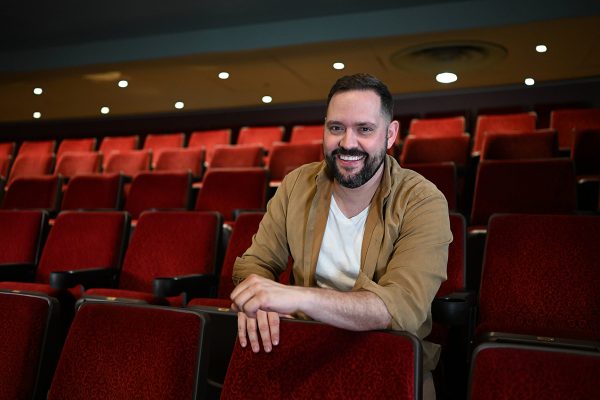
Drummond served in leadership roles at Duluth Playhouse in Duluth, Minn., from 2021 to 2026, including four years as executive director followed by one year as executive producing artistic director, guiding the organization through a period of significant transformation and stability in the wake of the COVID-19 pandemic. As a director, he has worked extensively in New York City, Chicago, and at regional theaters across the country, directing both musical theater and plays with a focus on storytelling that bridges classical works with contemporary perspectives. He has collaborated with leading figures in the industry, including Tony Award-winning director Matthew Warchus, and Tony-nominated director Michael Greif. He is an associate member of the Stage Directors and Choreographers Society.
Wes earned his MFA in directing, Penn State University, where he studied under Tony-nominated director, Susan H. Schulman.
Virginia
Va. Supreme Court invalidates Democrat-backed redistricting plan
Voters narrowly approved new congressional districts last month
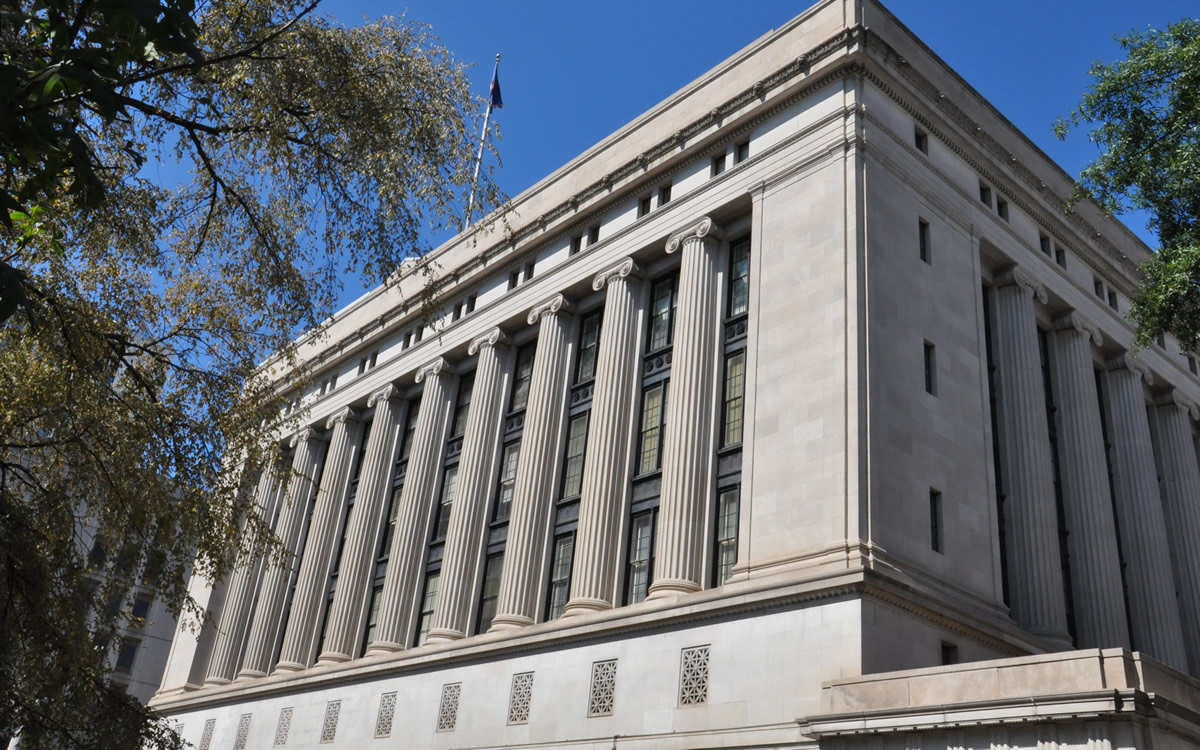
The Virginia Supreme Court on Friday struck down a Democrat-backed redistricting plan that voters approved last month.
Ten of 11 of Virginia’s congressional districts favor Democrats in the plan that passed by a 51-48 vote margin in last month’s referendum.
The Human Rights Campaign PAC is among the groups that support it. The court by a 4-3 majority invalidated the referendum results.
District of Columbia
Maren Morris to headline Capital Pride Concert
Grammy award-winning singer/songwriter came out as bisexual in 2024
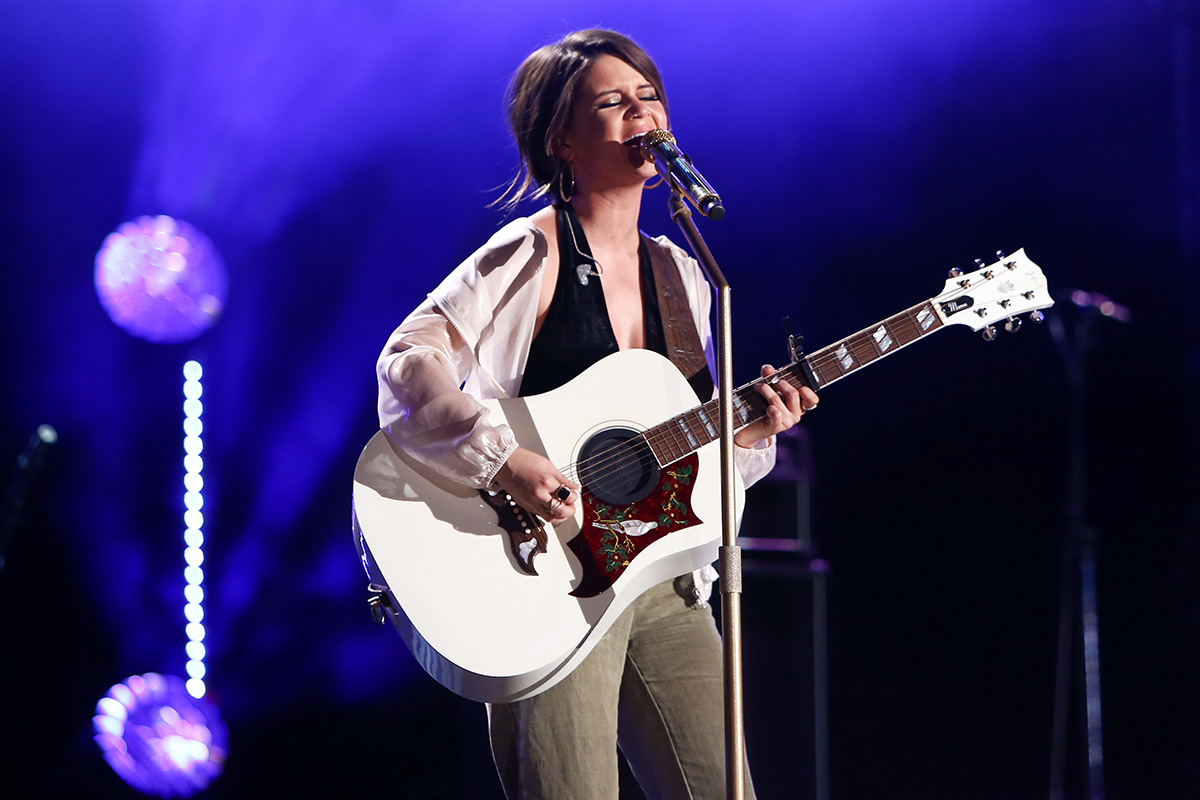
Capital Pride Alliance, the group that organizes D.C.’s annual LGBTQ Pride events, announced on May 7 that nationally acclaimed singer-songwriter Maren Morris, who identifies as bisexual, will be the headline performer at this year’s Capital Pride Concert scheduled for June 21.
The concert takes place as part of the annual Capital Pride Festival held on Pennsylvania Avenue, N.W., usually between 3rd Street near the U.S. Capitol and 9th Street.
“Morris, known for her genre-blending sound and outspoken support of LGBTQ+ rights, will be joined by a standout lineup, including acclaimed queer rapper Leikeli47, pop icon Lisa Lisa, Juno-nominated producer and DJ from the ‘Heated Rivalry’ soundtrack, Harrison, and ‘RuPaul’s Drag Race’ Season 18 winner Myki Meeks,” according to a statement released by Capital Pride.
“In a moment when LGBTQ+ people are being challenged across the country, the Capital Pride Concert is a space where our community is fully seen and heard,” Ryan Bos, the Capital Pride Alliance CEO and president, said in the statement. “Bringing Maren Morris to the stage reflects this year’s theme: Exist, Resist, Have the Audacity,” Bos said.
The statement notes that the concert takes place as part of the annual D.C. Pride Festival, which is open to the public free of charge, with tickets available for purchase for specific areas listed as the Capital Stage Pit Zone and the VIP Concert Zone.
It says the festival takes place from 12 –10 p.m. and points out that in addition to the music performed by multiple other performers on several stages, festival attendees “can explore hundreds of exhibitors, community organizations, and artisans, along with multiple food courts and beverage gardens throughout the festival footprint.”
Information on the Capital Pride Alliance website shows that the festival takes place one day after the annual Capital Pride Parade, scheduled for June 20 and which is expected to travel from 14th and T Streets, N.W., to Pennsylvania Ave., N.W., where it is expected to end at 9th Street.
The statement adds that following the stage performances during the June 21 festival, which are expected to conclude around 8 p.m., “the celebration will continue with the Capitol Sunset Dance Party, closing out the evening against the backdrop of the U.S. Capitol.”
The online publication Today, which is part of the NBC “Today” television show, reported that Morris came out as bisexual in a 2024 during Pride. It reports Morris “shared several images of herself holding a Pride flag to mark the occasion, writing, ‘Happy to be the B in LGBTQ+’”

Comings & Goings

Learn more about queer love

Calendar: May 8-14

Va. Supreme Court invalidates Democrat-backed redistricting plan

Maren Morris to headline Capital Pride Concert

Under new extremism laws, LGBTQ Russians must fight to survive

How do you vote a child out of their future?

Gay ICE detainee freed after 150 days in detention

A reign defined by commitment and human impact