Arts & Entertainment
‘Degrassi: Next Class’ character comes out as non-binary
this is the teen drama’s first genderfluid storyline
(Screenshot via Pink News.)
Netflix’s hit teen drama “Degrassi: Next Class” is known for having inclusive characters such as gay, lesbian, bisexual and transgender. Now, the Canadian series can add non-binary representation to the list.
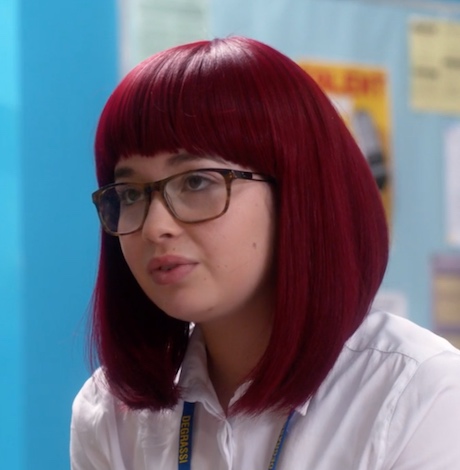
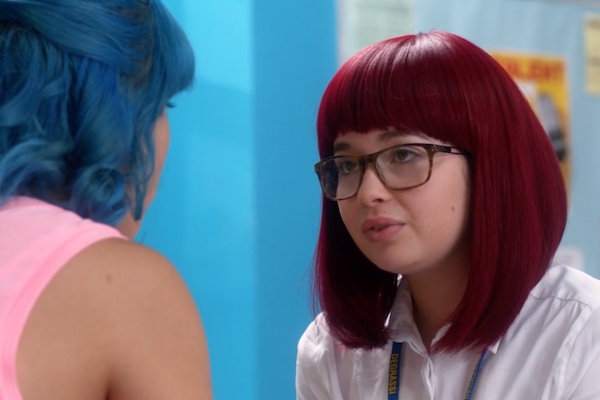
In a preview clip for the upcoming fourth season, Yael (Jamie Bloch) kisses her friend Lola (Amanda Arcuri) to determine if she’s gay. Yael decides she isn’t gay but confesses to Lola she’s feeling confused about her gender.
“I feel in between. I don’t feel like a girl, or what everyone thinks is a girl. I don’t like makeup or stuff like you do. I really, really hate my boobs. But I don’t feel like a boy either. And I’m definitely not gay,” Yael tells Lola.
Lola explains it sounds like Yael might be genderfluid or genderqueer and tells her that’s how her favorite vlogger identifies. She then offers to give Yael a makeover.
“Just tell me what you’d want to look like if you weren’t worrying about being a boy or a girl – if you were worrying about being Yael,” Lola says.
The series is just the latest show to include a non-binary character. Non-binary actor Asia Kate Dillon plays the first non-binary character, Taylor, on the Showtime series, “Billions.”
“Degrassi: Next Class” streams its fourth season on July 7 on Netflix.





Theater
Don’t miss summer productions at Clear Space in Rehoboth Beach
‘Cher Show,’ ‘Pretty Woman’ among season’s standouts
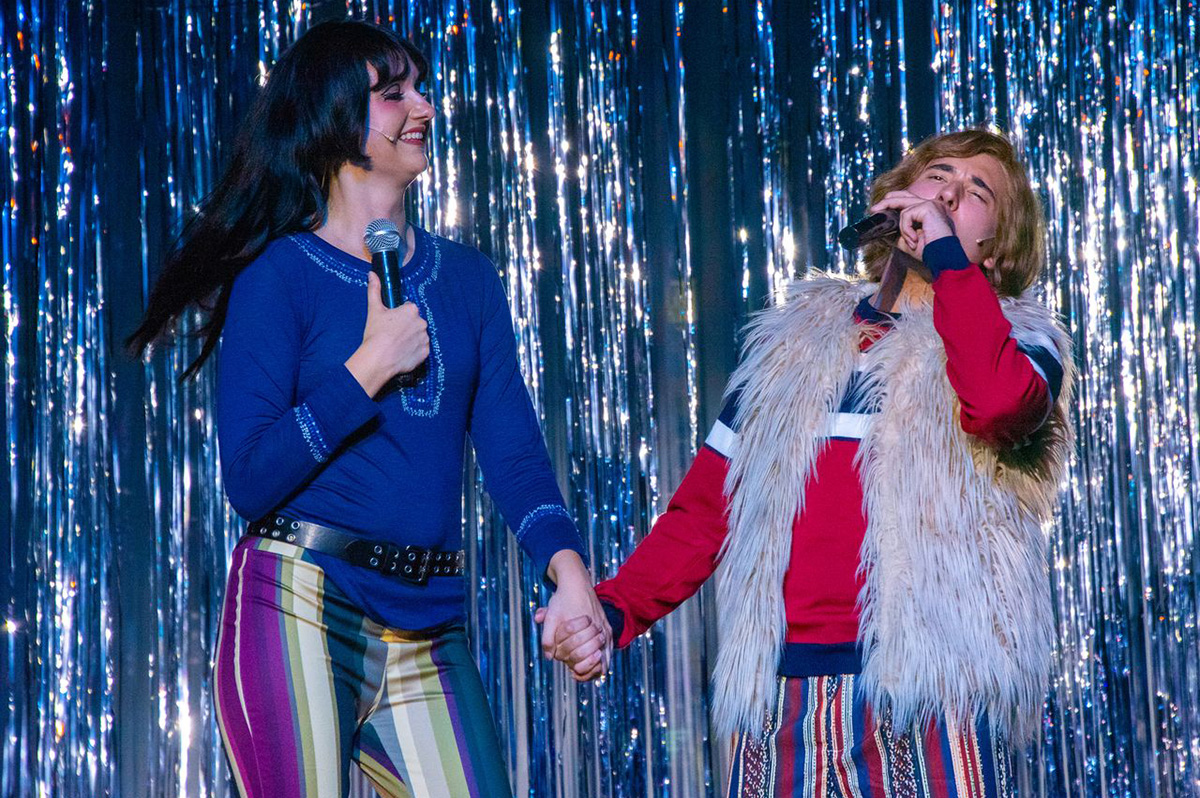
“The Cher Show” at Clear Space Theatre is wonderful. I am always amazed at the talent they attract for their summer series. Kudos to Wes Drummond, the artistic director of the theater. “The Cher Show” is written by Rick Elice. Compliments to the talented director, James FitzSimmons, who brought to life this production. His immensely talented cast includes Shannen Hofheimer as Star, Breanna Lemerise as Lady, Abby Lynne as Babe, and Anya Kay, as young Cher. Each is a pleasure to both watch and listen to. They command the stage. Then more kudos to the entire cast and ensemble. Also, the creative team, which includes among so many who make this show a hit, choreographer Shondelle Graulich; scenic designer, David Chappell; lighting designer Brendan Smith; costume designer Valerie Beardsley; and the entire orchestra led by conductor, Jerry Birl.
But the actor who I was looking forward to seeing in the production, was a young actor I had written about, and reviewed, when I saw him at Clear Space two years ago. In this production he is Sonny Bono, and he definitely didn’t disappoint.
Let me introduce Caetano de Sá. I have written about him before, but his resume is worth repeating. It says; Height: 5’7 ½, Eyes: Brown, Voice part: Tenor G2 – C5, Build: Athletic. All true. Then you add to this he speaks Brazilian Portuguese, is certified in stage combat by the Society of American Fight Directors, and is a 2nd Degree Black Belt in Taekwondo. Then as his resume of roles confirms, he can act, sing, and dance with the best. He does a great job as Sonny and is fun to watch on stage. Here he displays his talents as a singer and actor, and they are as good as I remembered them when I first met Caetano while he was still in school in 2024, and was starring as Frankie Valli in “Jersey Boys,” at Clear Space. At the time he was a rising senior at the Boston Conservatory at Berklee BFA Musical Theater program. I interviewed him, and Harry Sperduto, who played Tommy Devotee, after seeing them in the show, and being amazed by their talent. Since that time, I have followed their careers. When I heard Caetano was coming back to Clear Space for the summer, I reached out, and he agreed to sit down and chat, which we did. I knew Clear Space Theatre was planning a busy summer season. Their lineup of shows included “The Cher Show,” “Mean Girls,” and “Pretty Woman.” They always have talented casts, including the many college students who are getting their first chance to shine, which was the case for Caetano in 2024. Now he is back as a graduate, with more experience under his belt, a little more established. This season he was going to play Sonny in their production of “The Cher Show,” Martin/Coach Carr, in “Mean Girls,” and Mr. Hollister in “Pretty Woman,” and being a part of the ensemble. He told me he really enjoys being at Clear Space, and that his castmates are all talented. He is a lot more experienced than when he was here before, having performed in productions at the Prairie Repertory Theatre, the Emerald Coast Theatre Company, Firehouse Center for the Arts, and the Sullivan Rep, among others. In productions as diverse as “Oklahoma!,” “Mystic Pizza,” “Hairspray,” and “Rock of Ages.” He now lives in New York City and clearly New York is the perfect place for an aspiring actor. He has an agent at Bramante Artists, who is getting him gigs, like the one he had at 54 Below and even a TV commercial for AFLAC.
“The Cher Show” is the second show I have seen at Clear Space this summer. After our chat I got one of the last tickets available that evening for “Pretty Woman.” In that production he has a smaller role, and is part of the incredibly talented ensemble. It is also an entertaining show and its very talented stars, Abby McDonough as Vivian, and Jaiden Leo Riley as Edward, are a pleasure to watch. Kudos to the talented director, Ashley Williams, and the entire creative team.
For anyone living at the beach, or coming for a visit, I urge you to plan a night at Clear Space. You won’t regret it. But know tickets for all the shows, and Sunday evening cabaret nights, sell out fast. So, I suggest you see what’s available online and buy yours today.

The 2026 World Pride March was held on Saturday, Aug. 8 in Amsterdam. Tens of thousands of participants marched from Martin Luther Kingpark to the grounds of the Pride Village at Museumplein.
(Washington Blade photos by Michael Key)


View on Threads


View on Threads


View on Threads


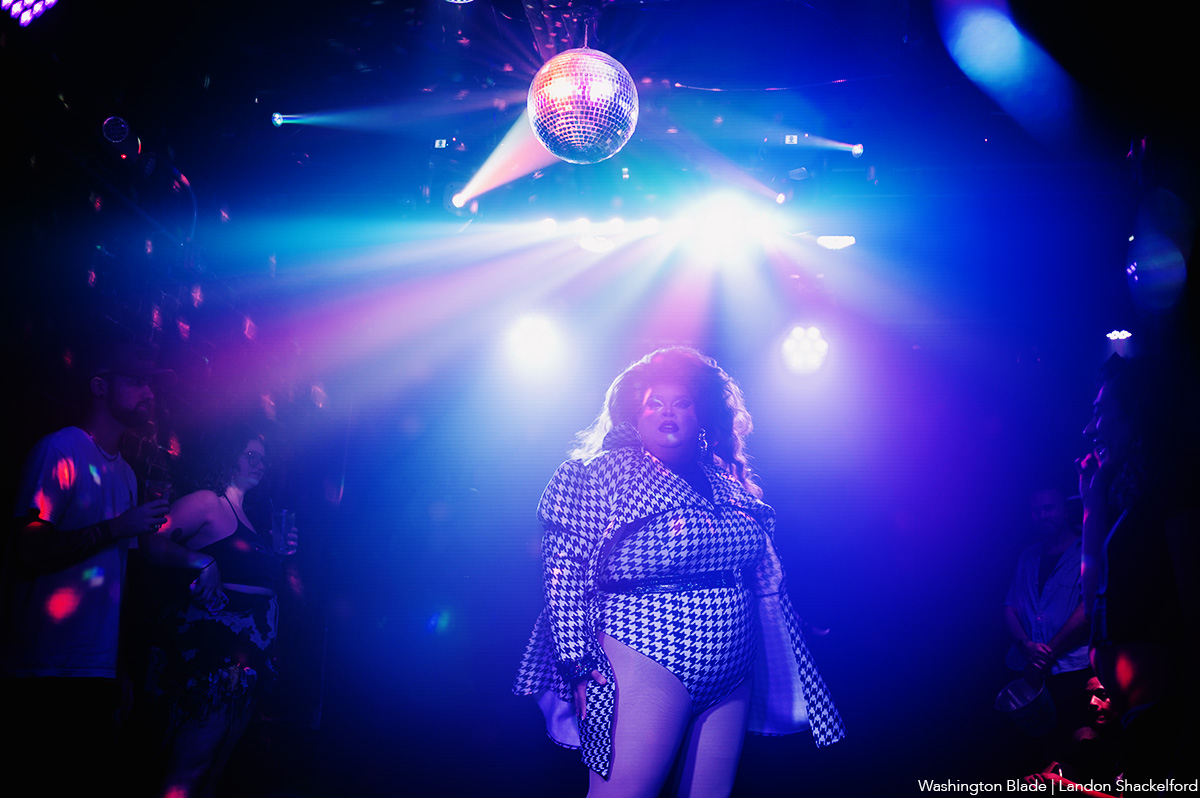
The weekly drag show “Daddy Issues” was held at Kiki on Wednesday, Aug. 5. Performers included Evry Pleasure, Indiana Bones and Tiara Missou-Sidora.
(Washington Blade photos by Landon Shackelford)


Don’t miss summer productions at Clear Space in Rehoboth Beach

New LGBTQ visitor center slated for Wilmington, Del.

PHOTOS: World Pride March

Tens of thousands take part in World Pride March

PHOTOS: Daddy Issues at Kiki

Continue to engage in community after Pride month

D.C.’s Mary’s House For Older Adults names new executive director

Suzanne Goode is not good for Rehoboth Beach

Calendar: August 7-13