Arts & Entertainment
‘Drag Race’ star disqualified for ‘catfishing’ scam
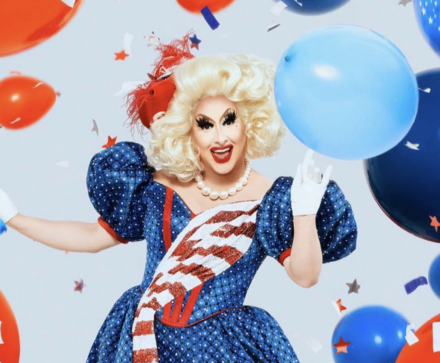
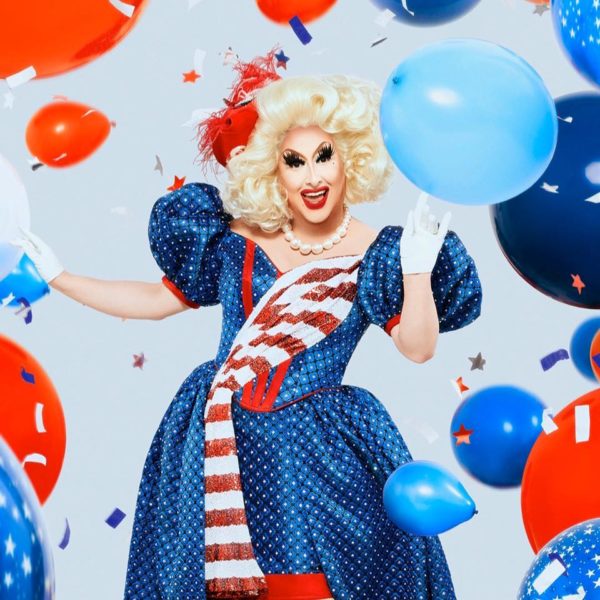
A contestant on “RuPaul’s Drag Race” has been disqualified for “cat-fishing” a number of young actors online.
Sherry Pie (whose non-drag name is Joey Gugliemelli) was exposed earlier this week on Facebook by an aspiring performer, Ben Shimkus, who posted what he called “a weird story” about the competitor on the popular reality show’s current season. Several other young male actors came forward soon afterward with similar tales, with Gugliemelli issuing an apology on Thursday.
Today, according to BuzzFeed, a spokesperson for VH1 and production company World of Wonder said in a statement:
“In light of recent developments and Sherry Pie’s statement, Sherry Pie has been disqualified from RuPaul’s Drag Race. Out of respect for the hard work of the other queens, VH1 will air the season as planned. Sherry will not appear in the grand finale scheduled to be filmed later this spring.”
Shimkus had shared that he had been contacted by someone named Allison Mossey, who claimed to be interested in working with him and asked him to submit videos.
“I had to film scenes that felt particularly sexual and awkward, but the opportunity seemed too good to let the overt sexual nature or my inhibitions get in the way,” the young actor shared. “I simply told myself that my parents wouldn’t be allowed to see the show, but I wanted the professional experience and the bright and shiny object on my resume.”
After an email exchange lasting three weeks, Shimkus revealed, he “grew wearisome of the back and forth that seemed to be going nowhere” and, after checking with an organization with which “Mossey” had claimed to be associated, discovered that he had actually been corresponding with Gugliemelli.
Following Shimkus’ post, several other young male actors came forward to BuzzFeed News with similar stories about the “Drag Race” star. Each of them claimed they had been approached online by Gugliemelli, who had posed as a casting director in order to get them to send audition tapes of themselves saying and doing embarrassing, sometimes overtly sexual things – with one 23-year-old actor, Josh Lillyman, even claiming he had been pressured to masturbate on camera.
The young performer said, “I did everything he asked me to because at that point he had built up so much detail for the show that I was truly convinced it was real and associated with HBO. It took a lot for me to break that delusion. I was willingly doing all the things he was asking me to.”
On Thursday, Gugliemelli came forward on Facebook himself, issuing an apology for his behavior:
“This is Joey, I want to start by saying how sorry I am that I caused such trauma and pain and how horribly embarrassed and disgusted I am with myself. I know that the pain and hurt that I have caused will never go away and I know that what I did was wrong and truly cruel. Until being on RuPaul’s Drag Race, I never really understood how much my mental health and taking care of things meant. I learned on that show how important “loving yourself” is and I don’t think I have ever loved myself. I have been seeking help and receiving treatment since coming back to NYC. I truly apologize to everyone I have hurt with my actions. I also want to say how sorry I am to my sisters of season 12 and honestly the whole network and production company. All I can do is change the behavior and that starts with me and doing that work.”
Response to the apology was harshly critical, with one commenter calling out Gugliemelli by saying, “only sorry because you got caught. this is sexual harrassment, you disgusting pig.”




Celebrity News
Silky Nutmeg Ganache talks sex and dating, gender, politics, weight loss journey
‘RuPaul’s Drag Race All Stars’ semifinalist grew up in Bible Belt
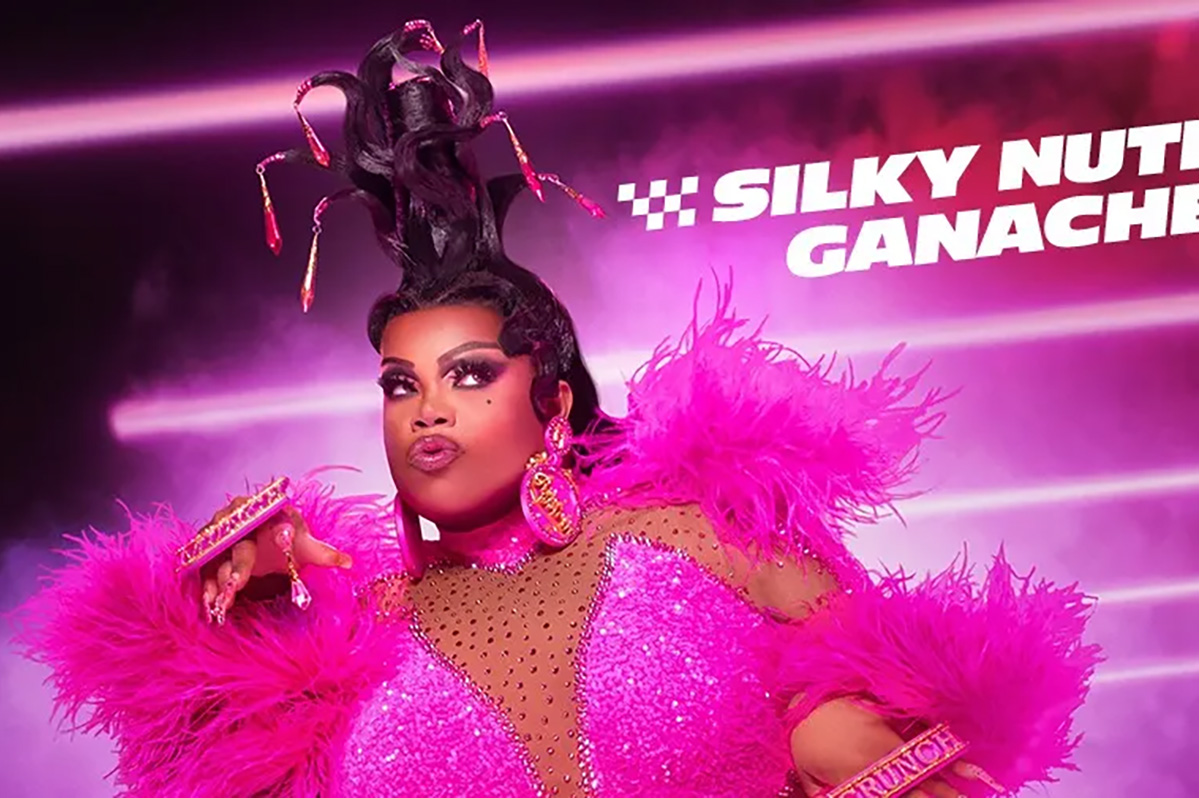
Uncloseted Media published this interview on July 7.
By SPENCER MACNAUGHTON, ISABEL STOKES, and BELLA SAYEGH | After appearing on the 11th season of “RuPaul’s Drag Race,” the first season of “Canada’s Drag Race: Canada vs. the World,” the sixth season of “RuPaul’s All Stars” and now the 11th season of “All Stars,” Silky Nutmeg Ganache, known by many as the Reverend, is undoubtedly a legend.
Born and raised in Moss Point, Miss., Ganache bears all in this episode of “UNCLOSETED with Spencer Macnaughton.” She speaks about her relationship with gender, her 100-pound weight loss, what it’s like living as a queer person of color in a red state and why she’s calling on allies to stand up for the trans community.

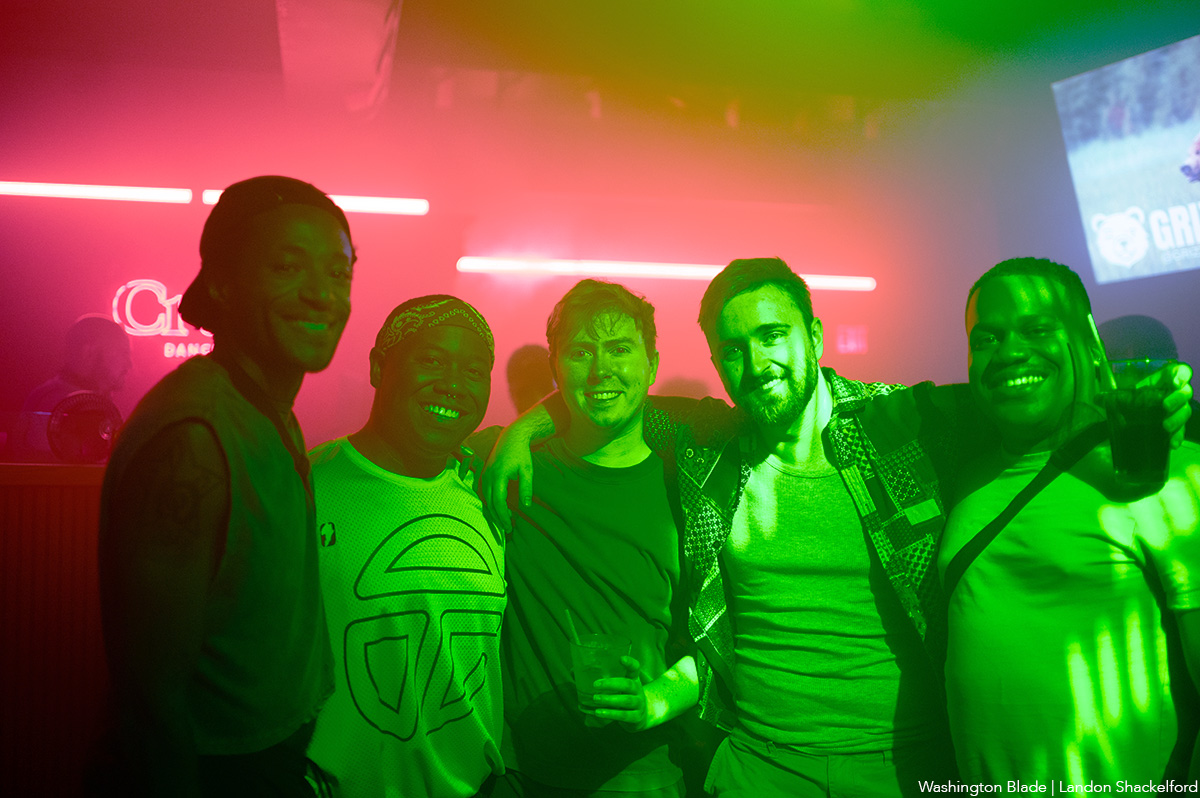
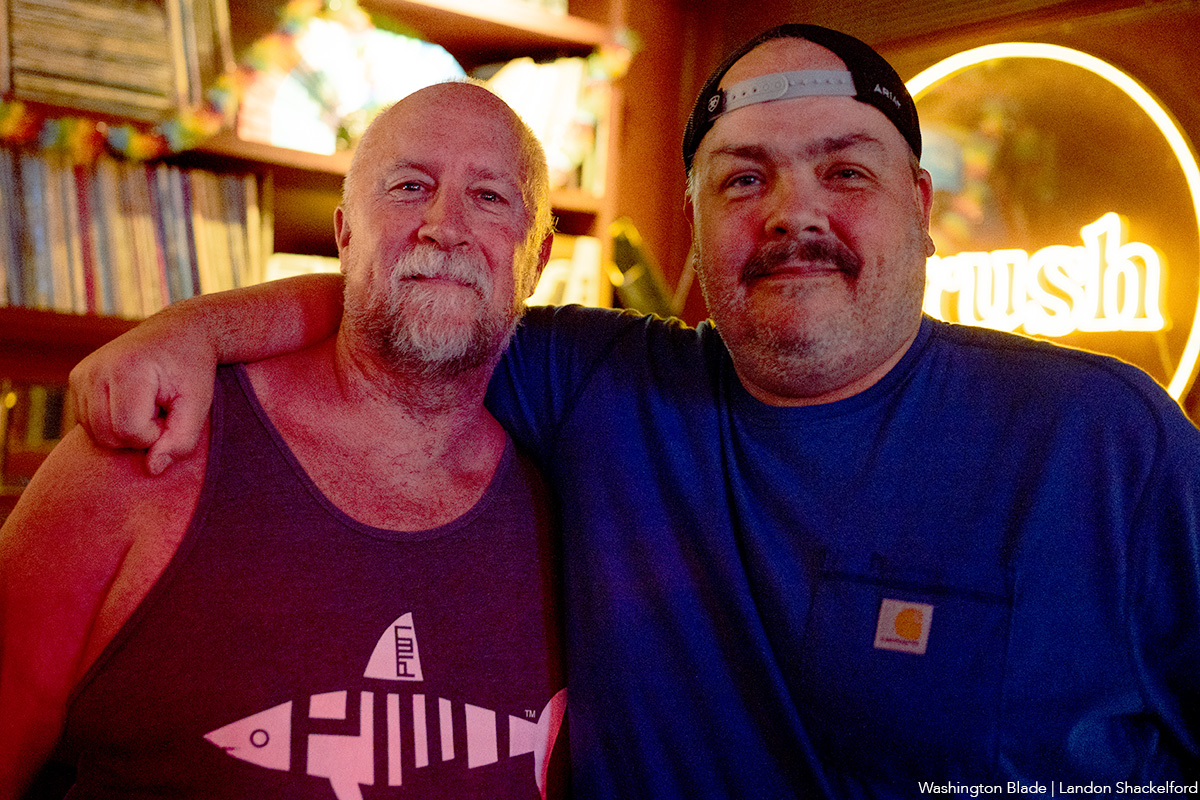
Patrons enjoyed a night out at the popular LGBTQ venue Crush Dance Bar on Friday, July 3.
(Washington Blade photos by Landon Shackelford)





Theater
‘My Favorite Sociopath’ debuts at Shepherdstown’s CATF
Gay playwright Aurin Squire’s take on D.C. journalism in the ‘90s
‘My Favorite Sociopath’
Contemporary American Theater Festival
July 10-Aug. 2
Shepherdstown, W.Va.
Catf.org
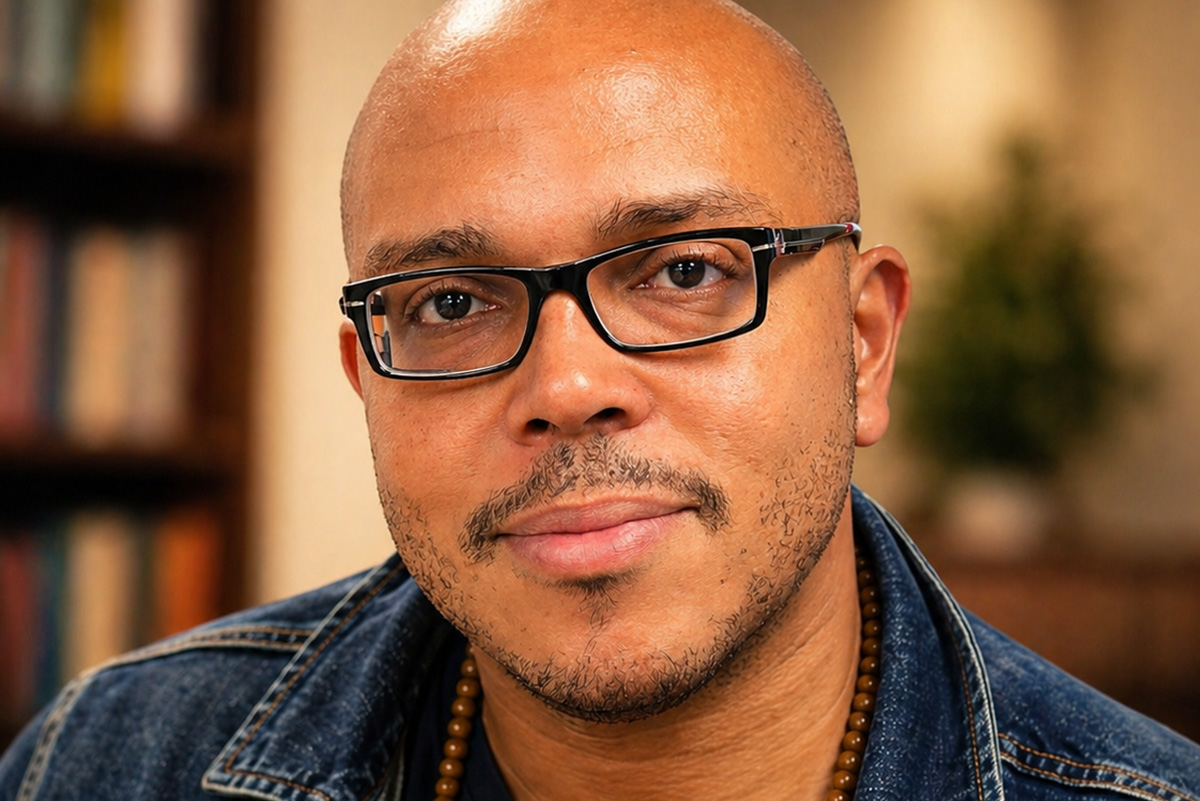
Discernment. It’s a thing some people have, explains playwright Aurin Squire, especially when you’re gay or Black in America (Squire is both).
“You instinctively know when the mob is teaming up for the best interests of the powers that be. You can feel it in the air.”
In his sharp new satire “My Favorite Sociopath,” Squire writes about life experiences but set in a different time and place: It’s the 1990s, early days of the 24-hour news cycle, and three ambitious journalism students are pursuing success in D.C.
And now, Squire’s play, along with other new works, are making their world premieres at the annual Contemporary American Theater Festival (CATF) at Shepherd University in historic, queer-friendly Shepherdstown, W.Va. (just a 90-minute drive from D.C.).
“All of my plays are queer in some way,” says Squire, 46. “This one touches on harmless and dangerous lies. The characters are on the spectrum sexually, and it’s interesting how all that falls out.”
And he’s given it a lot of thought.
“Already as a kid, it seemed to me that the rage against rap music and sex was coming from closeted people resisting their own urges and temptations. For me, it was interesting to see a witch hunt led by witches. Queer people can always call out a lie.”
Since September, Squire has also been working with a TV show about the tech industry set in Silicon Valley. He says, “It seems the general flow of the tech industry is that humanity and civilization is finished and it’s just about accumulating as many goods as possible before everything collapses. In fact, those who are profiting actually agree. But for those who disagree, they believe the solution is to build bigger gates, but activists believe we can stop this”
Yet, he’s learned from folks associated with the show. “Many say the quickest way to divorce yourself from any responsibility or regulations — smash and grab. Otherwise, you have to stop and think and regulate your desires for greed and power”
Squire possesses a penchant for pithy titles. He laughs, explaining the first thing he wrote as a student at Juilliard was “Obama-ology,” the comedy with contemporary message. While a lot of people liked the name, it didn’t necessarily vibe with the author. He concedes that he chooses names based on “easy to remember” and titles that won’t be easy to lose as a file.
Another is “Defacing Michael Jackson,” a coming-of-age dramedy set in rural Florida in 1984, specifically Squire’s native town Opa-locka, Miami, a fantastical place famed for its fanciful Moorish revival architecture.
Living in the shadow of exotic structures, he wasn’t particularly fazed. Squire says “It wasn’t until returning to visit after my freshman year at Northwestern University in Chicago that I realized how weird it was: When you grow up in a place, you take surroundings for granted no matter how over the top.”
Now based in New York (where for two happy years, 2017-2019, he shared digs with drag king Murry Hill), Squire returns frequently to Miami to be with family, but this summer has been filled with both work and travel.
Currently, he’s in Shepherdstown with CATF shaping up “My Favorite Sociopath.” Later this summer he will travel to South Africa for research, followed by a silent writing retreat in Santa Fe, N.M.
Much of Squire’s work reflects the Latino, African, Caribbean, African-American, and Jewish cultures he grew up around in South Florida.
When asked if today’s winds of anti-multiculturalism worry him, he replies, “No, because that’s going to pass. Most people don’t like, people are seeing the negative results of it, and the young people coming up despise it. White male gamers were tricked momentarily through the algorithms into voting against their own interests and they’re now seeing how it’s not working out for them.
“Conservatives always try to stop progress and eventually they always lose. It’s just a question of where we’ll be in the middle of the end of civilization before that happens. I’d like to hope we can turn the ship around before then.”
In addition to “My Favorite Sociopath,” CATF summer season features three other world premieres (Lisa D’Amour’s comedy “The Smoker,” “Refugee Rhapsody” by Yussef El Guindi, “Best Line Wins: A Play Inspired by the Improvised Lives of Elaine May & Mike Nichols” by Beth Kander) and “¡VOS!” by Christina Pumariega.
CATF runs from July 10-Aug. 2 in three venues on the Shepherd University campus: Frank Center, Marinoff Theater, and Studio 112.

As Washington shifts right, Democratic Socialists gain ground

Susan Stewart could make history as Rehoboth’s first openly gay mayor

Silky Nutmeg Ganache talks sex and dating, gender, politics, weight loss journey

Madonna roundup: Reviews, sales, and love for ‘Danceteria’

Three overlooked court rulings limited White House anti-trans policies

‘Transcendent’ a tough but important read

‘My Favorite Sociopath’ debuts at Shepherdstown’s CATF

Under-the-radar Delaware beach towns smart buyers are targeting

In Trump’s divided America, Michael Weinstein’s AHF responds