World
Chilean House approves marriage equality bill
Vote took place two days after presidential election’s first round
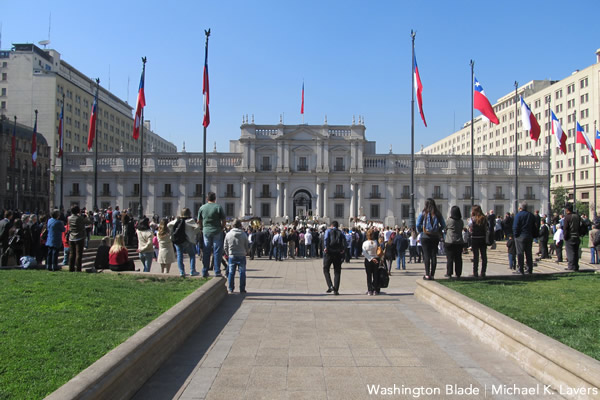
VALPARAÍSO, Chile — The Chilean House of Representatives on Tuesday approved a bill that would extend marriage rights to same-sex couples.
The measure passed by a 101-30 margin roughly three months after the Chilean Senate approved by a 28-14 vote margin.
Two lawmakers abstained. The bill now goes back to the Senate for a final vote.
“After three decades of struggle, there is only one Senate vote left to achieve the so far elusive legal equality that all couples and families deserve,” said Javiera Zúñiga, a spokesperson for the Movement for Homosexual Integration and Liberation, a Chilean LGBTQ rights group, in a press release. “We celebrate this new step, now with the total conviction that we are at the final leg.”
Tuesday’s vote took place two days after the first round of Chile’s presidential election.
José Antonio Kast, a far-right former congressman, will face off against Congressman Gabriel Boric, who previously led a student protest movement, in a Dec. 19 runoff. Outgoing President Sebastián Piñera in June announced he supports the marriage equality bill.
Esteban Guzmán contributed to this story.




Turkey
Turkish authorities refuse to allow gay cruise to dock in country
Atlantis Events-chartered ship included stops in Kusadasi, Istanbul
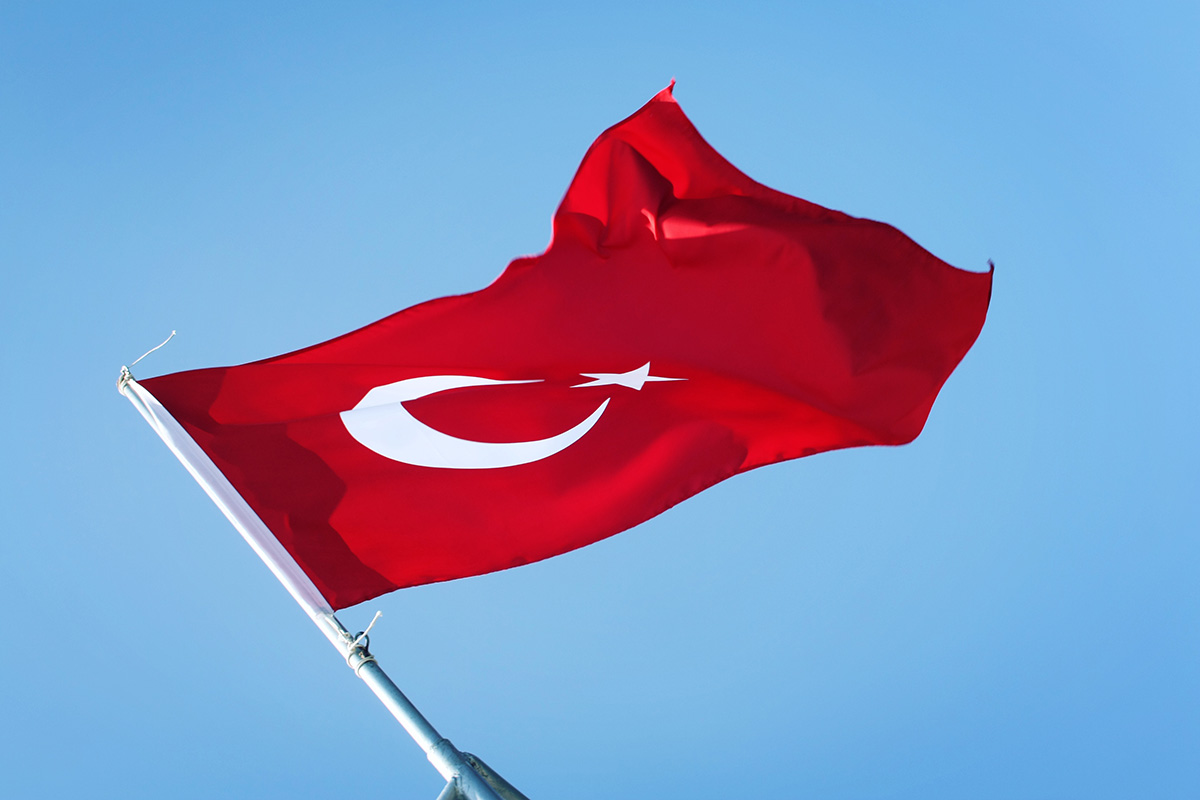
Turkish authorities have refused to allow a gay cruise to dock in the country.
The Scarlet Lady, a Virgin Voyages ship that Atlantis Events chartered, departed Athens on Sunday. The 10-day cruise is scheduled to end in Trieste, Italy, on July 15.
The ship had been scheduled to dock in Kusadasi, a Turkish resort town on the Aegean Sea, on Tuesday. It was then slated to sail to Istanbul on Wednesday.
Officials in Aydin Province in which Kusadasi is located on June 28 posted a statement on X that confirmed the decision not to allow the Scarlet Lady to dock in Turkey.
Authorities noted the “groups” behind the cruise are “known for behaviors that do not align with the structure of our society and our moral values.” The June 28 statement also says the scheduled docking “caused great discomfort in various segments of our society.”
BASIN AÇIKLAMASI
Basın yayın organları ve sosyal medya platformlarında gündeme gelen, toplumumuzun yapısıyla ve ahlaki değerlerimizle örtüşmeyen davranışlarıyla bilinen gruplarca kiralanan bir kruvaziyer gemisinin 7 Temmuz 2026 tarihinde Aydın Kuşadası Limanınına planlamış… pic.twitter.com/MHqN0NoXHI
— T.C. Aydın Valiliği (@AydinValiligi) June 28, 2026
Atlantis Events in a statement on its website said the company has “been informed by the Turkish authorities that Atlantis will not be permitted to dock in Kusadasi or Istanbul during this voyage.”
“As a result, we have had to alter our sailing itinerary somewhat,” it reads.
The statement notes the cruise will now stop in Alexandria, Egypt, and Crete.
“Both ports have excellent opportunities for exploration and enjoyment and have been favorites of ours for years,” it reads.
(Discrimination and persecution based on sexual orientation and gender identity is commonplace in Egypt. The Egyptian Football Association, along with the Football Federation Islamic Republic of Iran, objected to playing in the World Cup’s “Pride Match” that took place in Seattle on June 26.)

Patti LuPone, who is performing on the cruise, sharply criticized the Turkish government over its decision.
“The Atlantis cruise I am performing on next week, has been banned from entering Turkey,” she said on her Facebook page on July 2. “A ship — a magnificent ship — full of well-heeled gay men. And me. Denied entry to Turkey simply because of who is on board. I am furious, but I am sailing, as the ship will make other ports of call. I am ready to perform for all the wonderful men on this Atlantis cruise, who deserve so much better than this.”
Atlantis Events CEO Rich Campbell told the Washington Post that his company’s cruises have visited Turkey more than a dozen times over the last two decades.
“We’re there to shop, be great tourists, spend money,” he said. “It’s always a culturally respectful group.”
Campbell further noted Turkey could lose at least $1 million in tourism revenue over its decision.
“The bigger damage to Turkey is when you start picking and choosing who’s allowed to enter, and your economy depends on tourism, you’re creating a standoff between tourists and yourself,” he told the Post. “And you run the risk of alienating a lot of potential tourists.”
The Washington Blade on Monday reached out to Campbell for additional comment.
United Kingdom
Queen Camilla meets with JK Rowling
Edinburgh meeting took place on last day of Pride month

Queen Camilla on Tuesday met with JK Rowling.
The Royal Family on X said the meeting took place at Palace of Holyroodhouse in Edinburgh. The post included a picture of Camilla and Rowling together.
“With a shared passion for books and a deep commitment to children reading for pleasure, The queen and author JK Rowling have met at the Palace of Holyroodhouse in Edinburgh,” it reads. “Her Majesty and Ms. Rowling discussed the importance of ensuring that young people have access to books and the vital part reading plays in opening doors for future generations.”
📕 With a shared passion for books and a deep commitment to children reading for pleasure, The Queen and author J.K. Rowling have met at the Palace of Holyroodhouse in Edinburgh.
Her Majesty and Ms Rowling discussed the importance of ensuring that young people have access to… pic.twitter.com/Yx1Xy6olqC
— The Royal Family (@RoyalFamily) June 30, 2026
Rowling over the last decade has emerged as a vocal opponent of transgender rights. Her meeting with Camilla took place on the last day of Pride month.
Mexico
Gay US couple among four people found dead in Mexico mass grave
Zafar Mawani and Guillermo Hidalgo Ortiz disappeared May 20

A gay couple from the U.S. is among the four people found dead in a mass grave in Mexico last month.
The Associated Press reported Zafar Mawani and Guillermo Hidalgo Ortiz disappeared on May 20. The couple was last seen in Mexico City’s Isidro Fabela neighborhood.
Media reports indicate Mawani and Hidalgo lived in Mexico and Chicago. They note the couple had traveled to Mexico City to care for Mawani’s sick mother. NBC Chicago reported investigators found “unusual withdrawals from the couple’s bank accounts” after they disappeared.
The AP notes Mexican authorities on June 25 confirmed Mawani and Hidalgo were among the four people found in the mass grave in La Marquesa National Park, which is roughly 20 miles southwest of Mexico City, on June 17.
Mexican media reports indicate a female former police officer who allegedly led a kidnapping and robbery gang is among the five people who have been arrested in connection with the couple’s murder.
“We are grateful beyond words to everyone who tried to help bring Zafar home to us — investigators on the ground, our core strategy and support team, authorities in both countries, generous volunteer organizations, as well as friends and loved ones who stepped forward to help without being asked,” said Mawani’s family in a statement.
Kidnappings are common in Mexico.
The AP notes more than 135,000 people are currently missing in the country “as a product of criminal violence,” with 977 people reported to have disappeared in May. Members of the Jalisco New Generation Cartel in February set fire to cars and buses in Puerto Vallarta, a resort city in Jalisco state that is a popular destination for LGBTQ tourists from the U.S., after Mexican forces killed its powerful leader.
It is not clear whether Mawani and Hidalgo were specifically targeted because of their sexual orientation.

As Washington shifts right, Democratic Socialists gain ground

Susan Stewart could make history as Rehoboth’s first openly gay mayor

Silky Nutmeg Ganache talks sex and dating, gender, politics, weight loss journey

Madonna roundup: Reviews, sales, and love for ‘Danceteria’

Three overlooked court rulings limited White House anti-trans policies

‘Transcendent’ a tough but important read

‘My Favorite Sociopath’ debuts at Shepherdstown’s CATF

Under-the-radar Delaware beach towns smart buyers are targeting

In Trump’s divided America, Michael Weinstein’s AHF responds