Arts & Entertainment
Remembering Elaine
Former D.C. resident credits Stritch with help in his sobriety
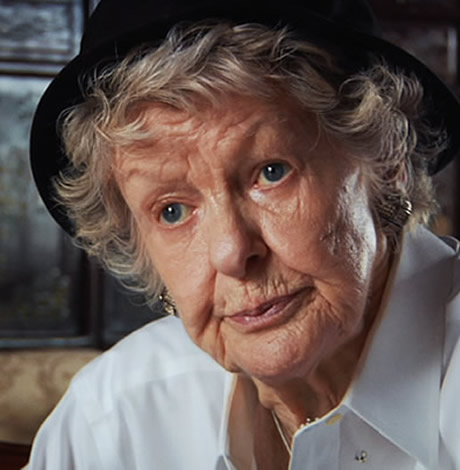
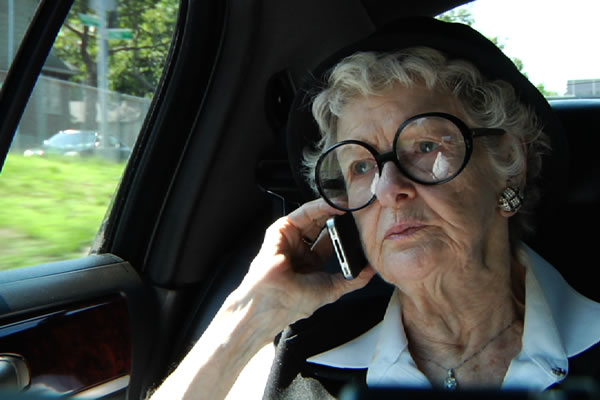
Elaine Stritch in the documentary ‘Elaine Stritch: Shoot Me.’ (Photo courtesy Isotope Films)
By SPENCER HANKINS
An actual conversation:
Mom: I saw on the news where that lady you love so much died.
Me: Elaine Stritch? Yeah
Mom: That’s the one. How are you?
Me: I’m OK I guess. I feel like my grandmother has died.
Mom: (throwing epic mom shade) Well, let’s hope you were in her will.
Me: (Quoting “Elaine Stritch: At Liberty”) And you wonder why I drank.
I was aware of Elaine from a young age. Thank you, “The Cosby Show.” But it wasn’t until the summer of 2006 that my real connection with Ms. Stritch was made.
I had decided to fight this demon that was on my back: alcoholism. A few months of sobriety, I was at friend’s house in Oklahoma and was whining (because that’s what newly sober gay alcoholics do) to a dear friend of mine who was also in “the program.” I was going on and on about my doubts that I could do this whole not drinking thing, when he grabbed me by the shoulders and said “If Elaine can do it, you can do it.”
I looked at him, confused, and said, “What the fuck are you talking about?”
He sat me down and we watched “Elaine Stritch: At Liberty.” I sat there for the next two-and-a-half hours, laughing, crying and relating to this complete stranger’s story, while falling in love with her honesty.
Every year, I celebrate her birthday, Feb. 2. In 2009, I celebrated by changing my profile picture to a picture of her taken for “At Liberty.” About an hour later, I had this message from Denise Winters, whom I didn’t yet know.
“Hi Spencer. I’m smiling that you are using the cover for ‘At Liberty.’ Elaine is fabulous! And I took that picture.” I lost my ever-lovin’ gay mind, because there I was, a sober alcoholic, working at his dream job in the theater in D.C., and talking to someone directly connected with a lady I’d idolized for several years.
In one of the tributes I’ve read in the past few days, someone wrote, “Like all addicts and alcoholics, she lived with fear. It followed her everywhere. And it was that fear, that extra hurdle she had to leap to get herself up there on the stage that made her performances so human.”
This is so very true: we alcoholics are driven by fear. Years ago, when I’d feel myself being driven by fear, I’d hear her screaming “WRONG!” like she did in the iconic “Company” documentary. Elaine had become somewhat of a higher power to me for a few years, until I was able to form one of my own. I’d always ask myself, “What would Elaine do?” On every trip I’d make to New York from D.C., I’d pray that this would be the one where I ran into her on the street or in a meeting. It never happened.
But one day in 2011, I received an email from Denise that had a video attached. Denise had been talking to Elaine about me (big gay gasp!), and they thought that a video message would be so much better than some black and white, glossy, autographed photo. I watched it and immediately began to sob. Here was this woman that I’ve idolized, addressing me directly, saying that she’d heard what I’ve been saying, and that she wanted me to take it easy because rumors could get around and we could both get arrested. She also said that when she got a quiet moment, she’d call Denise and we’d all go for tea. I’ve carried this video on my phone for the past three years. When I’m down, it always brightens my day.
She never got that quiet moment. I never got that tea, but it’s comforting to know she was willing to take time, when she had time.
Elaine, I hope you finally figure out what you called your “existential problem in tights,” and what Richard Burton meant by “almost.”
Spencer Hankins is a former D.C. resident and box office coordinator for Signature Theatre. He lives in Oklahoma where he works with addicts and alcoholics.




Celebrity News
Fashion icon Bob Mackie dead at 87
Designing legend to all the divas, gone but not forgotten
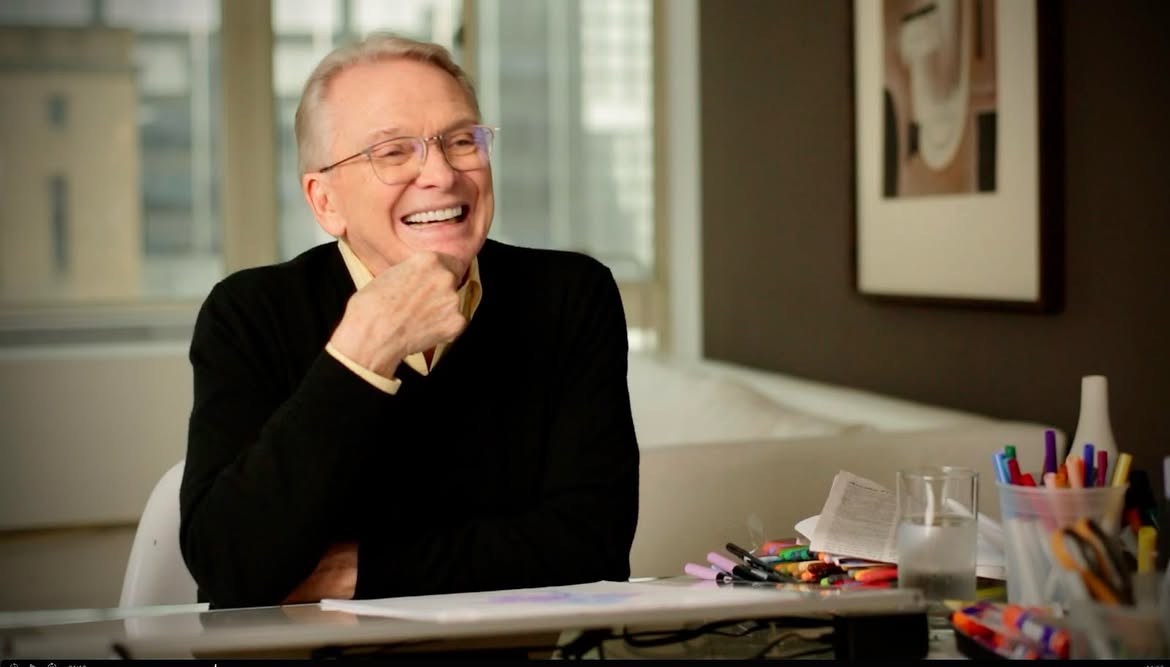
To those still reeling from the loss of Dolly Parton and Tim Curry, we have another queer icon to add to the In Memoriam of 2026: Bob Mackie. A designer known for being extra, before that was even a thing, has left us with a legacy of looks and an indelible mark on fashion.
The news broke on his Instagram account Monday, Sept. 14, with the message:
“It is with a heavy heart that we share the news that Mr. Bob Mackie passed away today. He lived his 87 years to the fullest, fulfilling his dream of being a fashion and costume designer, which is all he ever wanted to do. His genius and extraordinary designs will live on forever, continuing to bring beauty into this world.” According to People magazine, he passed away in Palm Springs, Calif., due to pneumonia.
At 87, Mackie is the definitive designer for divas. Mackie has literally dressed them all, including Diana Ross, Whitney Houston, Barbara Streisand, Dolly Parton, Tina Turner, Bette Midler, Bernadette Peters, and even RuPaul. He’s dressed film and television icons like Raquel Welch, Lynda Carter, Goldie Hawn, and Jennifer Lopez. It’s not just female divas; he’s also done many of Elton John’s famous costumes as well as David Bowie’s.
His first major mark was drawing the first design of Marilyn Monroe’s famous “Happy Birthday, Mr. President” dress. Next, he was an assistant to costume designer Ray Aghayan on “The Judy Garland Show.” The two would carry on a professional and romantic partnership for 50 years until Aghayan’s passing in 2011.
Mackie then went on to do all of the costumes for “The Carol Burnett Show,” creating an estimated 17,000 costumes for her show’s 11-year run. This gave him much critical acclaim and notoriety, making him a permanent fixture in the variety show market.
He became a frequent collaborator of Cher, having made her famous midriff-revealing Oscar gown, her “If I Could Turn Back Time” costume, and being her designer for her various television shows, including “The Sonny and Cher Show.” He even designed costumes for her Farewell Tour. The two are synonymous with him having lent his artistic sensibilities to give her a distinct look. Cher even said in 2024, “He helped me create a different me.”
Mackie has left his mark on fashion with a distinct style of glamorous, over-the-top looks. He received the monikers the “Sultan of Sequins,” the “Rajah of Rhinestones,” and the “Guru of Glitter” for challenging the line between costume and fashion with lots of fringe, flash, and over-the-top eye-catching elements. He’s managed to retain a presence not just in entertainment but in the fashion industry for decades. Most recently, one of his outfits was a major plot point for the final season of “Hacks.”
Mackie has received his share of awards and acknowledgments. In addition to dressing many people for the Oscars, he received three nominations, including dressing Diana Ross for “Lady Sings the Blues.” He won a Tony Award for “The Cher Show.” He won nine Emmy Awards and received 30 nominations for his prolific television work.
Luckily, Mackie’s life was celebrated before his passing, receiving various Lifetime achievement awards including the Geoffrey Beene CFDA Lifetime Achievement Award, being honored by the Television Hall of Fame, and receiving “RuPaul’s Drag Race”‘s Giving Us Life-time Achievement Award. He was the first guest judge on the popular series.
It’s clear that not only was Mackie talented, he was magical. He gave a bit of stardust to countless celebrities, luminaries, and public figures with looks that not only defied expectations but managed to be truly spectacular. He’s part of the glitz we think of when we think of Hollywood, and while often elaborate costumes, the shrewd fashion sense and elegance cannot be denied. Mackie will be missed, but his work lives on in the countless pieces still in circulation and forever captured on film and in media.

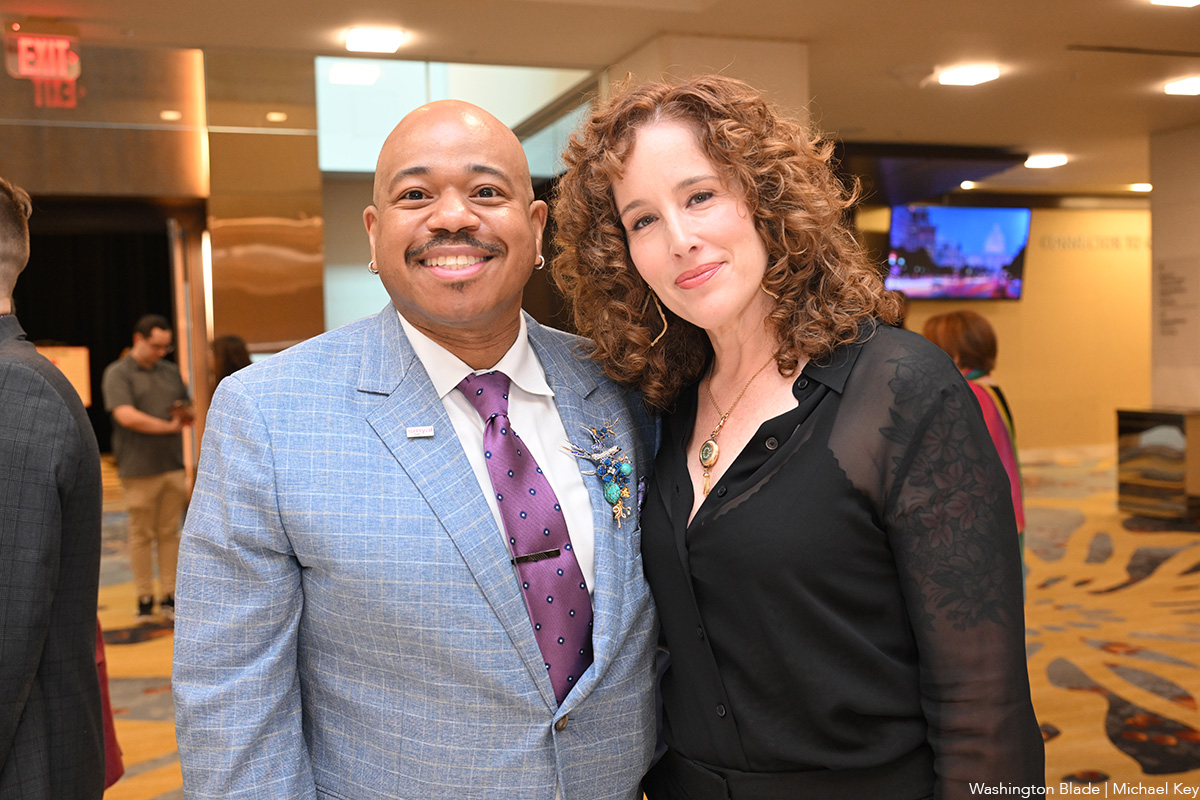
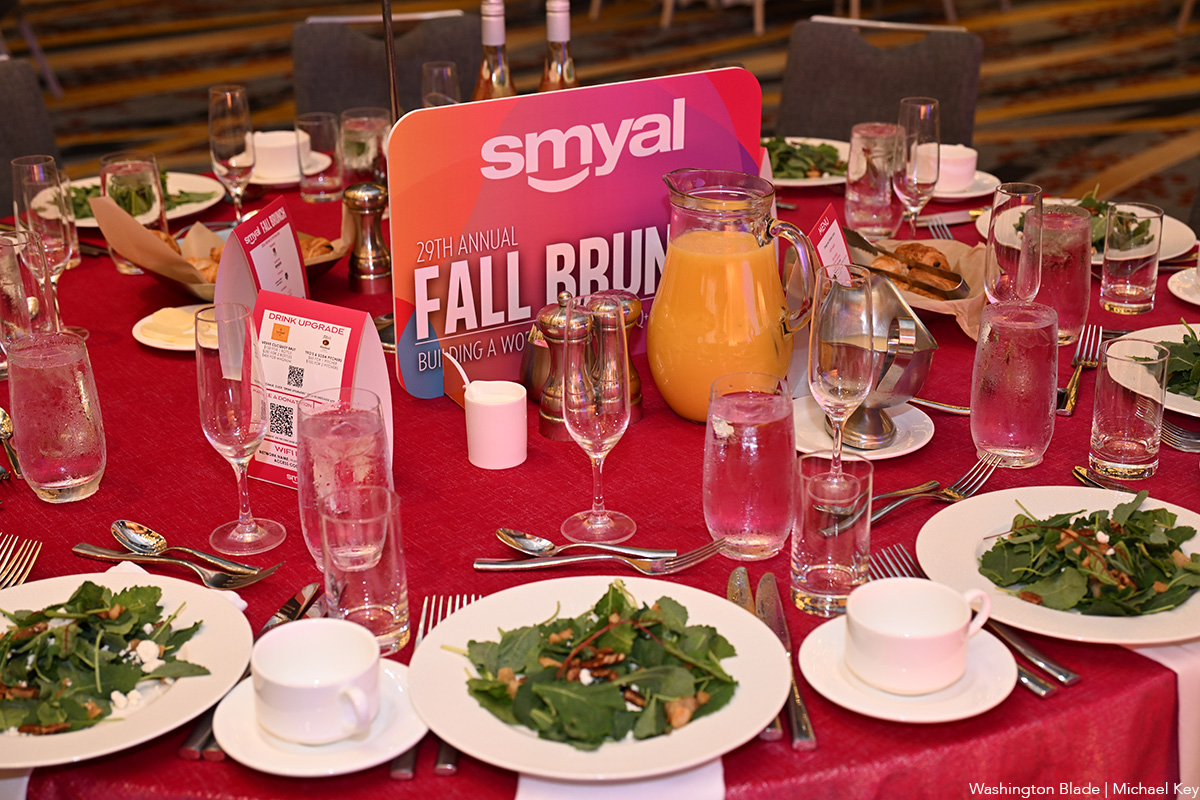
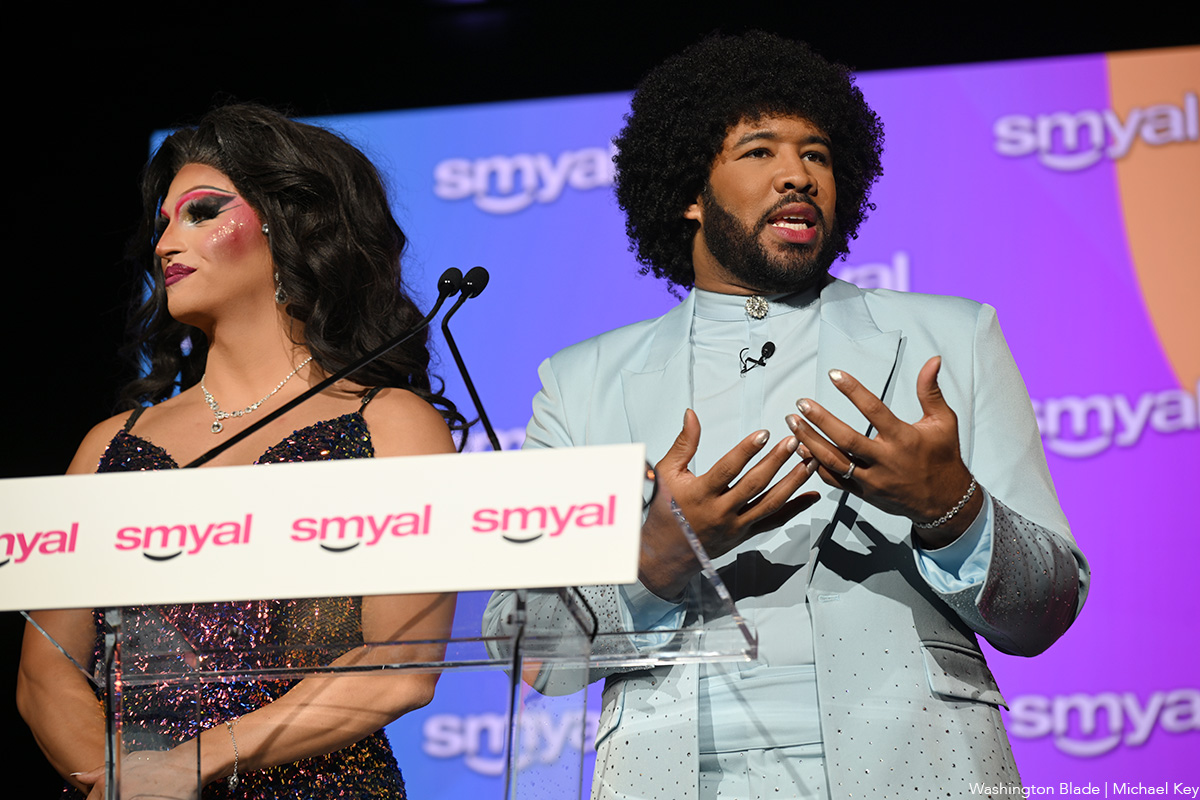
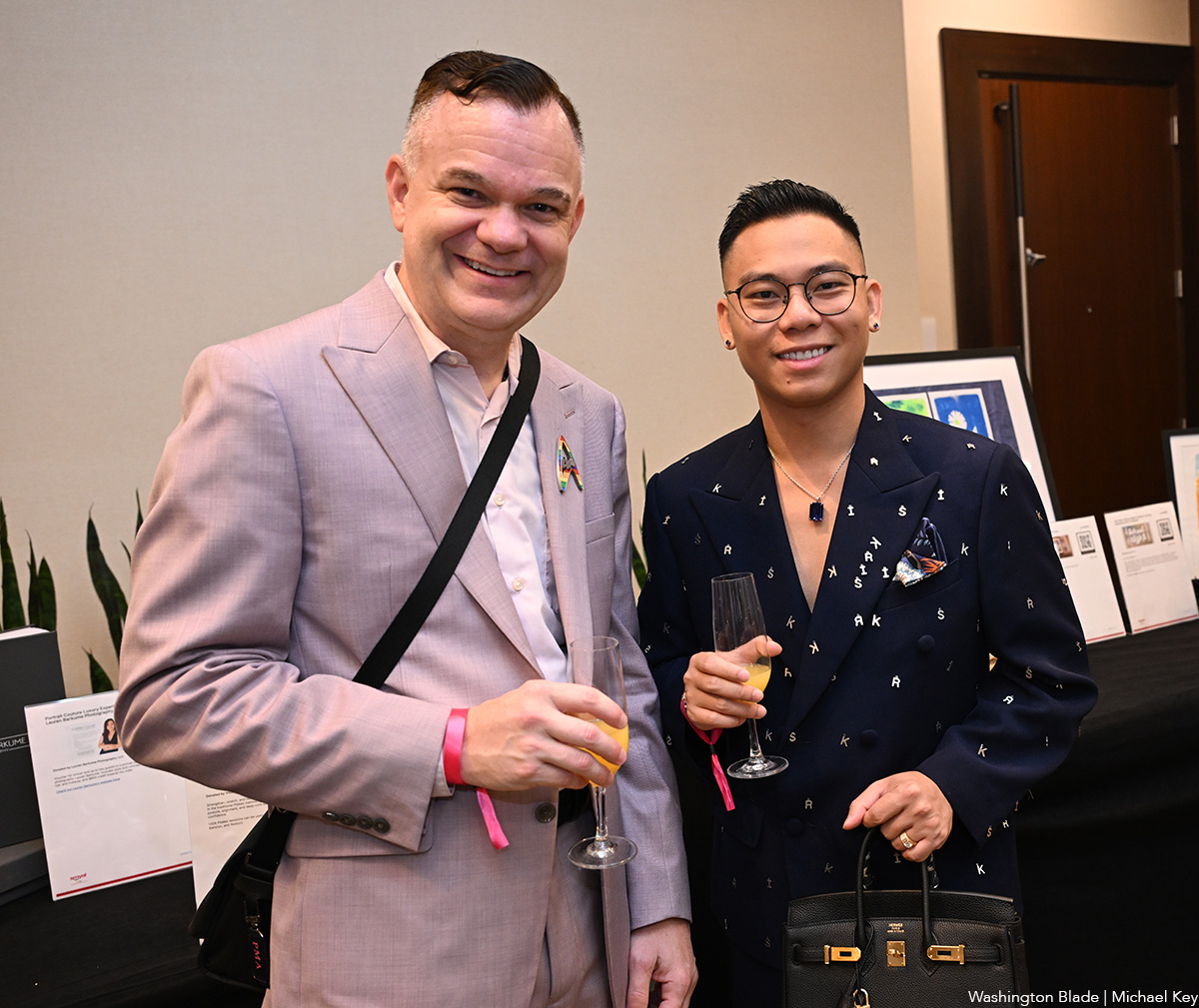
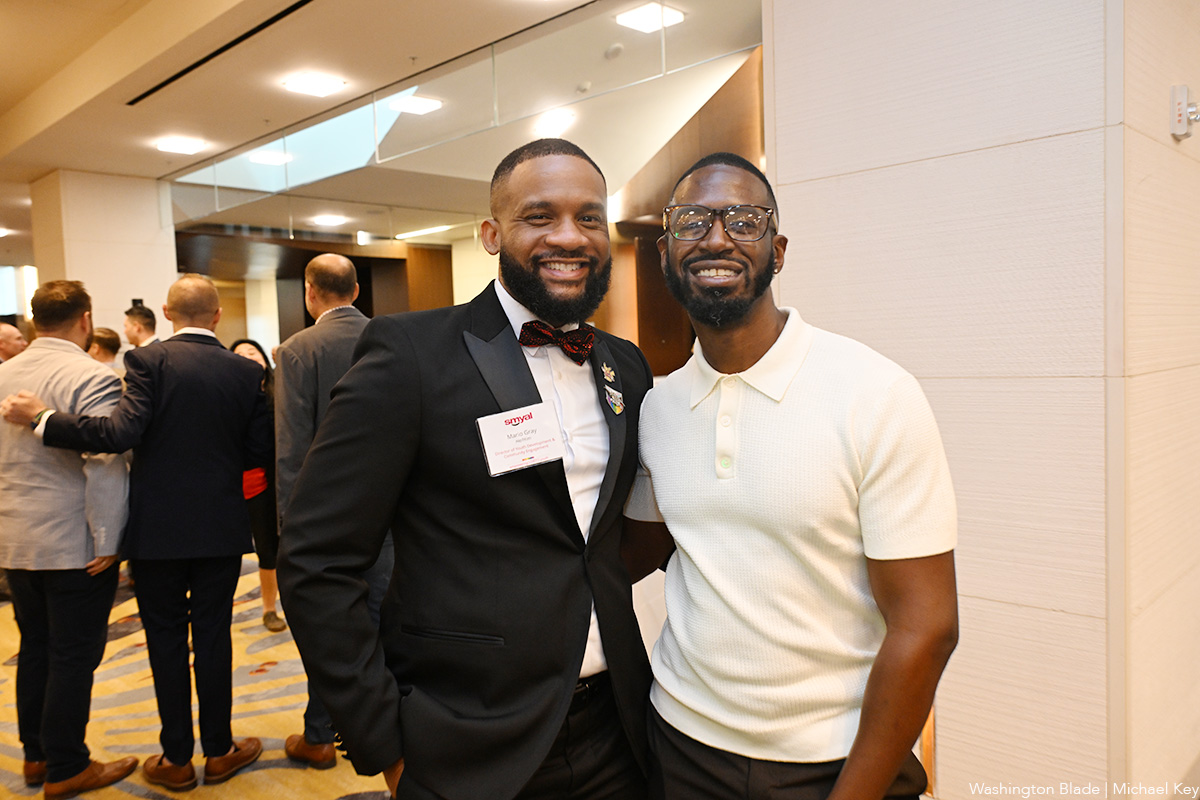
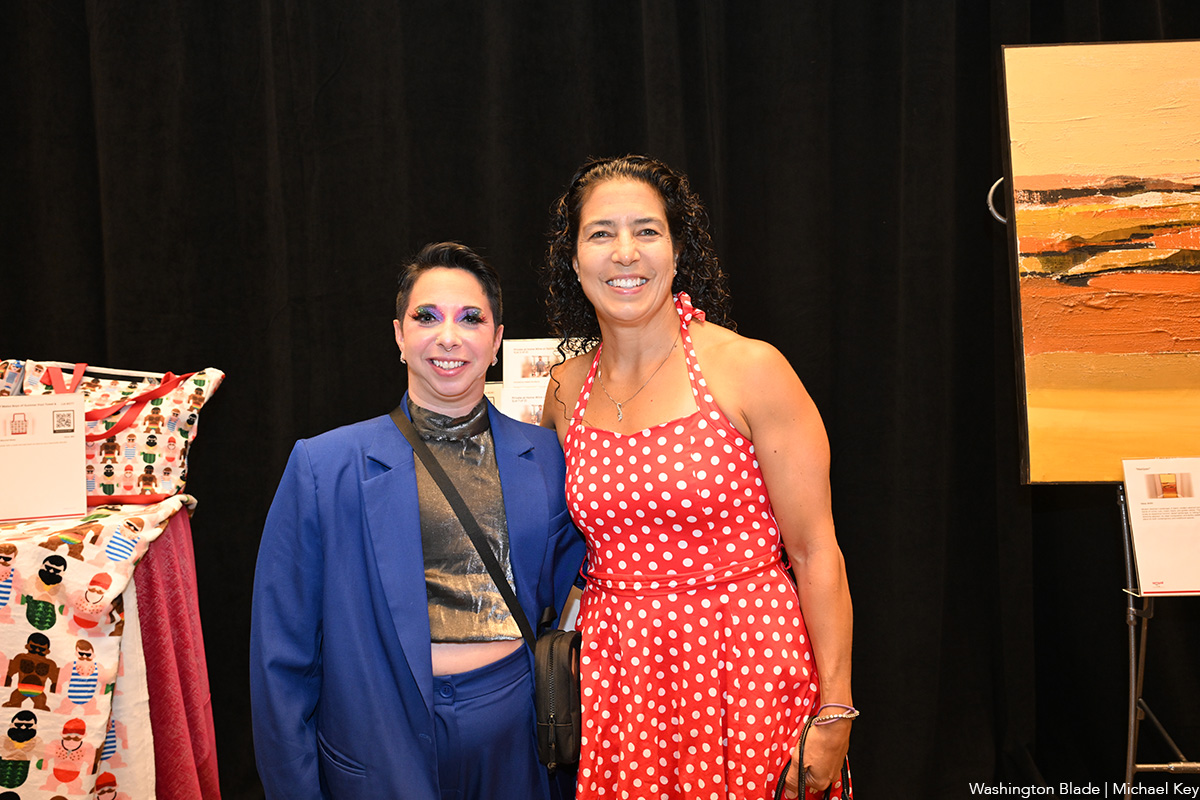
The 29th annual SMYAL Fall Brunch was held at the Marriott Marquis on Sunday, Sept. 13.
(Washington Blade photos by Michael Key)







Books
Dolly Parton biography puts her hardships into context
‘Ain’t Nobody’s Fool’ a highly researched tome not to be missed
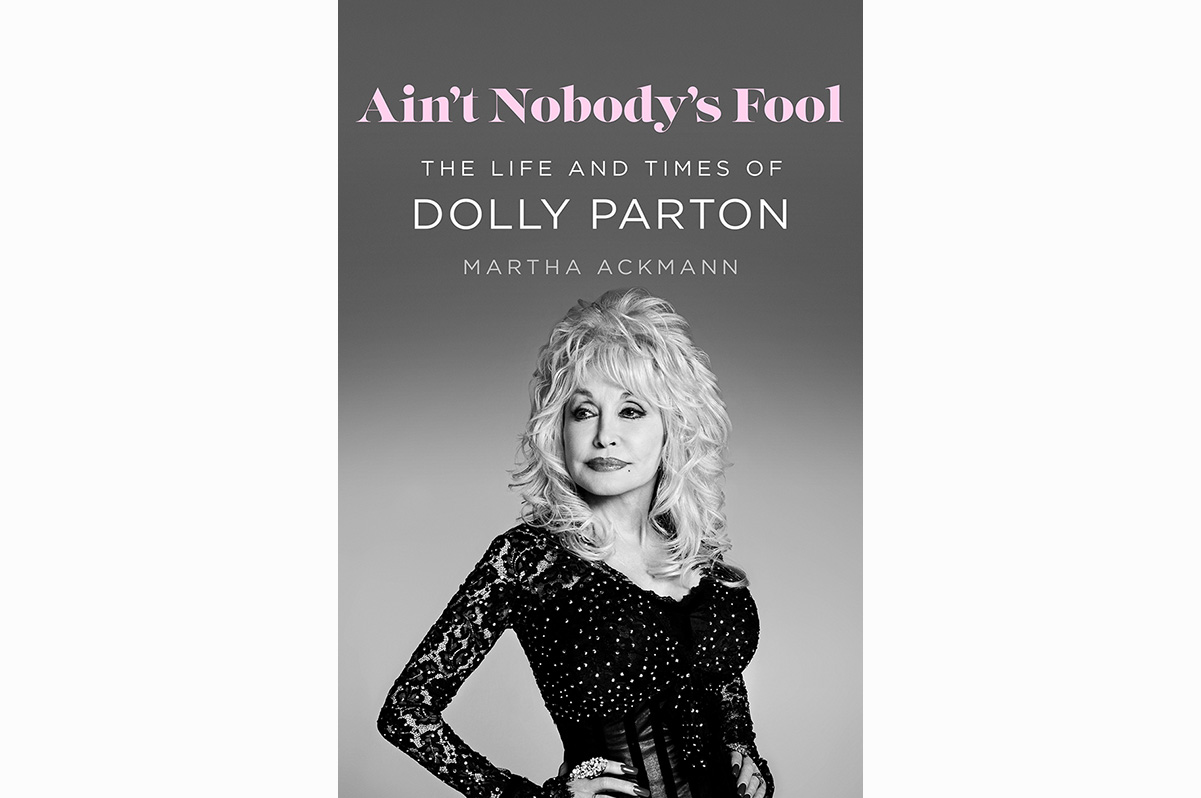
‘Ain’t Nobody’s Fool: The Life and Times of Dolly Parton’
By Martha Ackmann
c.2026, St. Martin’s Press
$30/304 pages
Not too bright.
That’s what people once thought about you. Your language didn’t conform, you had your own sense of style, and you were ignorant about modern things and places and foods. But you were no dummy. You were different, and you had a secret: as in the new biography, “Ain’t Nobody’s Fool: The Life and Times of Dolly Parton” by Martha Ackmann, you knew exactly where you were going.

When Avie Lee Owens and Lee Parton first married, they had the very basics: “two knives, two forks, two spoons, a skillet, a butcher knife, and an old iron kettle.” He was 17; she was 15. Babies came quick. The fourth one was named Dolly, after two great-aunts.
Almost from the time she could walk, Dolly sang. Before she was old enough to attend school, she wrote poetry, and she’d begun to notice rhythms and beats she could make with her fingers. As a schoolchild, she created her own musical instruments out of scraps, and she was eager to perform whenever anyone asked her – and they asked often, because Dolly Parton was a nice girl, and her sense of humor conveyed a warmth that drew people in.
Growing up in the Tennessee mountains, Parton was independent, shunning marriage and child-raising, instead focusing on a dream of being a star. By the time she was in high school, she’d had a regular gig on local television but she recognized that there were few opportunities for fame in the mountains, so she left for Nashville the day after high school graduation, with the snickers of naysayers ringing in her ears.
She stayed with an aunt and uncle there, and she beat the streets, dined on grocery store samples to get by, and missed her family and friends. And they worried about her, but they knew nothing would derail her plans. They knew Dolly would be fine.
As a friend said, “’She had her head on pretty good.’”
Chances are that if you’ve listened to music any time in the last 60 years, you’ve heard Dolly Parton through her words or her music or both. Now you need to learn more about her, and “Ain’t Nobody’s Fool” is where to do it.
Here’s a biography that grabs you on the first page with the tiniest bit of family tree, but not so much that you get bored with it. Author Martha Ackmann writes about Dolly Parton’s early life, putting hardships and experiences in context, both personally and historically. There are name-drops, but not overly so, as Ackmann takes you through Parton’s career, her heartbreaks, her marriage, and her years with Porter Wagoner, in detail but not dramatically embellished or outrageously told. It’s a biography that’s just right, sourced well and written with a fresh take that, like its subject, tells a good story.
Fans, of course, will want this highly researched book but music lovers of any age or type will eat it up. That means you, so use up that Christmas gift certificate. “Ain’t Nobody’s Fool” just shines.
The Blade may receive commissions from qualifying purchases made via this post.

New Hungarian government to scrap anti-LGBTQ adoption law

Fashion icon Bob Mackie dead at 87

Transgender woman killed in Barclay community mourned by friends, advocates

Dozens detained after Turkish authorities raid LGBTQ groups, businesses

PHOTOS: SMYAL Fall Brunch

How Dolly became a folk saint for Appalachian queers

Remembering the LGBTQ heroes of 9/11 terrorist attacks

Report: 90 percent of LGBTQ groups around the world have lost funding since 2025

Historiography with heart