Arts & Entertainment
Calendar: June 1
Parties, concerts, exhibits and more through June 7
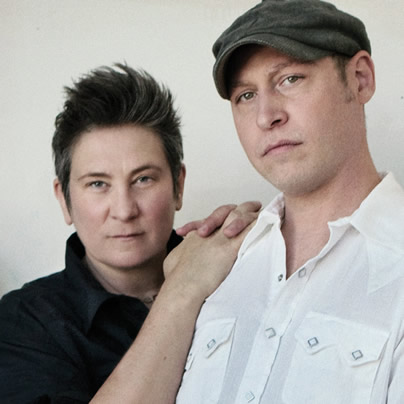
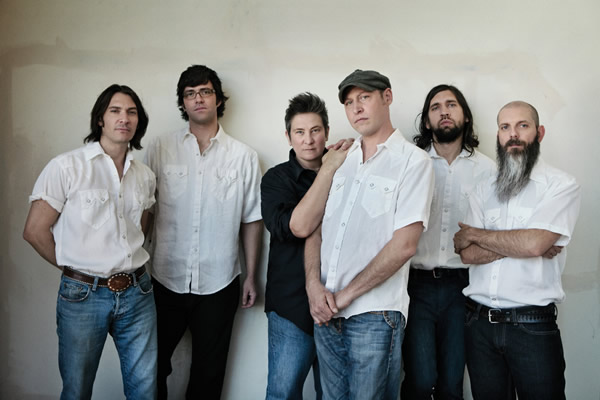
k.d. lang and her band the Siss Boom Bang, play Wolf Trap again this year. They’ll be there Wednesday night. (Photo courtesy Wolf Trap)
TODAY (Friday)
“Auntie Mame” screens on the Lunar Lawn this evening at the Hillwood Estate (4155 Linnean Ave. NW) for the Dina Merrill Film Program’s Divas Outdoors event. Gates open at 6:30 p.m. and the film screens at 8:15. Tickets are $15 or $10 for college students and children ages 6-18. For more information, call 202-686-5807 or visit HillwoodMuseum.org.
Town (2009 8th St NW) hosts the Pride Guide Party tonight with the Blade. Doors open at 10 p.m. and the drag show starts at 10:30. Tickets are $5 from 10-11 p.m. and $10 after 11 for guests 21 and over, and are $10 for guests 18-20 all night. For details, visit towndc.com.
Aaron Myers and the Black Fox Lounge Jazz Ensemble perform tonight at Black Fox Lounge (1723 Connecticut Ave. NW) for the DC Jazz Festival: Jazz in the ‘Hoods event from 9:30 p.m. to 12:30 a.m. Admission is free. For more information, visit blackfoxlounge.com.
Capital Pride hosts its annual women’s party this evening in partnership with LURe and B.O.I. Marketing and Promotions at Phase 1 (525 8th Street, SE) from 10 p.m. to 2 a.m. There is a $10 cover charge benefiting Capital Pride. For more details, visit phase1dc.com or capitalpride.org.
Saturday June 2
The Gay Men’s Chorus of Washington presents “Heart Throbs,” a high-energy tribute to male singers, boy bands and teen idols, at the Lisner Auditorium on the George Washington University campus (730 21St Street NW) tonight at 8 p.m. Tickets range from $13-$50 and can be purchased online at gmcw.org.
Eatonville (14th & V St. NW) has a Queer Southern Brunch plus Southern Poets Reading from noon-2 p.m. today as part of the Capturing Fire Queer Spoken Word Summit and Slam. The brunch is $25. For more details, visit thedccenter.org.
Burgundy Crescent, a gay volunteer organization, helps Food and Friends with food preparation and grocery packing today. The volunteer group size is limited to 10 per shift and will fill quickly. Donuts and coffee will be provided at 8 a.m. and the group will start working at 8:15. If interested in volunteering, email [email protected] and visit foodandfriends.org or burgundycrescent.org for more information.
Sunday June 3
Phase 1 (525 8th Street, SE ) hosts performances by Benny Ninja and The i-Vogue Dancers during its “Everything” party tonight from 7 p.m. to 1 a.m. Tickets are $10. For more details, visit phase1dc.com.
The second annual Drag Ball Game Charity Fund Raiser (1625 P street NW) for The D.C. Center is today from 3 to 6 p.m. Capital Pride suggests a $5 donation, which includes entry to the game, one raffle ticket and after party admission at Cobalt (1639 R Street NW). For more information, visit thedccenter.org.
Pariah, a film about a teenage African-American woman’s lesbian identity and her rocky relationship with her family, screens this evening from 7-9 p.m. at Busboys and Poets (5331 Baltimore Avenue, Hyattsville, MD). The screening is free. Visit thedccenter.org for more details.
The Latino GLBT History Project presents D.C. Latino Pride: La Misa, a bilingual Catholic-Episcopal church service with Rev. Joseph Palacios at St. Thomas’s Episcopal Parish Dupont Circle (1772 Church St. NW). The service is from 7:30-8:30 p.m. For more information, visit capitalpride.org or email David Perez at [email protected].
Monday June 4
The Washington Jewish Film Festival and GLOE (GLBT Outreach & Engagement) screen “Melting” Away tonight from 7-9 p.m at the D.C. Jewish Community Center (1529 16th Street, NW). The film is about an Israeli family’s rejection and later acceptance of their transgender daughter. A discussion on identity will follow the screening. Tickets are $11 and $10 for seniors and students. Visit washingtondcjcc.org or capitalpride.org for more information.
Joshua Morgan in partnership with theatreWashington hosts Music of the Night this evening at Town (2009 8th St. NW) from 7-11 p.m. The event includes performances by Joshua and his talented friends and sing-a-long opportunities for guests. Admission is $20 and benefits Capital Pride. For more information, visit capitalpride.org.
Cobalt has a 21+ Martini Monday night at 10 p.m. tonight. Martinis are $5 all night; admission is free. For details, visit cobaltdc.com.
Tuesday June 5
The annual Capital Pride Interfaith Worship Service is this evening at 7:30 p.m. at Luther Place Memorial Church (1226 Vermont Avenue NW). LGBT activist Dana Beyer is the guest speaker. The service features a performance by the Rock Creek Singers, a chamber ensemble of the Gay Men’s Chorus of Washington. Visit thedccenter.org for more details.
Human Rights Campaign Equality Forum (1640 Rhode Island Ave. NW) presents Women’s Spoken Word tonight from 7:30-9 p.m. All attendees are encouraged to express themselves through monologues, poems, songs and other performances in this open mic event. Admission is free.
Wednesday June 6
Lesbian singer k.d. lang, the legendary creator of alternative-country and winner of four Grammy awards, performs tonight with her band The Siss Boom Bang and special guest Jane Siberry at 8 p.m. at the Filene Center at Wolf Trap (1551 Trap Road Vienna, Va.). In-house tickets are $45 and lawn tickets are $25. Find out more information and purchase tickets online at wolftrap.org.
The Lambda Social Bridge Club meets at 7:30 p.m. this evening at the Dignity Center (721 8 St. SE). A partner is not necessary to participate and players typically play 20 hands of bridge. For more details, visit lamdabridge.com or call 301-345-1571.
Bookmen D.C., an informal men’s gay-literature discussion group, discusses John Waters’s memoir “Role Models” at 7:30 p.m. tonight. All are welcome to join the group at the Tenleytown Public Library (4450 Wisconsin Ave NW). For more information, visit bookmendc.blogspot.com.
Thursday June 7
Cobalt (1639 R St. NW) hosts its weekly “best package contest” tonight with hosts Lena Lett and Ba’Naka. Participants in the exhibitionistic contest can win up to $200 in prizes. Tickets are $3, and 21-and-older attendees can buy $2 rail drinks from 9-11 p.m. Visit cobaltdc.com for details.
Harris Face, an alternative folk guitarist and singer, performs this evening from 7:30-10:30 p.m. at Black Fox Lounge (1723 Connecticut Ave. NW) with an opening performance by Wendell Kimbraugh. Tickets are $5. For more information, visit blackfoxlounge.com.
Town (2009 8 St. NW) hosts D.C. Latino Pride: La Fiesta tonight from 8 p.m.-2 a.m. The night includes captivating performances and an all-night dance party. Admission is 18-and-up with ID; a $5 cover will be donated to D.C. Latino Pride. For details, visit capitalpride.org or towndc.com.
Members of Burgundy Crescent volunteer today for Equality Federation, the national alliance of state-based LGBT advocacy organizations, from 5:30-8:30 p.m. at the D.C. Jewish Community Center (1529 16th St. NW). Volunteers are needed to help set up, serve alcohol, replenish appetizers and clean up the community center. Black pants and a white shirt are the preferred attire. To participate, visit burgundycrescent.org.





Photos
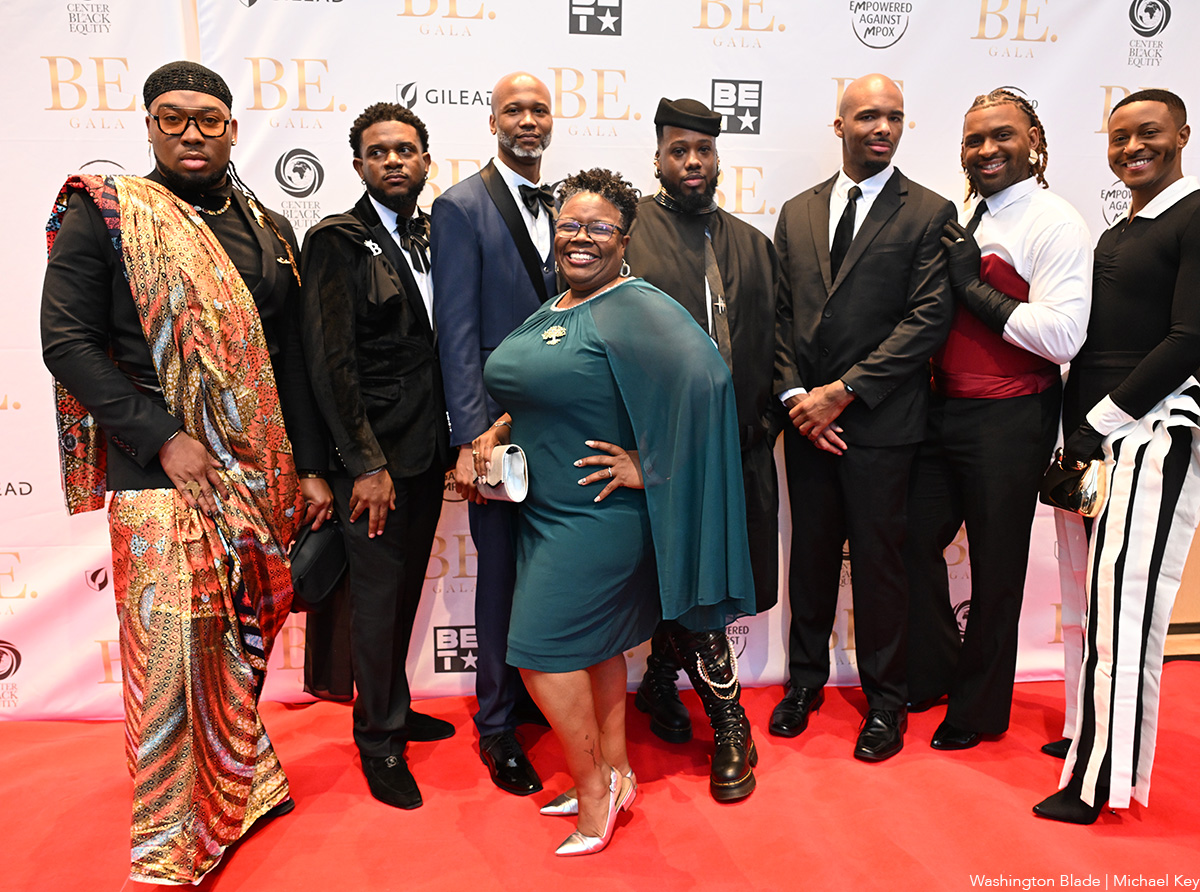
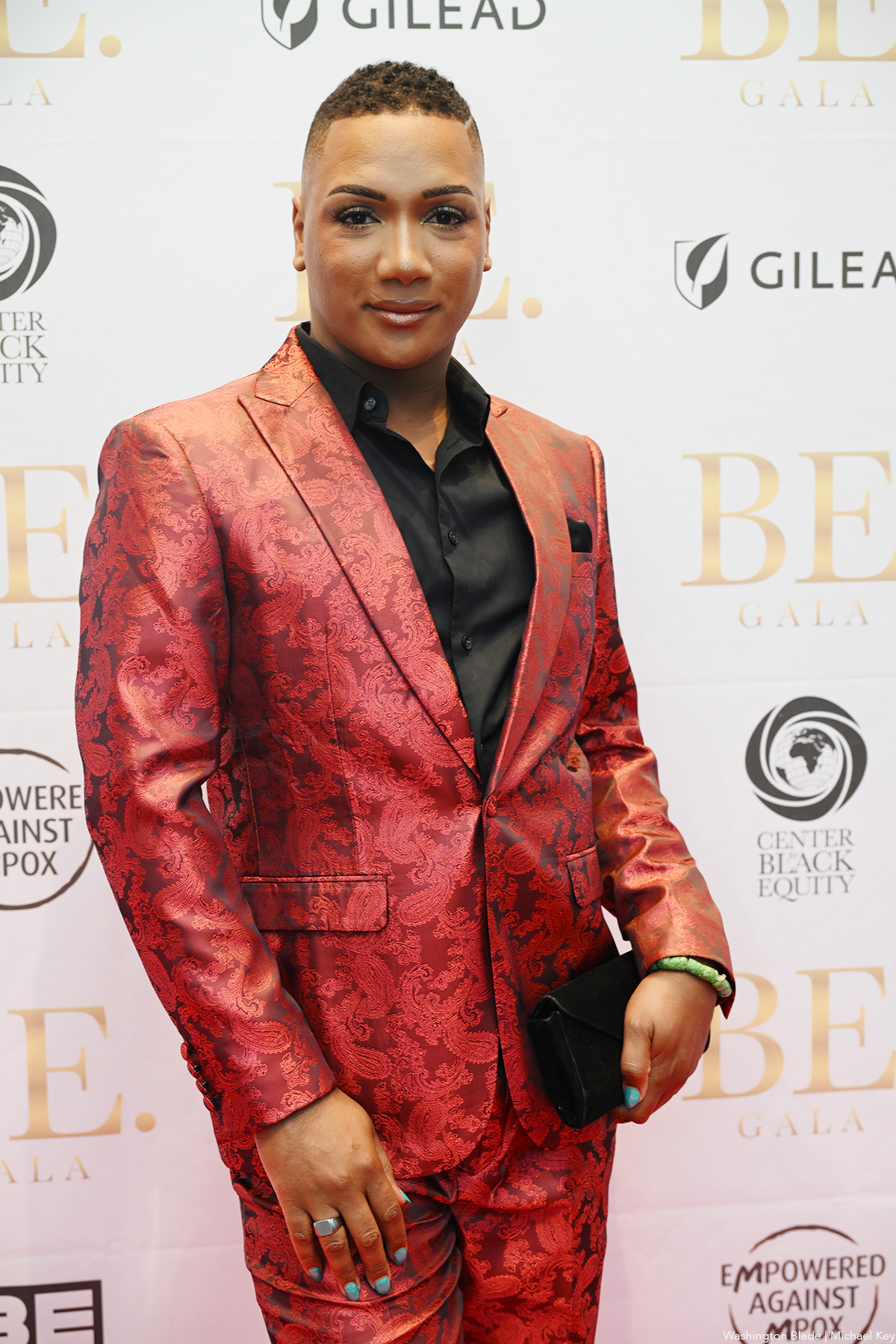
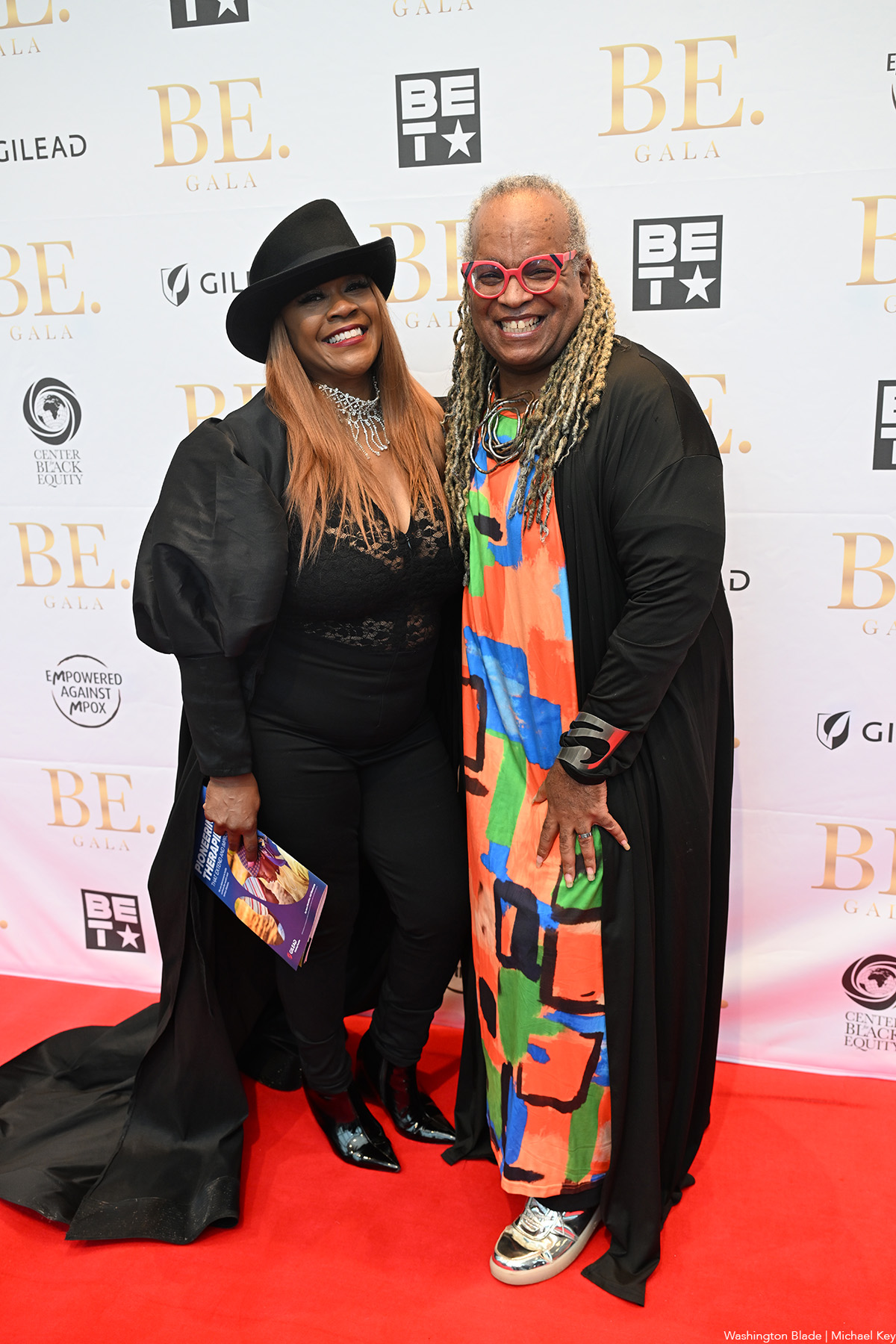
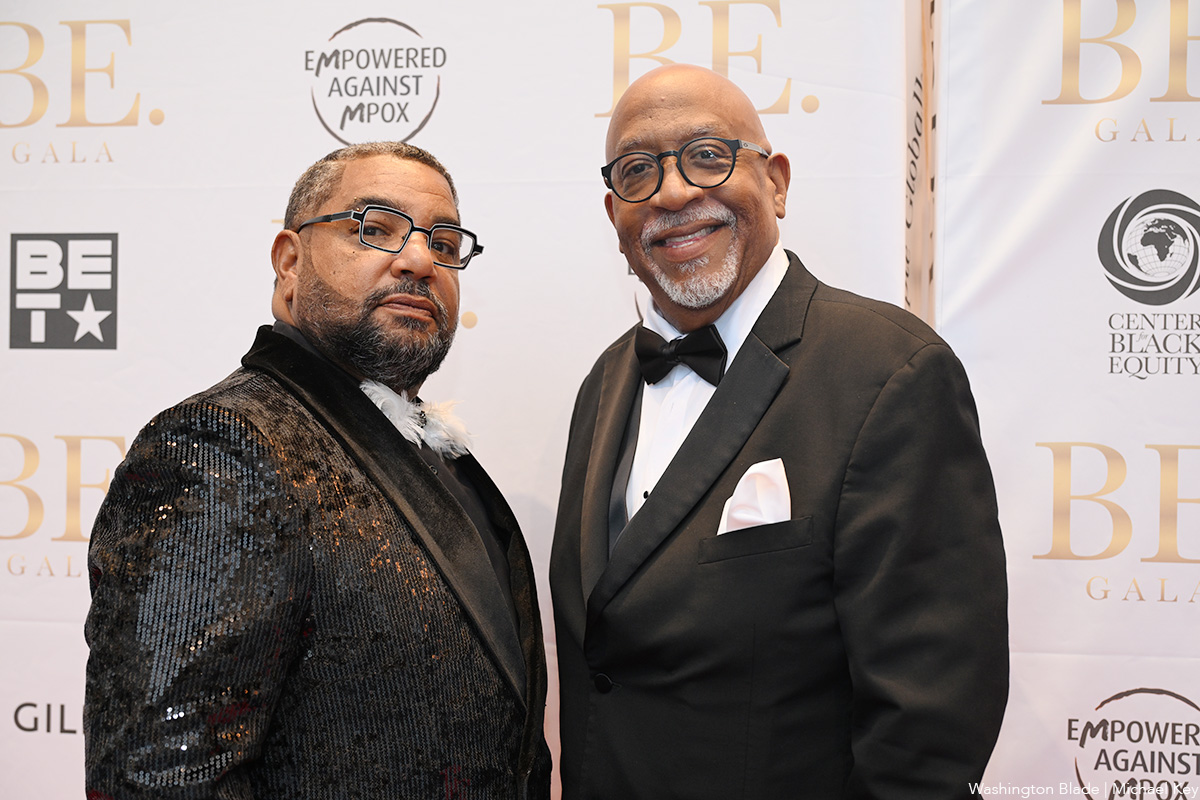
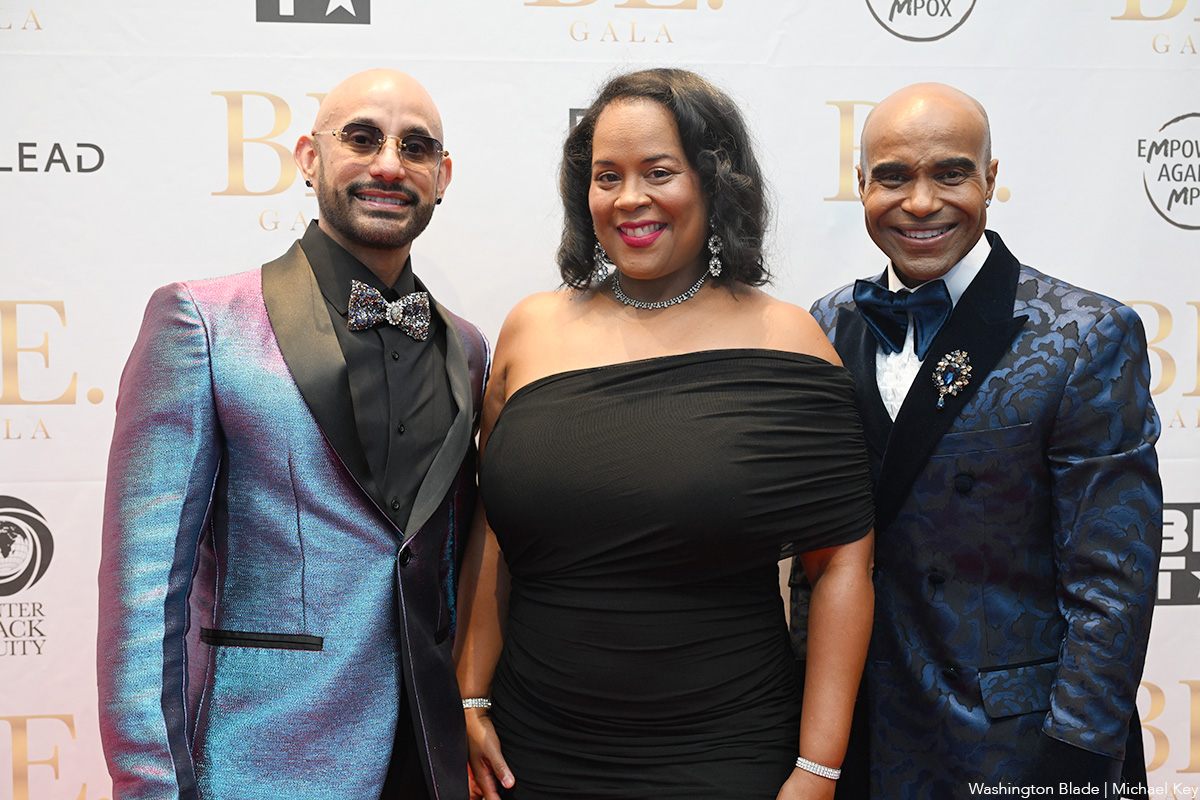
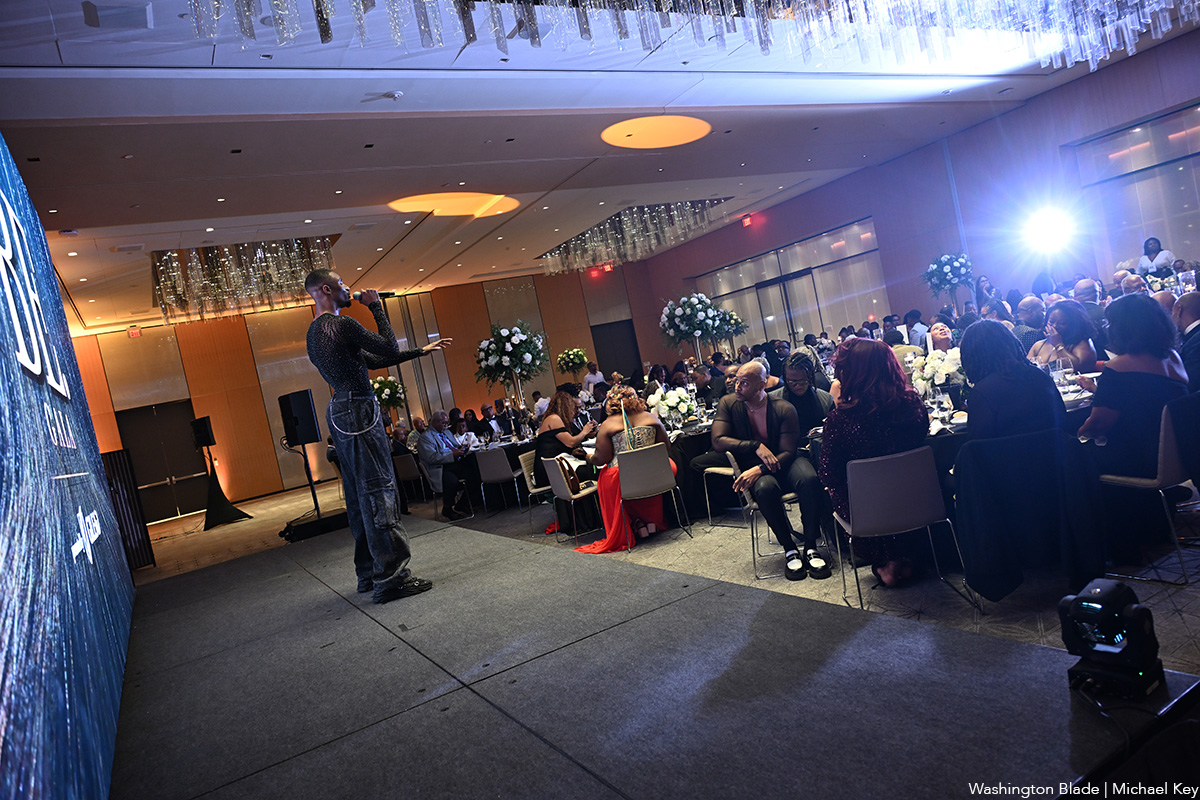
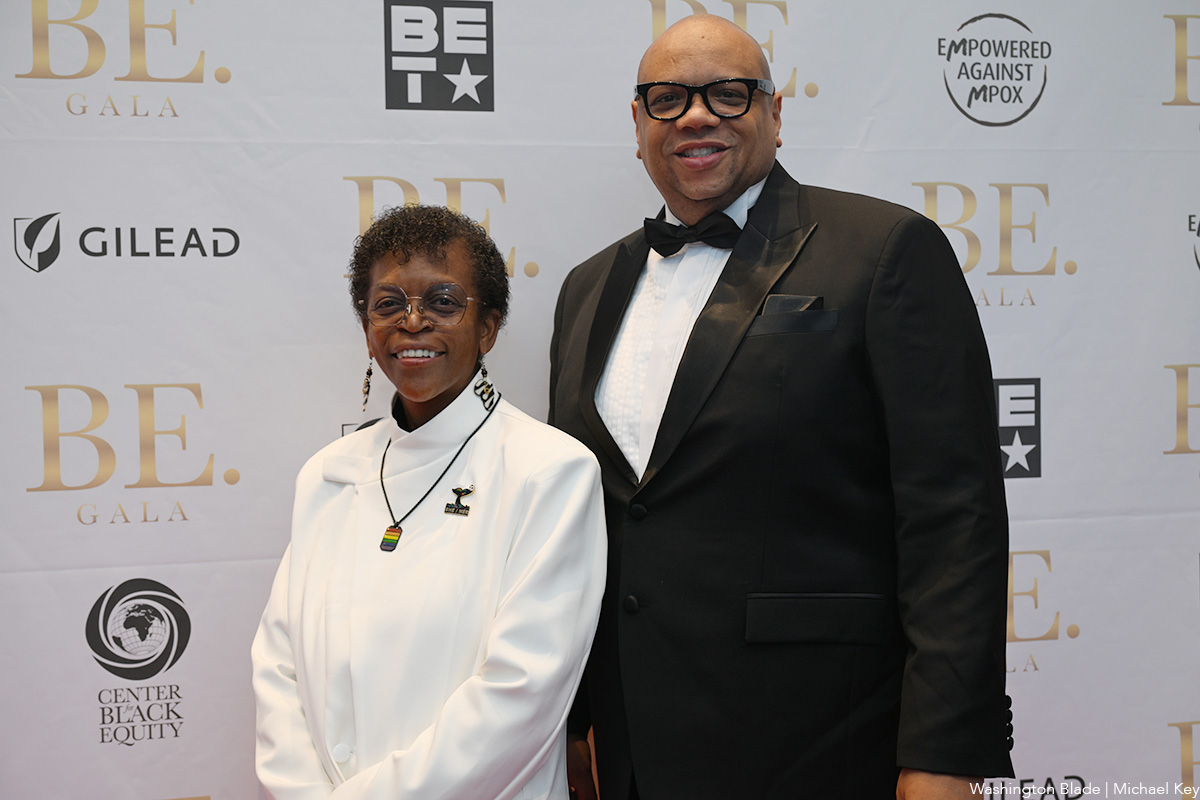
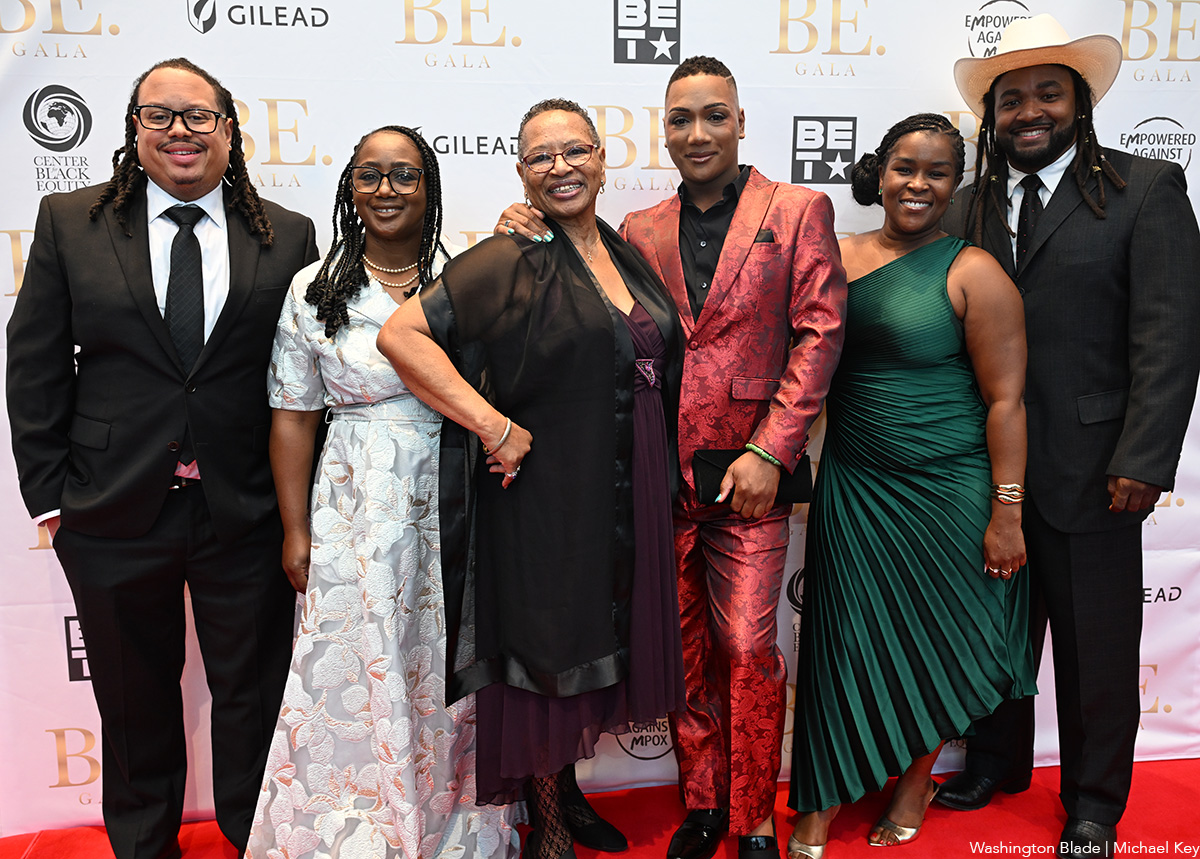
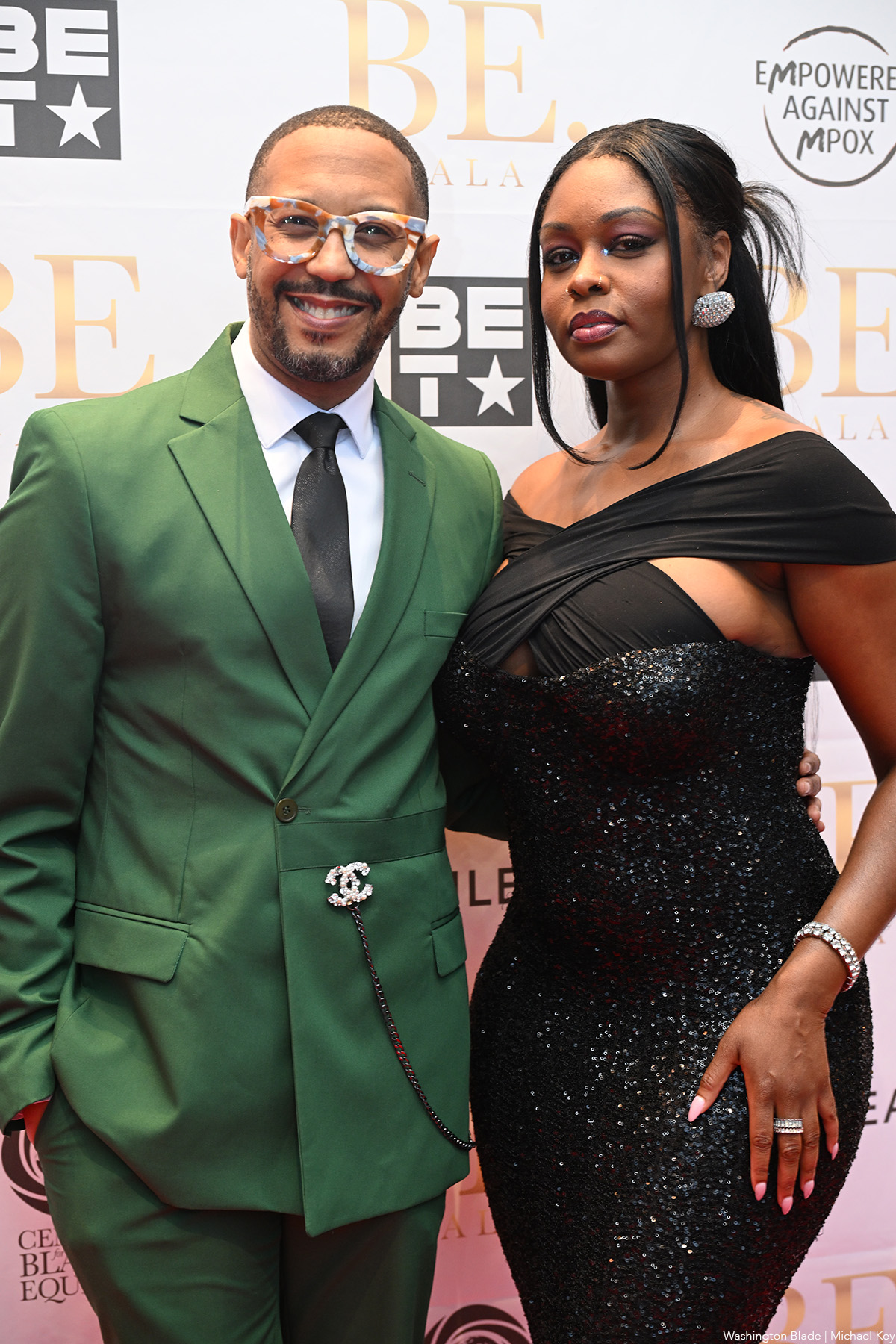
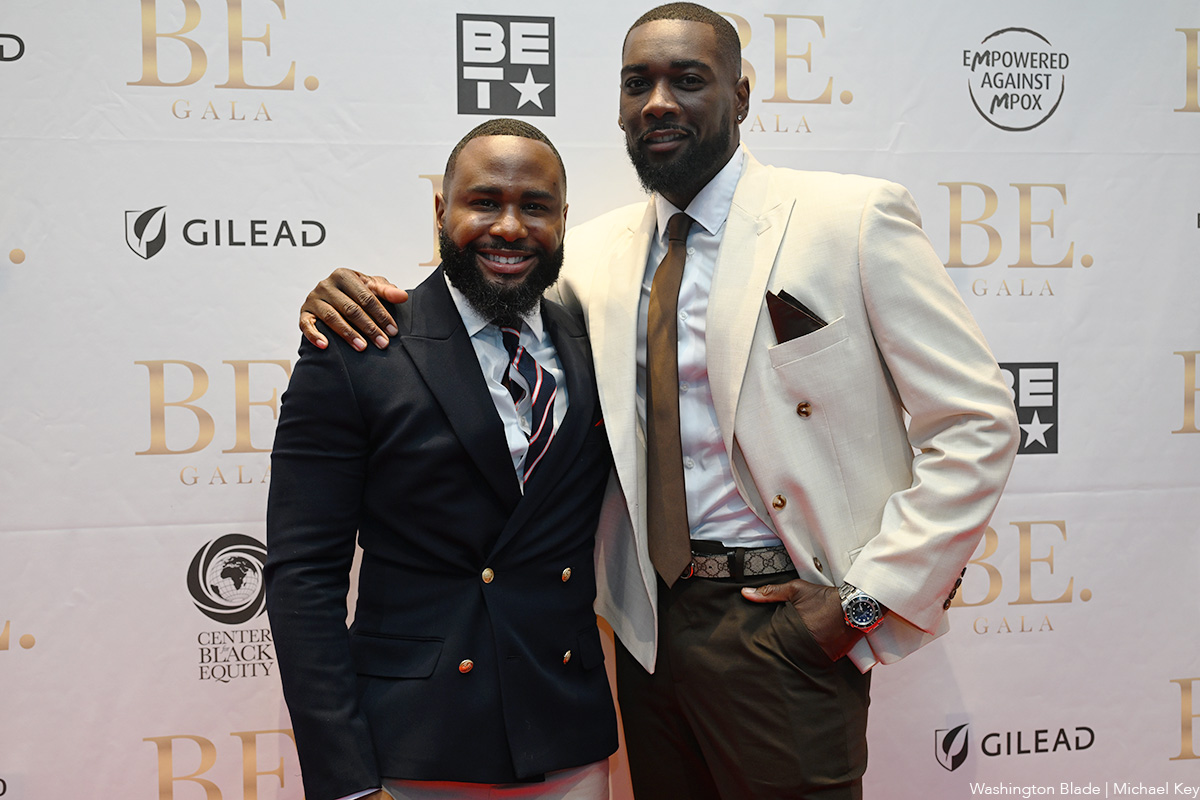
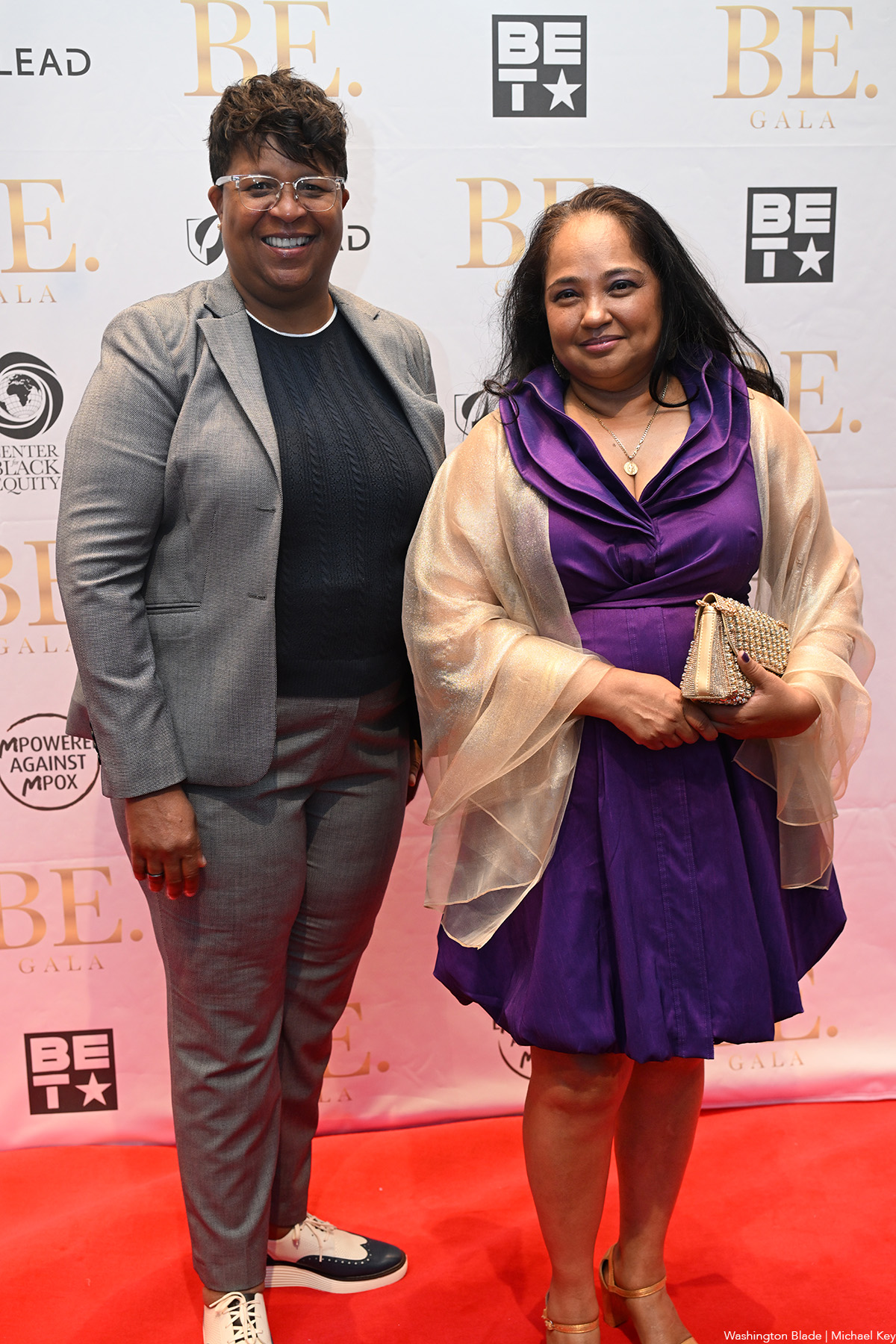
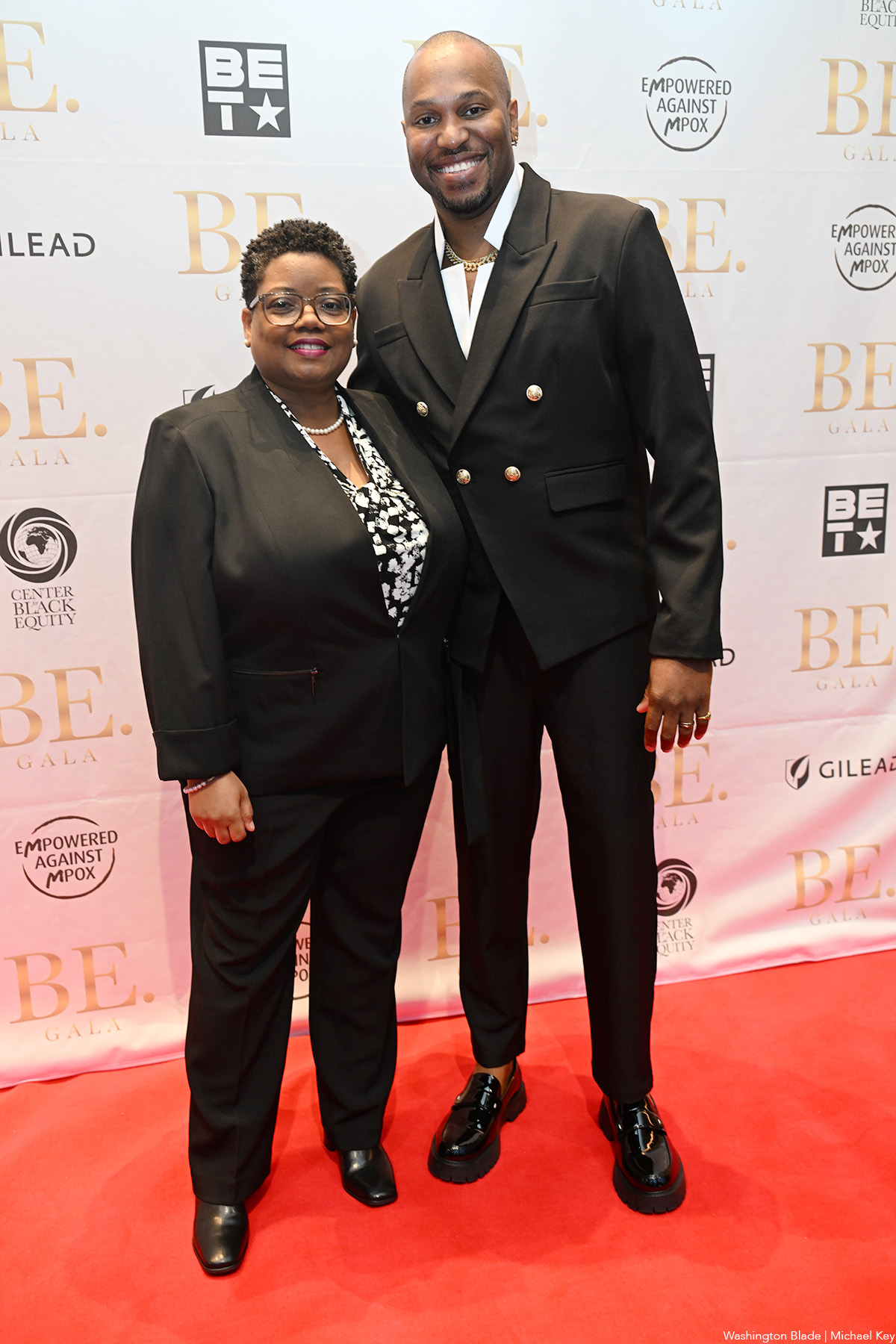
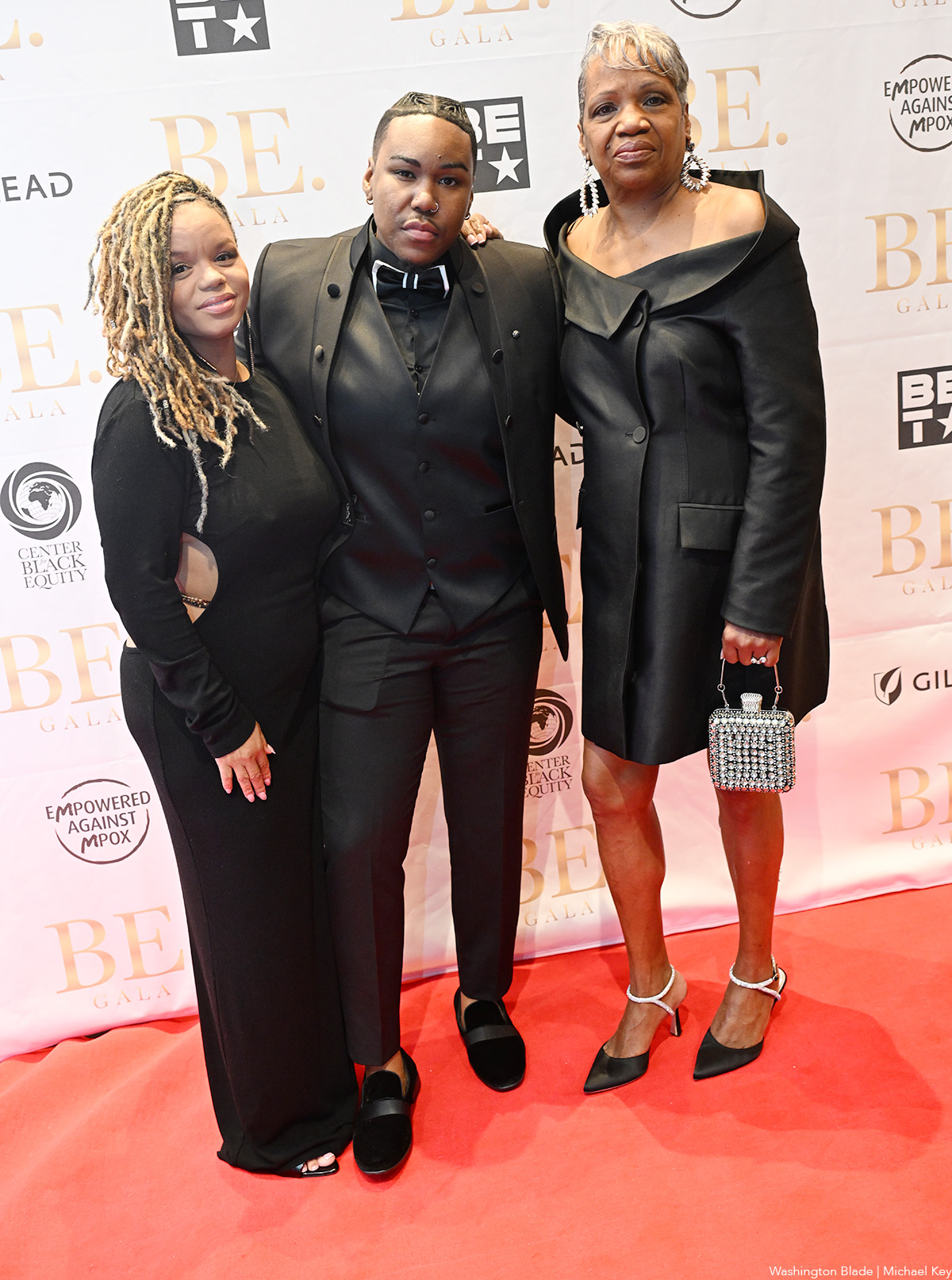
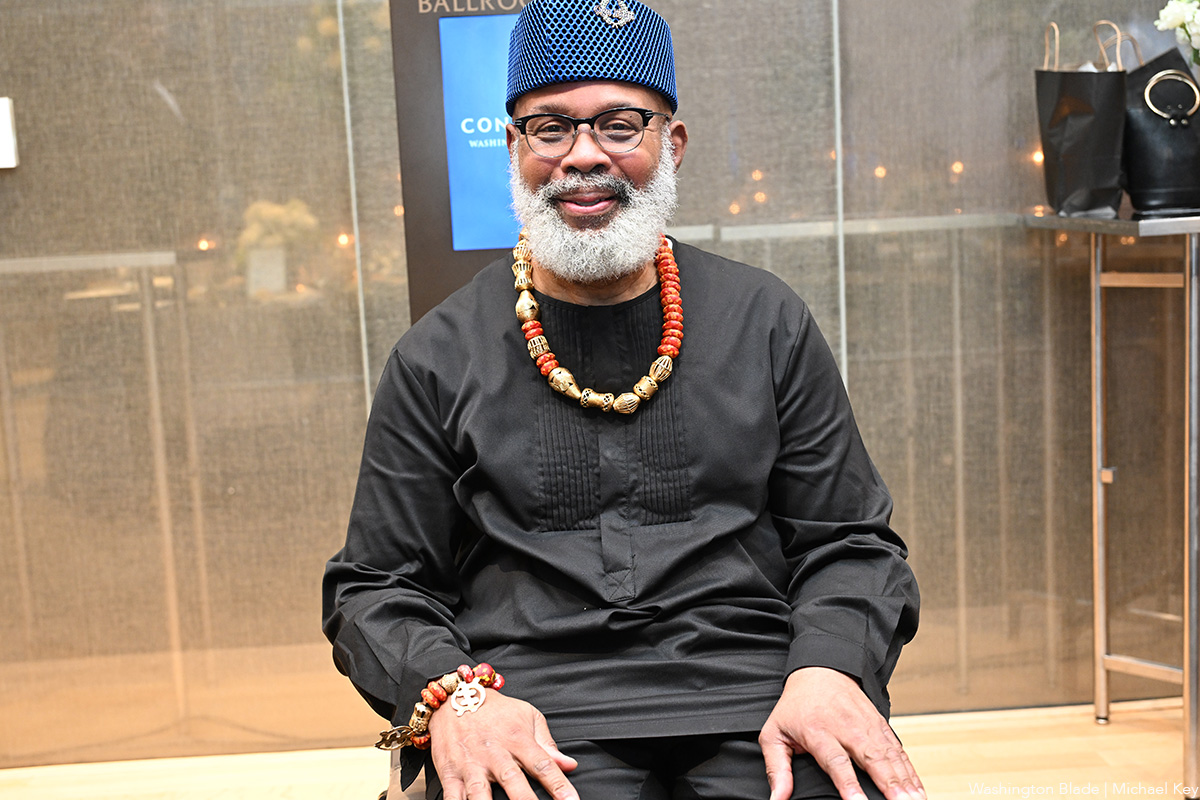
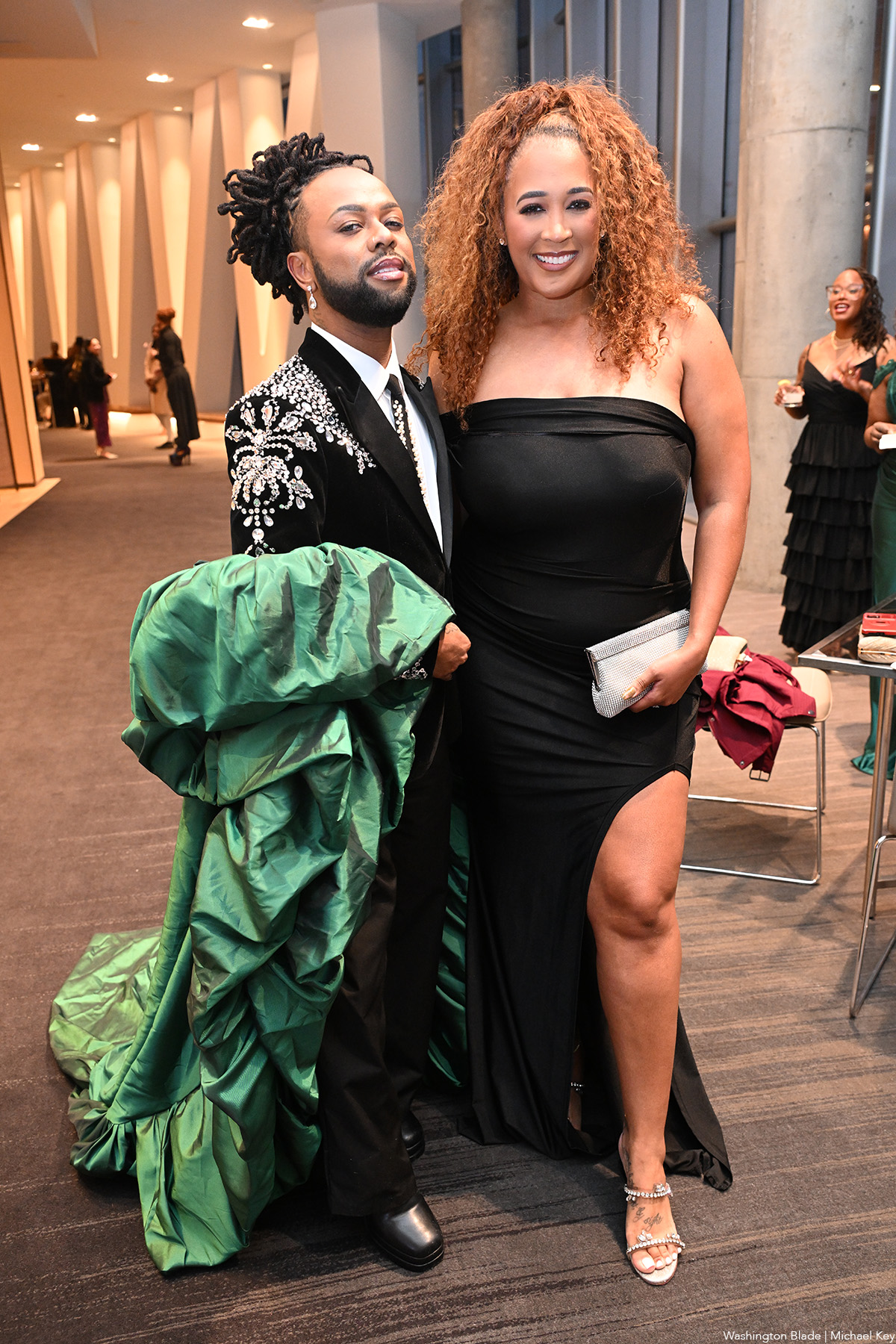
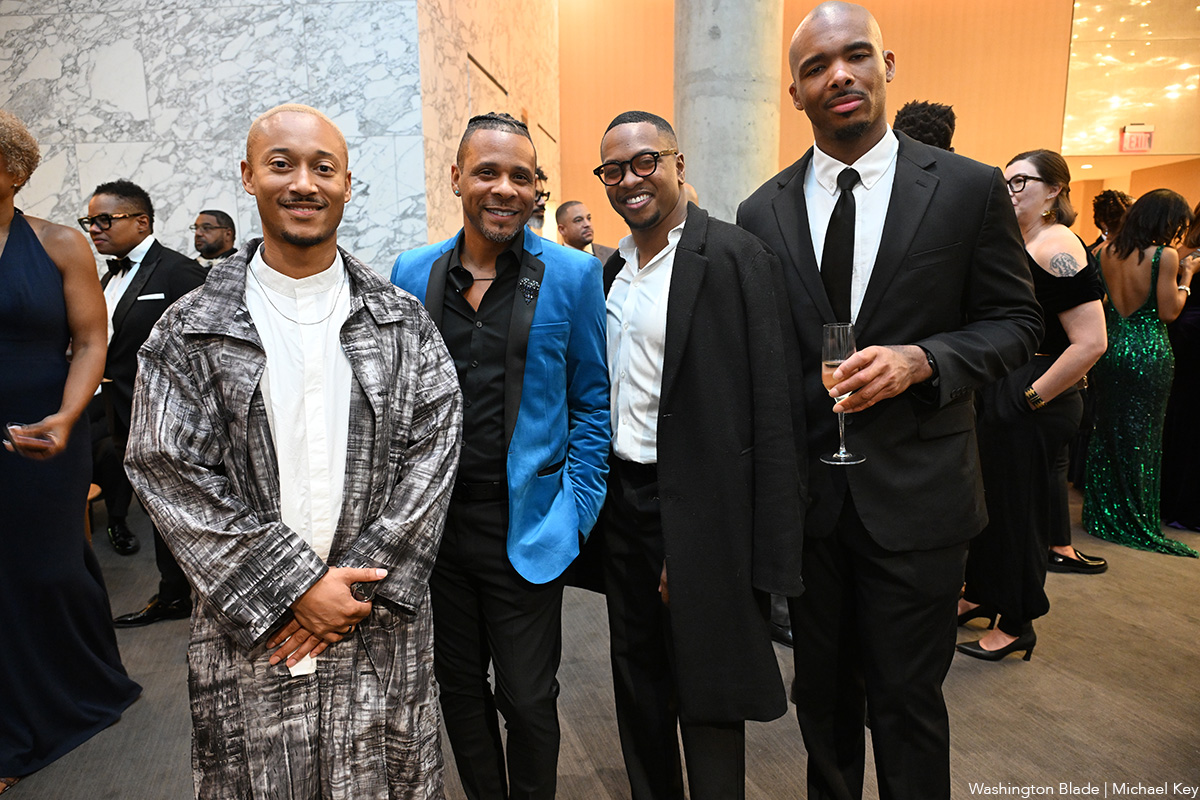
Center for Black Equity honors leaders, activists at BE. Gala
Miyake-Mugler, Oakes co-host annual awards ceremony
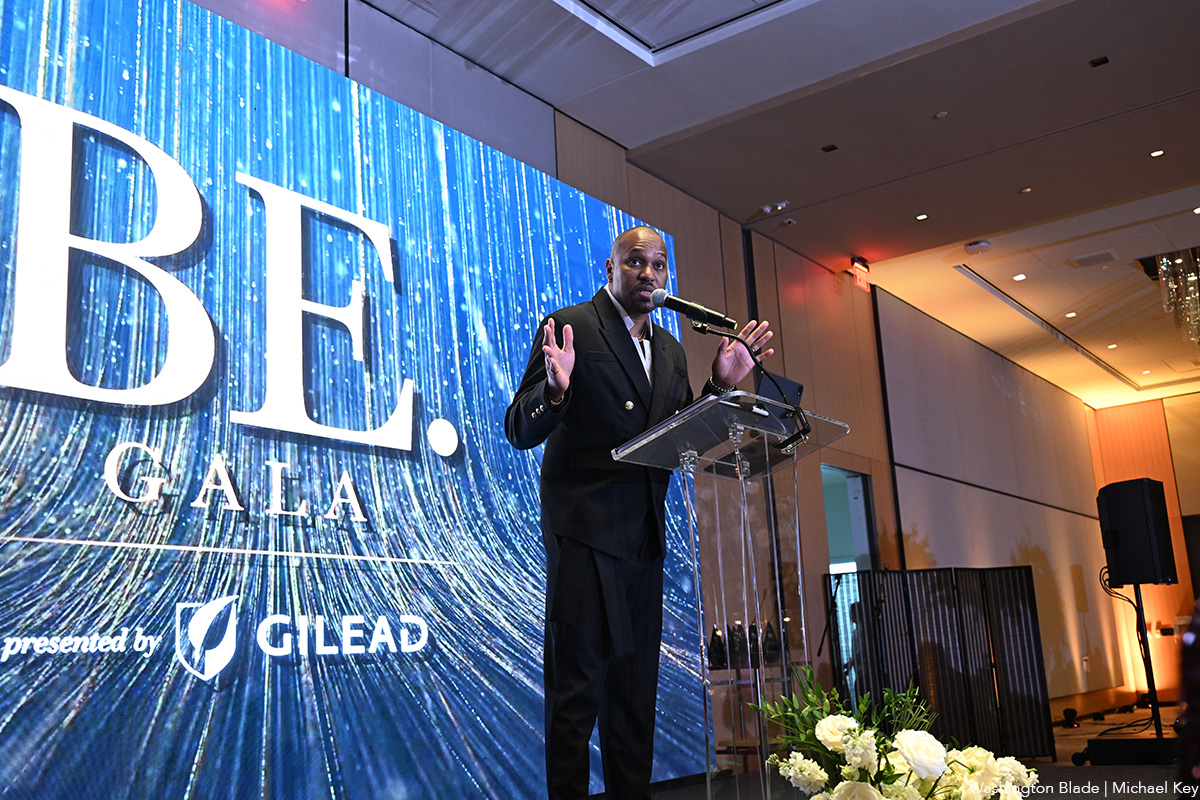
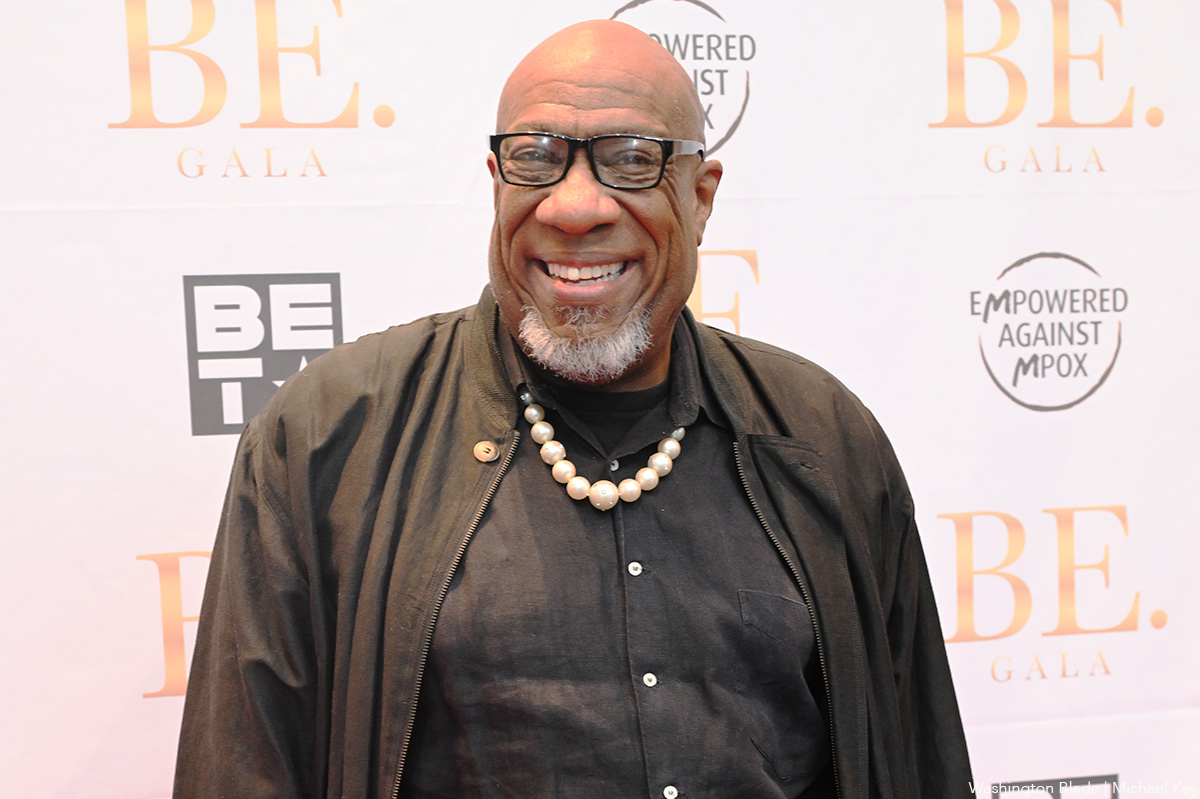
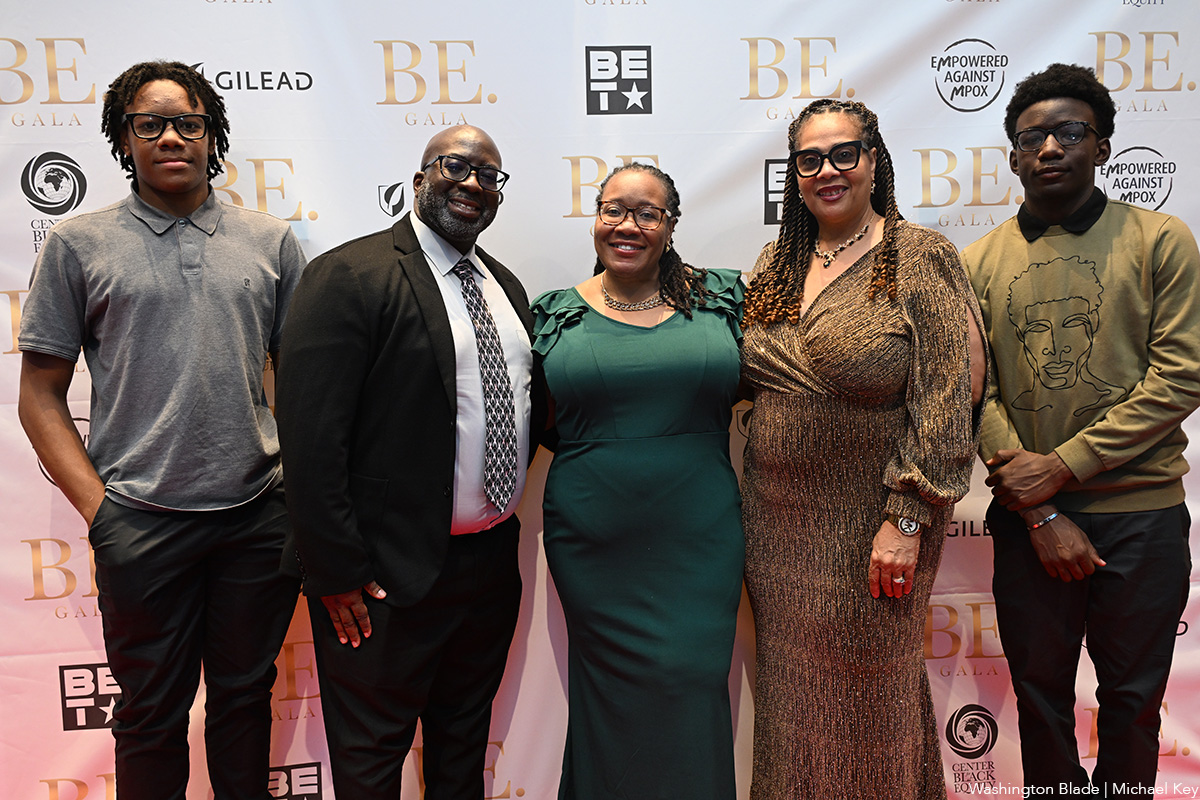
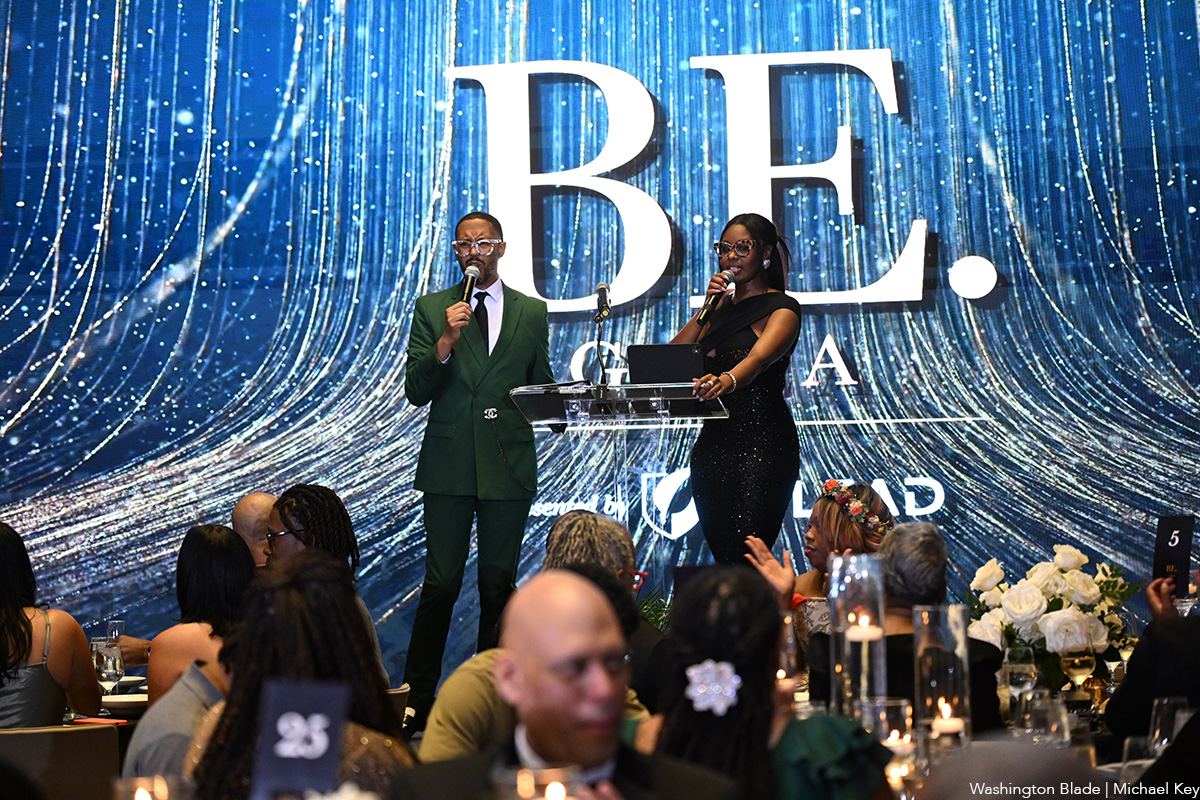
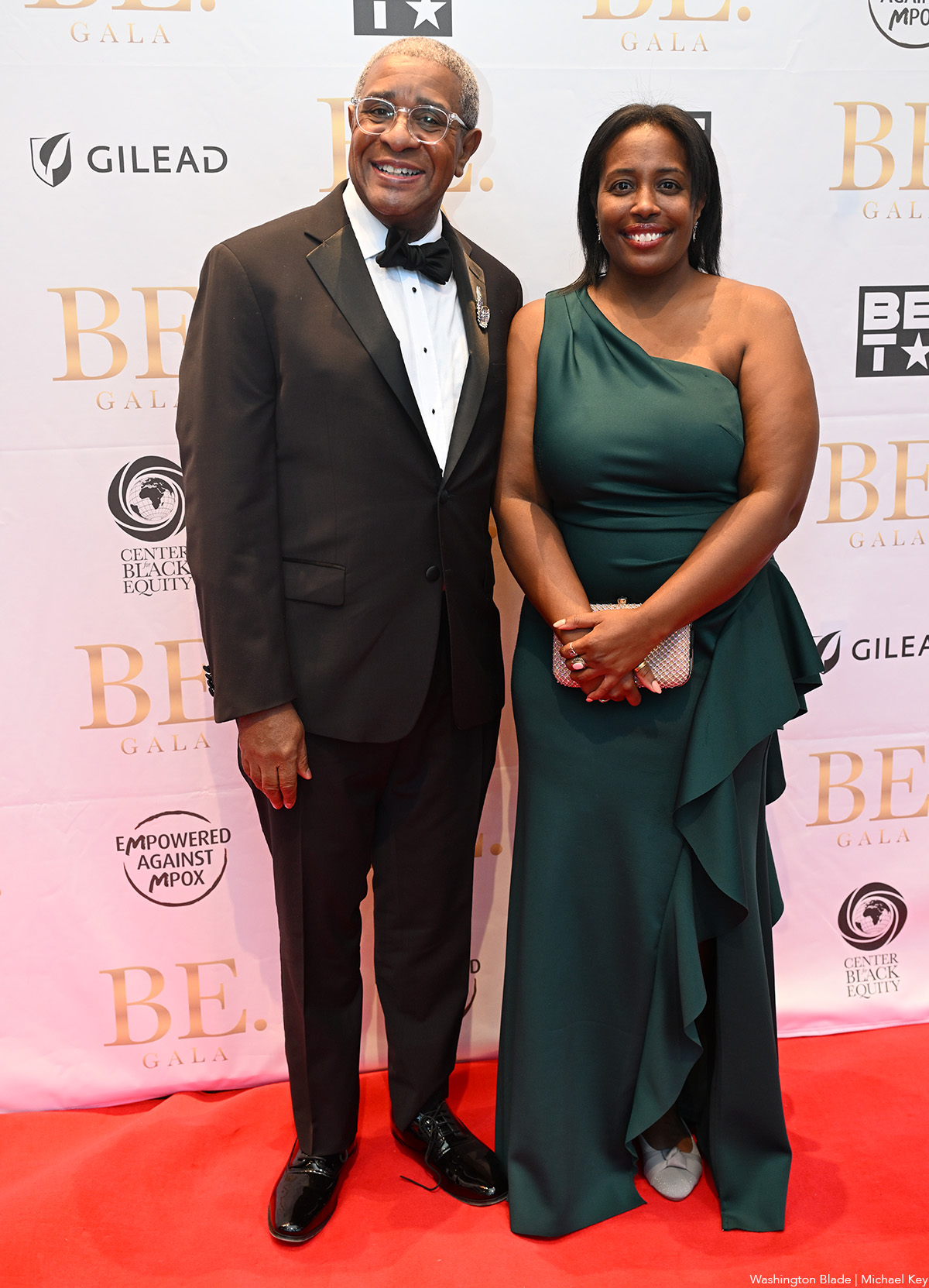
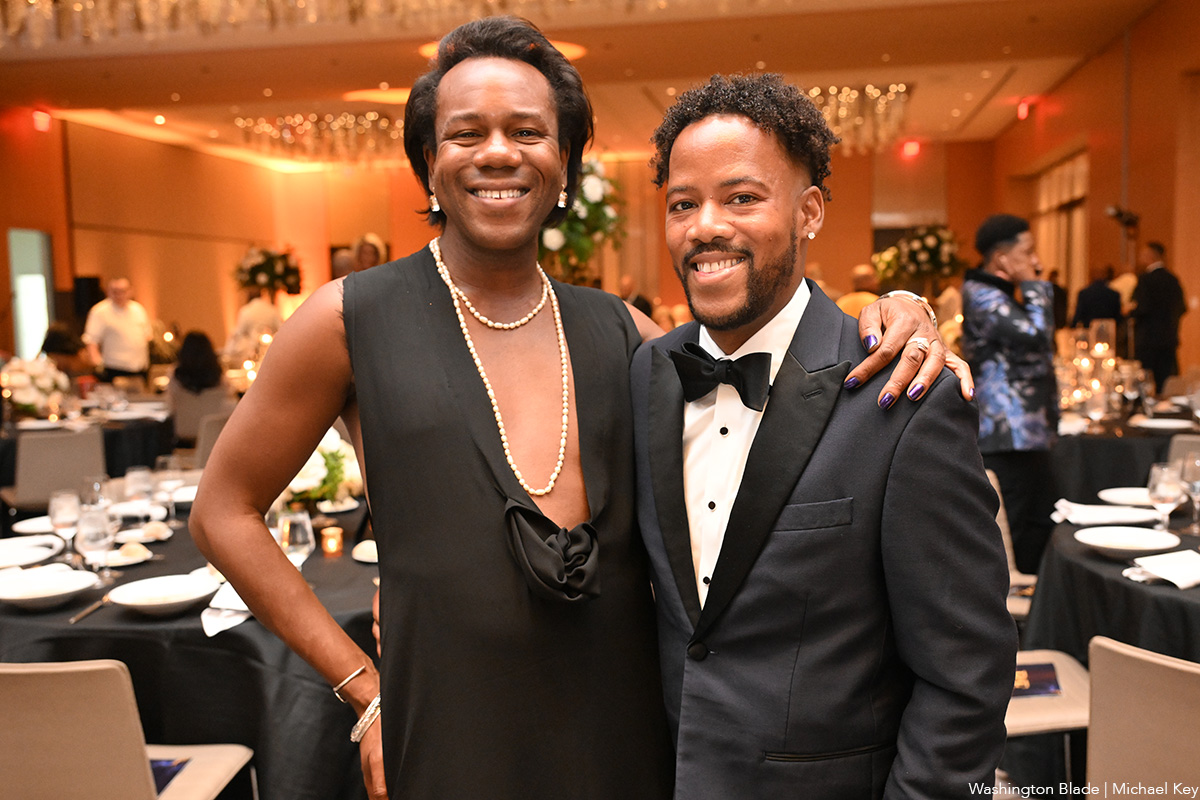
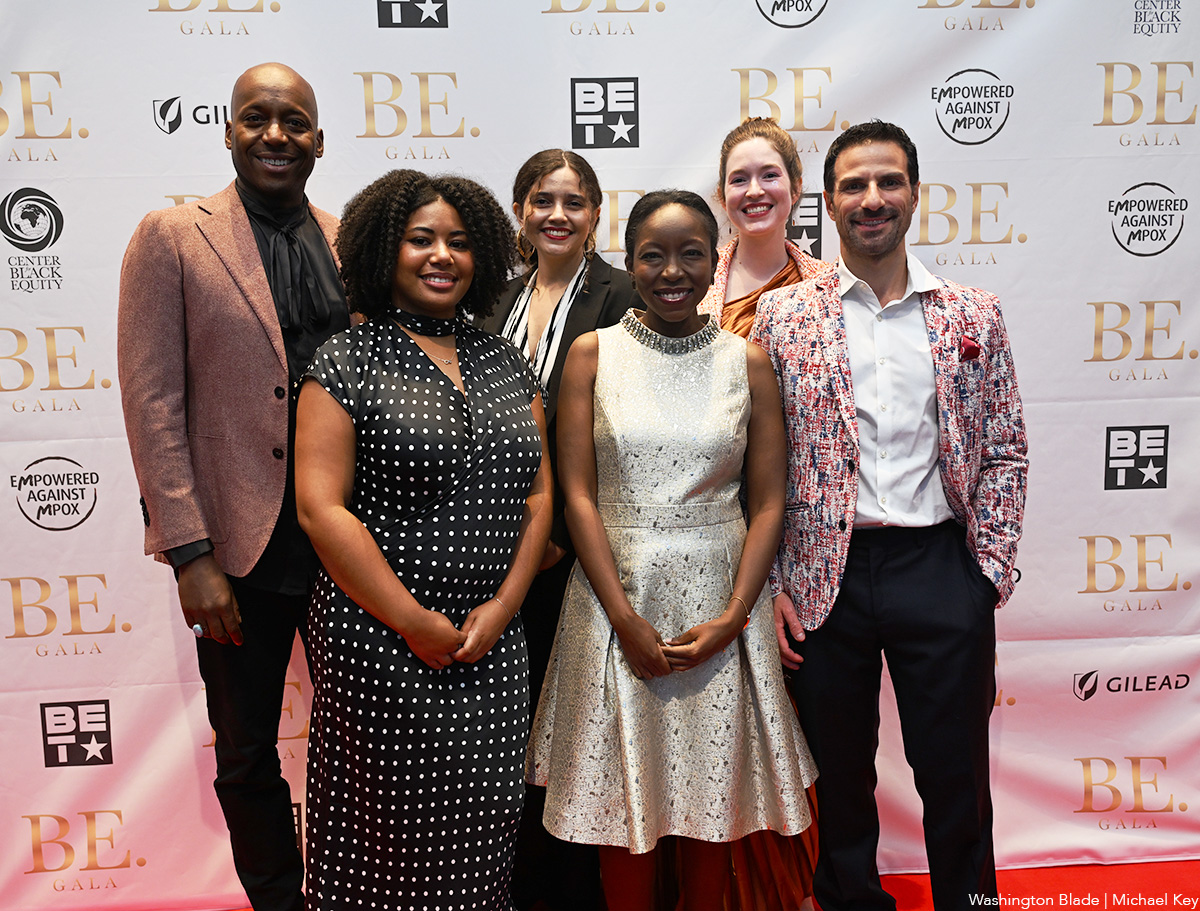
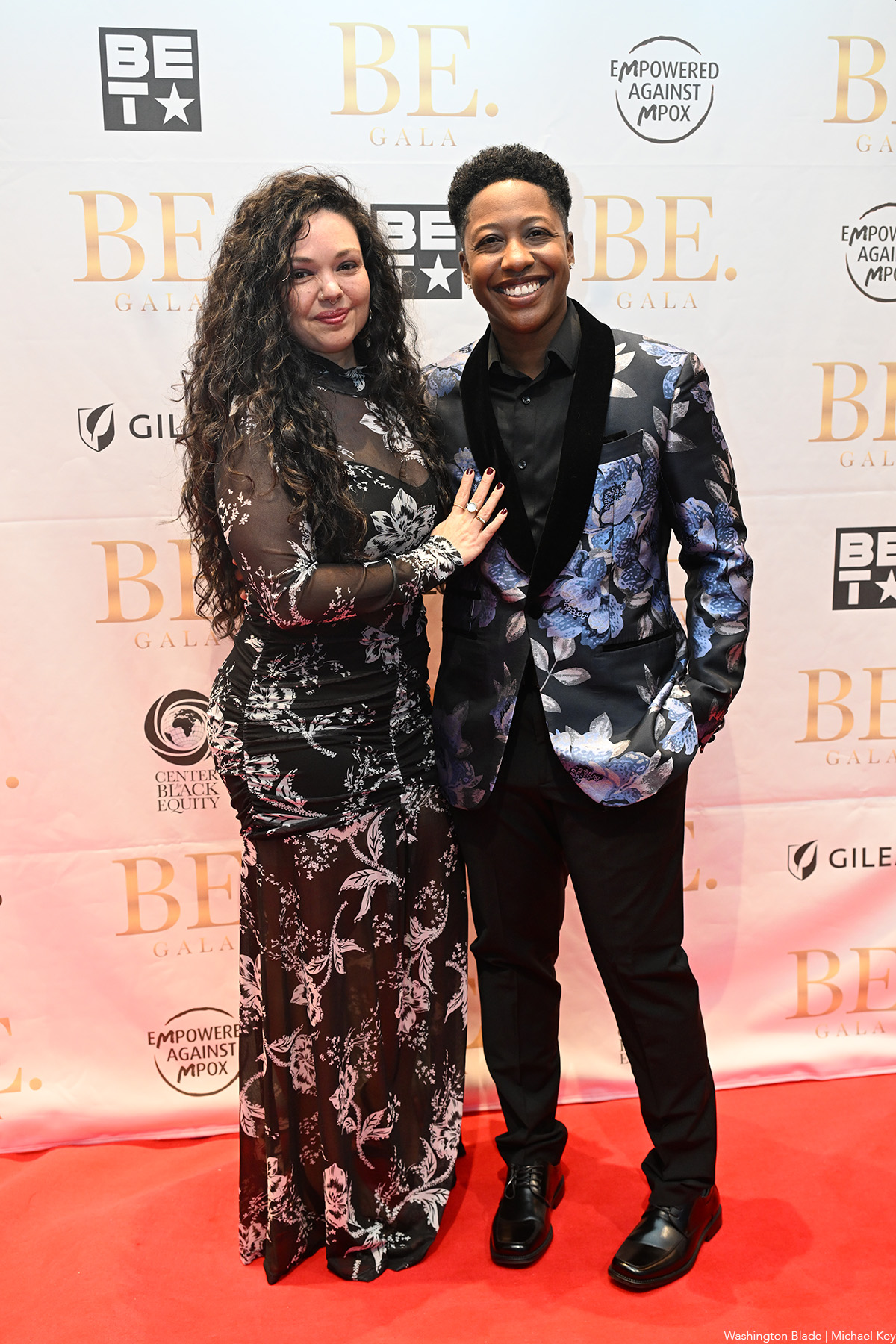
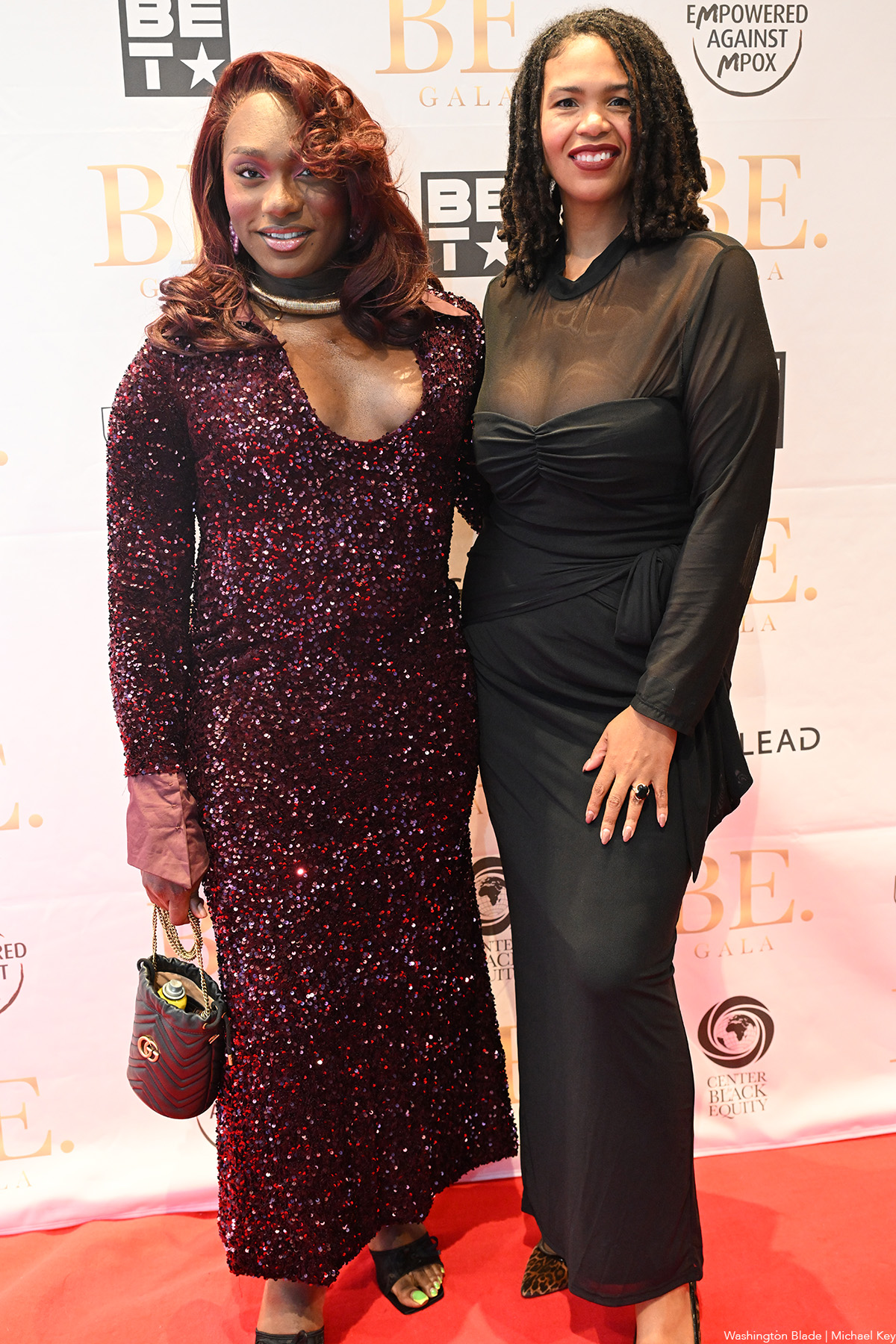
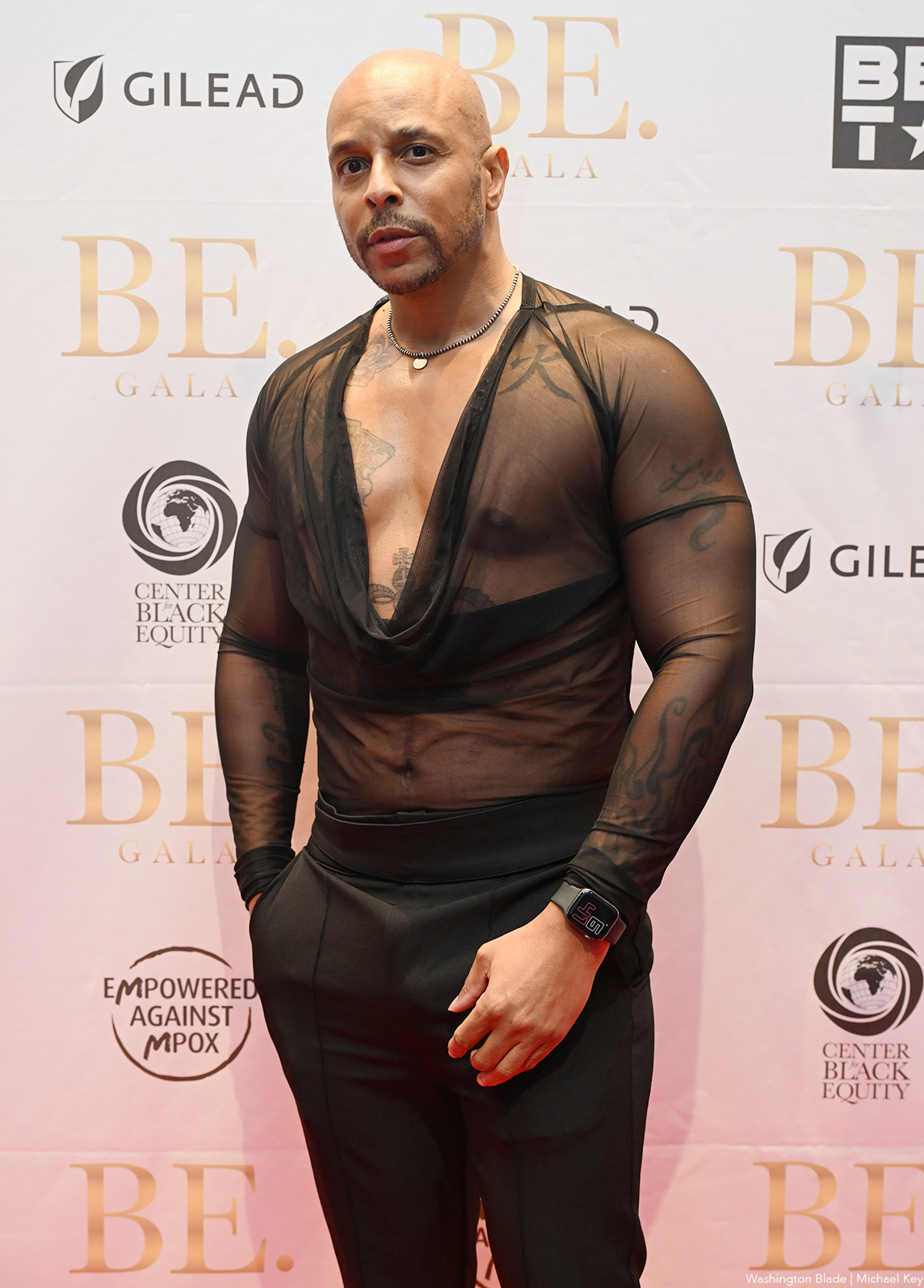
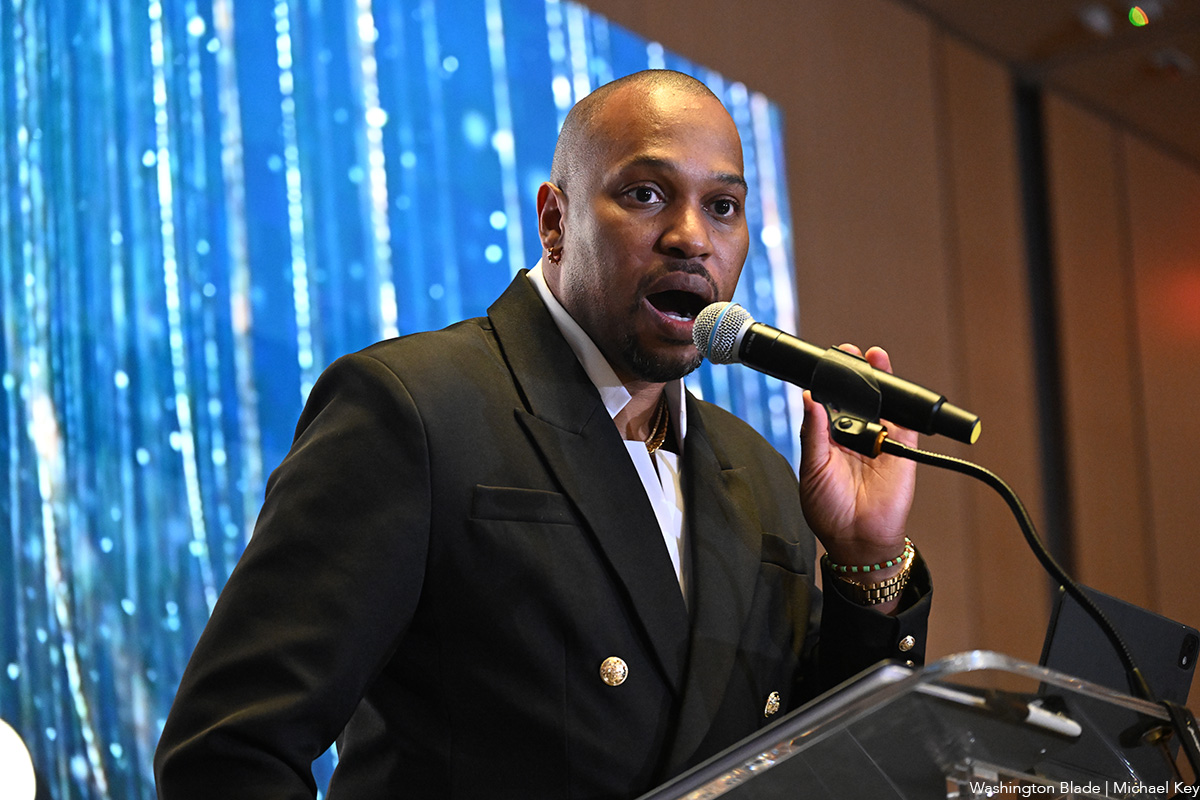
The Center for Black Equity held its annual BE. Gala at Conrad Washington, D.C. on Saturday, Oct. 5. Lolita Leopard Miyake-Mugler and Anthony Oakes co-hosted the awards ceremony.
Honorees included journalist and producer Justin Stewart; nonprofit leader Nikki Alexander; HIV advocate Marlene McNeese; the nonprofit organization FreeLux Project; actress Monroe Alise; public health advocate Tori Cooper; Manassas Park Vice Mayor Darryl G. Moore; Rev. Dr. Carmarion D. Anderson; Bishop Steven Sawyer; government relations professional Courtney Snowden; Senior Deputy Director of HAHSTA at D.C. Health, Clover Barnes; and Texas state Rep. Venton C. Jones.
The event was sponsored by Gilead.
(Washington Blade photos by Michael Key)




Books
In ‘The Lost Brontë,’ a complicated lie can lead to danger
New book features sweetly romantic girl-meets-girl twist
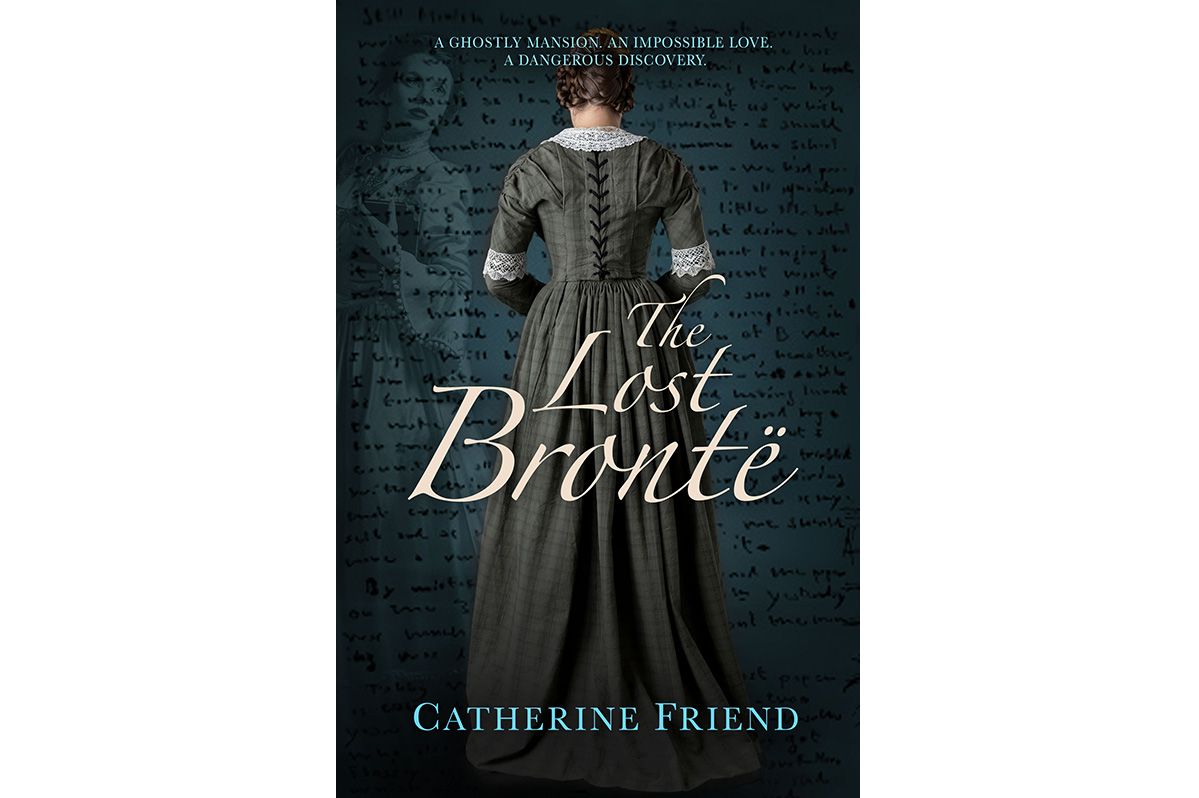
‘The Lost Brontë’
By Catherine Friend
c.2026, Bywater Books
$22.95/335 pages
Mom always said to tell the truth.
One lie leads to another and another and you have to remember them all until pretty soon, you’re caught. Fibs are hard, mistruths are messy, even little white social lies can destroy trust. Worst of all, as in the new novel, “The Lost Brontë” by Catherine Friend, a complicated lie can lead to danger.

Though Lilianne Loxley was very young when she lost her parents, she understood that her uncle didn’t really want her. As time passed, though, Lily made herself useful to Uncle, writing and signing letters for him and she became a good companion, helping him with his collection of Brontë memorabilia. Uncle was a keen enthusiast.
She had no idea that his obsession was out of control and he was deeply in arrears. The day Lily learned of his debt was the day she learned that he’d agreed to send her to his debtor’s home to work off the money owed.
It was so sudden. One minute, Lily was at Loxley House, happy and loved by Uncle’s staff … and five hours later, she was at Crag Thorn Manor, home of Lord Bexton, who informed her that she’d be working on his ledgers – work that seemed routine, but Lily tackled it.
Uncle always did say she was headstrong.
But would headstrong be enough to survive, when she was restricted from most of the Manor, when she was forced to dine with Brexton and his slimy friend, or – the worst! – when Brexton told Lily that her next task was to forge a letter from Emily Brontë? And then an entire manuscript?
Lily struggled to do what was right. She had to get Uncle out of debt but this last order horrified her. Did she dare refuse Brexton’s orders and commit a crime? It was unthinkable!
The only brightness in the whole situation was Wren, the ladies’ maid assigned to Lily’s room. Wren was adorable with freckles and the sweetest smile. But with everything else happening at Crag Thorn Manner, could Lily act upon her feelings?
This time of year, you may come to crave dark, spooky stories, and “The Last Brontë” fits those needs perfectly with its Gothic deliciousness. Think: Daphne du Maurier-type, stormy-night squirms with a dangerously chaste, sweetly romantic girl-meets-girl twist for fun.
If it’s been awhile since you’ve read a Gothic novel, you’re in for a nice reminder of why you love them here. You can almost tick off the must-haves: a novel like this is nothing without a foreboding stone manor with damp walls; stone steps to a dank basement; a mysterious portrait; and a nearby bog, and author Catherine Friend gives readers every one of them. You’d be disappointed if there was no ghost, wouldn’t you? Ha. You can practically feel the cold blow through the attic, right? Yeah, it’s that kind of book.
If you’re a fan of the Brontës, you’ll like this novel. If you love Gothic mysteries or Victorian romances, ditto. “The Lost Brontë” is good, no lie.
The Blade may receive commissions from qualifying purchases made via this post.
Out & About
CAMP Rehoboth Block Party returns Oct. 18
Expect performances, vendors and more at annual celebration

CAMP Rehoboth will host its annual Block Party celebration on Sunday, Oct.18 at 11 a.m. on the second block of Baltimore Avenue in downtown Rehoboth Beach.
CAMP Rehoboth invites all community members to join in the festivities and to expect magnificent performances and dozens of vendors, including artists, craftspeople, non-profits, businesses, and more.
The event started in 2015 in celebration of CAMP Rehoboth’s 25th anniversary. This year, attendees can expect to shop sea glass art, pottery, jewelry, Pride merch, body care, clothing, and learn more about local non-profit causes and businesses.
Attendance is free. For more details, visit CAMP Rehoboth’s website.

Annie Andrews denounces trans athletes after Trump targets her

On Republican Long Island, gay Democrat Chris Gallant bets on public service over politics

Report: LGBTQ exclusion costs Japanese economy billions a year

Center for Black Equity honors leaders, activists at BE. Gala

In ‘The Lost Brontë,’ a complicated lie can lead to danger

U.S. int’l trade negotiator, consultant James Bedore dies at 82

Campaign urges Virginia High School League to reverse stance on trans athletes

Trump, Netanyahu, and Putin are all war criminals

Calif. GOP gubernatorial candidate ad ‘disgusting attempt to exploit lesbian intimacy’

Center Arts Gallery celebrates 10 years with reception, auction
-

 Obituary5 days ago
U.S. int’l trade negotiator, consultant James Bedore dies at 82
-
Virginia5 days ago
Campaign urges Virginia High School League to reverse stance on trans athletes
-
Opinions5 days ago
Trump, Netanyahu, and Putin are all war criminals
-
Commentary5 days ago
Center Arts Gallery celebrates 10 years with reception, auction