National
Prominent Boston bisexual advocate killed
Diehl struck and killed by a dump truck on March 12


Cambridge, Mass. (Photo public domain)
CAMBRIDGE, Mass. — A bisexual advocate was killed on March 12 as she rode her bicycle on a street.
The Boston Globe reported that a dump truck struck and killed Marcia Diehl, 65, as she rode her bicycle along Putnam Avenue in Cambridge after leaving a nearby Whole Foods Market.
Diehl co-founded the Boston Bisexual Women’s Network. The Boston Globe reported the well-known singer and songwriter was also a volunteer at a local LGBT theater company to which she donated money.
“The Boston bisexual community is saddened at the news of the loss of one of our long-time members,” said the Boston Bisexual Women’s Network in a statement posted to its Tumblr page. “She will be greatly missed within our community, and we are thankful for the humor, creativity, and compassion she shared with us for many years.”





National
Madonna turns Times Square into massive dance floor
Pop icon celebrates Pride month with surprise performance

Pop icon Madonna celebrated Pride month with a pop-up performance in New York City’s Times Square on Thursday to the delight of 50,000 fans.
She performed for about 15 minutes high above street level, including several songs from her new album “Confessions II” due on July 3, along with a trio of songs from the first “Confessions on a Dance Floor.”
In addition to the brand new “Love Sensation,” she performed “I Feel So Free” and “Bring Your Love,” plus “Hung Up,” “Get Together” and “I Love New York.” She wished the crowd a happy Pride season; the event was shared with audiences through Grindr’s first-ever livestream.


National
Gallup finds LGBTQ support among Americans is dropping
Marriage equality support lowest since 2016
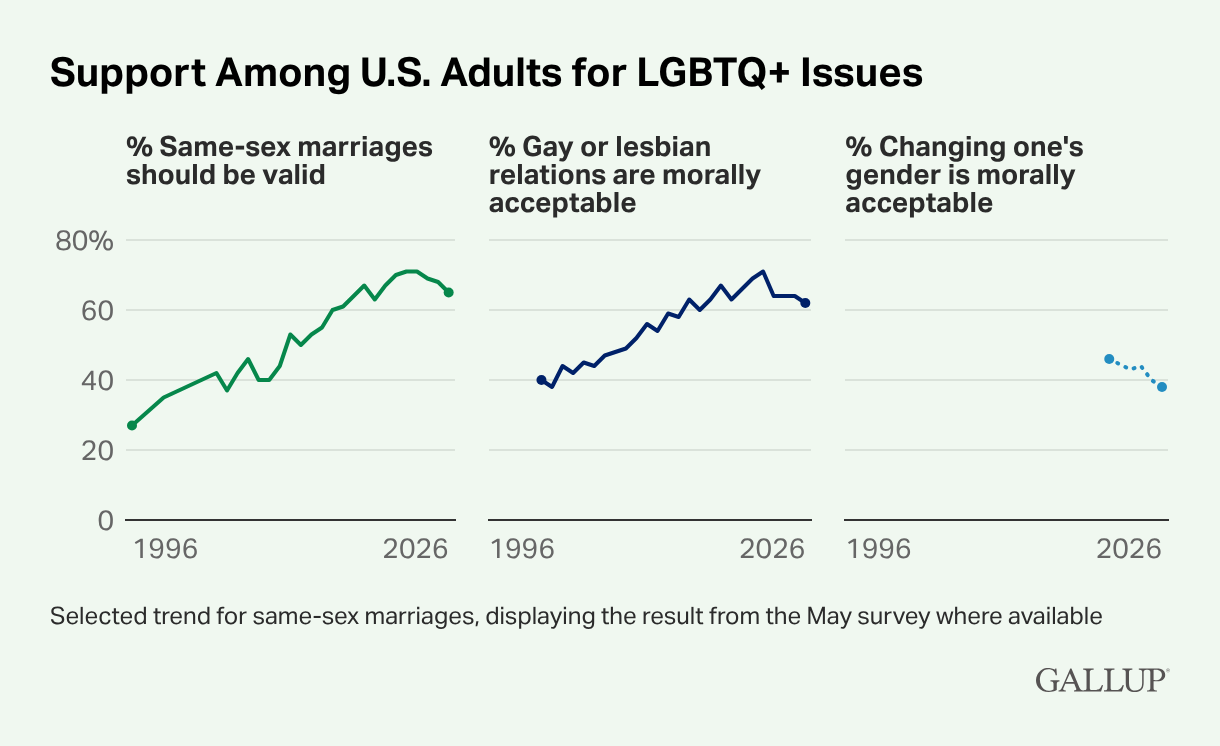
Gallup, one of the leading organizations in public opinion polling, has found that LGBTQ support among Americans is dropping.
The poll, whose data was collected using Gallup’s annual Values and Beliefs survey, was conducted in May and was published on Wednesday. The data was collected through telephone interviews from a sample of more than 1,000 adults living in all 50 states and D.C. using random digit dialing.
It highlights declining attitudes surrounding LGBTQ issues in multiple areas — from support for same-sex marriage to views on gender identity and the morality of one’s sexuality.
One of the most striking findings was that support for marriage equality fell six points from its 2022-2023 high.
The survey also found that 62 percent of Americans view gay and lesbian relations as morally acceptable, the lowest level since 2016 just after same-sex marriage was legalized nationwide by the U.S. Supreme Court.
One newer question on the poll found that the perceived morality of changing one’s gender has dropped eight points since 2021, indicating the American public is less supportive of transgender people.
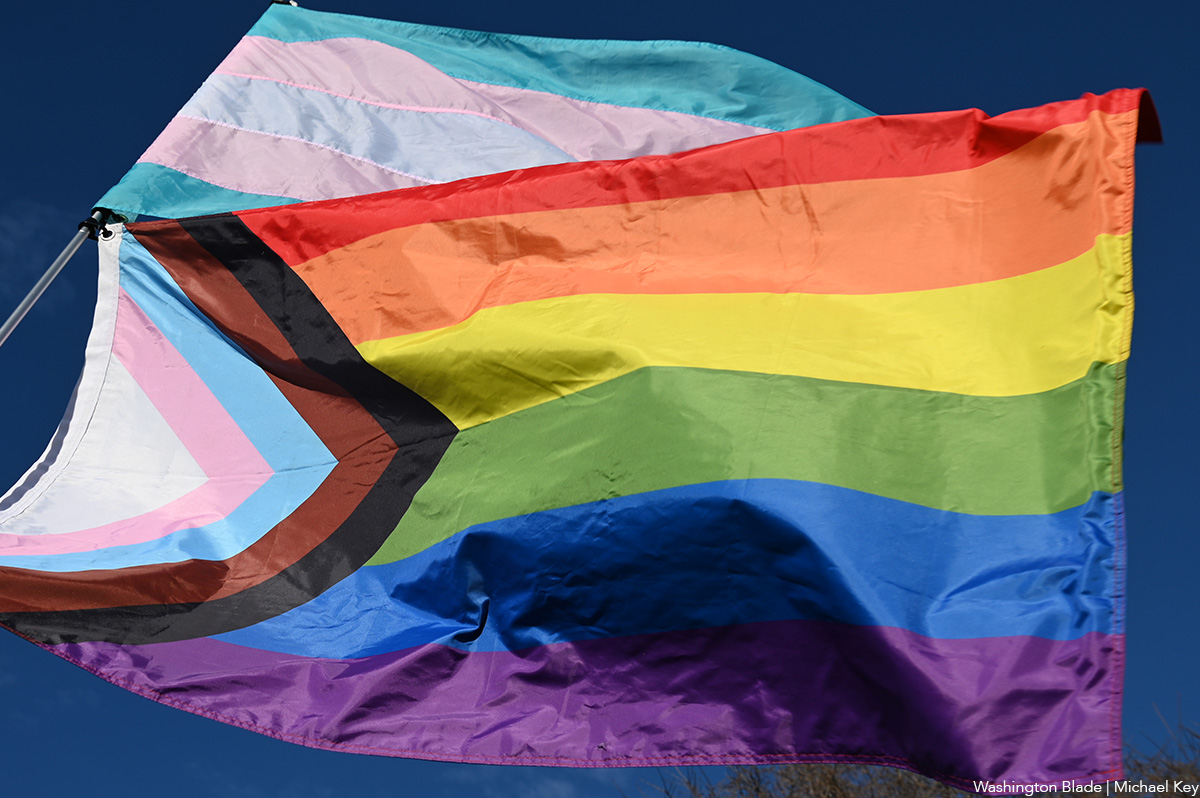
The data attributes much of the decline to shifting Republican views alongside the party itself. Conservative leaders have pushed back against diversity, equity, and inclusion programs that were intended to foster greater acceptance of LGBTQ people and other historically disadvantaged groups.
President Donald Trump has been a guiding force behind waves of anti-LGBTQ sentiment, particularly when it comes to trans rights. The president has enacted multiple executive orders, including Executive Order 14168, “Defending Women from Gender Ideology Extremism and Restoring Biological Truth to the Federal Government,” which mandates that gender be defined by one’s sex assigned at birth. He also signed Executive Order 14183, “Prioritizing Military Excellence and Readiness,” which barred qualified trans applicants from joining the military and led to the removal of trans service members already serving in the armed forces.
Additionally, he signed Executive Order 14201, “Keeping Men Out of Women’s Sports,” which prohibits trans female athletes from participating on women’s and girls’ sports teams.
In February, Gallup found that an estimated 9 percent of Americans identified as part of the LGBTQ community in some form.
The organization also found that 23 percent of adults under age 30 identify as LGBTQ, compared with 10 percent of those ages 30 to 49 and 3 percent or less among those ages 50 and older.
Congress
Ogles faces bipartisan backlash over anti-gay social media post
Tenn. congressman blamed the comment on staffer
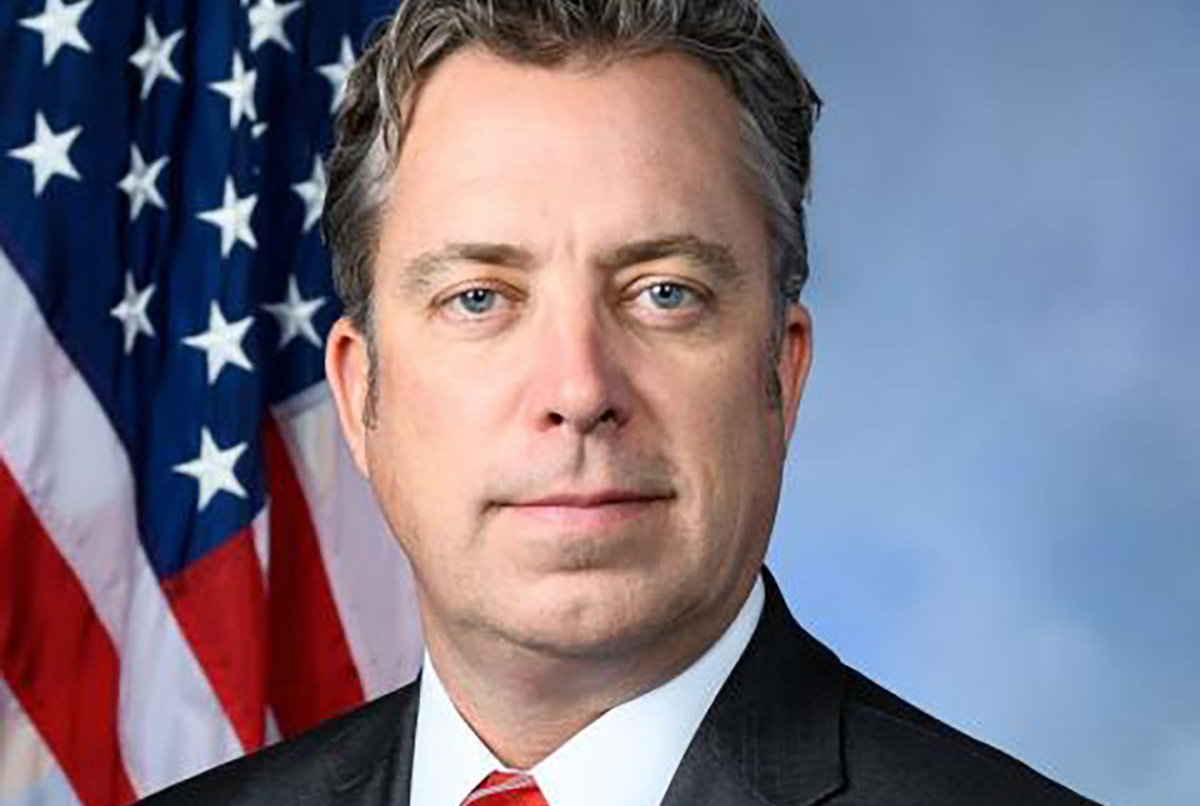
U.S. Rep. Andy Ogles (R-Tenn.), who represents Tennessee’s 5th Congressional District, is facing backlash from LGBTQ advocates and fellow Republicans after a social media post declared that “homosexuality has no place in America.”
“Homosexuality has no place in America. Happy Nuclear Family Month,” the congressman wrote in a post on X that was later deleted.
According to the Williams Institute at UCLA School of Law, an estimated 6.3 percent of U.S. adults identify as LGBTQ.
Following widespread criticism, Ogles removed the post and blamed it on a staff member.
“The post was stupid, hurtful and a complete distraction from my America First focus. The employee has been reprimanded,” Ogles said in a statement.
The Washington Blade reached out to Ogles’s office for comment but did not receive a response by press time.
Among those condemning the message was U.S. Rep. Mike Lawler (R-N.Y.), who called it “absolutely idiotic” in a social media post.
“Homosexuality exists. In America,” Lawler wrote on X. “In fact, Andy, you have family, friends, neighbors, colleagues, and constituents who are gay and lesbian. It doesn’t make them less than or somehow unworthy of being an American.”
U.S. Sen. Ted Cruz (R-Texas) also criticized Ogles’s remarks.
“For all of recorded history, homosexuals have been a part of humanity,” Cruz told TMZ DC. “I think the behavior of consenting adults is their business.”
Chris Sanders, the executive director for the Tennessee Equality Project and Tennessee Equality Project Foundation provided a statement to the Blade about Ogles’s comment.
“The Tennessee Nuclear Family Month resolution has really backfired on conservatives by ensnaring Congressman Ogles in scandal. He used the resolution as a pretext to say that our community doesn’t belong in America, resulting in incredible backlash from across the partisan divide,” Sanders said. “It is a good opportunity for him to pause and reflect on whether it’s time for him to resign. Fighting one’s own constituents is not the purpose of serving in Congress.”
Human Rights Campaign Senior Press Secretary Jarred Keller provided a statement to the Blade regarding Ogles’s comments.
“LGBTQ+ people are woven into the fabric of America, and any politician who questions that is severely out of touch with reality. When so many people are worried about whether they can afford gas to get to work or groceries for their families, the last thing we need is right-wing Republicans targeting marginalized communities with hateful attacks,” Keller said. “Representative Ogles should spend less time attacking LGBTQ+ people and start addressing the issues that actually matter, because last I checked, our community isn’t the reason families are struggling to make ends meet.”
The controversy comes as Tennessee continues to advance legislation affecting LGBTQ residents. The state already has several laws on the books that LGBTQ advocates have criticized, including the Adult Entertainment Act, enacted in 2023, which restricts certain “adult cabaret performances.”
Lawmakers have also introduced additional measures this legislative session, including the “No Pride Flag or Month Act,” which would prohibit state employees, volunteers, and agents from displaying Pride flags or participating in Pride observances while acting in an official capacity.
Another proposal, the “Banning Bostock Act” would seek to limit the application of state anti-discrimination protections based on the U.S. Supreme Court’s decision in Bostock v. Clayton County. Tennessee lawmakers have also passed other measures restricting LGBTQ rights and access to gender-affirming health care.

PHOTOS: ‘Soul Divas’

Timothy Nelson on the premiere of his opera ‘Song of Sakuntala’

Controversial ‘Blue Film’ pushes past taboos for gripping drama

‘Girlfriends’ wanted for murder in Silver Spring, Md.

Queer Magic dance party planned

Outright International honors Cyndi Lauper at annual NYC gala

10 HIV/AIDS activists arrested on Capitol Hill

AIDS Healthcare Foundation announces 3 million people globally in its care

Results from key Tuesday primary races

Federal appeals court rules White House illegally banned trans troops
-

 Celebrity News4 days ago
Outright International honors Cyndi Lauper at annual NYC gala
-
Congress5 days ago
10 HIV/AIDS activists arrested on Capitol Hill
-
Health4 days ago
AIDS Healthcare Foundation announces 3 million people globally in its care
-
National4 days ago
Results from key Tuesday primary races