World
Cuban activist prevented from leaving home ahead of planned protests
Raúl Soublett López is director of Alianza Afro-Cubana
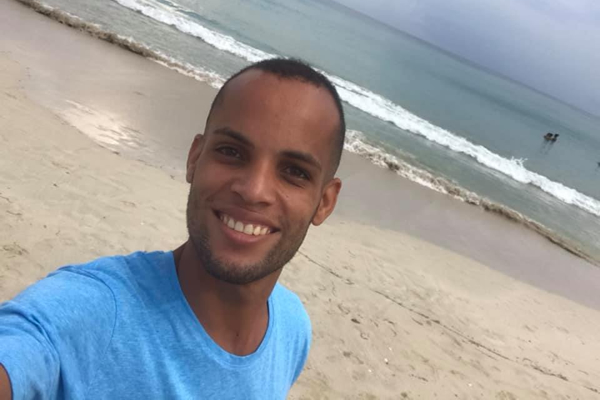
Cuban authorities have prevented an LGBTQ activist from leaving his home ahead of anti-government protests that are scheduled to take place across the country on Monday.
Alianza Afro-Cubana, a group that advocates for LGBTQ Cubans of African descent, in a tweet said authorities have not allowed its director, Raúl Soublett López, to leave his home in Havana’s Plaza neighborhood “to go to work as a teacher.”
“Today they have prohibited me from leaving my home,” Soublett told the Washington Blade on Monday, referring to Cuba’s state security.
Hoy cumplimos 4 años de creado y damos nuestro total respaldo y apoyo a @RaulSoublett nuestro coordinador que se encuentra en estado de sitio, impidiendo que asista a su trabajo como docente. Exigimos @DiazCanelB, @PresidenciaCuba, @minint_cuba que paren con esta ola represiva. pic.twitter.com/n6g0jxsTQj
— Alianza Afro-Cubana (@AlianzAfroCuba) November 15, 2021
The Communist island on Monday reopened to tourists after a 20-month lockdown because of the pandemic. Authorities in recent days have targeted human rights activists, journalists and others who publicly criticize the government.
Maykel González Vivero, editor of Tremenda Nota, the Blade’s media partner in Cuba, is among the hundreds of people who Cuban authorities arrested during anti-government protests that took place across the island on July 11. Yoan de la Cruz, a gay man who used Facebook Live to livestreamed the first July 11 protest that took place in San Antonio de los Baños, a municipality in Artemisa province, faces an 8-year prison sentence.
Tremenda Nota reported State Security agents on Oct. 9 interrogated Soublett and threatened to charge him with “mercenarism” because he made a series of videos that highlight his group’s efforts to fight racism and homophobia in Cuba. The interrogation took place on the same day that President Miguel Díaz-Canel met with a dozen LGBTQ activists who work with the National Center for Sexual Education, a group that Mariela Castro, the daughter of former President Raúl Castro, directs.
The Cuban Justice Ministry in September released a draft of a proposed new family code that would extend marriage rights to same-sex couples in the country.
Tremenda Nota has reported the National Assembly is expected to vote on the new family code next month. A referendum on it would then take place.



Botswana
Botswana’s marriage equality case and the politics of family values
High Court heard same-sex couple’s litigation last week
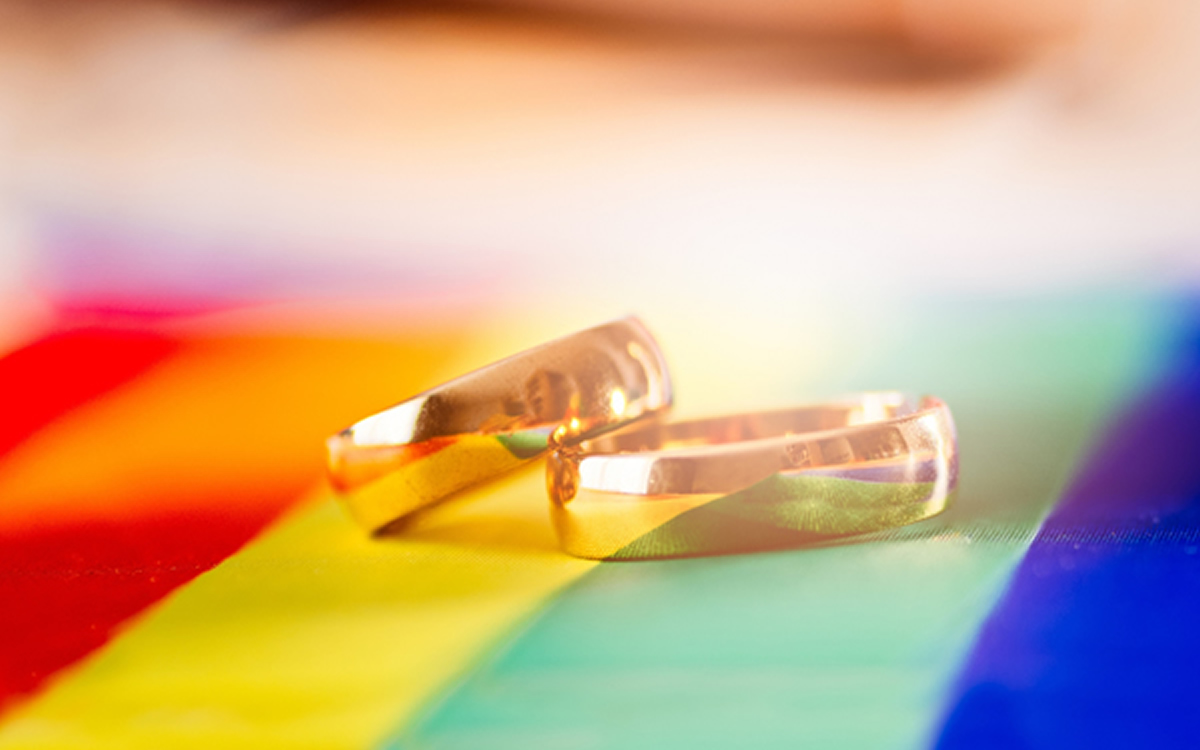
Last week, the High Court heard the case of Bonolo Selelo and Tsholofelo Kumile, whom the Department of Civil Registration refused to register and recognize their marriage. Supported by LEGABIBO as the third applicant, the applicants challenge the refusal to register their intended marriage and the constitutionality of provisions of the Marriage Act that exclude same-sex couples from civil marriage.
The case raises questions about equality, dignity, nondiscrimination, and the extent to which the law can exclude people from a fundamental civil institution because of whom they love. The hearing highlighted a bigger struggle of religion, gender, reproduction, and who makes up a family in Botswana.
But as I followed the proceedings and reflected on the arguments advanced, I kept returning to a question that goes beyond interpreting the Marriage Act. Why does the possibility of two women of age getting married consensually provoke such a strong response from people who are not being asked to marry them?
This is not a question about whether religious organizations are entitled to hold their beliefs. They are. It is about what happens when those beliefs determine the civil rights of people who do not share them and when religious arguments become the basis for deciding which families deserve recognition and protection under the law. For me, this is where the marriage equality case becomes much bigger than marriage. It becomes a conversation about power.
When marriage becomes a battleground
One thing that stood out in this case was the language used to defend what opponents describe as the proper or traditional understanding of marriage. The Evangelical Fellowship of Botswana, House of Prayer and Transformation, and the Dingwetsi Association of Botswana oppose recognizing same-sex marriages in Botswana.
Their arguments are grounded in Christian beliefs, customary understandings of marriage and concerns about the implications of recognizing same-sex unions. The state has also argued that the existing legislation does not provide for marriage between people of the same sex.
Marriage is presented as a “holy” institution that is under threat. The heterosexual family becomes something that must be protected. A particular Christian understanding of marriage is elevated into a standard that should govern everyone, including people who do not subscribe to Christianity. Suddenly, two adult women asking for access to civil marriage are no longer simply two people seeking legal recognition. They are portrayed as a “challenge” to religion, culture, tradition, procreation, and the African family values. We can even take it a step further to say that they are destabilizing the walls of patriarchy.
What exactly is being threatened by allowing two consenting adults to enter into a civil marriage? How does recognizing their relationship prevent a heterosexual couple from marrying? Why should the legal recognition of one family require excluding another?
The argument is not merely that the Evangelical Fellowship of Botswana, House of Prayer and Transformation, and the Dingwetsi Association of Botswana believe same-sex marriage is inconsistent with their Christian faith. It is that this belief must affect the legal status of people outside that faith and the protections available to them as citizens. That is where the discussion shifts from religious conviction to this group’s exercise of public power over everyone.
The politics of religion and the anti-gender movement
I have become increasingly interested in how opposition to LGBTIQ+ rights is connected to a wider set of anti-gender and anti-human rights narratives across Africa. The anti-rights actors are a group of globally coordinated actors pushing rollbacks on sexual and reproductive health rights, comprehensive sexual education, LGBTIQ+ rights and civic space across multiple countries at once. They frame these narratives as “protecting the African child and African family values,” “preserving African family sovereignty,” and “restoring the moral fabric of society.” These translate into restrictive laws, hate speech, misinformation, disinformation, and harassment of sexual and gender minorities. The language sounds familiar because it appeals to concerns that matter to people. But how these values are interpreted, who gets to define them, and whose rights matter in the process?
In anti-gender politics, the concept of gender is often presented as a threat to biological sex, the family and social order. Dr Haley McEwen’s article, “Nuclear power: the family in decolonial perspective and ‘pro-family’ politics in Africa,” published in “Development Southern Africa” in 2017, examines how the heteronormative nuclear family functions as a colonial and political construct. She writes that “in centering the importance of the ‘nuclear family’ model and heterosexuality, pro-family discourses exceptionalize the family as a social institution capable of carrying the lion’s share of responsibility for ensuring the (re)production and maintenance of healthy and prosperous societies. This discourse resonates with neoliberal efforts to deflect responsibility for social and economic policy away from the state and towards individuals. In positioning the heterosexual nuclear family unit as the custodian of a ‘moral,’ healthy and economically thriving society, the state is able to outsource its responsibility towards its citizenry.” In this framing, defending the family becomes a justification for restricting the rights of people whose relationships do not fit a prescribed model.
The marriage equality case in Botswana sits within this broader contest over who gets to define gender, sexuality, and family life. We should be careful not to assume that every religious objection is part of a coordinated anti-gender movement. Nor should we treat religious communities as a single political bloc. But we should recognize the overlap between arguments that defend one supposedly natural family structure and broader efforts to limit the recognition of sexual and gender diversity.
Perhaps one of the most revealing aspects of debates about marriage equality is the appeal to procreation and biological complementarity. This push seeks to redefine marriage, who it is for and its purpose. That marriage is between a man and a woman because their biological differences make reproduction possible. From this perspective, marriage’s purpose is closely tied to the possibility of producing children.
If the ability to reproduce is what makes a marriage legitimate, what happens to heterosexual couples who cannot have children? What about couples who are infertile, older couples or people who marry and decide not to have children? Are their marriages less deserving of legal recognition? Yet when same-sex couples seek marriage equality, reproduction is suddenly presented as the defining feature of the institution.
Marriage is also a legal relationship that creates rights, responsibilities, and protections between spouses. It provides a framework for property ownership, inheritance, maintenance, next-of-kin recognition, and family security. These protections matter whether a couple has biological children or not.
It takes a village
We must realize that reproduction is not the same thing as parenting and biological connection is not the only basis on which families are formed. In Botswana, children are commonly raised by grandparents, aunts, uncles, siblings, and the community. Some children grow up in households where one parent is absent. After all, it takes a village.
When religious arguments enter the courtroom
The Evangelical Fellowship of Botswana, House of Prayer and Transformation, and the Dingwetsi Association of Botswana’s presence in this case also raises an important question about the relationship between faith and the constitutional state. Religious organizations are entitled to participate in litigation, make arguments, and express their views. Their participation is not, in itself, evidence of wrongdoing. In a constitutional democracy, people must be free to disagree about difficult questions.
But participation in a legal process does not automatically mean a party’s arguments should determine the outcome. A court must consider the law, the Constitution, the rights at stake, and the arguments presented by all parties. It must distinguish between a religious conviction and a constitutional justification for restricting another person’s rights. That distinction matters because civil marriage and religious solemnization are not identical questions.
Recognizing a same-sex civil marriage does not require every religious institution to change its doctrine. Nor does it require every person to approve of same-sex relationships. It asks whether the civil law should deny a couple the legal status and protections available to other couples because of the sex of the people they wish to marry.
Bradley Fortuin is a human rights activist. This article was first published in The Botswana Guardian newspaper.
Noticias en Español
Escritora trans venezolana reivindica una fe sin exclusiones ante la visita del papa a Sudamérica
León XIV viajará a Uruguay, Argentina y Perú
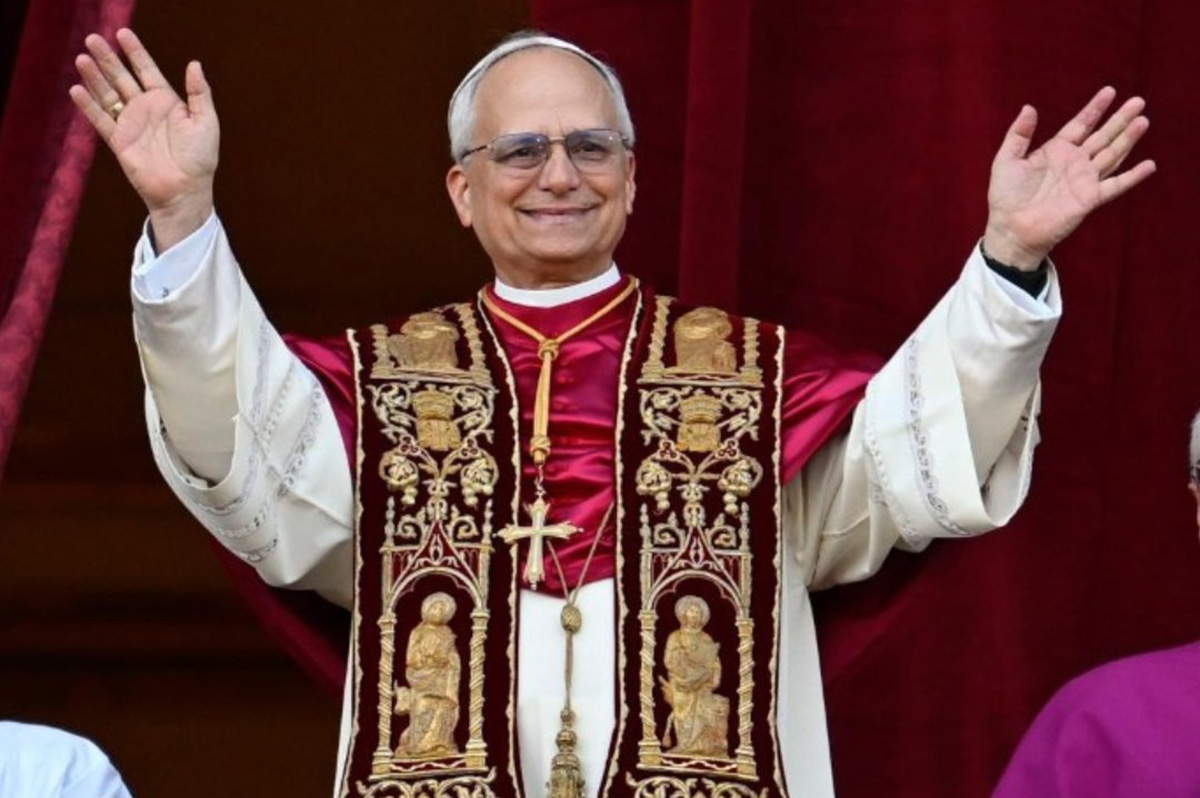
La visita del papa León XIV a Sudamérica, prevista para noviembre, ofrece un contexto para abordar una cuestión que atraviesa el testimonio de la escritora venezolana Marisol Johana Díaz Reyes de Córdova: el lugar de las personas trans en las comunidades de fe.
Radicada en Uruguay, Díaz de Córdova reúne en su libro “Vida Trans: Porque la sociedad nos ha separado hasta de Dios” su experiencia como mujer trans y migrante, su participación política y su relación con la espiritualidad.
La Santa Sede anunció que León XIV visitará Uruguay del 6 al 8 de noviembre de 2026, antes de continuar por Argentina y Perú. El recorrido sudamericano está previsto del 6 al 17 de noviembre.
Ante ese horizonte, la autora reivindica el amor al prójimo y la fraternidad como fundamentos de una convivencia que reconozca la dignidad de las personas trans. Su planteamiento encuentra un antecedente en el mensaje del fallecido papa Francisco a las personas LGBTQ.
En una respuesta escrita al sacerdote jesuita James Martin, publicada por Vatican News en mayo de 2022, Francisco afirmó: «Dios es Padre y no reniega de ninguno de sus hijos». En el mismo intercambio defendió una Iglesia que convocara a todos sus hijos y rechazó una concepción selectiva de la comunidad eclesial.
Díaz de Córdova relaciona ese mensaje con el mandamiento evangélico de amarse unos a otros. Desde su experiencia personal, sostiene que reconocerse como hermanos e hijos de Dios debe traducirse en respeto hacia quienes han vivido rechazo por su identidad.
Su obra ya ha generado debate público. La presentación de Vida Trans en un ámbito vinculado al Partido Nacional motivó un planteamiento del Consejo de Representatividad Evangélica del Uruguay ante las autoridades partidarias. CBN Nicaragua recogió el episodio en agosto.
La organización evangélica precisó que su preocupación se centraba en el contexto institucional de la actividad y que no cuestionaba el derecho de la autora a escribir, publicar o presentar el libro. Esa distinción permite situar el desacuerdo sin atribuirle una prohibición de la obra.
El recorrido de la escritora ofrece un punto de partida para un reportaje internacional sobre migración, diversidad y pertenencia religiosa. Su testimonio plantea cómo se vive la fe desde una identidad que puede convertirse en motivo de exclusión y qué respuestas encuentran esas experiencias dentro de las comunidades creyentes.
La próxima visita papal aporta el contexto de actualidad. La voz de Díaz de Córdova aporta la dimensión humana: una autora que escribe sobre su relación con Dios y reivindica que el reconocimiento de la dignidad alcance también a las personas trans.
World
LGBTQ elected officials, activists around the world welcome U.S. election results
Chris Pappas’s election to the Senate is ‘particularly heartening’
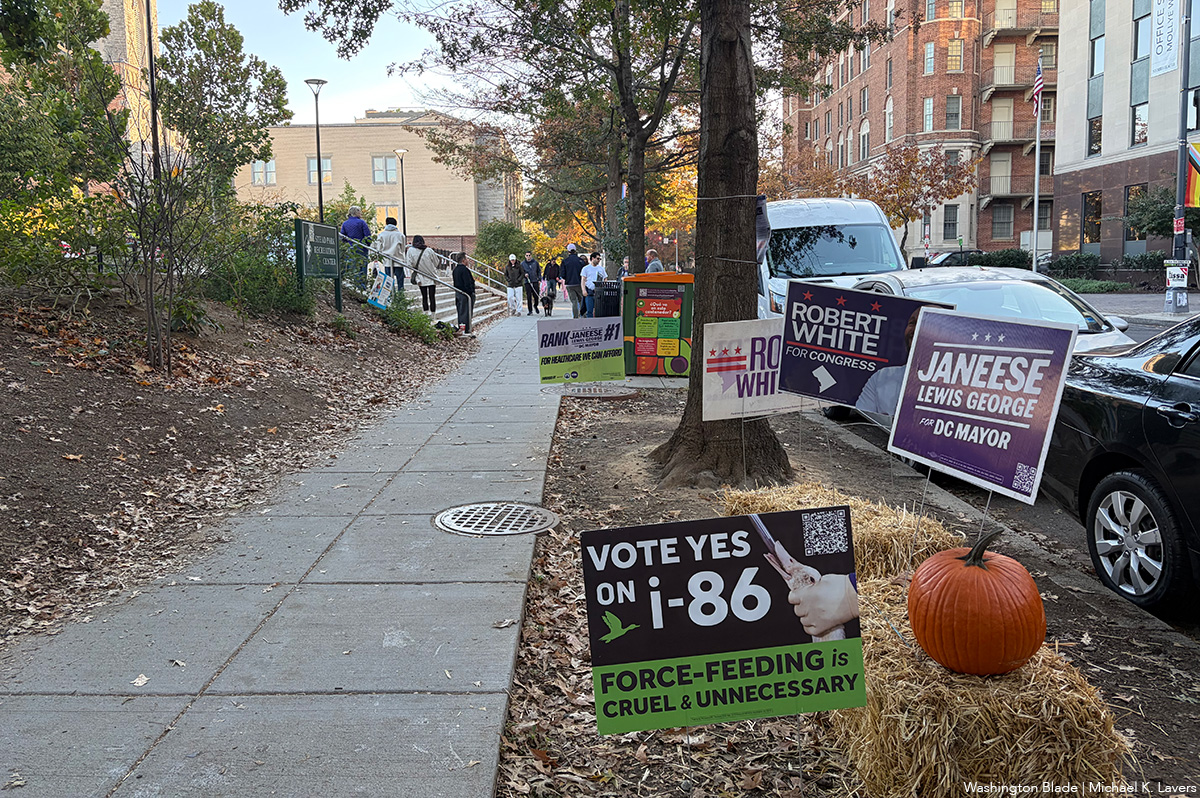
LGBTQ elected officials around the world have welcomed the U.S. midterm election results.
New Hampshire Congressman Chris Pappas on Tuesday became the first openly gay man elected to the U.S. Senate. He will join U.S. Sen. Tammy Baldwin (D-Wis.), who in 2012 became the first openly lesbian elected to the U.S. Senate, in the chamber once he takes office in January.
New York Congresswoman-elect Cait Conley, Michigan Congressman-elect Jeremy Moss, California Congresswoman Marni von Wilpert, and Indiana Congressman-elect J.D. Ford are among the 17 LGBTQ candidates who ran for federal office this year who won their races. Delaware Congresswoman Sarah McBride, who is the first openly transgender woman elected to Congress, won re-election.
“The U.S. election results remind us of a beautiful truth about democracy: power is borrowed, never owned — and voters occasionally demand it back with interest,” said Pornchai Witayalerdpan, who in 2024 became the first openly gay man elected to the Thai Senate. “Beyond the political shifts, I hope this signals a renewed commitment to accountability, decency, and common sense.”
Witayalerdpan described Pappas’s victory as “particularly heartening.”
“Becoming the first openly gay man elected to the U.S. Senate is historic, but the greater triumph is that his identity is no longer a barrier to his ambition,” said Witayalerdpan. “Another glass ceiling has shattered, and the world is a little brighter for it.”
“I sincerely hope Senator-elect Pappas will champion a bold new chapter of LGBTQ+ equality, help reverse the setbacks of Trump’s second administration, and turn the promise of equal rights into lasting protections for all,” he added.
Alex Greenwich, a gay member of the New South Wales Parliament in Australia, echoed Witayalerdpan.
“The U.S. midterms have filled progressives in Australia with hope,” Greenwich told the Washington Blade. “We are experiencing a rise in the far right ahead of our election season, but the message from the U.S. is clear: if you put forward policies and plans that matter to people, and the reject culture war games, hope will prevail.”
Paolo Rondelli in 2022 became the world’s first openly gay head of state when he became Captain Regent of San Marino. He was his country’s ambassador to the U.S. from 2007-2016.
Rondelli on Thursday told the Blade the elections “mark a major achievement for the queer community and for queer politics — a trend that runs counter to the actions taken over the last two years regarding LGBTQAI+ rights.”
“Queer candidates have shown that it is possible to be effective politicians and to consistently demonstrate one’s own merit,” he said. “Now is not the time to take a single step back; rather, we must show — even more clearly and effectively — what we are capable of achieving to ensure greater rights and well-being for everyone.”
Tamara Adrián in 2015 became the first openly trans person elected to the Venezuelan National Assembly.
She described the election results as “an excellent triumph of diversity and its best form.” Adrián added they are “proof that Americans are not sectarians and exclusionary as the Trump administration has sought to portray.”
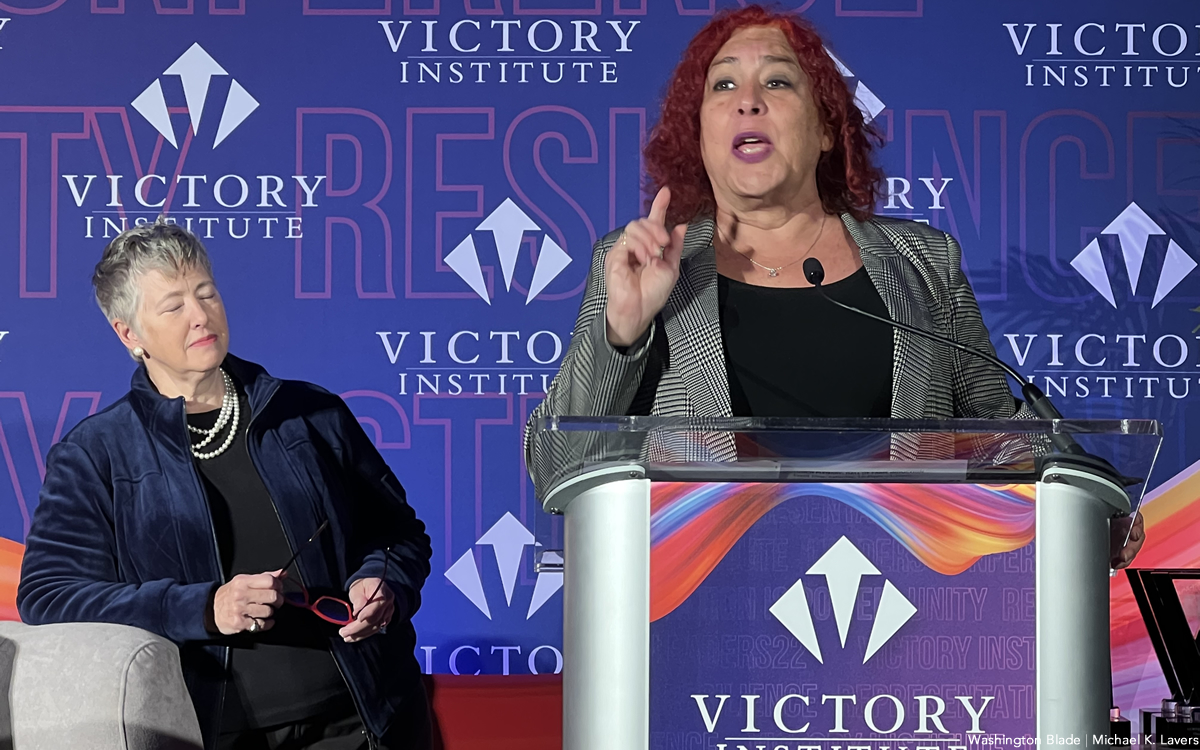
Former Irish Prime Minister Leo Varadkar in 2017 became his country’s first openly gay head of government.
He stepped down in 2020 after his center-right party, Fine Gael, lost parliamentary seats in that year’s general election. Varadkar was once again Ireland’s prime minister from 2022-2024.
Varadkar on Thursday said reaction to the U.S. election results in Europe “has been broadly positive.”
“It’s clear to us that most Americans do not support many of President Trump’s policies whether it’s the war in Iran which has driven up prices here too, trade tariffs, unconditional support for Israel or how far he has gone on immigration particularly the brutality of ICE,” he told the Blade. “There would be a concern that he might now double-down on foreign policy though given his party has lost control of Congress and not in a good way, more conflict than genuine peace initiatives.”
“It’s also been heartening to see a rainbow wave of gay, lesbian, and trans lawmakers getting elected and an understanding that with Democrats in charge of Congress and so many states, the roll back on rights will stall,” added Varadkar.

The global LGBTQ and intersex rights movement since the Trump-Vance administration took office in January 2025 has lost more than an estimated $50 million in funding because of foreign aid cuts, the dismantlement of the U.S. Agency for International Development, and other actions.
The Blade has previously reported PEPFAR-funded programs in Kenya and other African countries have been forced to suspend services and even shut down. A report that Outright International released in September notes 90 percent of LGBTQ and intersex rights groups around the world have lost funding since the Trump-Vance administration entered the White House.
“Outright International works in more than 80 countries, and governments and movements around the world are watching what the United States does next,” Outright International Executive Director Maria Sjödin told the Blade on Thursday. “Renewed U.S. engagement with the United Nations and a foreign policy that puts human rights into practice would make a difference far beyond U.S. borders. One early test will be whether Congress helps restore funding for HIV prevention and treatment, including for trans people, gay and bisexual men, and others who already face barriers to care.”
Gui Molhallem is the executive director of VoteLGBT (Institute for Full Citizenship), a group that seeks to increase LGBTQ and intersex representation in Brazilian politics.
They pointed out to the Blade that Congresswoman-elect Thabatta Pimenta, a trans woman from Rio Grande do Norte state in northeastern Brazil, is among the 35 LGBTQ candidates who won their respective races in their country’s Oct. 4 election. Incumbent President Luiz Inácio Lula da Silva defeated Sen. Flávio Bolsonaro in the second round of the Brazilian presidential election that took place on Oct. 25.
Molhallem said the U.S. election results for Brazilians “are a powerful reminder that the far right is not invincible, and that attacking LGBTQ+ people is not necessarily a winning electoral strategy.”
“Just weeks ago, Brazil elected a record 35 LGBTQ+ lawmakers,” they said. “Now, the U.S. has elected a record number of LGBTQ+ members of Congress. Across the Americas, we’re seeing something remarkable: our identities, once seen as political liabilities, are increasingly becoming electoral assets.”
“These victories also show that LGBTQ+ leaders can be unapologetically proud of who they are while building broad political coalitions around issues that affect everyone’s lives,” added Molhallem.
(Washington Blade video by Michael K. Lavers)
All Out Programs Director Mathias Wasik noted groups based in the U.S. for years “have exported anti-LGBT+ laws and talking points to Africa, Eastern Europe and beyond, selling the idea that America had turned against its LGBT+ citizens.”
“These (election) results tell a different story,” Wasik told the Blade. “American voters sent openly LGBT+ people to Congress, including the first openly gay man elected to the Senate. That matters to activists in Ghana, Uganda or Türkiye who are told that hostility toward LGBT+ people is the American way.”
Shadi Amin is the executive director of 6Rang | Iranian LGBT+ Network, an NGO that is incorporated in England and Wales. She told the Blade the U.S. election results are “truly historic.”
“Not only will the balance of power between political parties change, but the people representing Americans are also becoming much more diverse in terms of their backgrounds, sexual orientations, identities, and beliefs,” said Amin. “I think that’s incredibly important.”
Amin specifically celebrated Pappas’s election to the Senate, while adding she “would have loved to see a lesbian elected to such a position too.” (Baldwin has been in the U.S. Senate since 2013.)
“At the end of the day, as an Iranian, what matters most to me is that Americans can see the positive impact of their votes in their everyday lives and feel that their lives are getting better. We’re living through incredibly difficult times, and as an Iranian, I feel that very deeply,” said Amin. “But I also believe that now, more than ever, we need solidarity across borders and nationalities. We need a world where peace and security make it possible for people everywhere to live happy, fulfilling lives.”

Queerness in Islam: a history the media often ignores

Articles of impeachment filed against Hegseth

The fight over trans students’ pronouns is about much more than names

New Orchestra of Washington to perform ‘Requiem for a People’

Botswana’s marriage equality case and the politics of family values

PHOTOS: Halloween at Crush

Karine Jean-Pierre to serve on Jawando transition team

LGBTQ elected officials, activists around the world welcome U.S. election results

Maryland passed Question 3. What happens now?