Arts & Entertainment
‘Velocity’ of D.C. theater
Broadway-bound star vehicles and blistering family dramas among year’s highlights
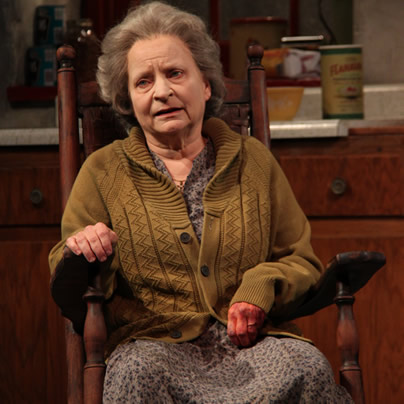
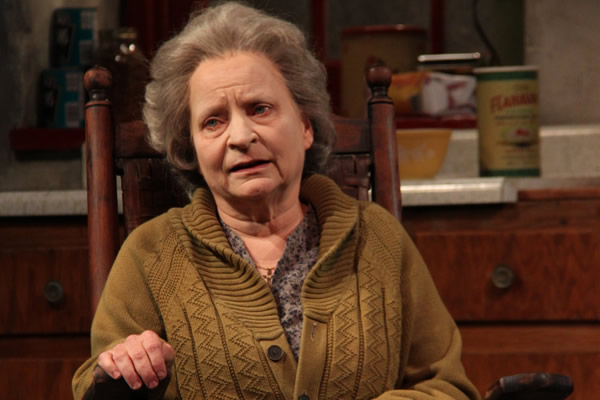
Sarah Marshall in ‘The Beauty Queen of Leenane,’ one of several crackling family dramas produced in the Washington area this year. (Photo courtesy Round House)
The year in theater has been an intriguing blend of old and new.
Many works contained gay content or were written by gay playwrights and most productions benefited from the efforts of gay actors, directors and designers.
It’s also been a good year for the stirring family drama. The crop of memorable plays exploring dysfunctional relationships between parents and adult children was bigger and better than usual.
In the spring, Arena Stage presented the area premiere of gay playwright Jon Robin Baitz’s “Other Desert Cities,” a well-made play about an aging Republican power couple dealing with their liberal daughter’s soon-to-be-released tell-all autobiography. The production was compelling but uneven — the cast didn’t quite ring true as family.
Not the case with Arena’s “The Velocity of Autumn,” Eric Coble’s two-hander staged by Arena’s Molly Smith and beautifully acted by the enduringly vital Estelle Parsons as an elderly woman on the edge and Broadway vet Stephen Spinella as her estranged gay son who comes home to Brooklyn and saves the day. “Velocity” opens on Broadway in 2014 with Smith slated to direct the New York production (the local theater legend’s Broadway debut).
Round House Theatre explored family too with Bill Cain’s powerfully autobiographical “How to Write a New Book for the Bible.” In the touching drama, the playwright recounts many of the details of his 82-year-old mother’s death from liver cancer while also celebrating his life spent as the younger son in a mostly functional family. Out actor MaryBeth Wise gave a wonderfully nuanced performance as the practical and independent mother. The role called for her to age 40 years and she pulled it off brilliantly.
Round House’s family riff continued with Martin McDonagh’s “The Beauty Queen of Leenane,” the dark tale of an isolated old Irish woman and her adult daughter who engage in an ongoing game of control with disastrous consequences. Sarah Marshall, who is gay, gave an admirably layered performance as the mostly immobile, but fiendishly domineering mother. The reliably terrific Kimberly Gilbert played the emotionally dependent daughter. The company’s most recent offering was “The Lyons,” gay playwright Nicky Silvers’ evisceration of a middle class family. Marcus Kyd played the damaged gay son.
In 2013, Shakespeare Theatre Company Artistic Director Michael Kahn shared his skills with the competition, directing “Torch Song Trilogy” at Studio Theatre, and “Pride in the Falls of Autry Mill” at Signature Theatre in Shirlington. Both shows are family dramedies rife with gay content. In “Torch Song,” New York-based actor Brandon Uranowitz triumphed as Arnold, the sharp-tongued, big hearted drag queen hell-bent on creating a happy family. “Pride” (penned by Paul Downs Colaizzo) featured a terrific cast including Christine Lahti as an unhappy suburban perfectionist and Anthony Bowden as her angry college-age gay son. Both shows boasted finely drawn performances.
At Signature last winter, Joe Calarco staged a production of “Shakespeare’s R&J,” an acclaimed all-male prep school-set take on “Romeo and Juliet” that he wrote and premiered in New York in the late ‘90s. Signature’s four man cast included talented out actors Alex Mills and Jefferson Farber.
In August, Slovenia’s Mladinsko Theatre performed its production of out playwright Norman Allen’s solo drama “Nijinsky’s Last Dance” at Mead Theatre Lab at Flashpoint. Allen’s play about the tortured ballet dancer premiered in D.C. in the late ‘90s.
And 15 years after Matthew Shepard’s death, Ford’s Theatre presented an anniversary production of gay playwright Moisés Kaufman’s “The Laramie Project,” an affecting ensemble piece that gives insight into the community’s response to the 1998 brutal murder of Shepard, a young gay man living in Laramie, Wyo. The production (directed by Matthew Gardiner, who is gay) received roundly positive notices despite being plagued with venue issues due to the government shutdown (Ford’s Theatre is operated through a public-private partnership between Ford’s Theatre Society and the National Park Service).
Memorable 2013 musicals included a cracking national tour of gay composer Cole Porter’s “Anything Goes” starring triple threat Rachel York at the Kennedy Center; “Fela,” a tour of the energized musical bio of legendary Nigerian pop star and political activist Fela Kuti staged by gay choreographer and director Bill Cunningham at Shakespeare Theatre Company; a tight reworking of “Miss Saigon” at Signature; and Studio 2nd Stage’s “The Rocky Horror Show” with Mitchell Jarvis as Dr. Frank’N’Furter. Also of note was the Broadway-bound “If/Then,” an engaging production that revitalized the National Theatre with its buzz and star power (Idina Menzel, LaChanze and Anthony Rapp).
In 2013, some openly gay actors dug deep for accents. As the aforementioned scary old woman in “Beauty Queen,” Sarah Marshall successfully tried on a very thick Irish brogue. Out actor Will Gartshore adopted a sexy French accent to play a worldly doctor unwittingly entangled in the drama of a group of romantically challenged Americans in “This” at Roundhouse. And Rick Hammerly went British with a charming performance as jovial Fezziwig in Ford’s “A Christmas Carol,” a sterling production of the Dickens’ December standard. Jeffrey Johnson reprised the tones of old school New York society for the revival of his cabaret act “Edie Beale Live at Reno Sweeney” at the intimate Café L’Enfant in Adams Morgan.
Holly Twyford kicked off the year playing the boss from hell in Studio’s superb production of Mark Bartlett’s “Contractions.” A celebrated local actor, Twyford (who is gay) finishes 2013 back at Studio directing British playwright Sam Holcroft’s “Edgar and Annabel.” Studio describes the play as “a dark and cheeky look at what the future might hold, featuring undercover agents, surveillance algorithms and explosive karaoke.” Not a bad way to close the year.




a&e features
What ‘Queer Eye for the Straight Guy’ can still teach us
Producer David Collins on lasting impact of hit series
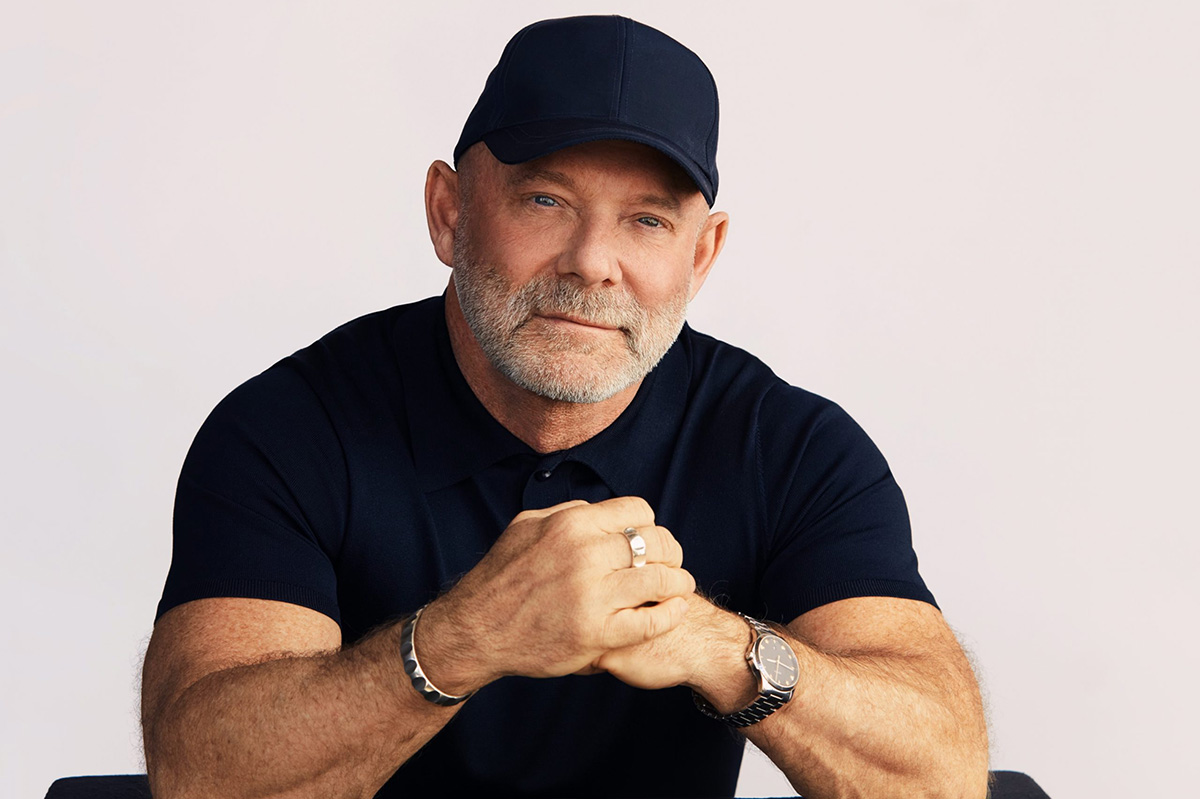
It’s hard to imagine where LGBTQ+ television would be without “Queer Eye for the Straight Guy,” the trailblazing reality series that premiered in 2003.
Each episode of this Emmy-winning show saw a group of gays converge on a struggling man — the titular straight guy — and offer nonstop wit while organizing his endlessly messy life. This program about a group of homosexual helpers took the world by storm, furthering the love of gay television begun by shows like “Will and Grace” but bringing it into the growing medium of reality TV. Of course, it wasn’t perfect; “Queer Eye for the Straight Guy” often cast its experts less as multi-faceted queer folks and more as sources of early 2000s gay jokes. But despite these pitfalls, it’s undeniable that the original program explored the realities of being gay in a way audiences had never seen before. It was a monumental piece of LGBTQ+ representation, and its success is largely owed to the man who fought to get this show made: producer David Collins.
Collins spoke with the Blade from his Los Angeles home, where he’s spent the past few years living with his husband and his two daughters. David spoke fondly of his many years in the industry, detailing how it feels to be such a huge part of LGBTQ+ history. He explained, however, that he didn’t initially set out to alter how queer people were seen on television. “I never went out to make gay television,” said the producer. “I went out to tell great stories.”
“I’m a hillbilly from Ohio, and I thought I was going to be an editor,” David laughed, looking back on his career. “I interned at the Cincinnati Film Office, and I showed up to work my very first day, and the film commissioner was like, ‘Get to the airport right now and pick [someone] up. Don’t talk to them.’ Well, I ended up picking up Jodie Foster.” Collins raved about this car ride that changed his life, with the pair becoming friends and Foster pushing him to become a producer who puts their own media out into the world. Eventually, he did just that, and after learning about the wild new genre that was reality TV, he pitched a series to Bravo: “Queer Eye for the Straight Guy.”
“I was obsessed with Esquire magazine, and they had five categories: fashion, grooming, interior design, culture, food, and wine. So I gave them each a gay, and the Fab Five were born!” Collins said, describing how viewers quickly fell in love with the concept and earned the program four seasons and an Emmy for Outstanding Reality Program. He spoke about how proud he felt creating a show that centered real gay people, not characters in a story, remembering, “To stand in the middle of Times Square and look up and see this massive billboard with the original Queer Eye guys…it wasn’t even a dream come true, because it wasn’t a dream I had even fathomed.”
With his series, people were watching actual gay men and learning the realities of a queer culture that had always been portrayed as a danger to society. Collins tearfully recounted hearing about queer people using the show as a way to connect with their family, saying, “What I’m most proud of that’s come out of Queer Eye [are] the conversations that that series has allowed to have people around their kitchen tables with little boys in Ohio like me who were scared to death that they were going to burn in hell because their pastor was telling them that they were a sinner.”
Now, for all of its trailblazing, the program wasn’t wholly positive; the show’s focus on the central ‘straight guy’ meant it rarely delved into the lives of its Fab Five. Collins regretted that lack of depth but understood that earlier audiences weren’t accustomed to such a nuanced look into queerness — that would have to wait for the reboot.
When “Queer Eye” came out in 2018, audiences were introduced to not only a new Fab Five, but a whole new format (that didn’t rely on a straight person). Now, the series would assist queer folks and allies alike, spotlighting these individuals as well as the queer experts helping them improve their lives. The show has been applauded for its amazing makeovers, but where it truly stands out is its representation, offering a look into individuals across the country and the struggles — along with the immense joys — of being queer in America today.
Fans were disappointed to hear that “Queer Eye” would be ending after its 10th season, but David stressed that they wouldn’t have to be sad for long. “What I will say to you is this: hang tight,” he teased. “There’s yet another version of ‘Queer Eye’ to come, and we’re working on that now.” In the meantime, Collins is continuing his work with new shows like the “House of Stassi,” a series centered on “Vanderpump Rules’”prolific waitress. He’s excited about these new projects, but emphasized that his heart will always belong to “Queer Eye for the Straight Guy” and all that it continues to do for viewers 19 years after its finale.
“It’s not about your new outfit or your new couch or your new whatever. It’s about your humanity,” said Collins, speaking about the core lesson he hopes people take away from the Queer Eye franchise. “It’s about seeing yourself. It’s about dignity. It’s about how confidence breeds success.”
A valuable message that queer folks can benefit from even more now than they did in 2003. And, while it’s unclear just what lies ahead for this franchise, one thing is for sure: “Queer Eye for the Straight Guy” helped people everywhere understand the power that exists within our queerness. It’s a truth that has impacted countless pieces of LGBTQ+ television today, and it’s one that Collins promises to keep alive through whatever hit show he creates next.
Celebrity News
Madonna nominated for 11 MTV VMAs
Musical icon has been nominated in every decade of her career
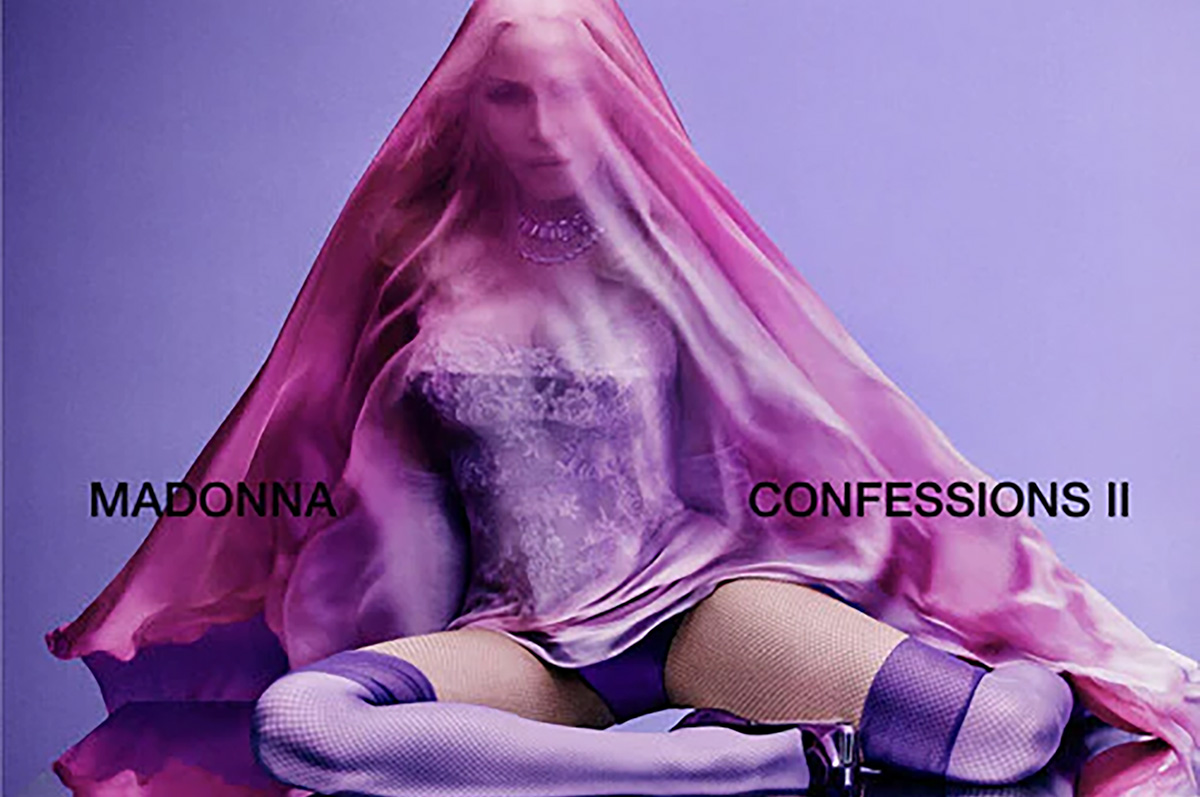
While Michael Jackson is the uncontested King of Pop, Madonna can easily be considered its queen. She has managed to maintain relevancy throughout the decades and borrowed from different genres and even cultures. There was Puerto Rican freestyle-inspired early Madonna, the “Evita” moment, Madonna as a guru with “Ray of Light,” and more.
Regardless of how you feel about her acting, she has consistently performed hits for films, garnering her multiple awards.
Her follow-up to the wildly popular “Confessions on a Dance Floor,” “Confessions II” has managed to snag her 11 VMA nominations, more than any artist this year. This brings her total up to 80 nominations, and whatever she takes home will add to her 20 wins.
Madonna’s relationship with the VMAs has consistently included history-defining moments. In 1984, she performed at the first VMA ceremony dressed like a bride, emerging from a cake singing “Like a Virgin.” It was provocative and, of course, got conservatives into a tizzy.
One of her most memorable performances was her 1990 performance of “Vogue” in full Marie Antoinette regalia, which is forever etched in history. She also sang “Hollywood” in 2003 and famously kissed both Britney Spears and Christina Aguilera. She even eulogized Michael Jackson at the 2009 ceremony.
Fans have long awaited a follow-up to this monumental album. Despite her long career, “Confessions” marked her second Grammy for music achievement. Her follow-up album has delighted the gays and gone viral on social media with LGBTQ folks reigniting their love of Madonna with “I Feel So Free.” She is giving us what we need, much like Lady Gaga dropping “Chromatica” post-pandemic.
Since the album has been released, Madonna united with pop royalty, Kylie Minogue, on a remix of her song “Love Sensation.” The two appeared together on the stage for her set at World Pride in Amsterdam.
(Washington Blade video by Michael K. Lavers)
Rather than releasing a plain old music video, she released a film which strings together multiple celebrity appearances including collaborator Sabrina Carpenter, Benedict Cumberbatch, her longtime friend Debi Mazar, Honey Dijon, Kate Moss, Game of Thrones star Gwendoline Christie, and even her daughter Lourdes Leon. While the state of her biopic is in limbo, Julia Garner appeared in Madonna drag for the video. This video is the lion’s share of her nominations and could lead to an epic performance at the ceremony.
Time will tell how she will top these history-defining moments, but one thing is for sure … it will be a show. This year’s nominations include:
- Artist of the Year
- Video of the Year (CONFESSIONS II – THE FILM)
- Song of the Year (Bring Your Love with Sabrina Carpenter)
- Best Collaboration (Madonna & Sabrina Carpenter)
- Best Dance (CONFESSIONS II – THE FILM)
- Best Choreography (CONFESSIONS II – THE FILM)
- Best Editing (CONFESSIONS II – THE FILM)
- Best Visual Effects (CONFESSIONS II – THE FILM)
- Best Direction (CONFESSIONS II – THE FILM)
- Best Art Direction (CONFESSIONS II – THE FILM)
- Best Cinematography (CONFESSIONS II – THE FILM)
You can vote for Madonna on MTV’s website and find out how many awards she takes home and see her soon-to-be-legendary performance at the 2026 VMAs on Sunday, Sept. 27, on CBS, MTV, and Paramount+.

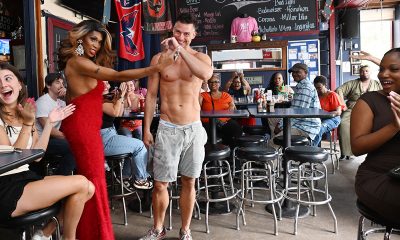
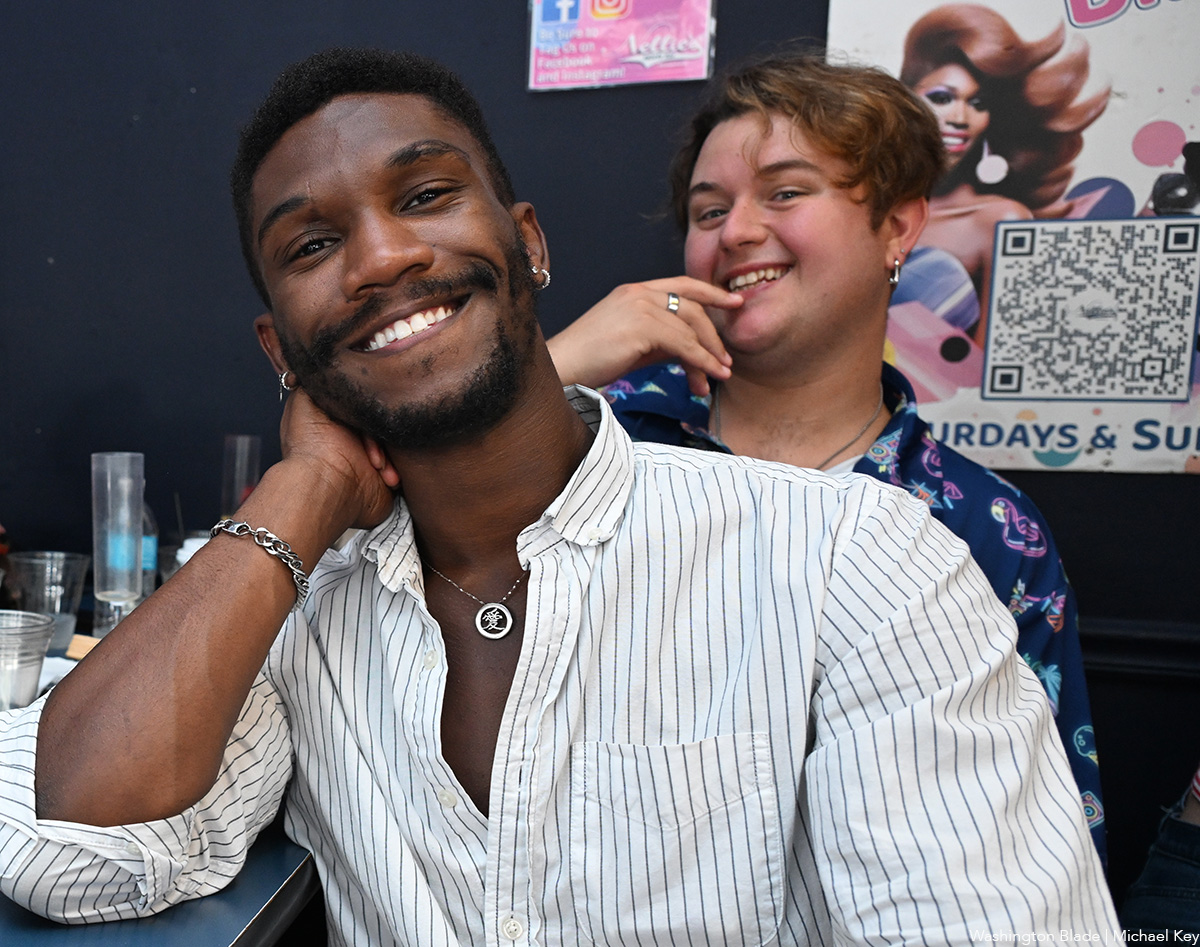
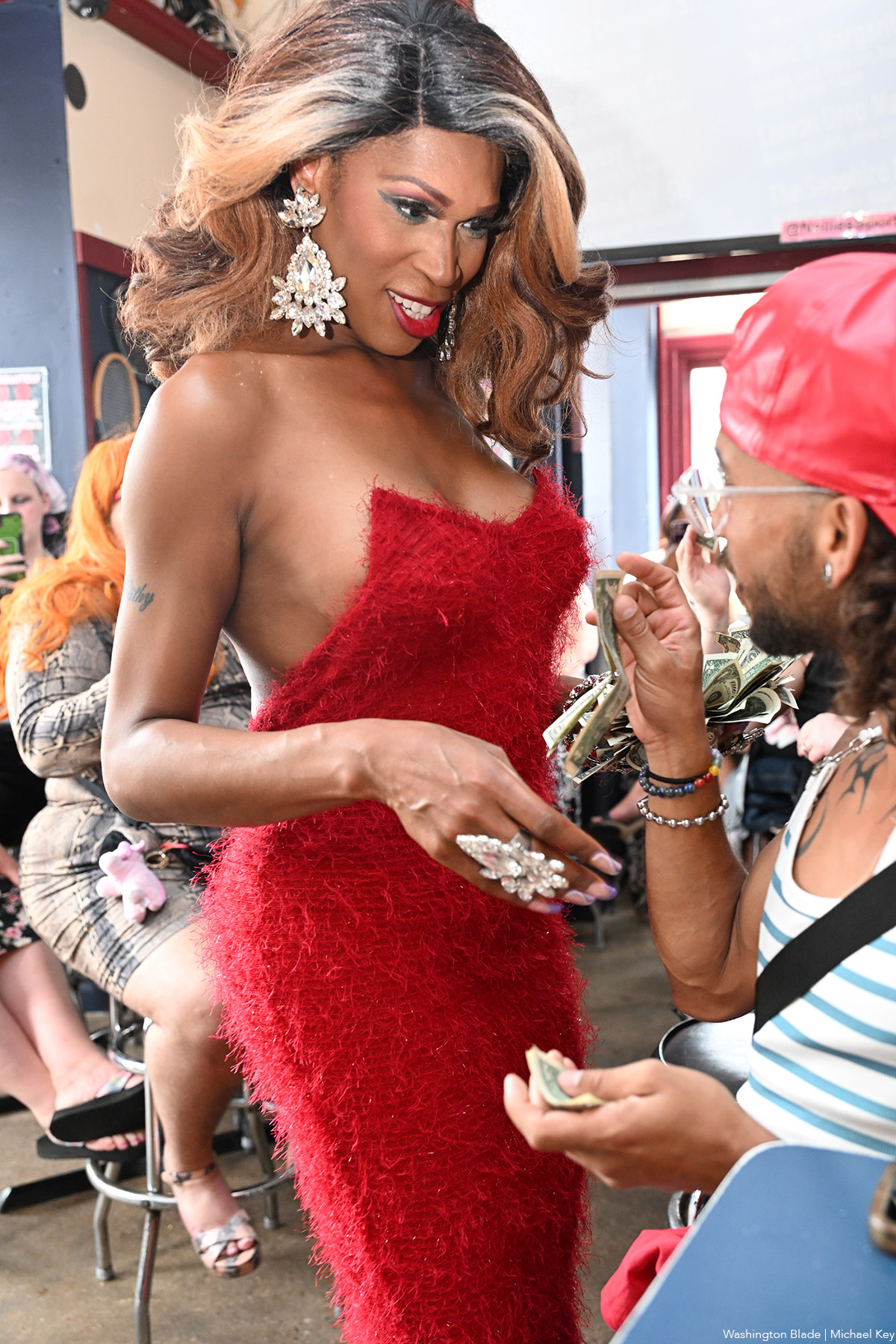
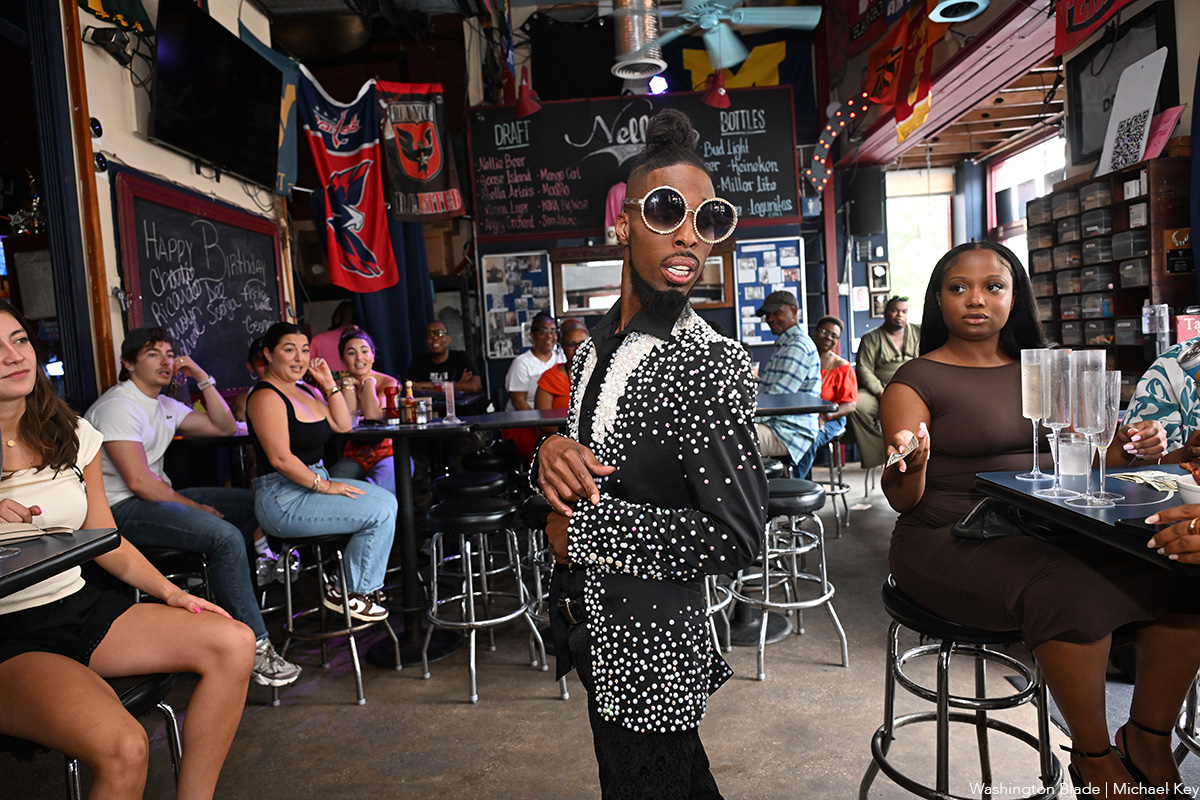
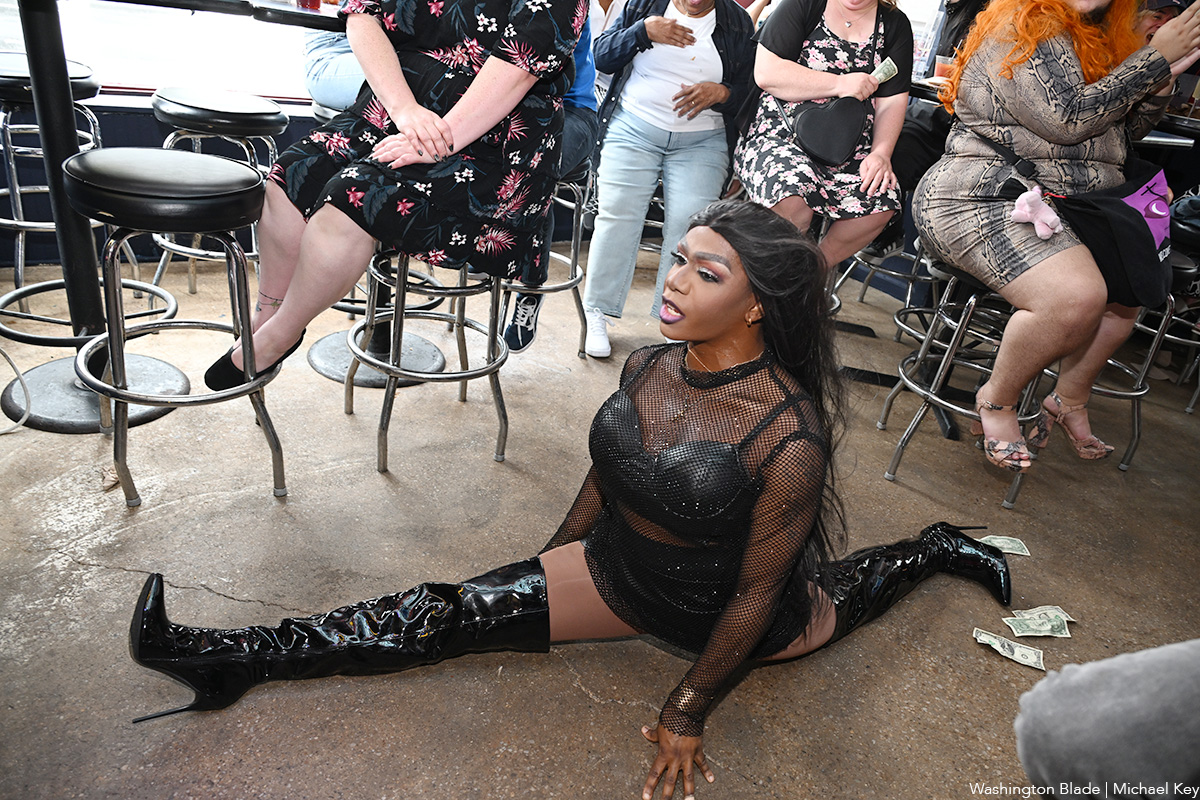
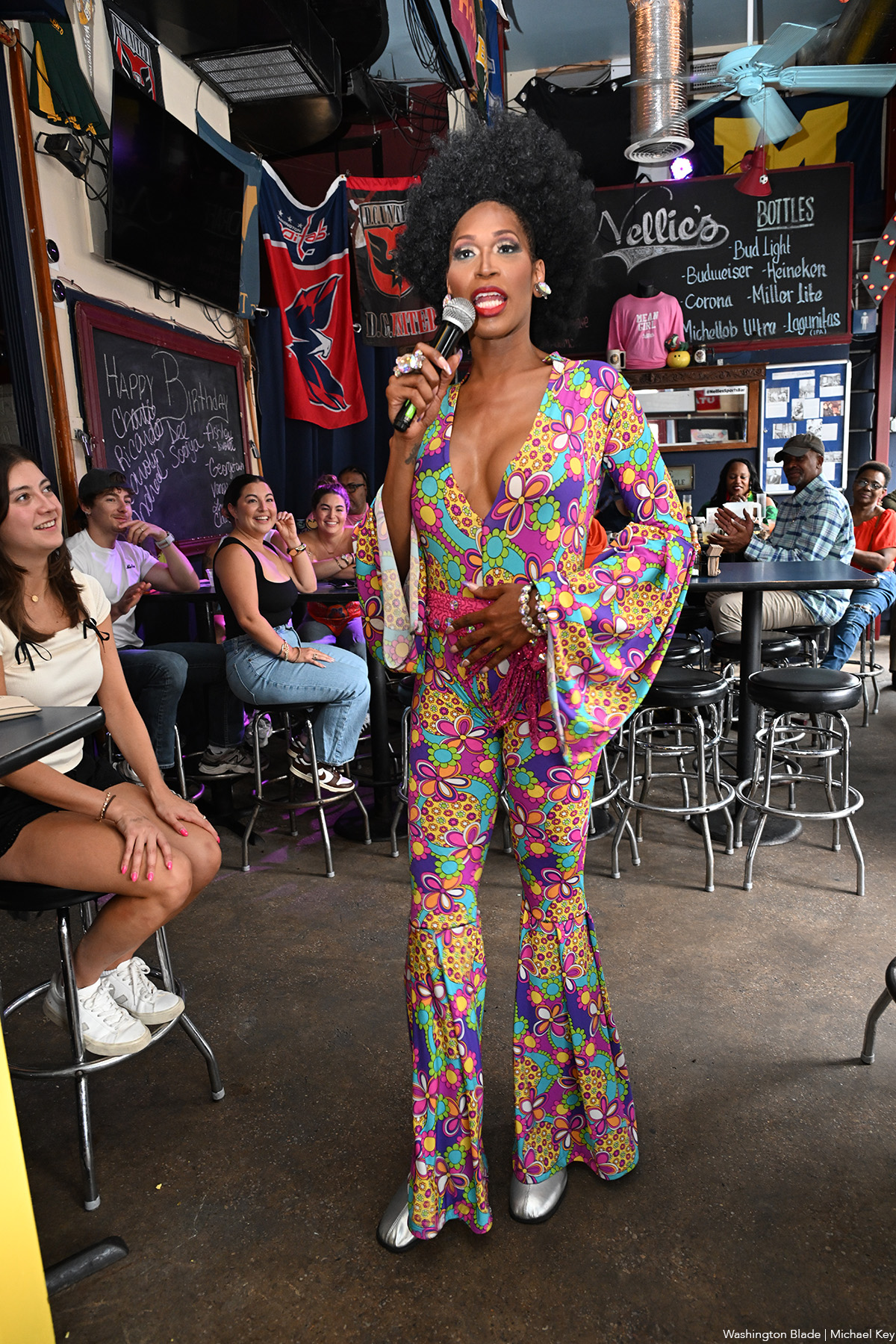
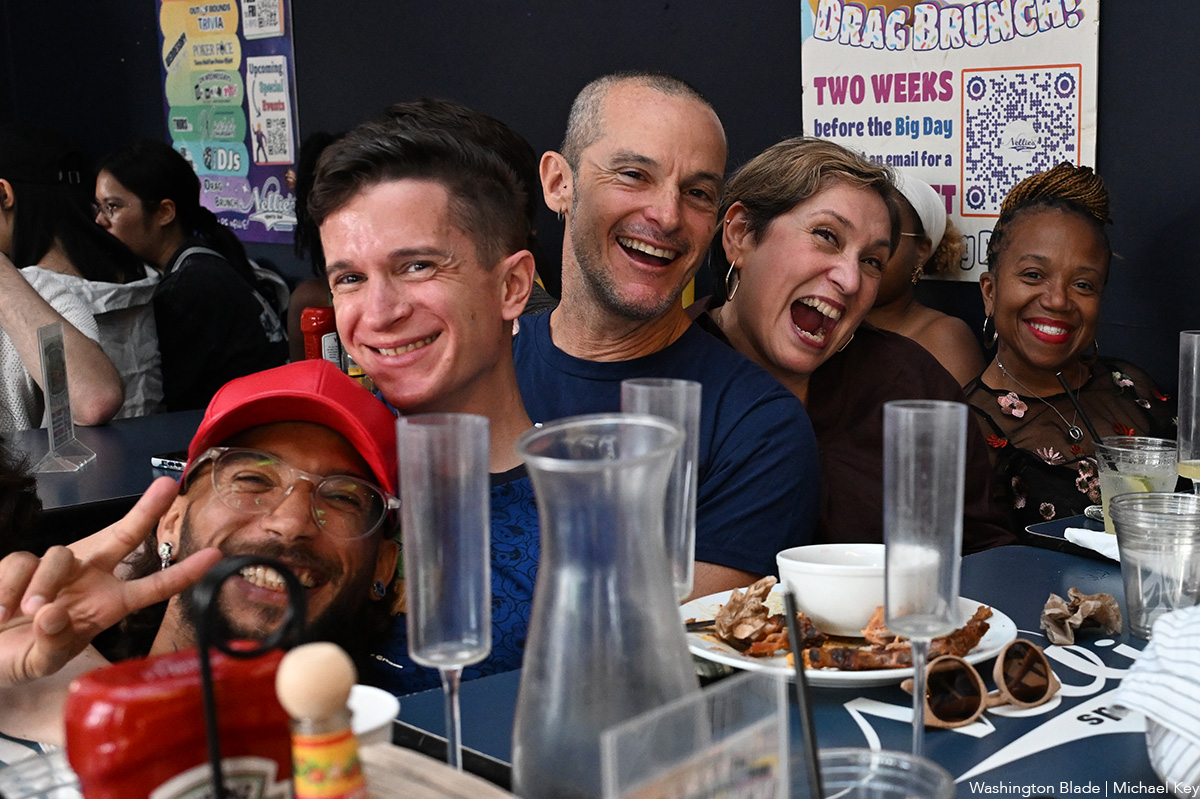
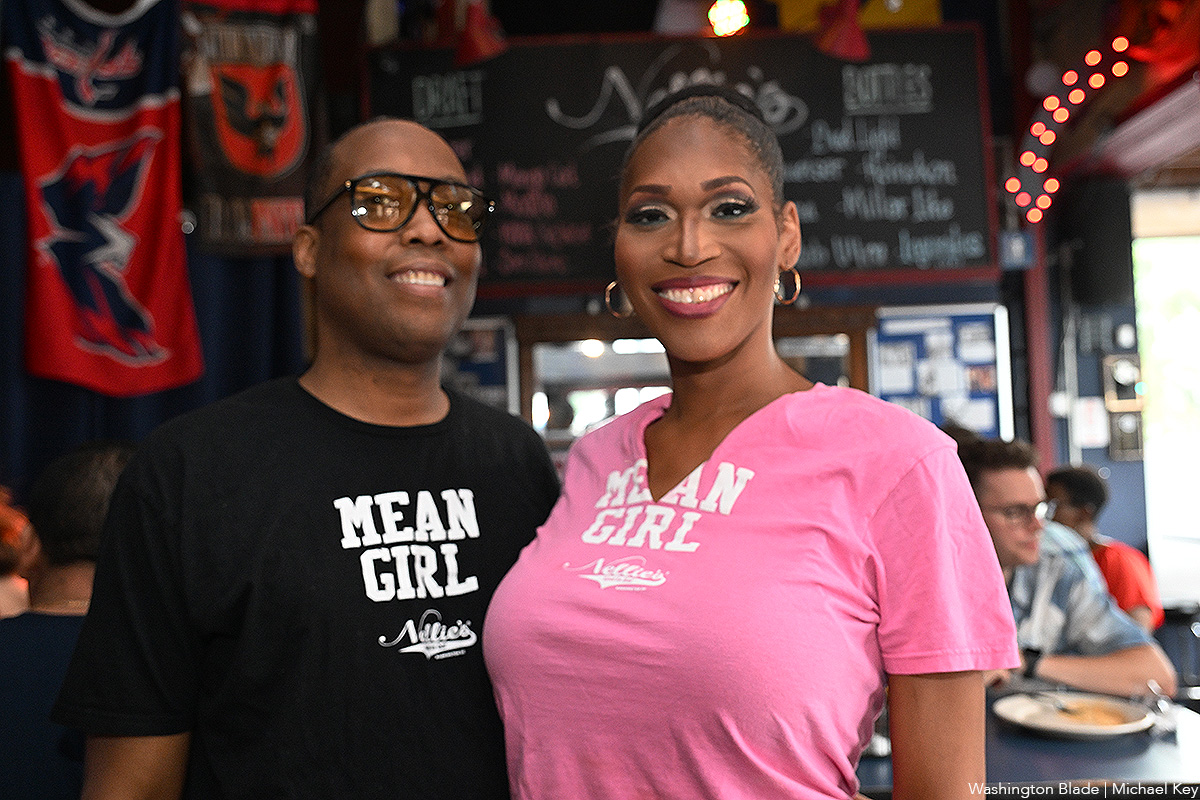
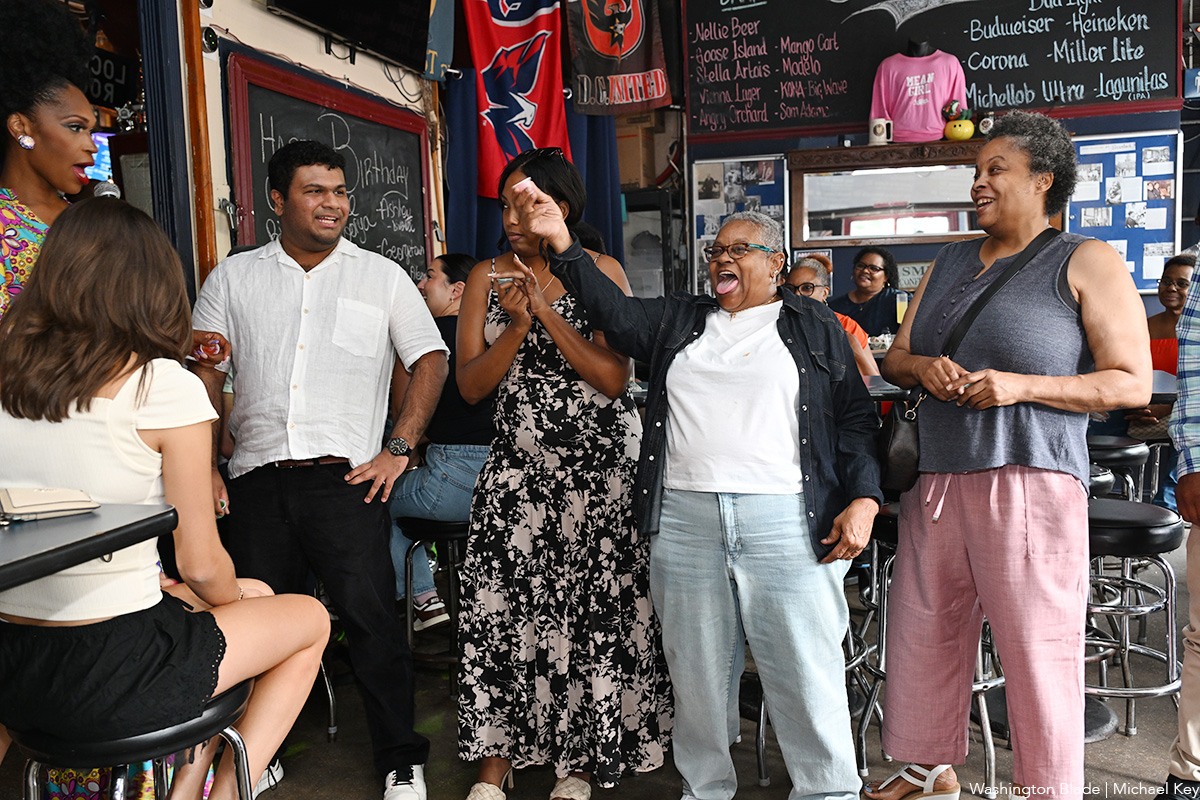
Deja Diamond hosted Nellie’s Drag Brunch on Sunday at Nellie’s Sports Bar.
(Washington Blade photos by Michael Key)






NYC lawmakers seek to repeal bathhouse ban

Black Educated Lesbians: A movement rooted in community

Hegseth uses transphobic slur while campaigning for Iowa congressman

What ‘Queer Eye for the Straight Guy’ can still teach us

I respect AOC, even though I often disagree with her

‘Maddie’s Secret’ defies campy expectations

PHOTOS: Nellie’s Drag Brunch

Remembering Barbara ‘Boo’ Price, a pioneering force in women’s music

Winsome Earle-Sears ‘Life and Marriage Tour’ to include Northern Va. stops