Arts & Entertainment
12 LGBTQ events this week
Parties, panels and parades to celebrate Pride
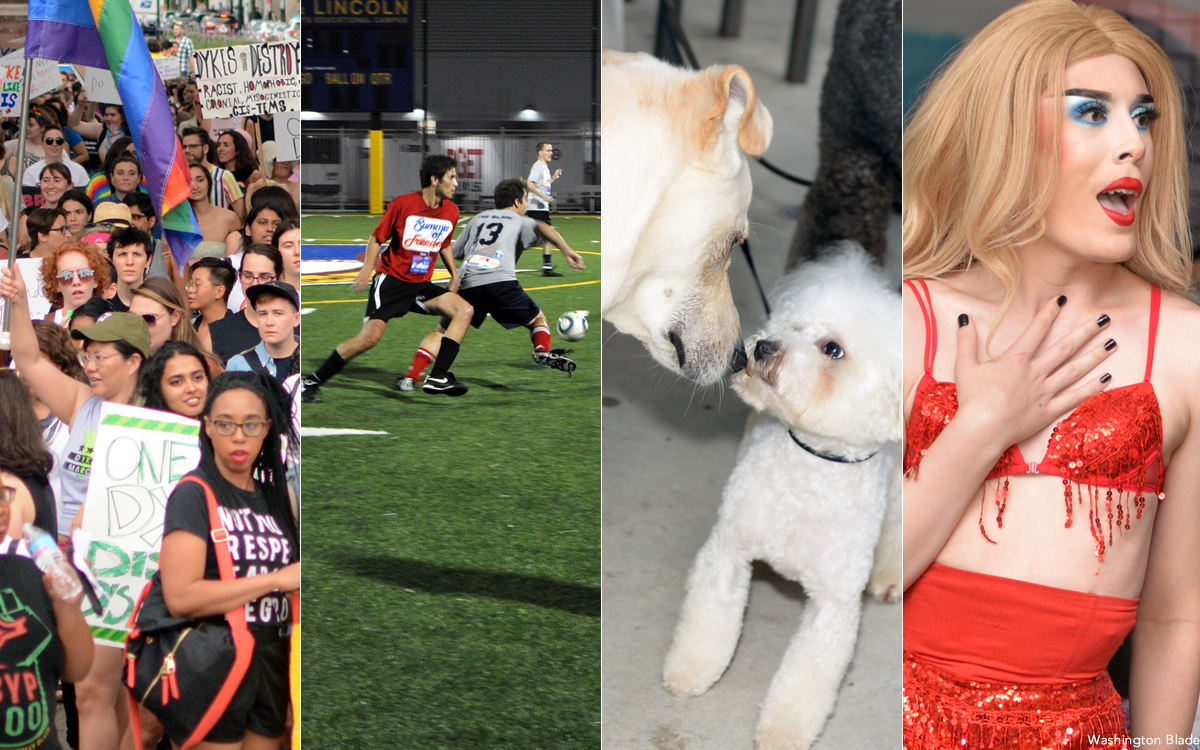
It is time for the Capital Pride Parade, Capital Pride Festival and several parties in and around D.C. For information on Capital Pride official events, click here. For information on Latinx Pride events, click here. For information about Pride parties on Saturday, click here. Below are our picks for some of the most fun and creative things to do this week in D.C. that are of special interest to the LGBTQ community.
JR’S Monday Night Showtunes: Pride Edition
Monday, June 6
8 p.m. – midnight
JR.’s Bar
1519 17th Street, N.W.
Facebook
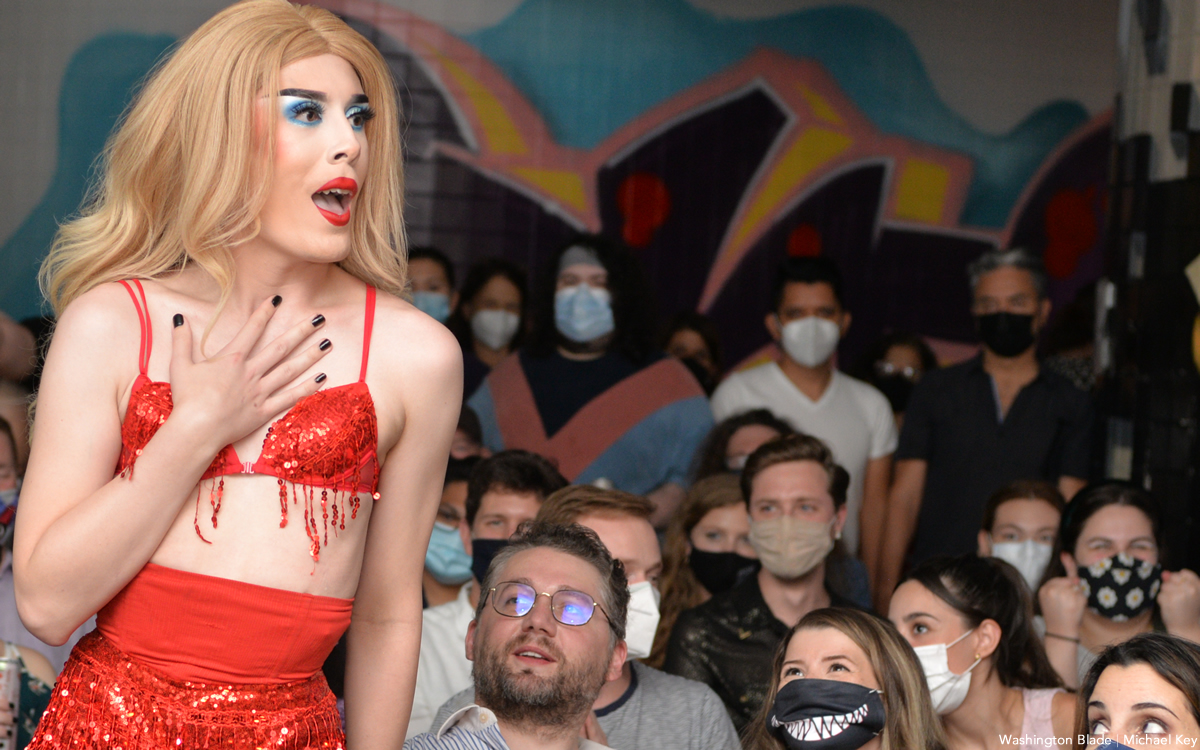
Join Citrine for a Pride Edition night of showtunes with music by Landon Cox.
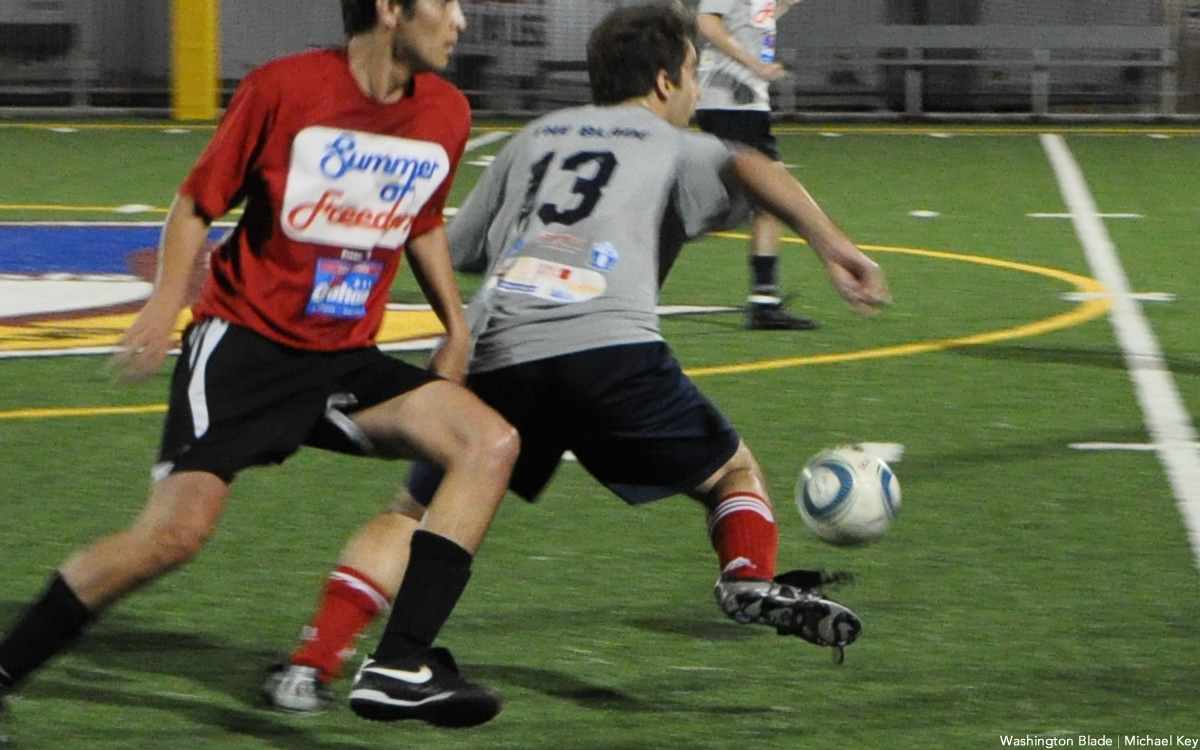
FTSC Summer of Freedom Opening Party
Tuesday, June 7
6-9 p.m.
Kiki (second floor)
915 U Street, N.W.
Facebook
The Summer of Freedom league play for the Federal Triangles Soccer Club begins with an opening party at Kiki on Tuesday.
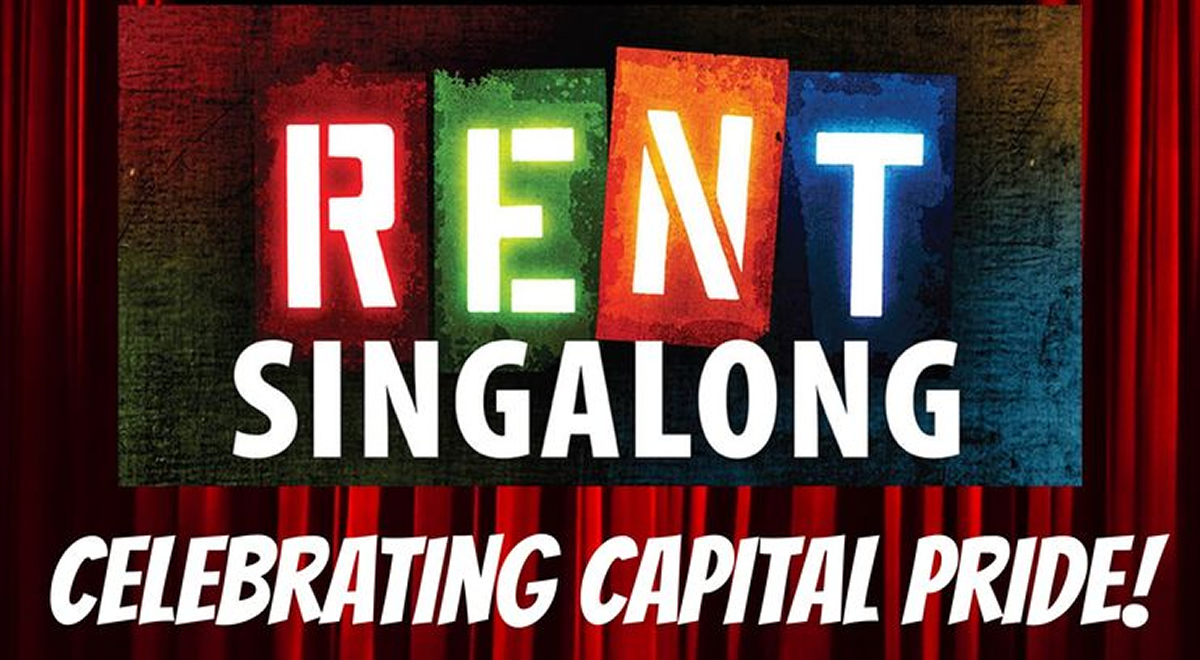
RENT Singalong celebrating Capital Pride
Wednesday, June 8
8 p.m.
Shaw’s Tavern
520 Florida Avenue, N.W.
Facebook
Celebrate Capital Pride with a RENT musical singalong at Shaw’s Tavern on Wednesday. Song sheets are available if needed.
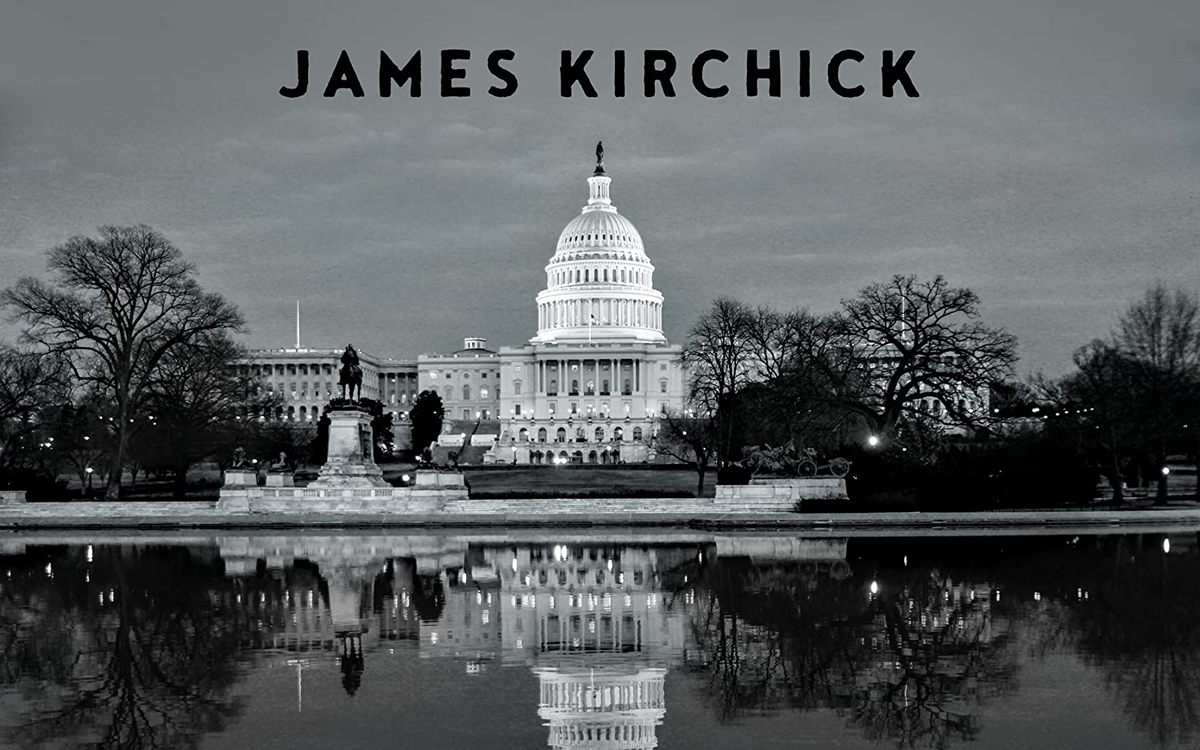
Live at the Library: “Secret City” discussion with James Kirchick
Thursday, June 9
7 p.m.
Library of Congress
Thomas Jefferson Building
Coolidge Auditorium
101 Independence Avenue, S.E.
Join the Library in Celebrating Pride Month with a discussion from journalist James Kirchick on his new book, “Secret City: The Hidden History of Gay Washington,” and Washington Post writer Jonathan Capehart at 7 p.m. in the Coolidge Auditorium. Visitors can also explore Library collection items that Kirchick consulted in researching his book.
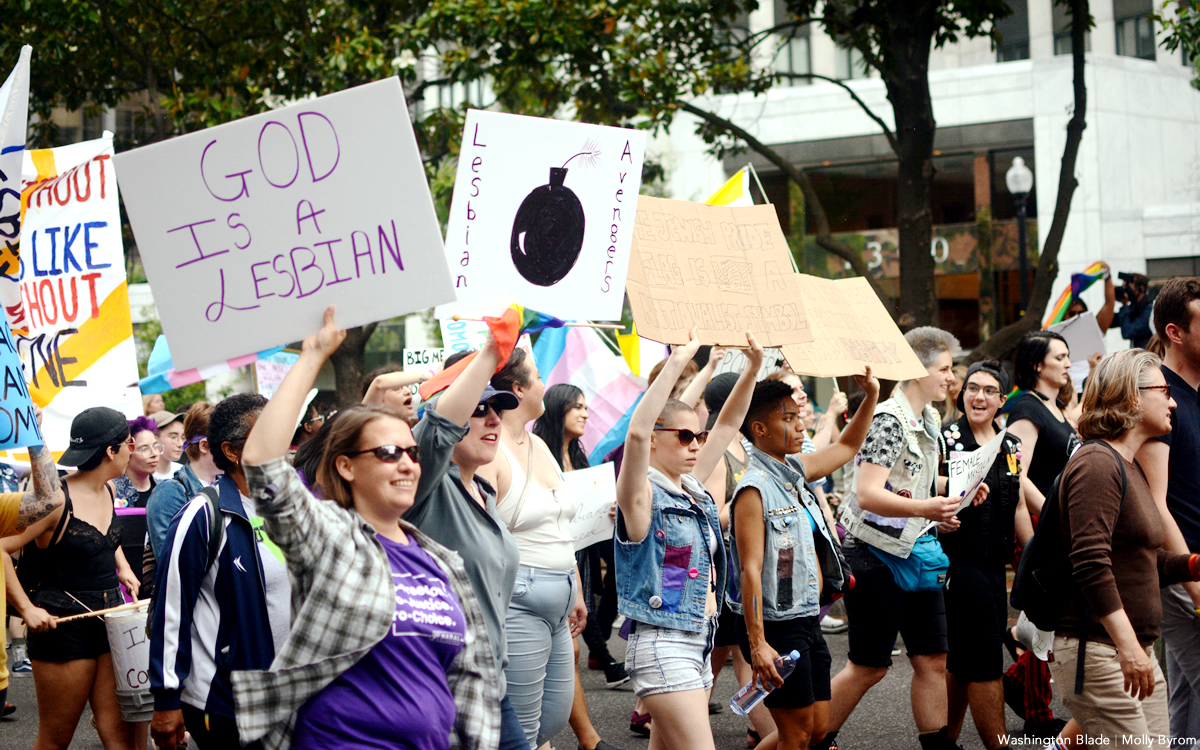
D.C. Dyke March
Friday, June 10
6 p.m.
Franklin Square
1332 I Street, N.W.
Facebook
The D.C. Dyke March returns this year. Activists will march for “body liberation and saying Hands Off Our Bodies!”
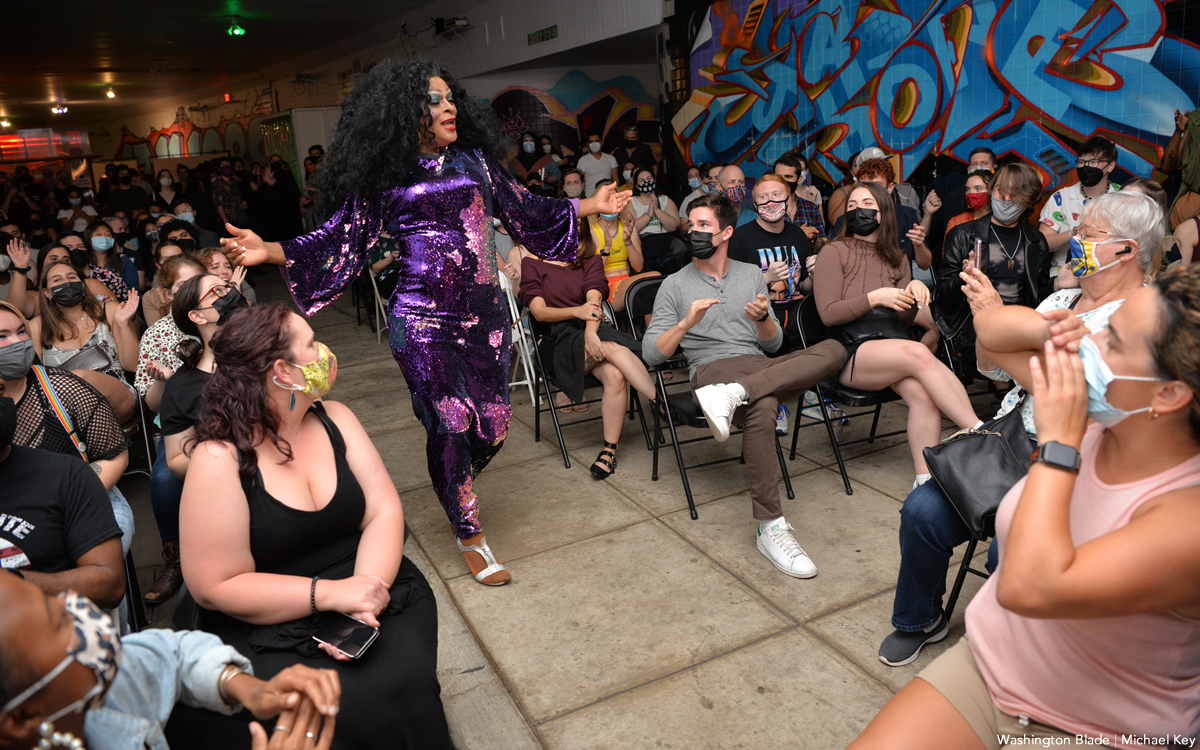
Drag Underground
Friday, June 10
8:30 p.m.
Dupont Underground
19 Dupont Circle N.W.
Eventbrite
Drag is back at Dupont Underground every Friday in June. Performers that evening include Shi-Queeta Lee, Logan Stone, Crimsyn and Pico Rico!
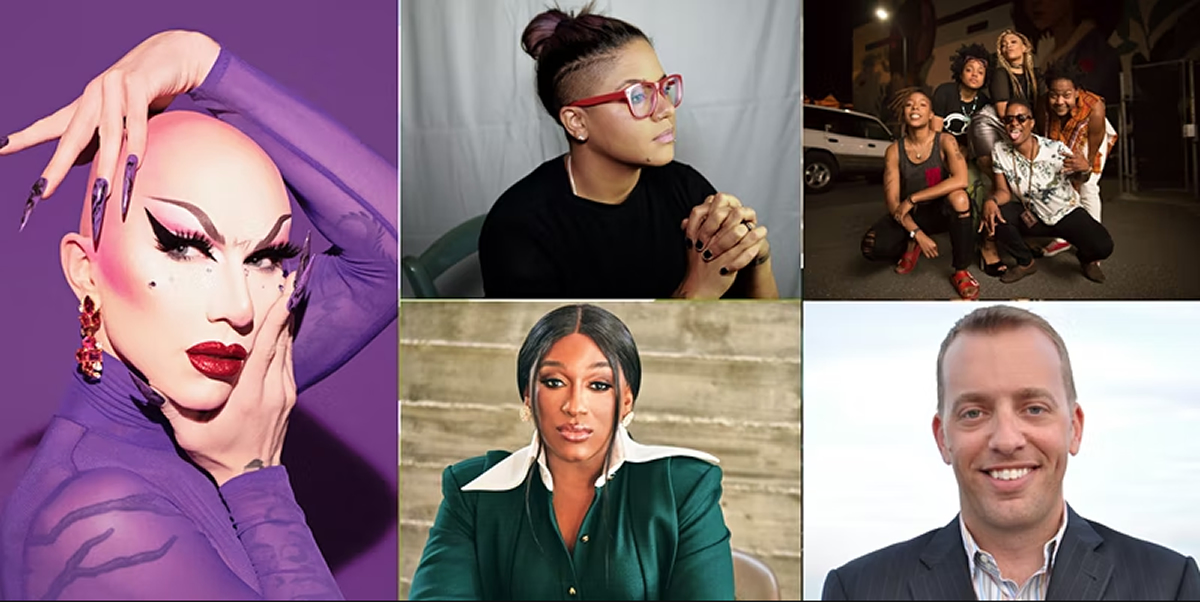
Futures Cypher: Pride 2050
Friday, June 10
6:30 p.m.
Smithsonian Arts + Industries Building
900 Jefferson Drive, S.W.
Eventbrite
The Arts + Industries Building of the Smithsonian Institution hosts an interactive discussion and performance art exchange about the future of Pride.
6:30-7:30 p.m. Interactive panel featuring: editor and co-owner of the Washington Blade, Kevin Naff; founder of The Marsha P. Johnson Institute, Elle Moxley; interdisciplinary spoken word artist and filmmaker, The Dainty Funk; and intimate performances by queer pop performer, Be Steadwell.
7:30-8:30 p.m. Immersive DJ + rhythm experience featuring DJ Alex Love and Twink Drumz
8:30-9:15 p.m. Performance by The CooLots
9:30 p.m. Closing performance
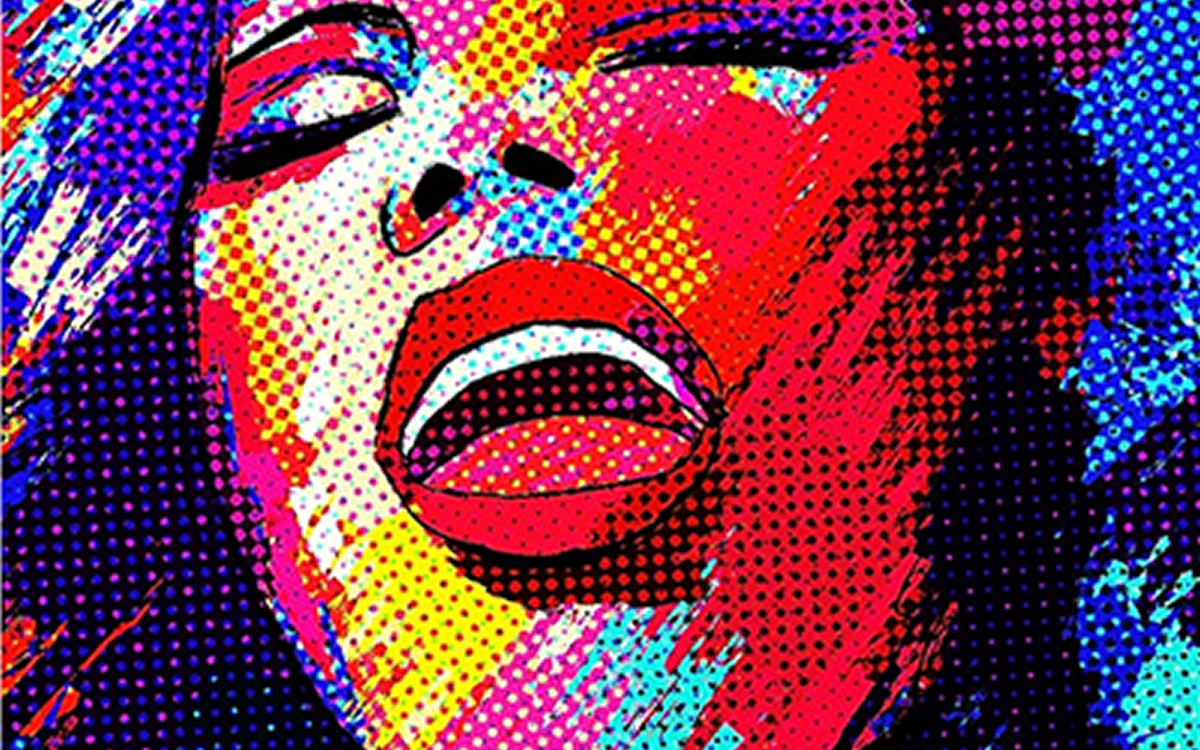
Capital Pride Weekend Drag Brunch
Saturday, June 11
Two shows: 10 a.m. and 12:30 p.m.
The Hamilton Live
600 14th Street, N.W.
18+
$63.40
Tickets
The Hamilton Live is partnering with Tito’s and Ommegang Brewery for an all-you-can-eat drag brunch experience. Tickets include a brunch buffet and your choice of a Tito’s Bloody Mary, Ommegang beer, or a soft drink. Tito’s will donate $1 of every cocktail sale to the Capital Pride Alliance. Ommegang will donate $1 of every beer sold to the Cyndi Lauper Foundation.
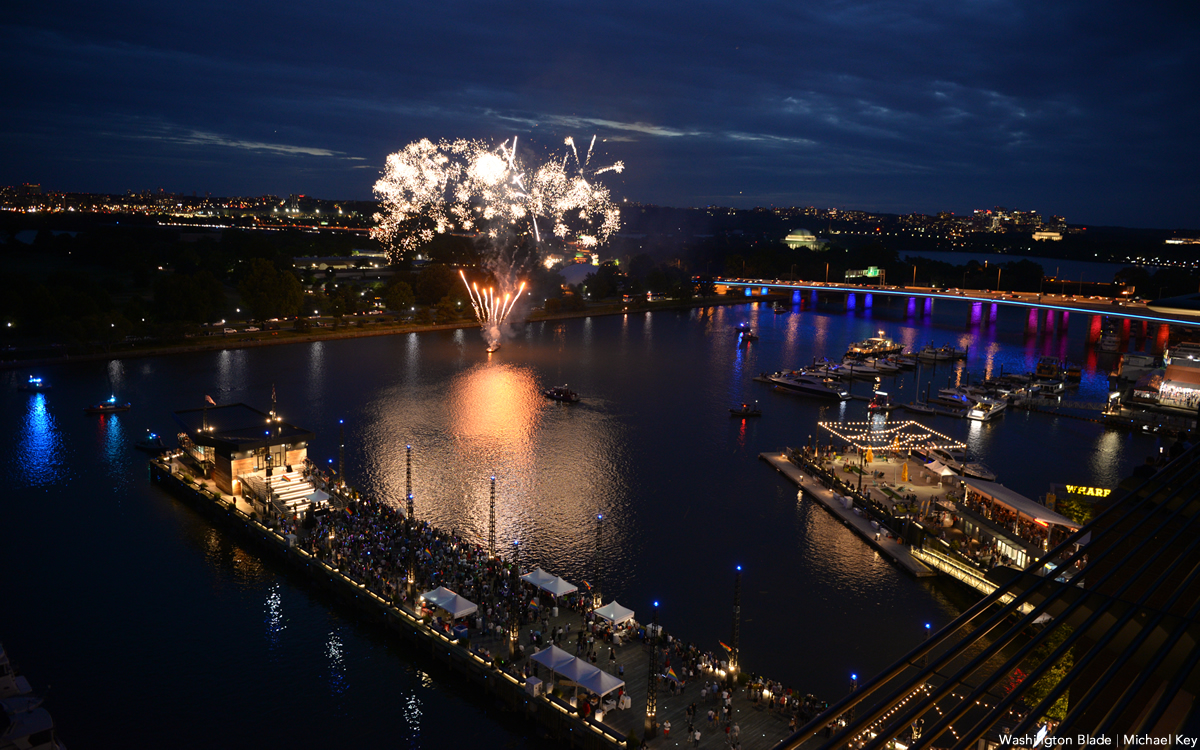
Pride on the Pier & Fireworks Show
Saturday, June 11
2-9 p.m.; Fireworks at 9p.m.
The Wharf
101 District Square, S.W.
Free & Open to the Public. VIP Tickets Available.
VIP Tickets
The Washington Blade, in partnership with LURe DC and The Wharf, is excited to announce the 3rd annual Pride on the Pier and Fireworks. Pride on the Pier extends the city’s annual celebration of LGBTQ visibility to the bustling Southwest waterfront with an exciting array of activities and entertainment. The event will include the annual Pride on the Pier Fireworks Show presented by the Leonard-Litz Foundation at 9 p.m.
Mosaic Pride Parade
Saturday, June 11
6-7:30 p.m.
Mosaic
2910 District Avenue
Fairfax, Va.
Facebook
Are you in Fairfax and don’t feel like braving the crowds into D.C.? The inaugural Mosaic Pride Parade will begin at 6:00 pm in front of Praline Bakery and will end at Mom & Pop. Hang around for a post-parade celebration on Strawberry Lane with drag queens, a performance by Kazaxe, pretzels, and more!
Lights On, Barks Out! Pride Brunch & Tea Dance
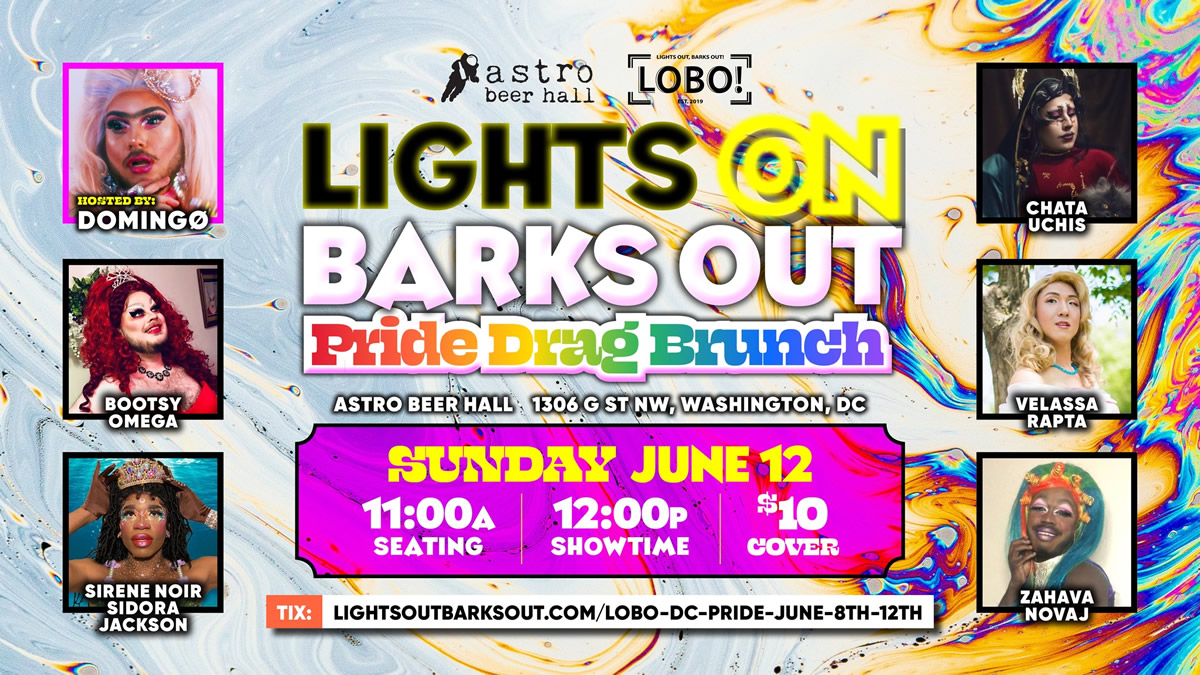
Sunday, June 12
11 a.m.
Astro Beer Hall
1306 G Street, N.W.
$10
Facebook
Join Doming0, Bootsy Omega, Sirene Noir Sidora Jackson, Chata Uchis, Velassa Rapta and Sahava Novaj for a Pride Drag Brunch at Astro Beer Hall on Sunday.
Yes Homo! Pride Edition
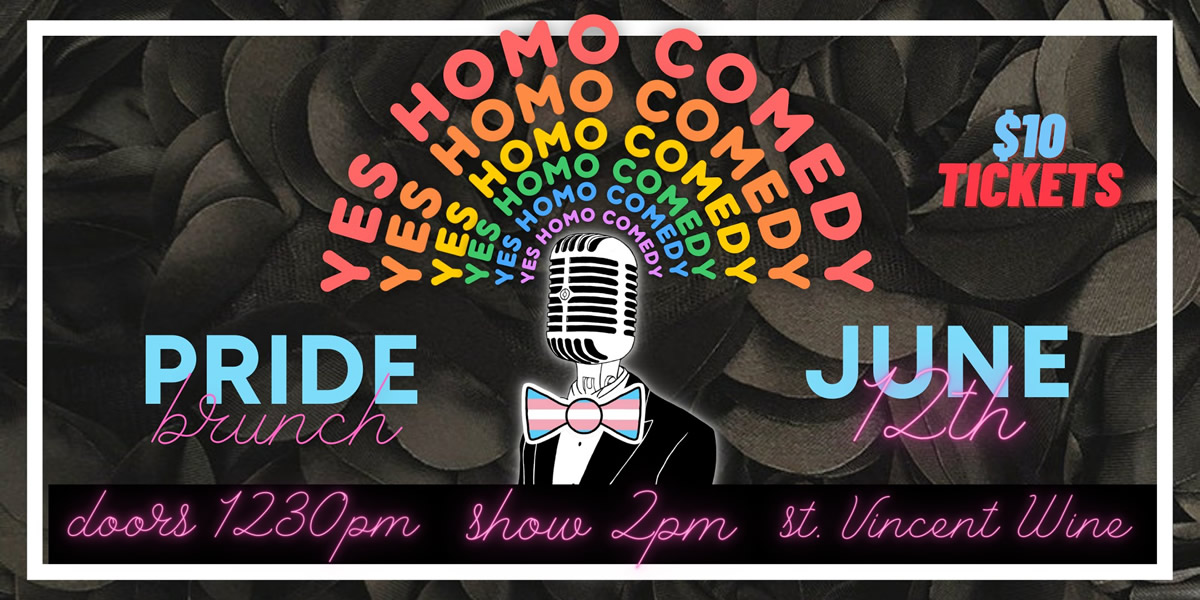
Sunday, June 12
12:30-3:30 p.m.
St. Vincent Wine
3212 Georgia Avenue, N.W.
$10
Facebook | Eventbrite
Watch a hilarious lineup of queer comics and enjoy a Pride brunch at St. Vincent Wine on Sunday.


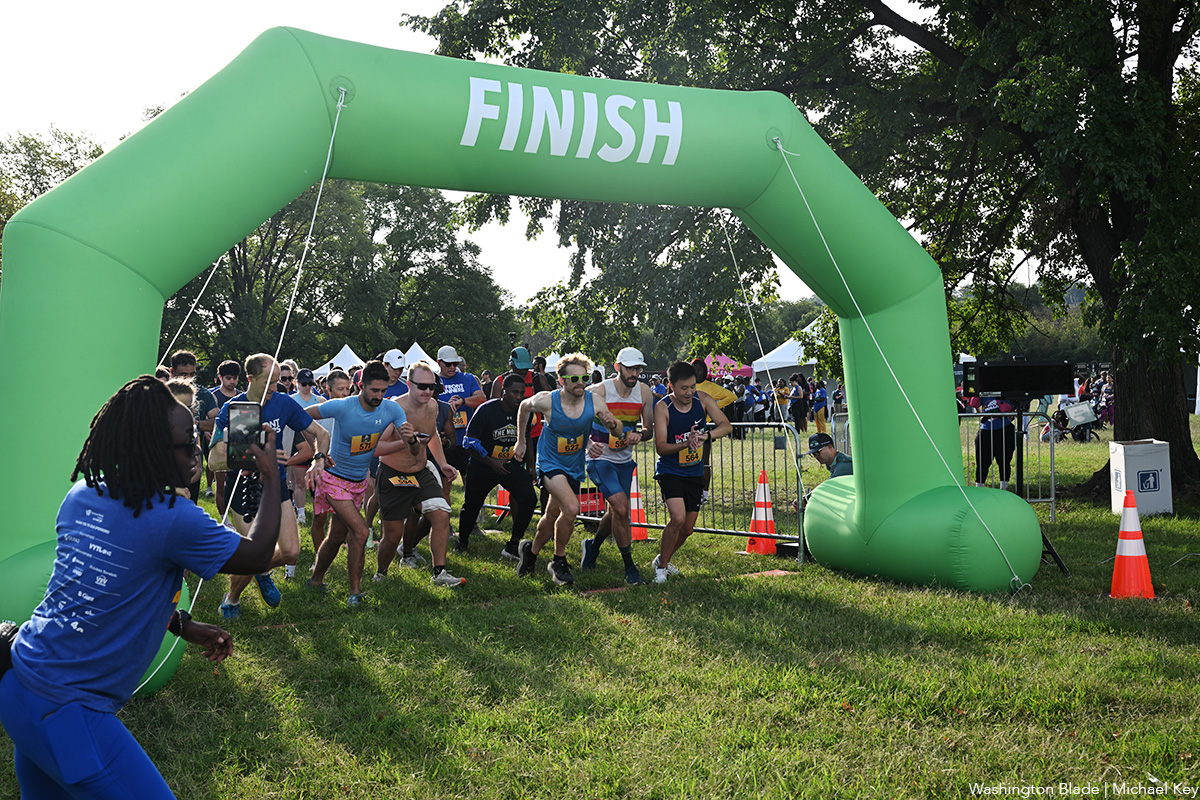
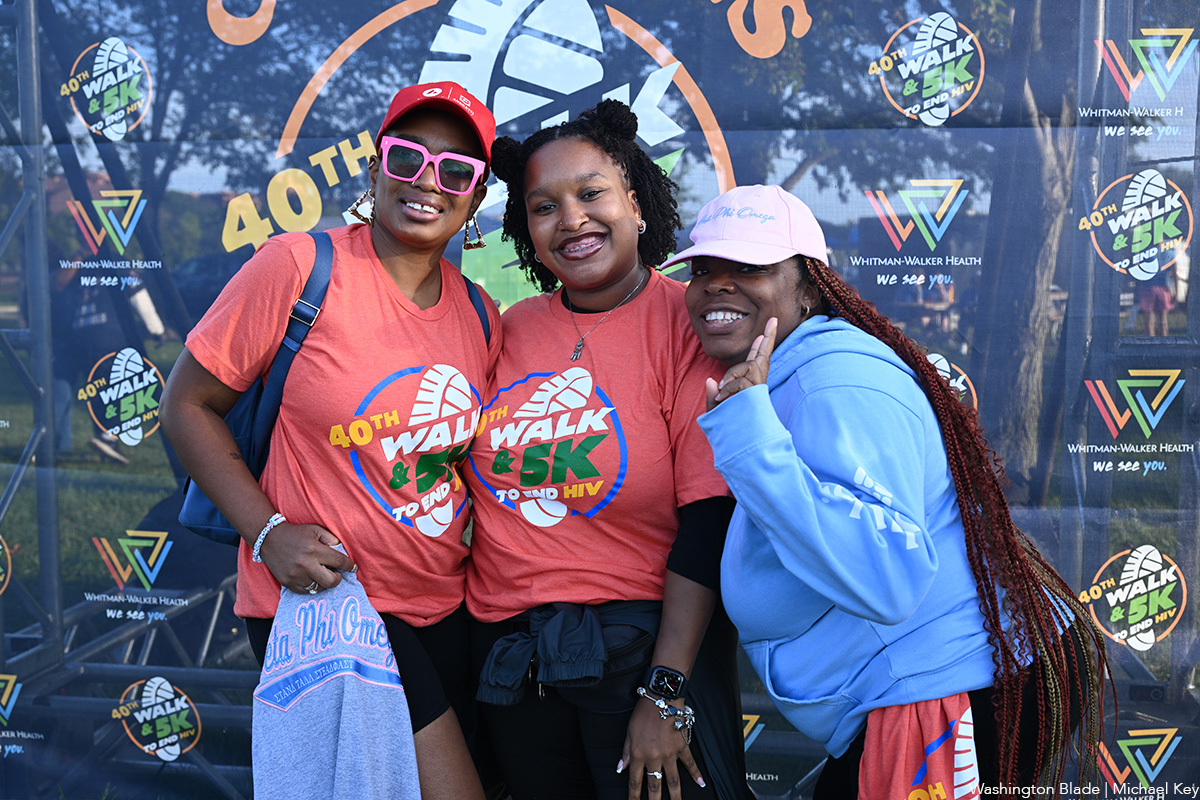
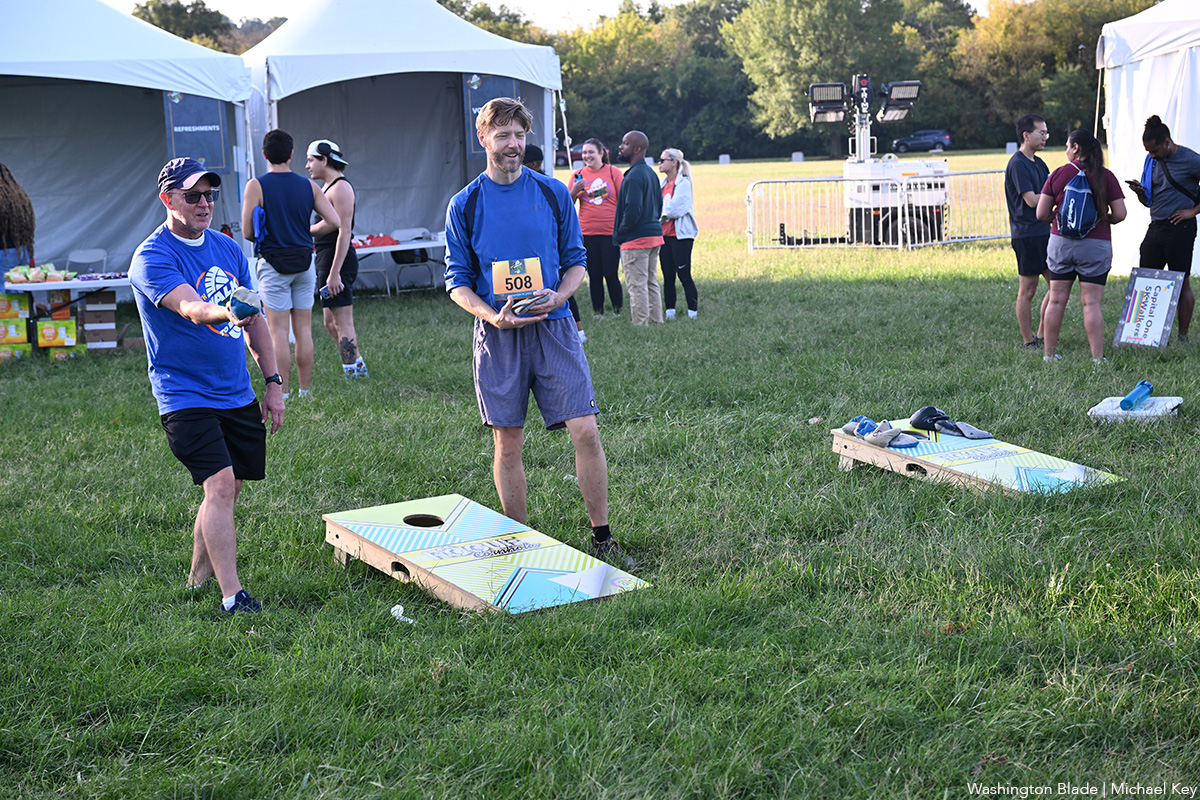
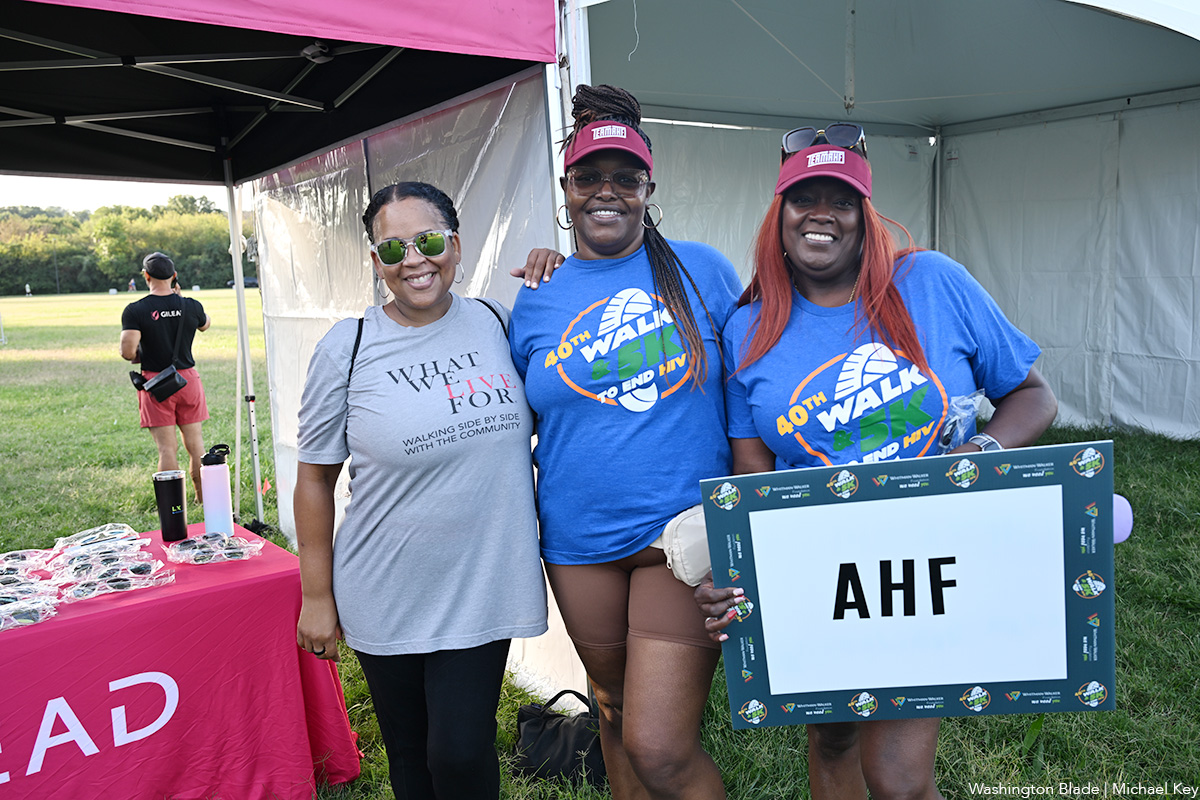
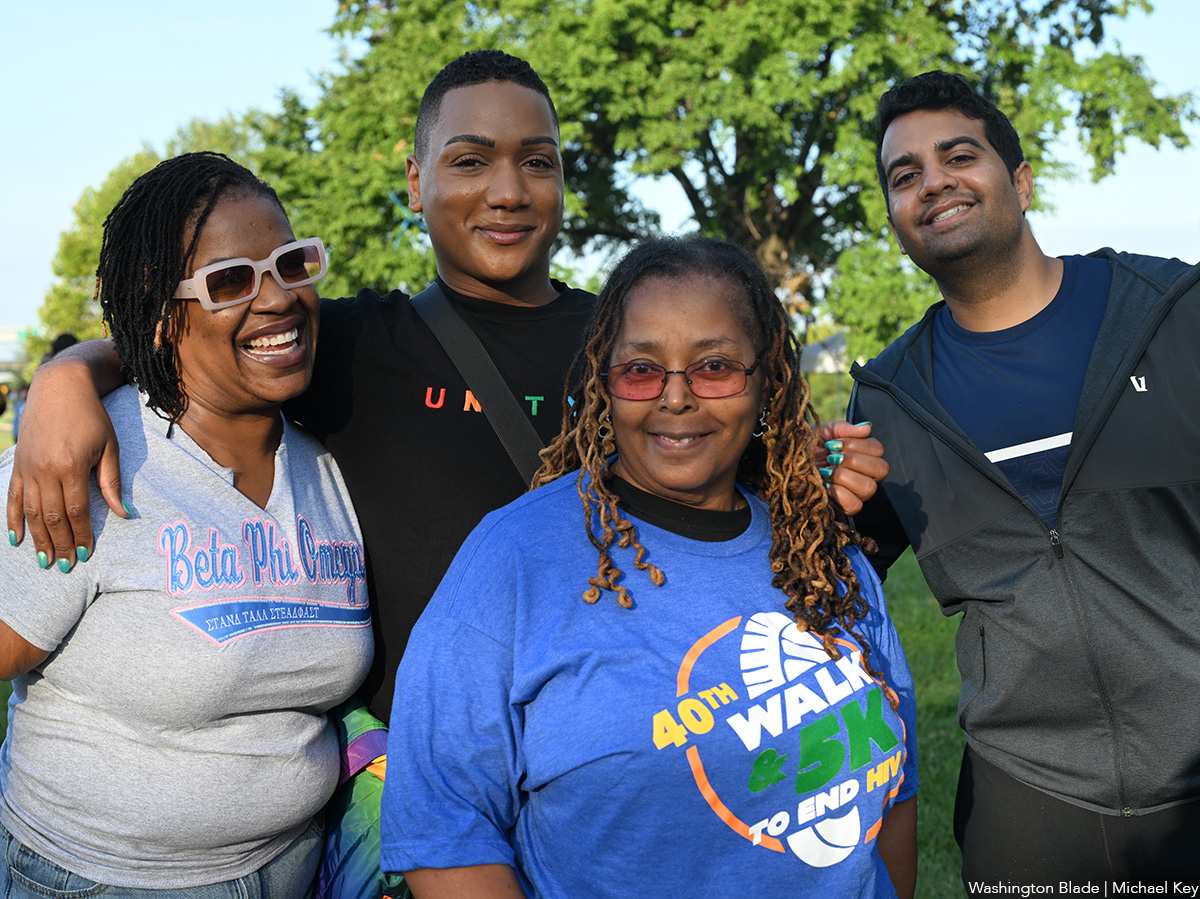
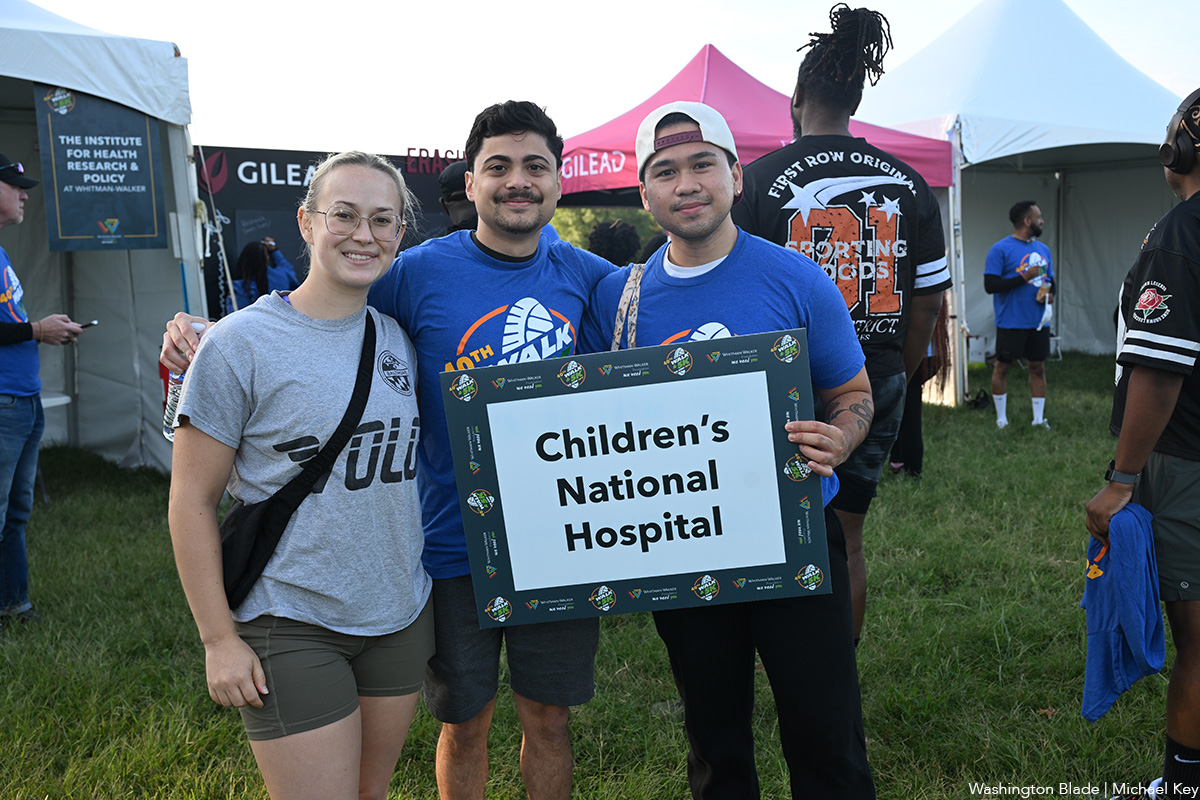
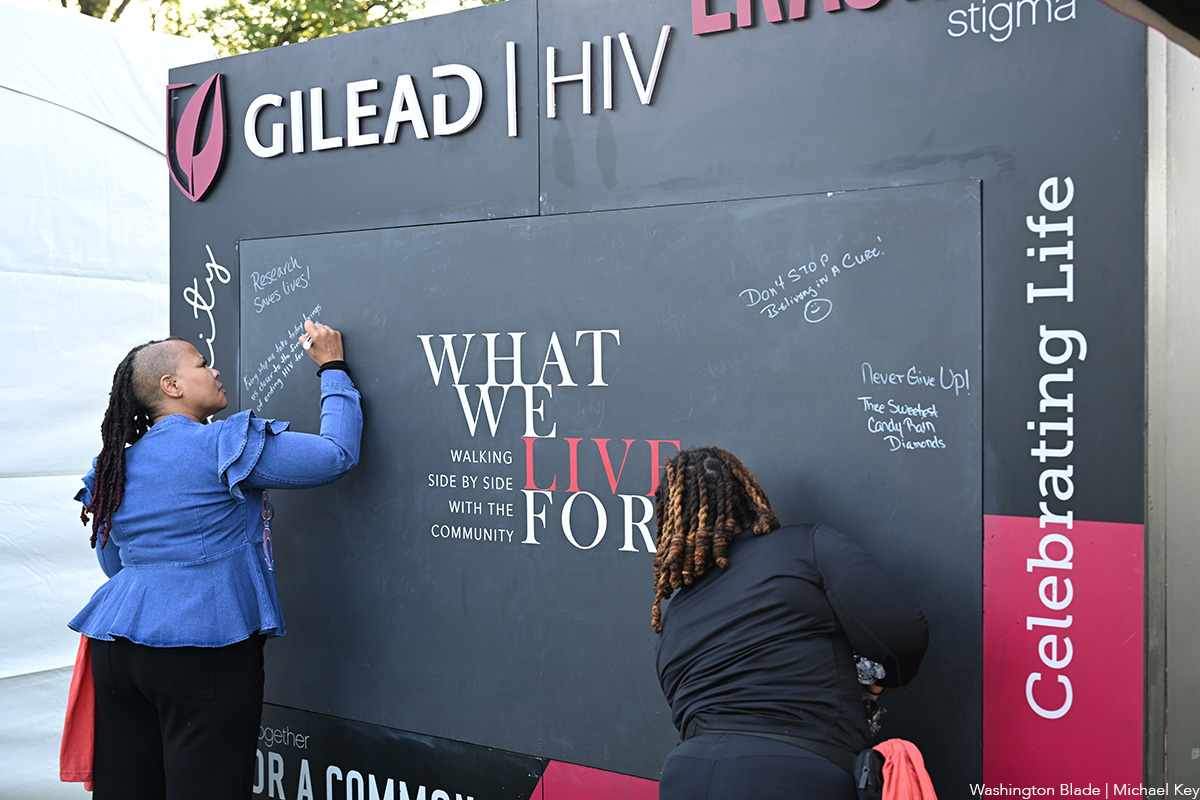
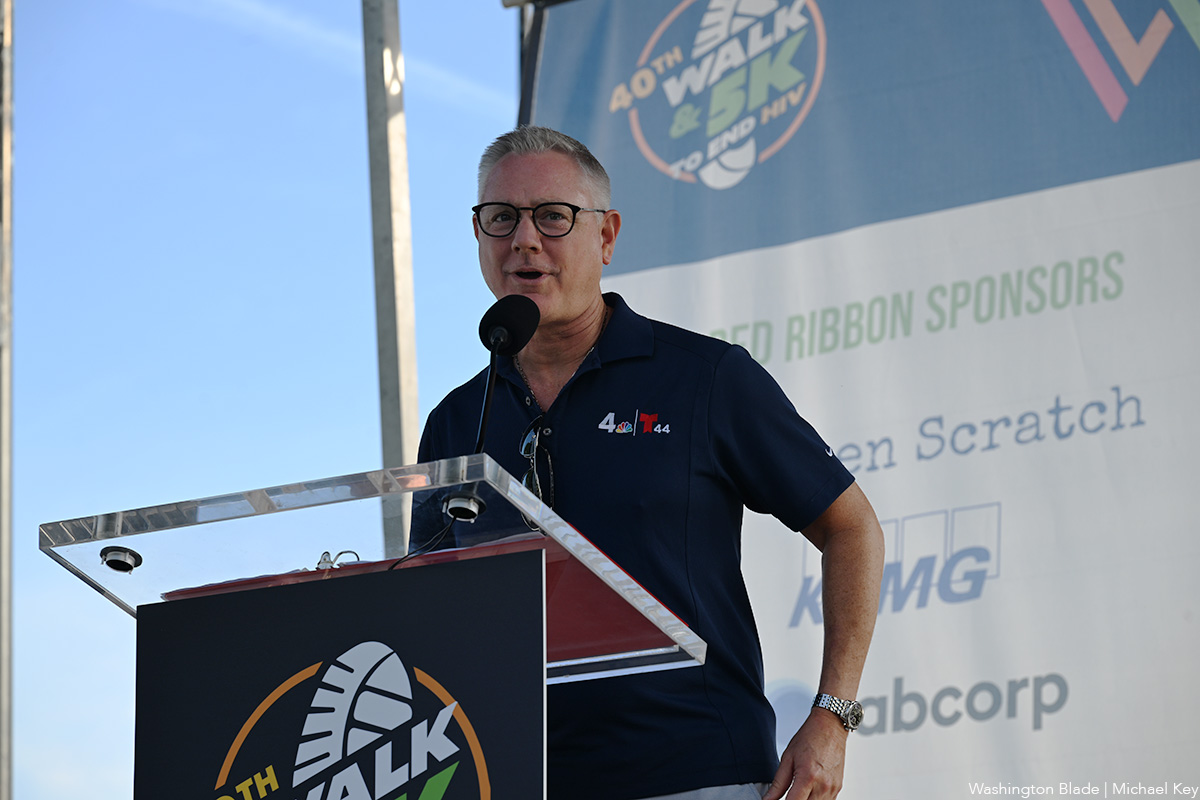
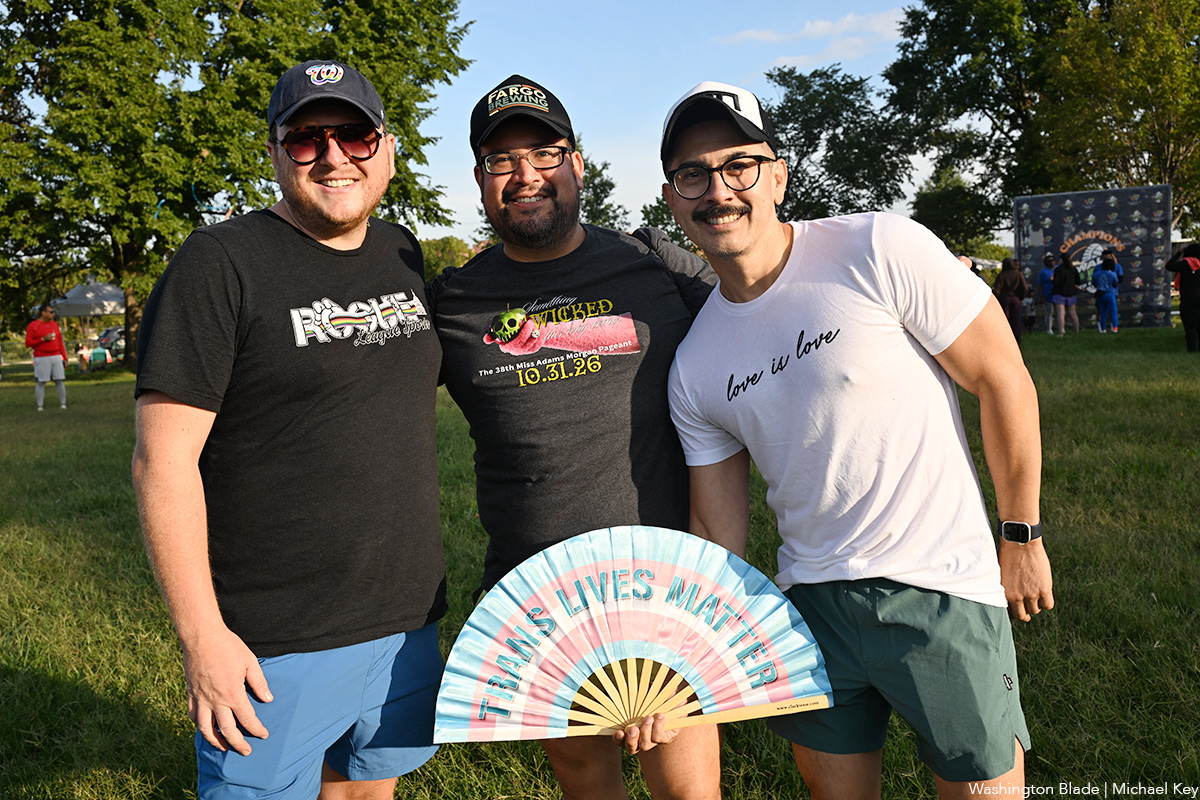
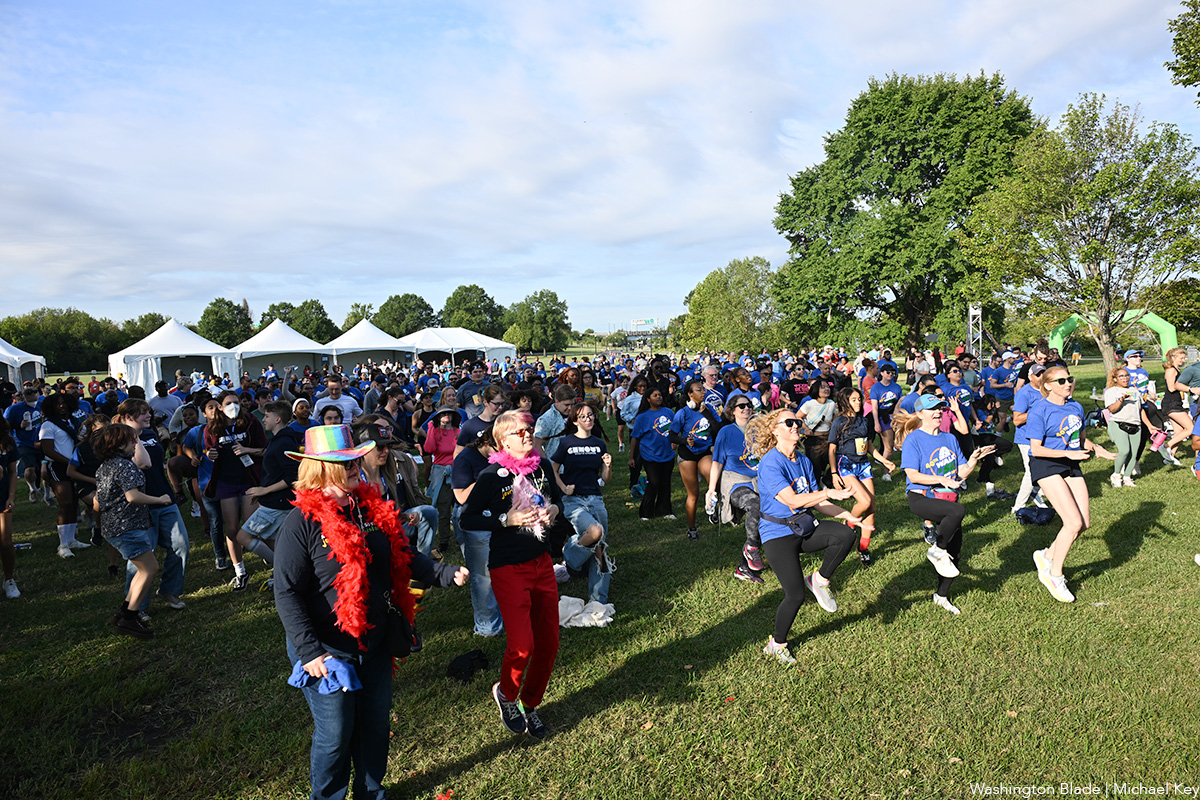
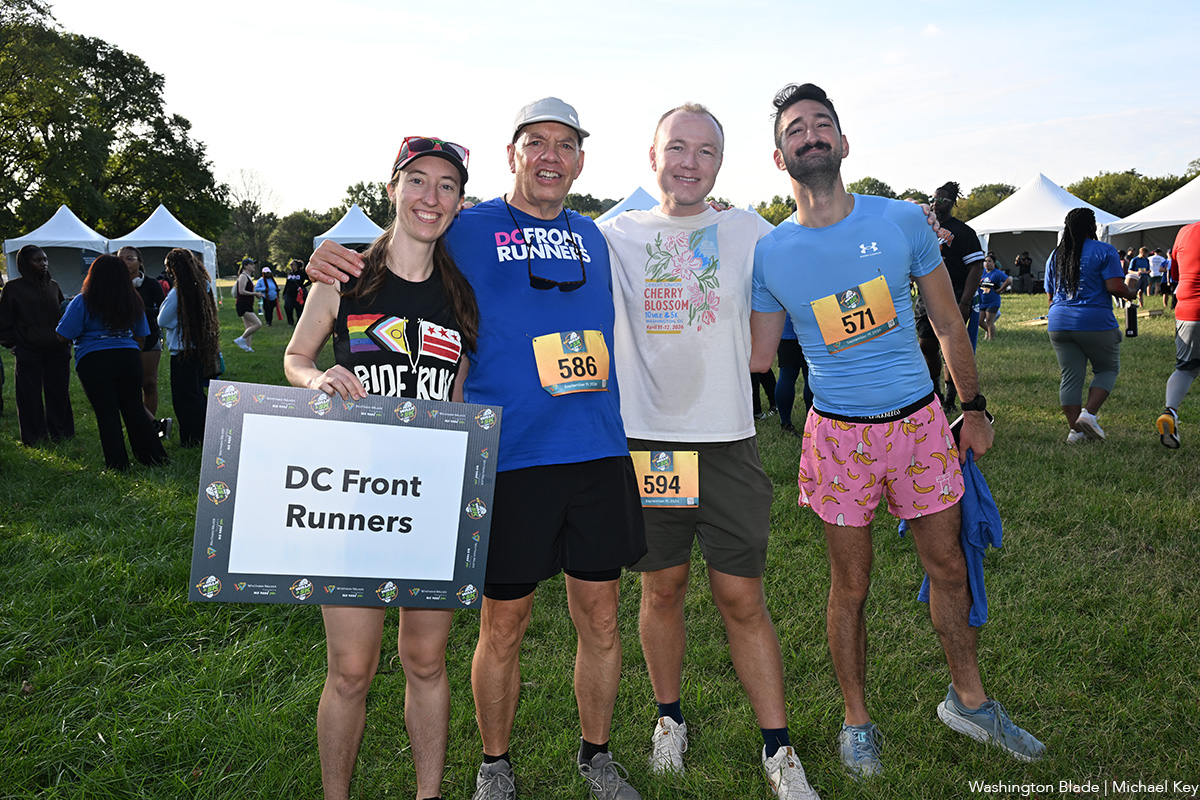
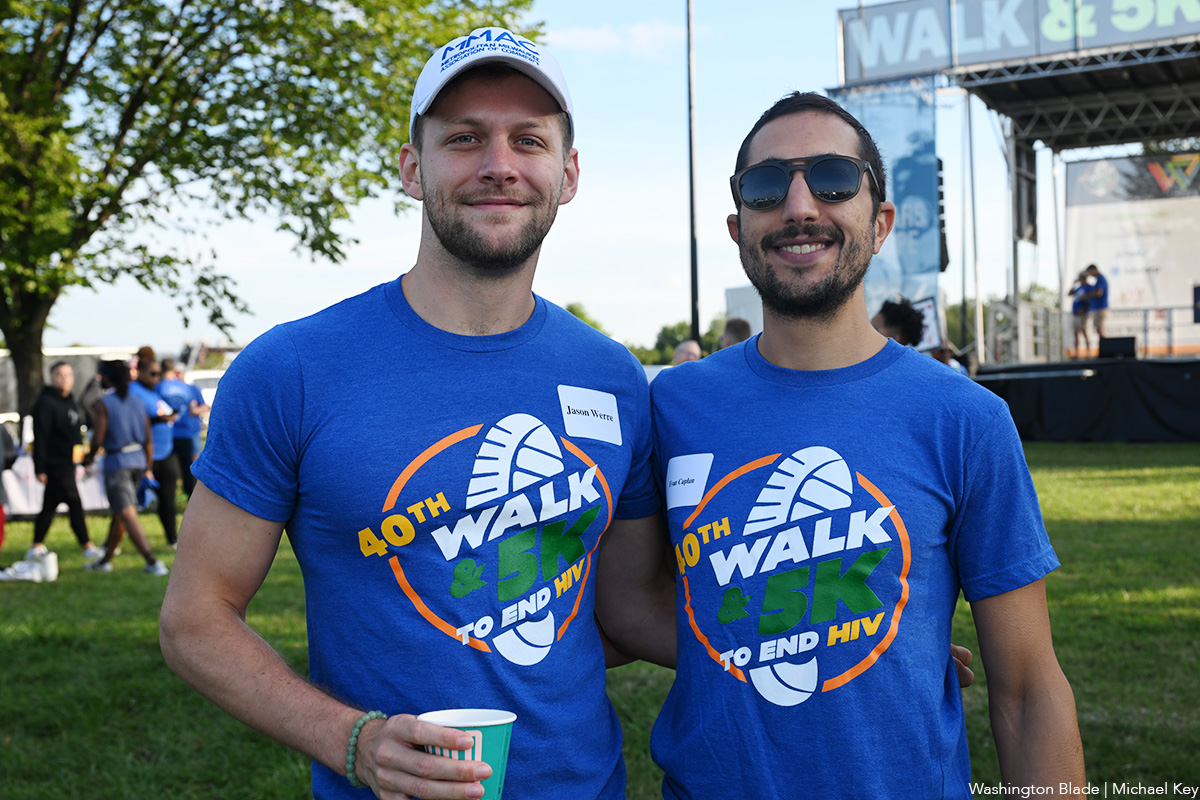
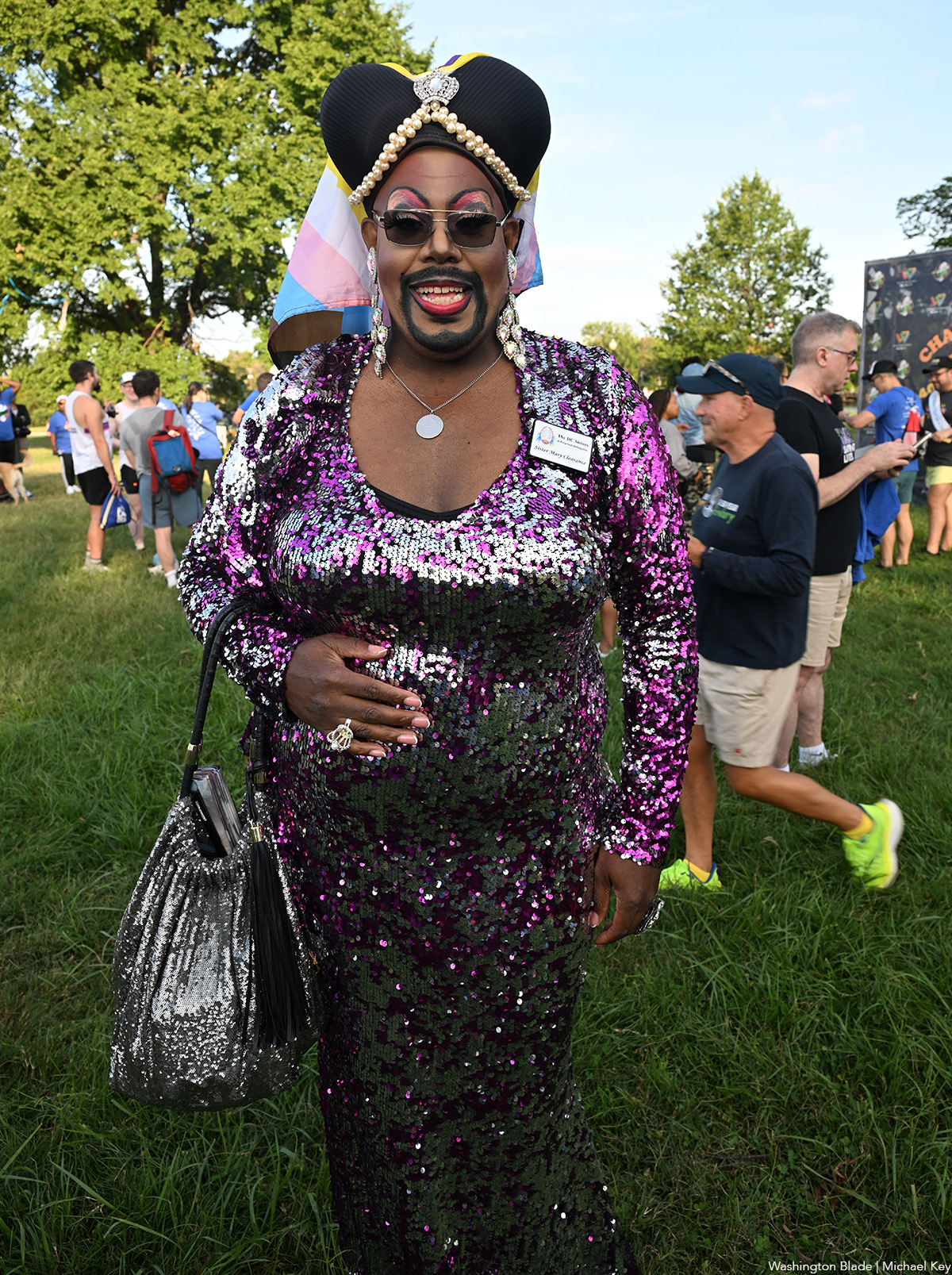
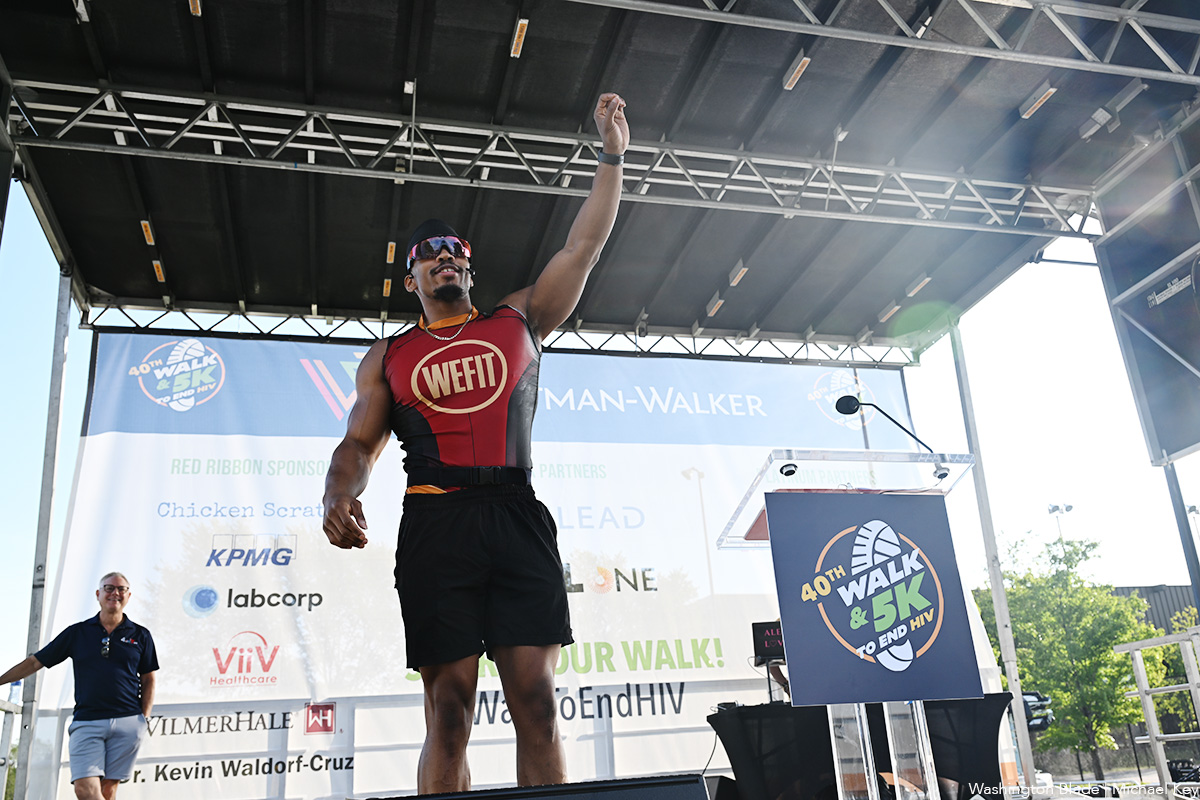
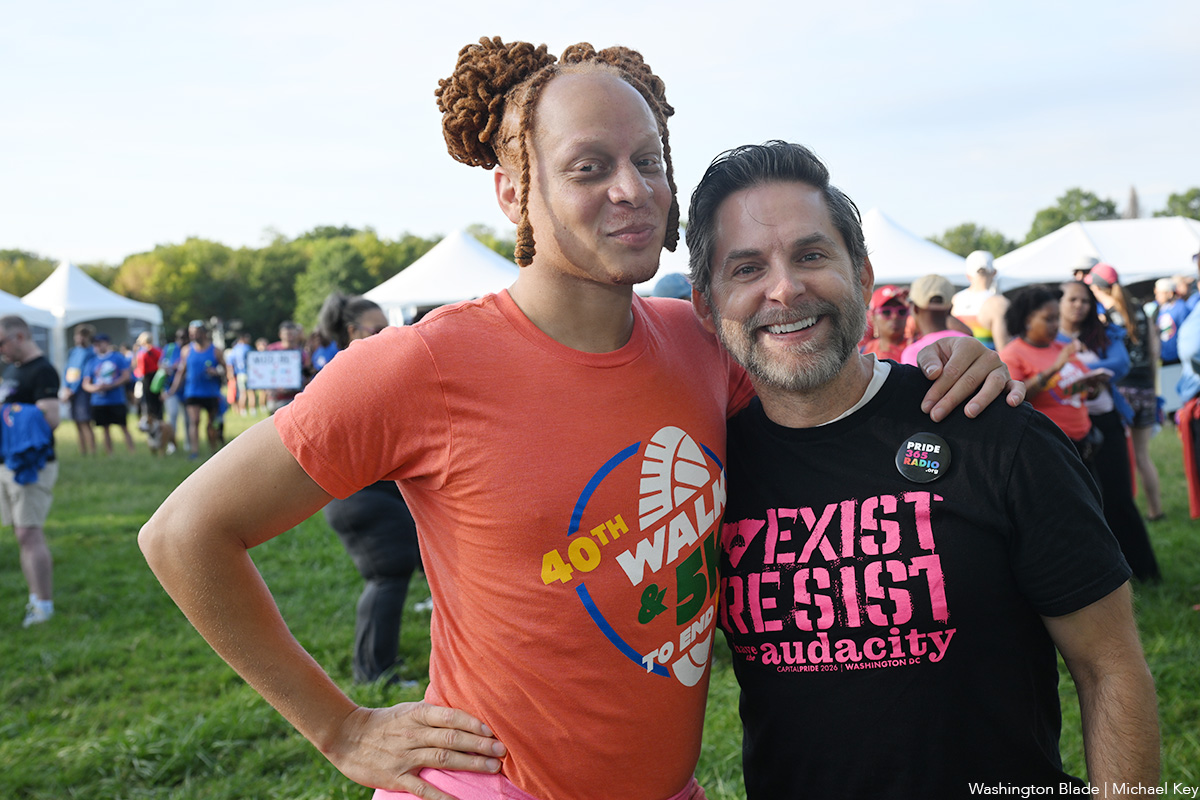
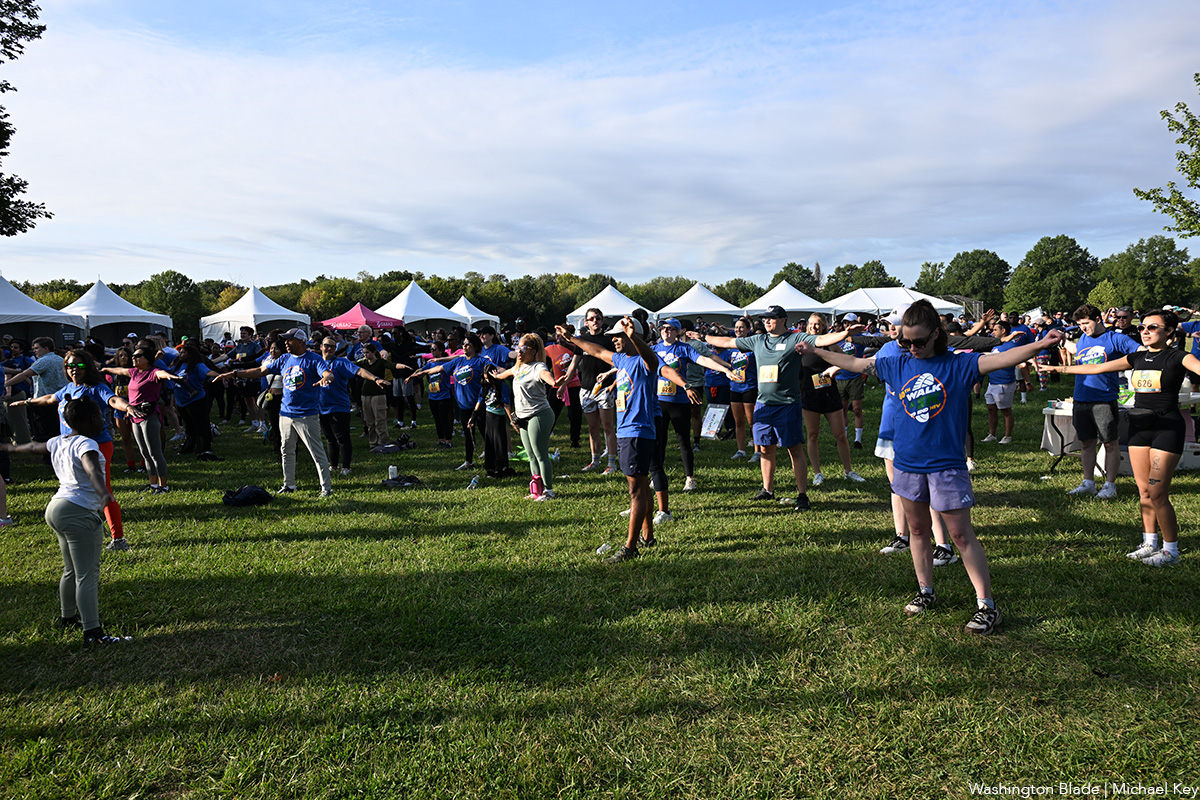
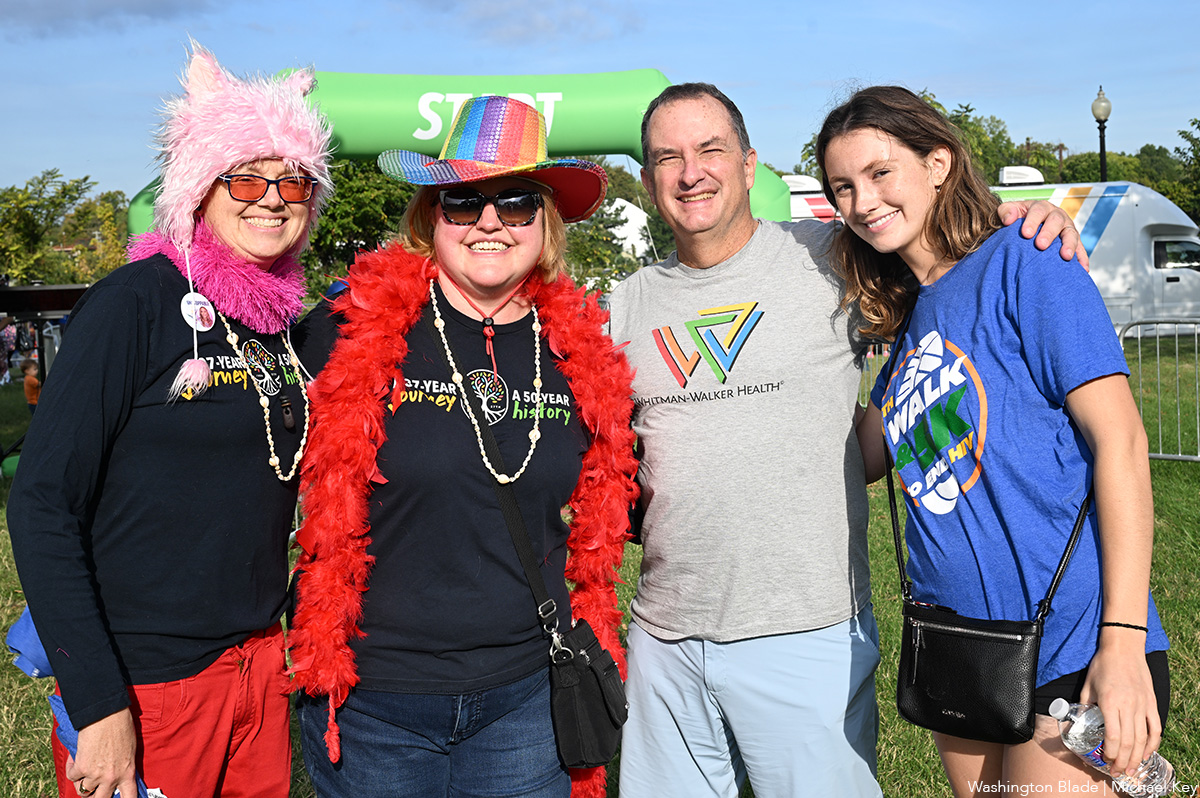
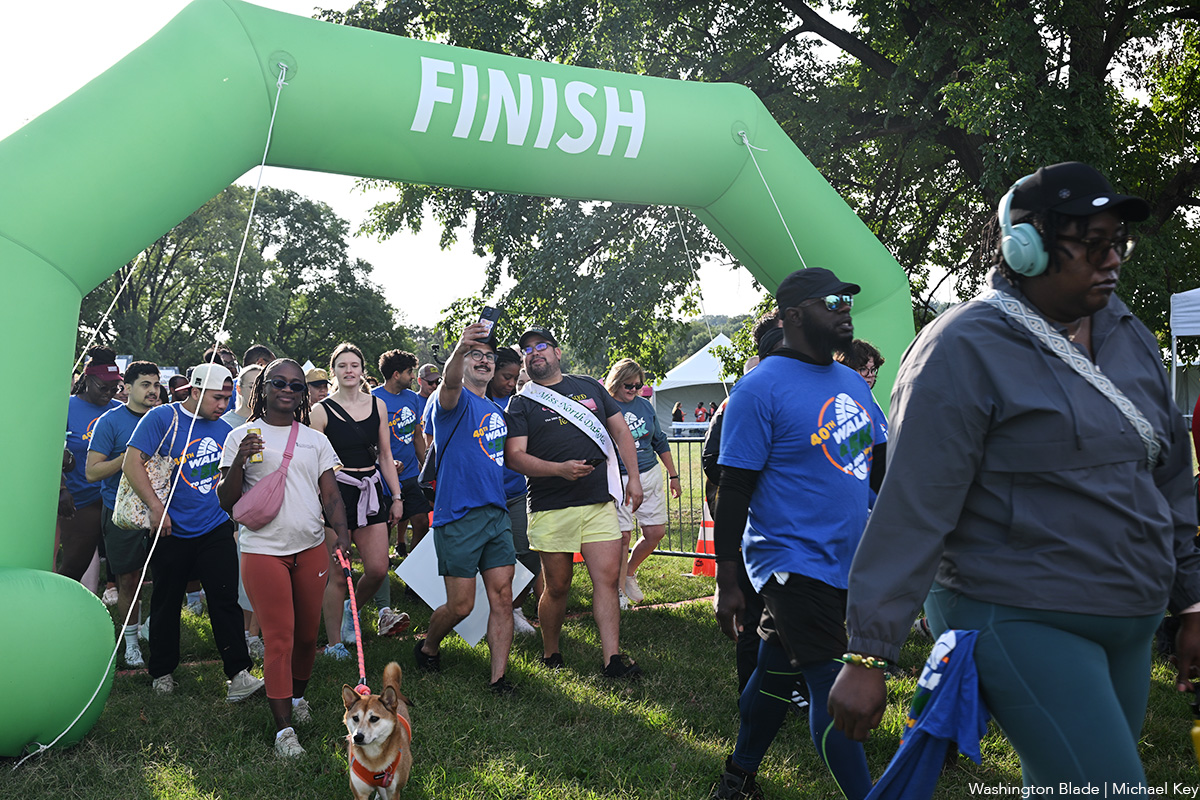
Whitman-Walker Health held the 40th annual Walk and 5K to End HIV at Anacostia Park on Saturday, Sept. 19.
(Washington Blade photos by Michael Key)


Photos
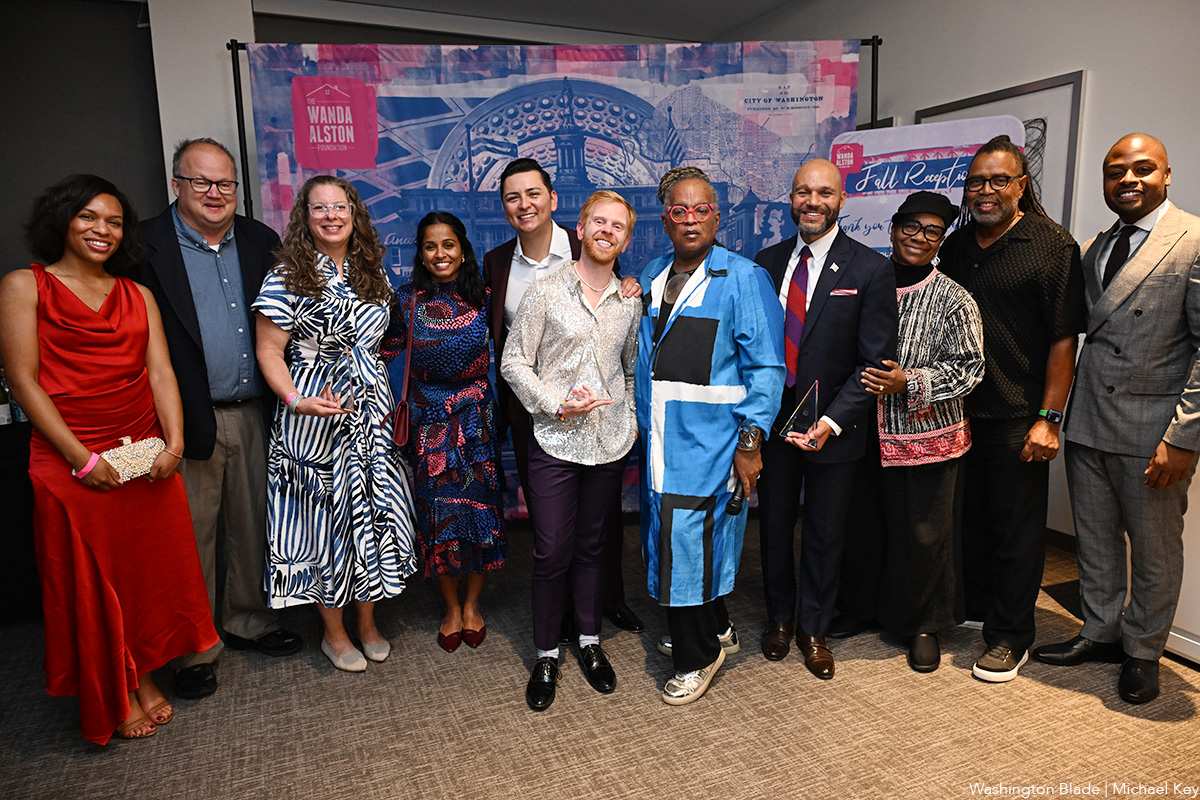
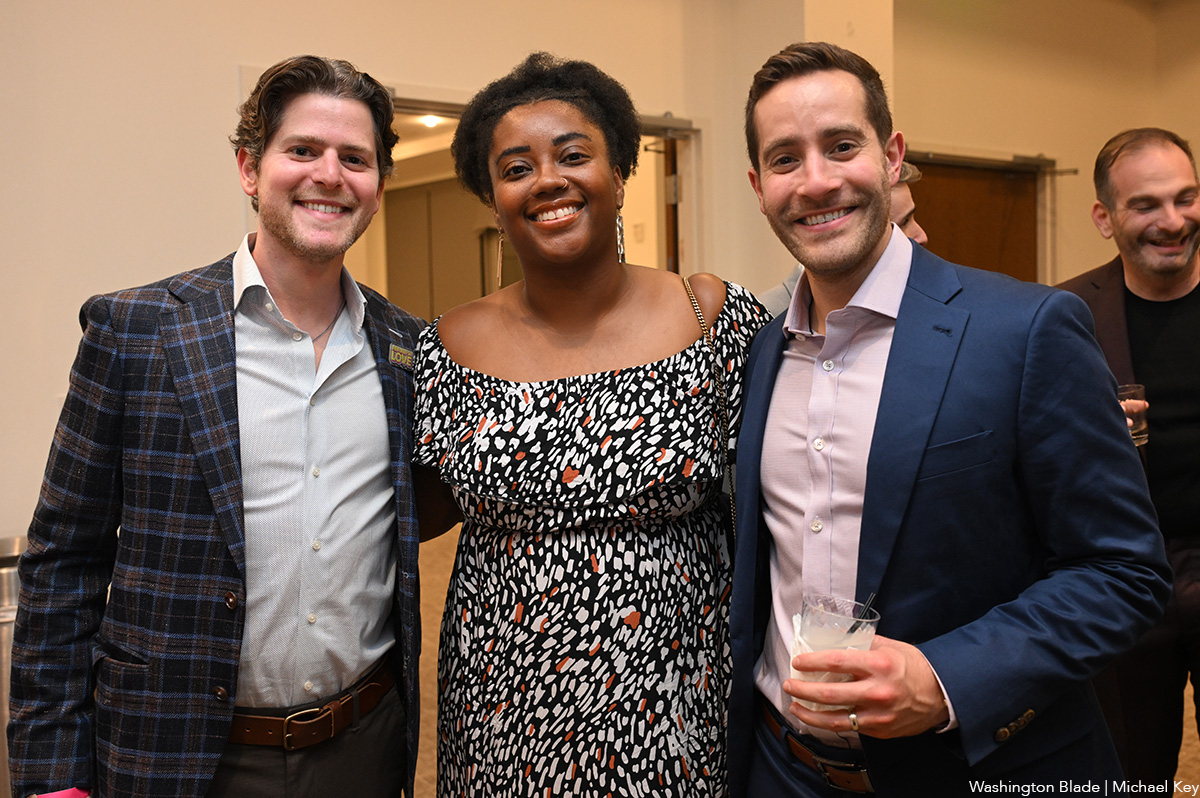
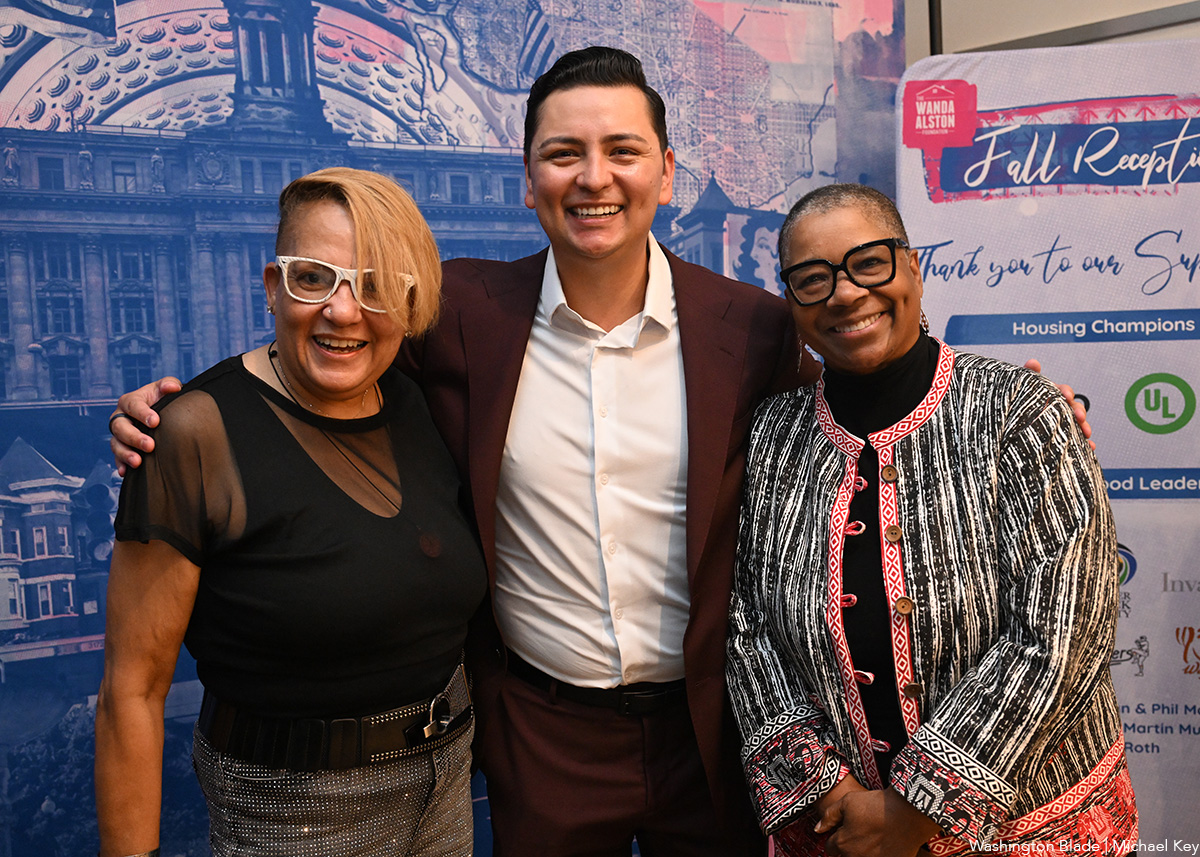
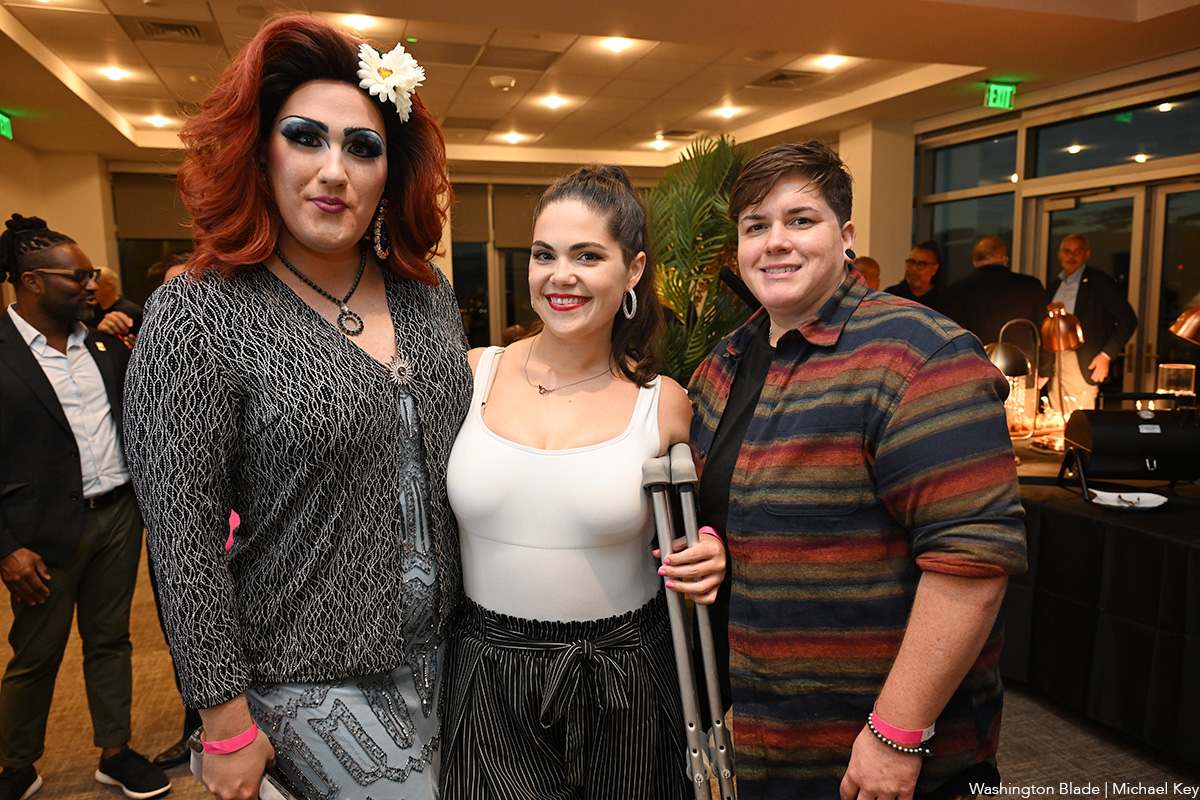
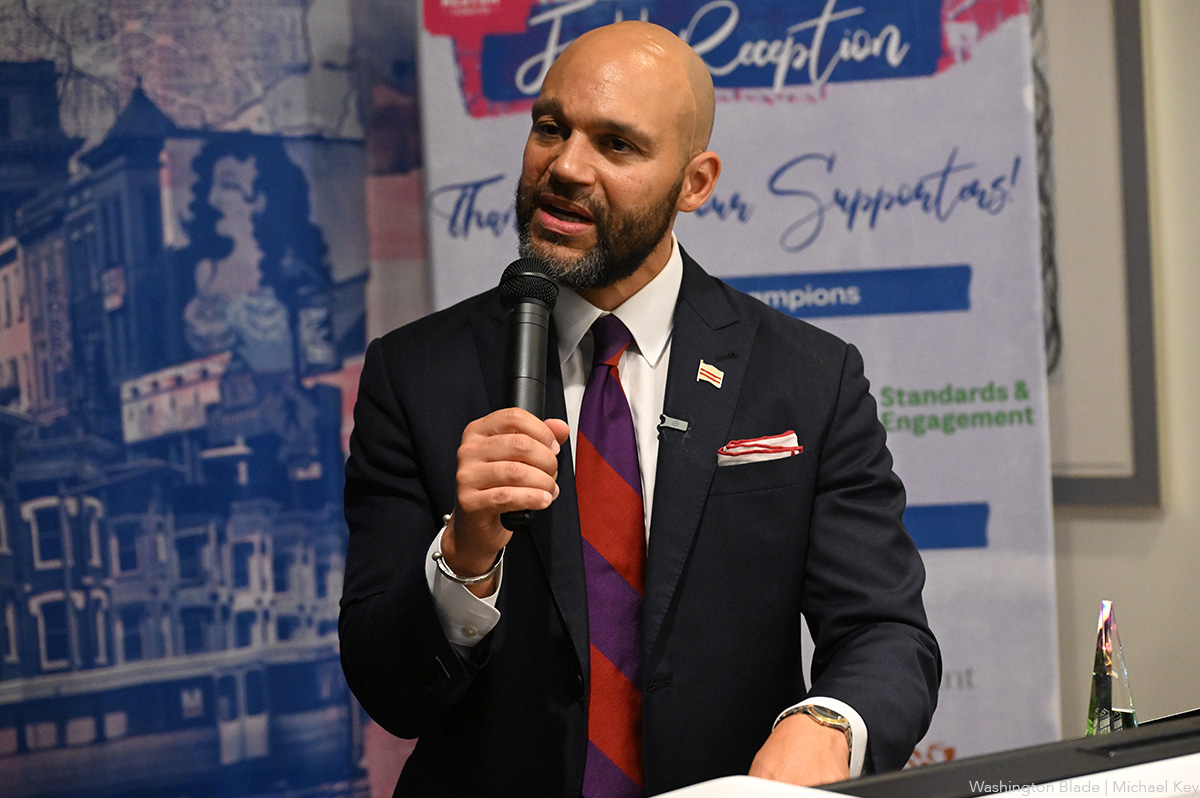
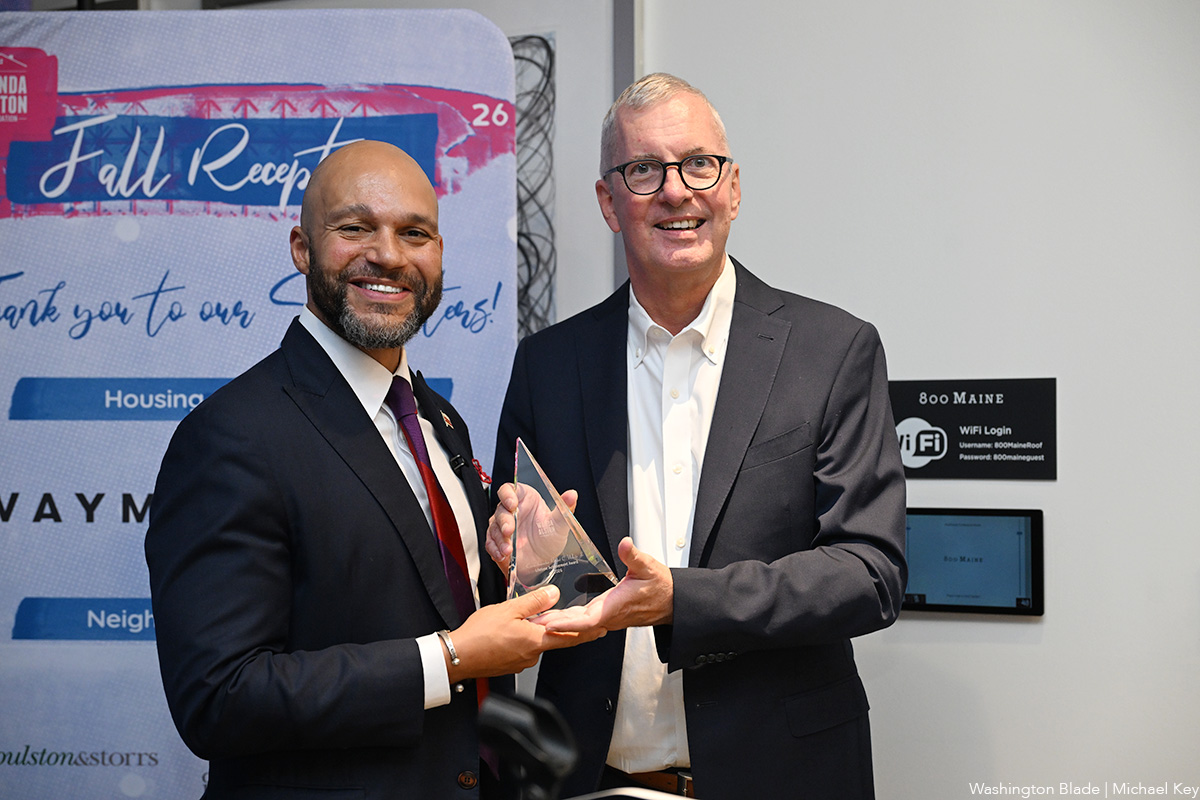
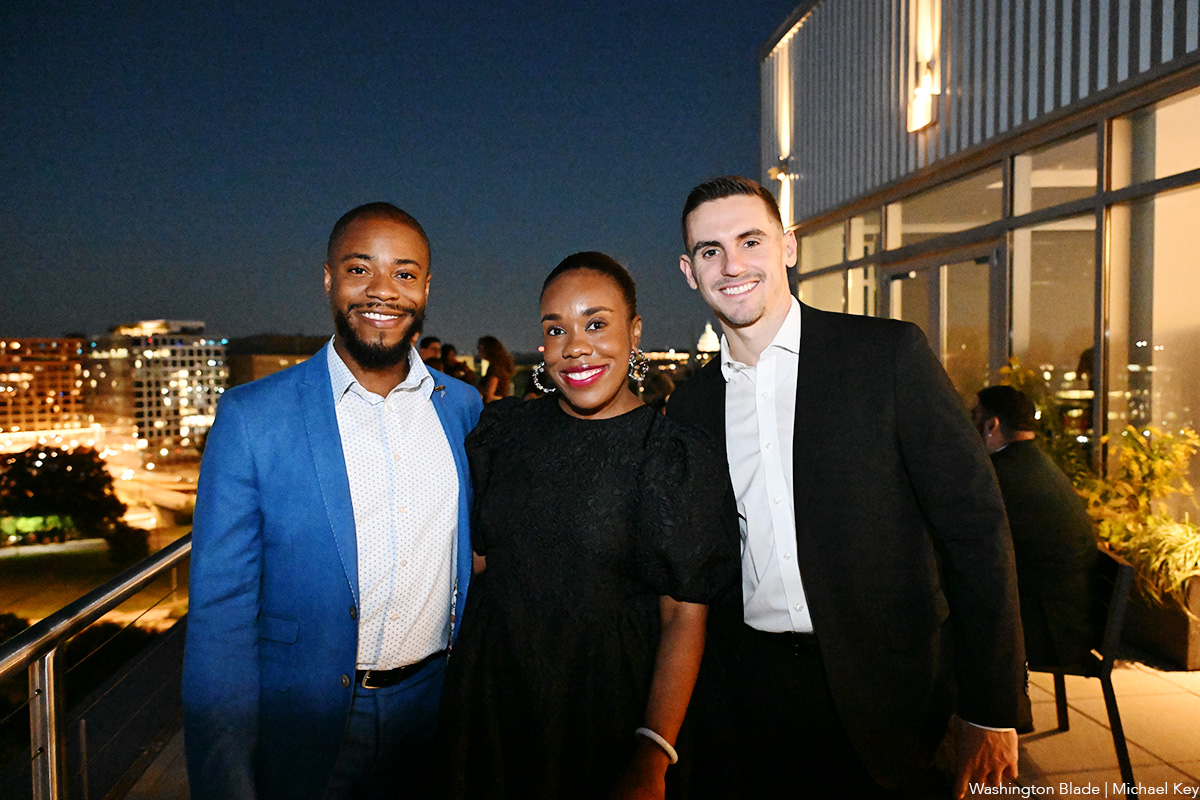
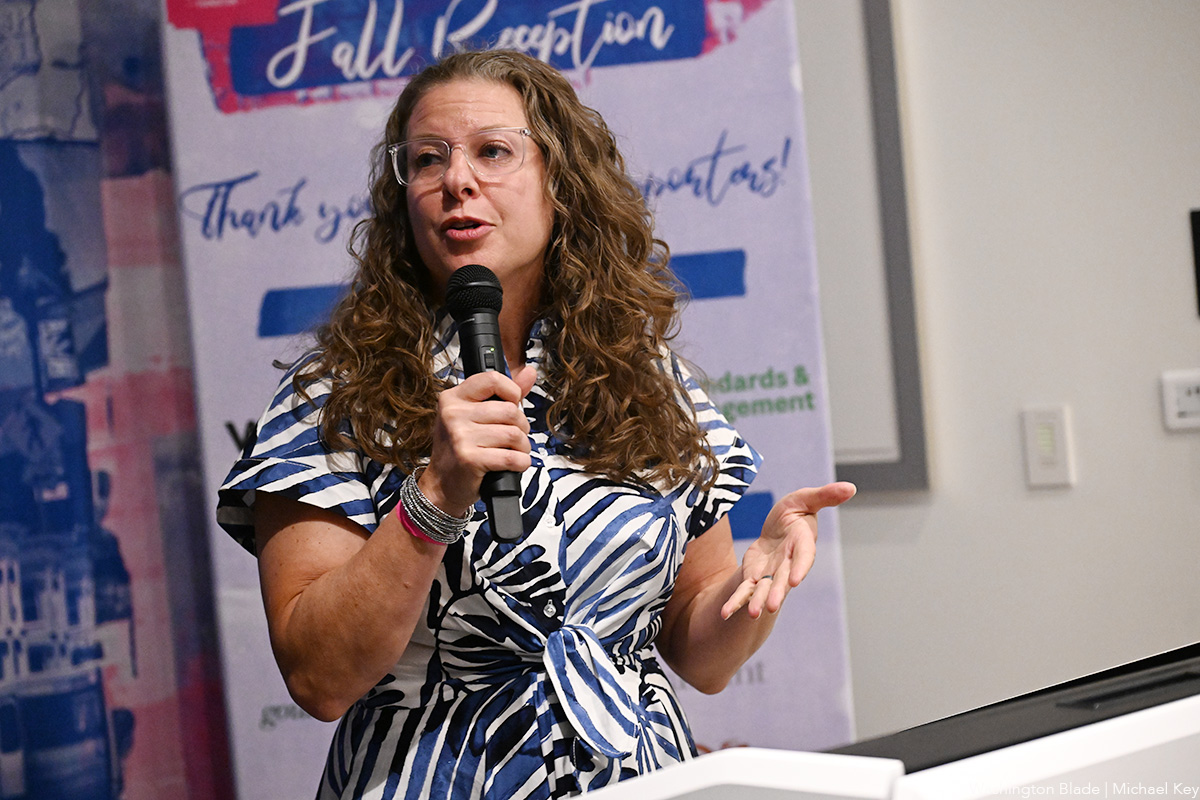
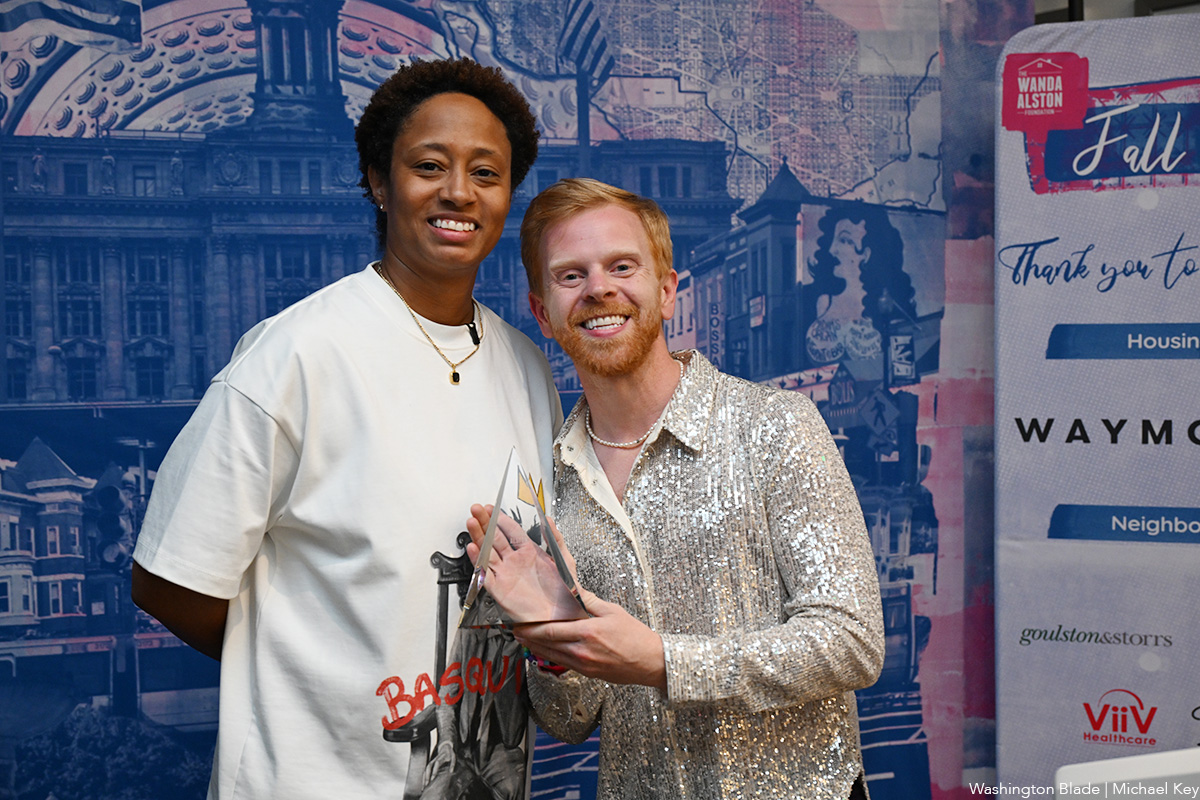
PHOTOS: Wanda Alston Foundation Fall Reception
LGBTQ youth services organization honors Robert White, Japer Bowles, Washington Capitals
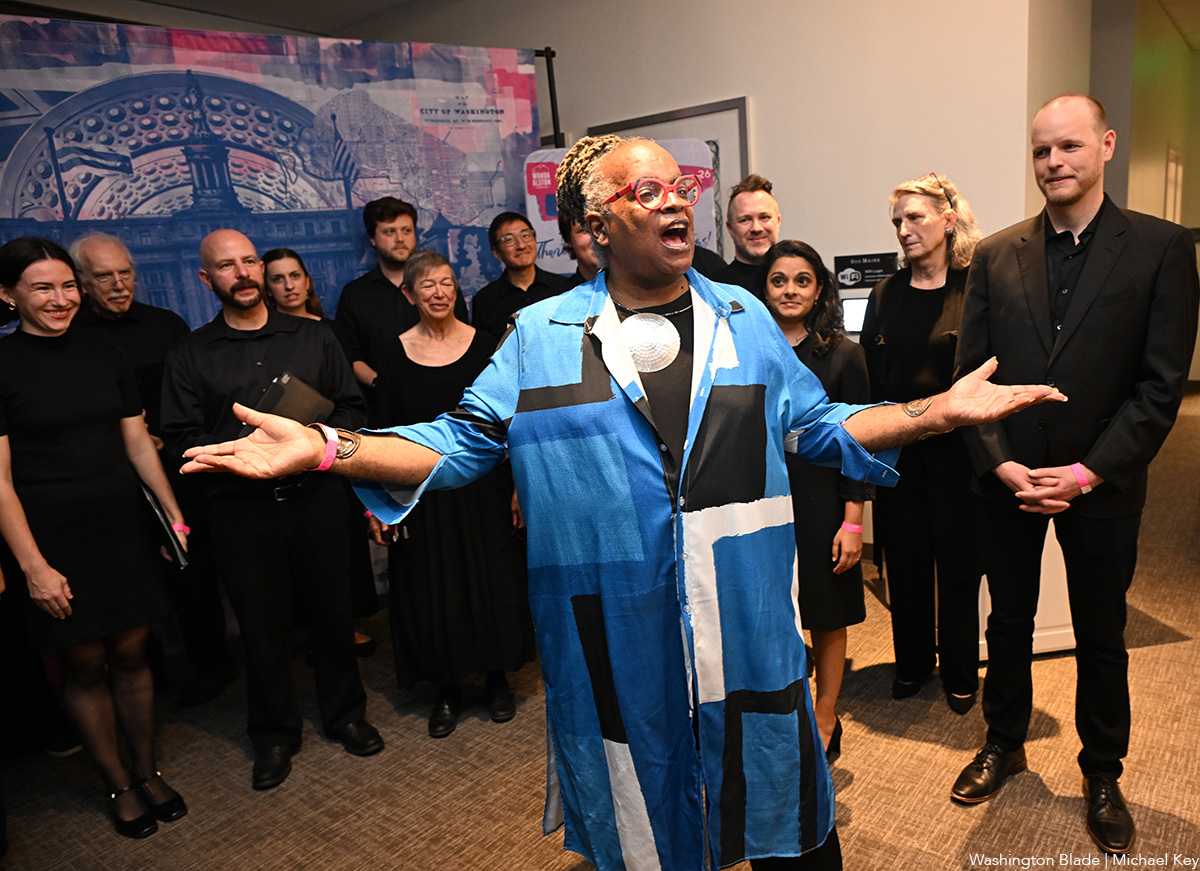
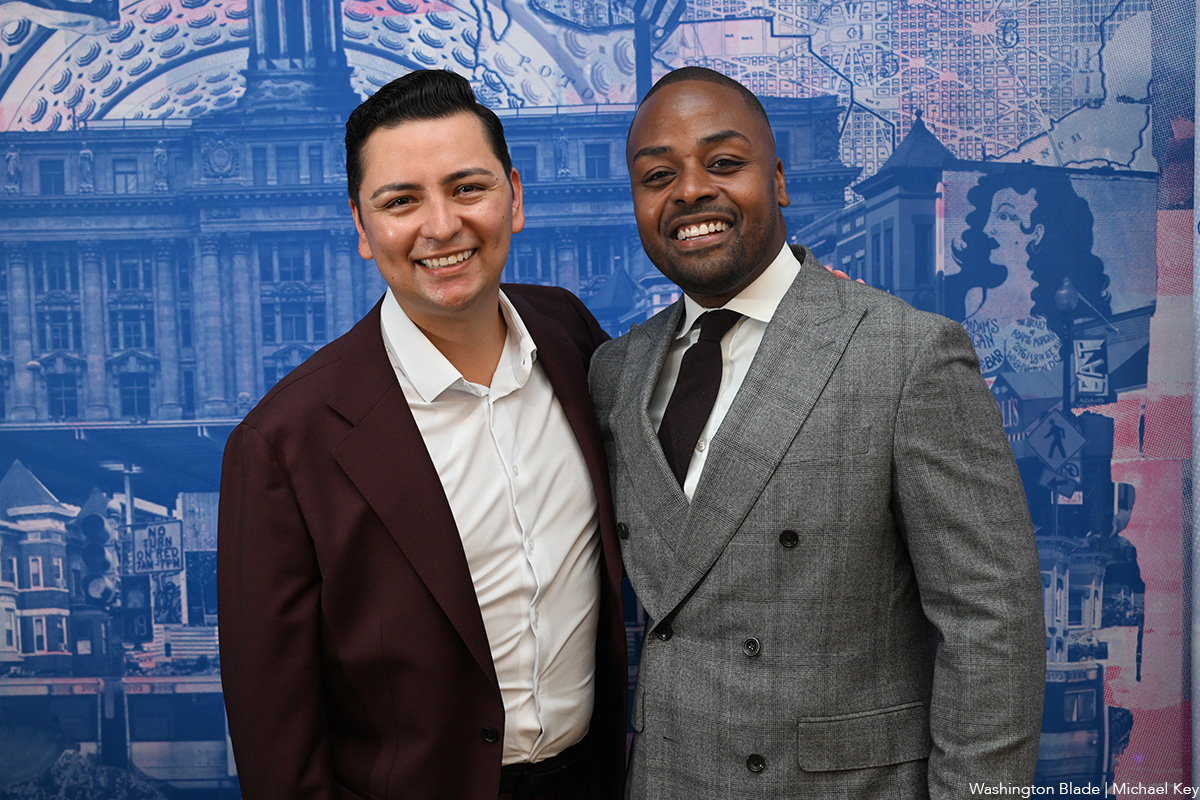
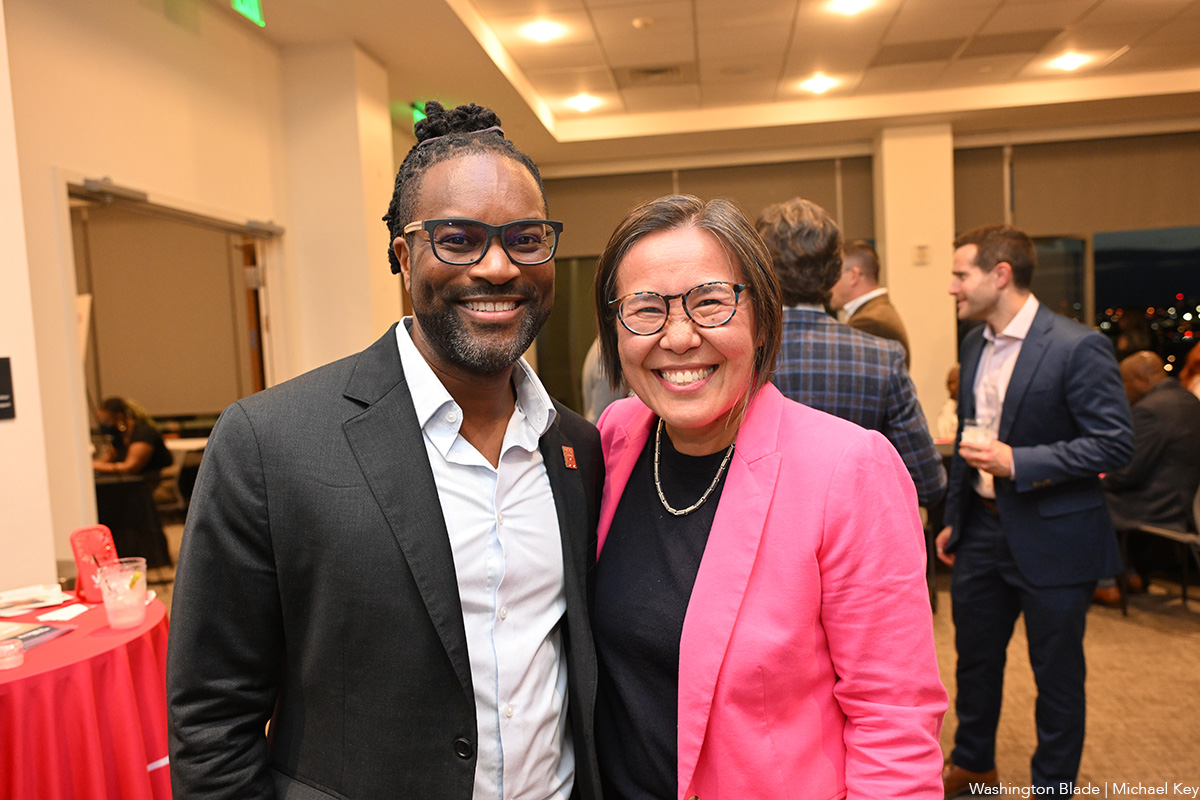
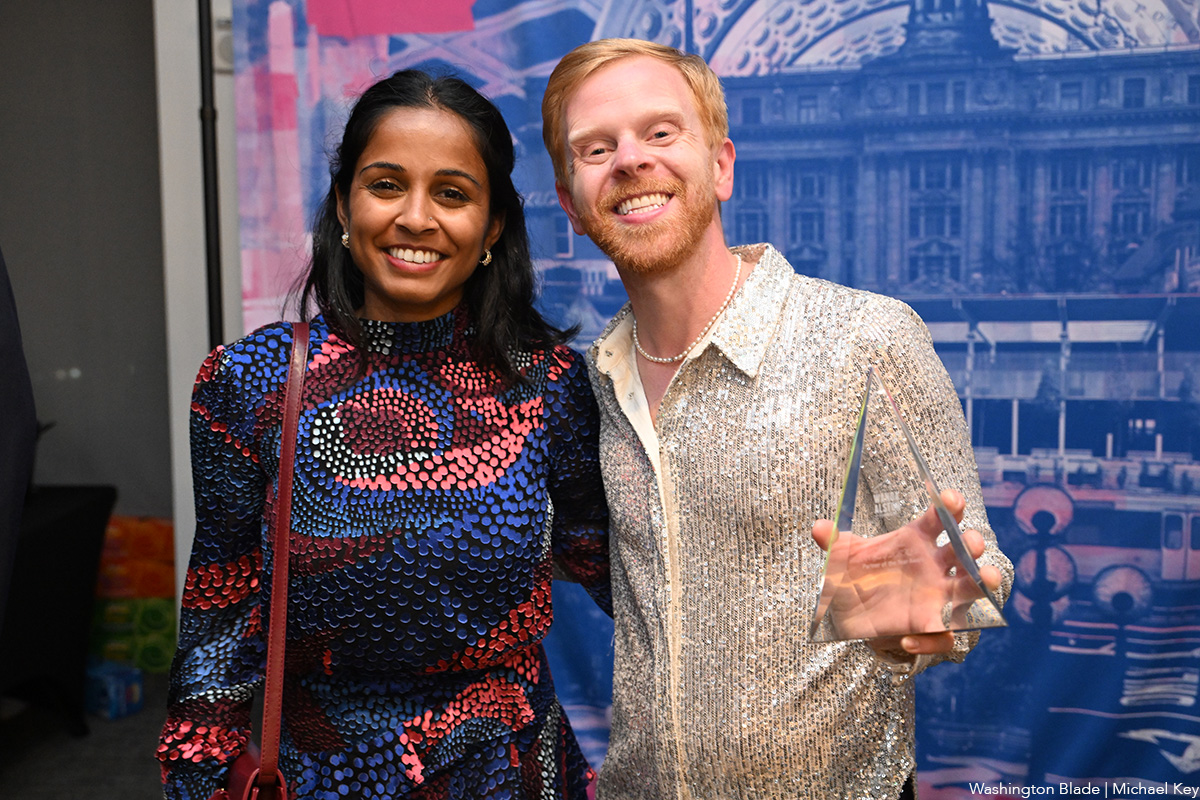
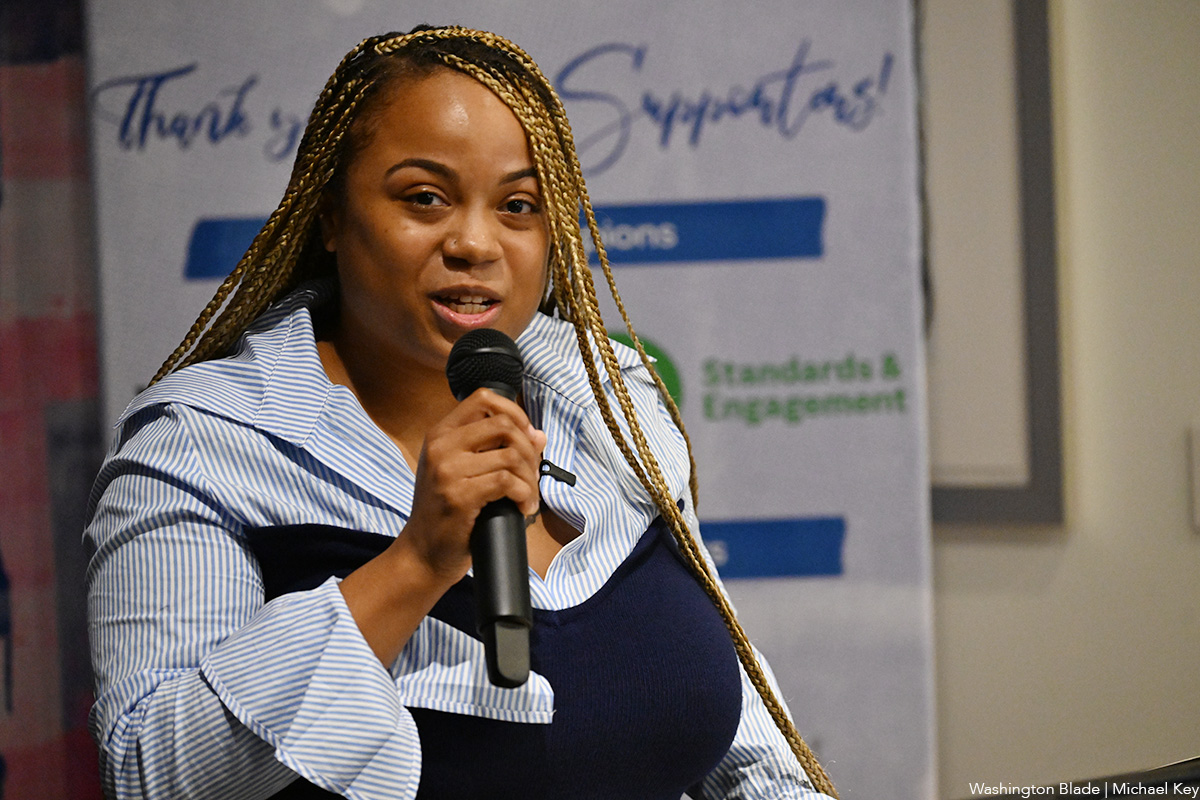
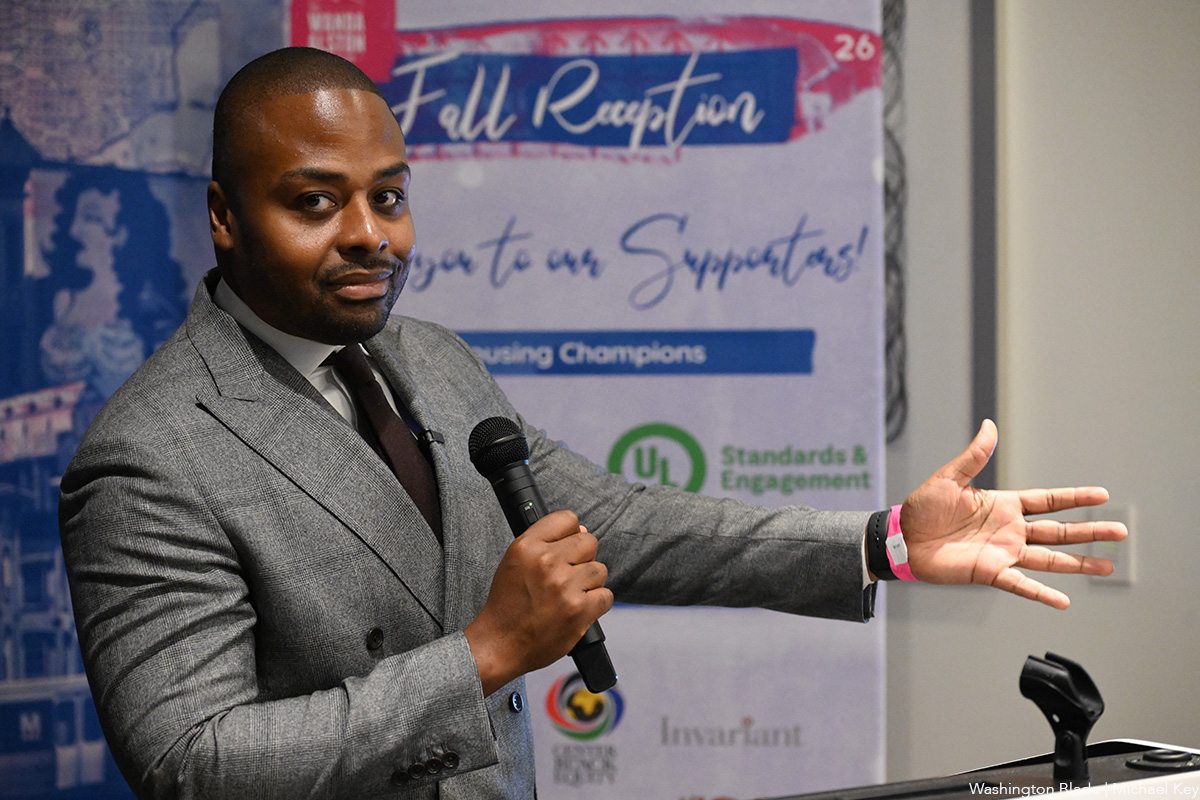
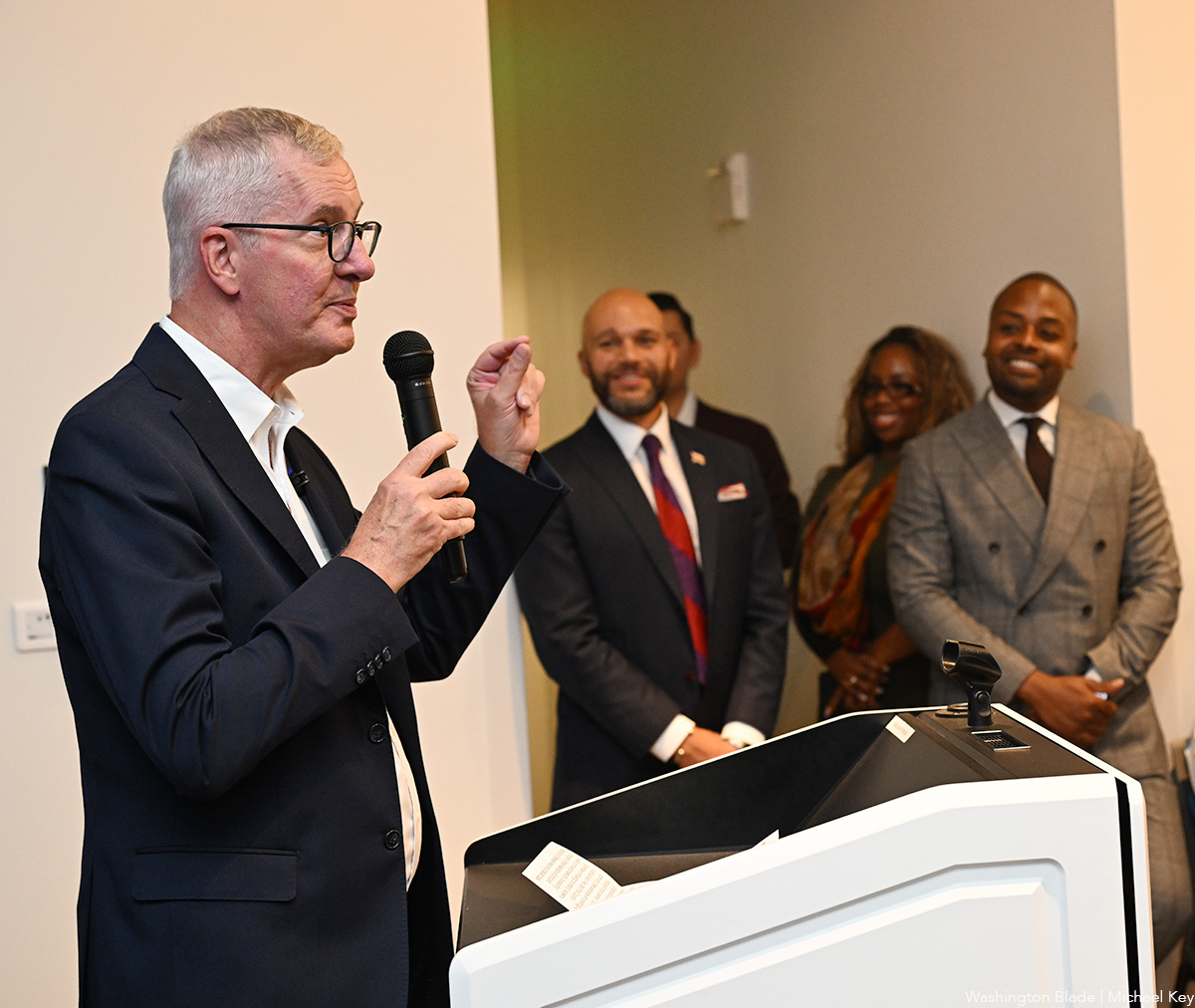
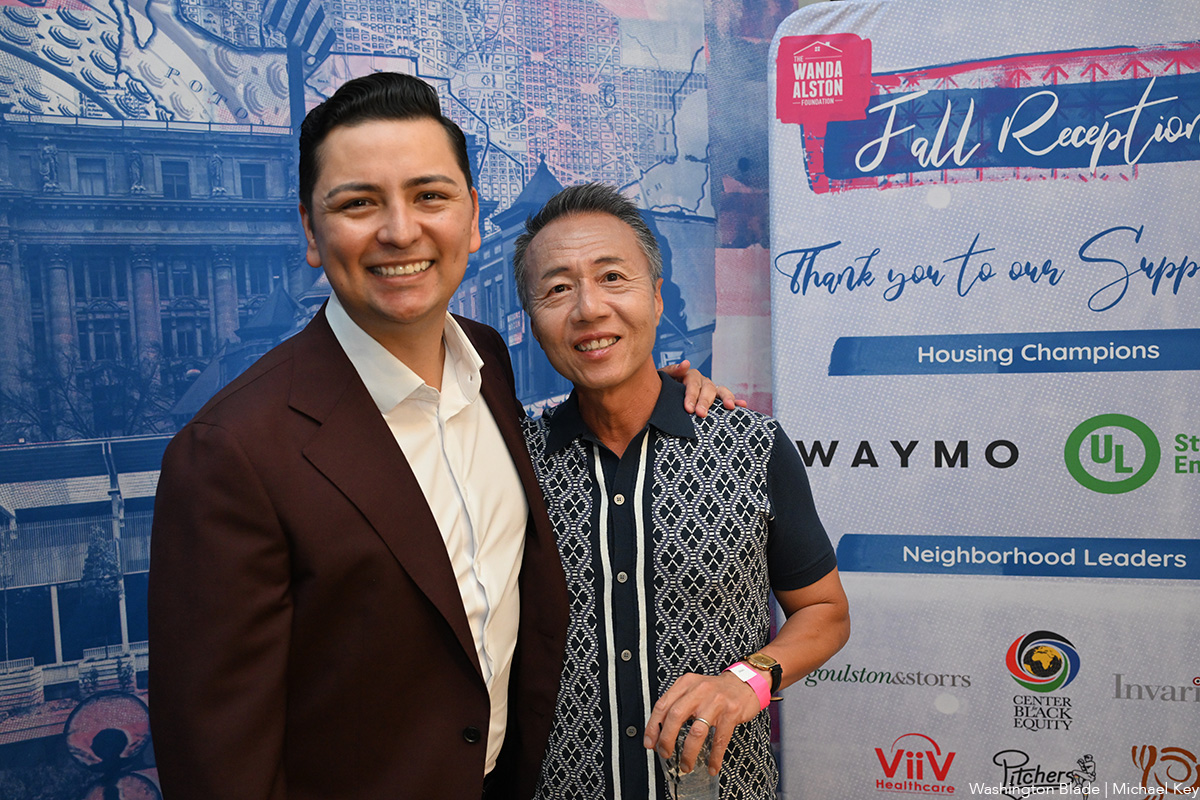
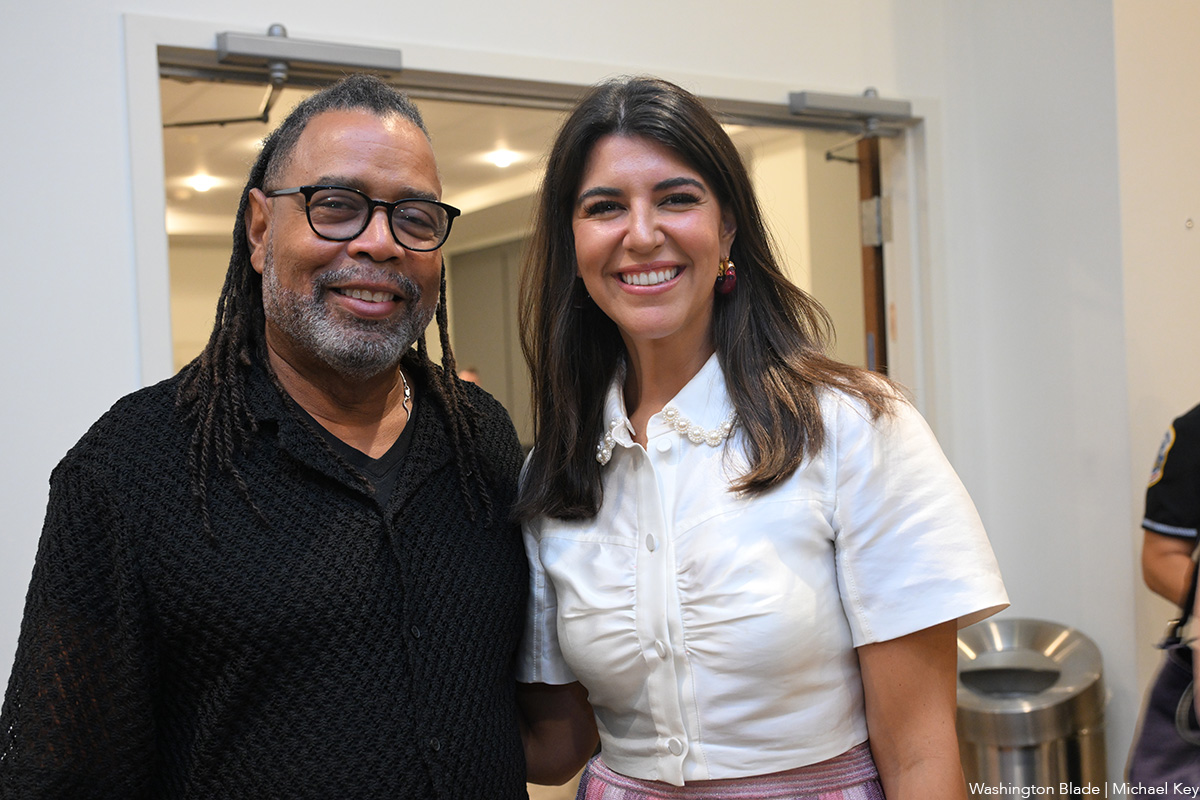
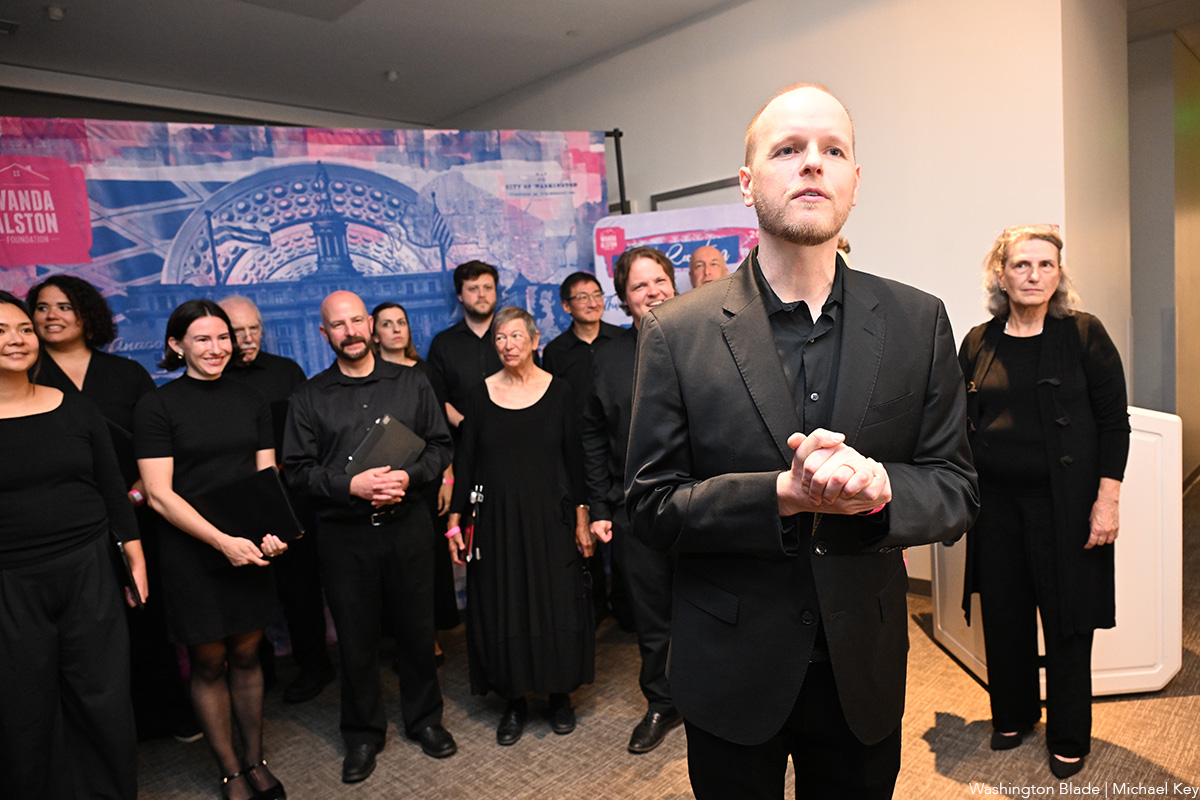
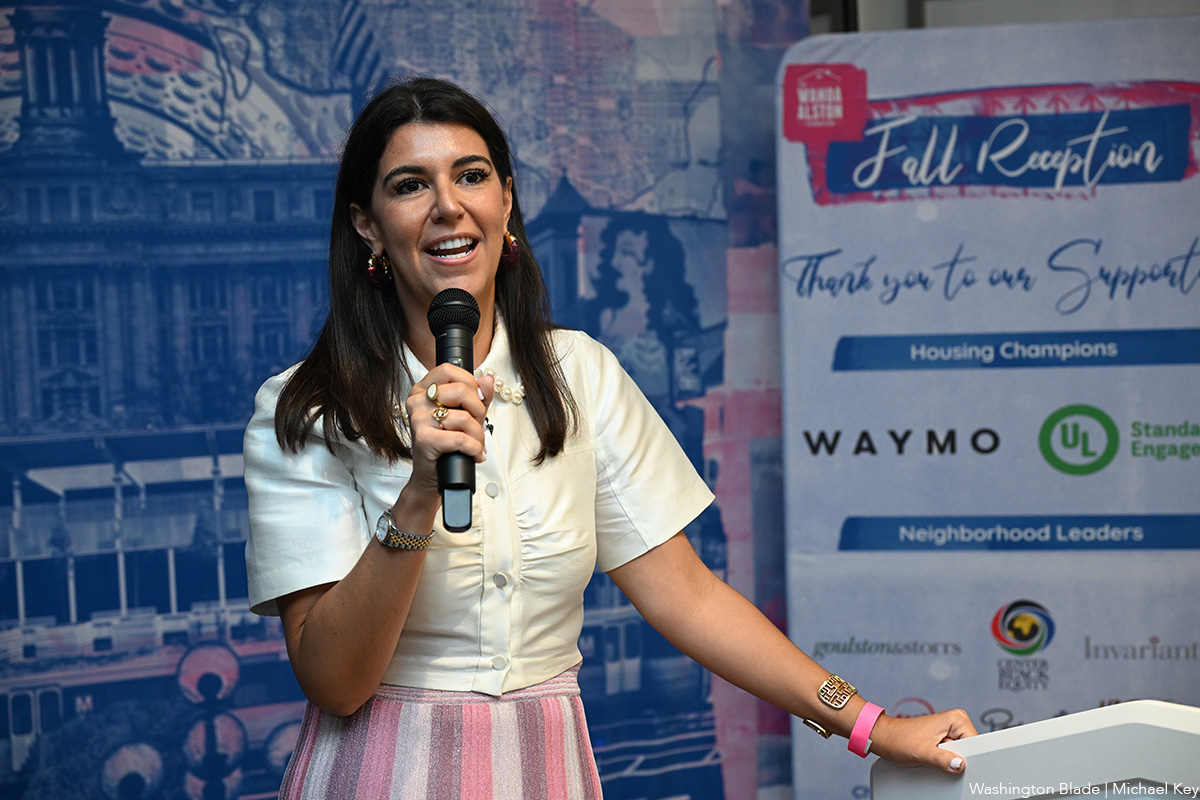
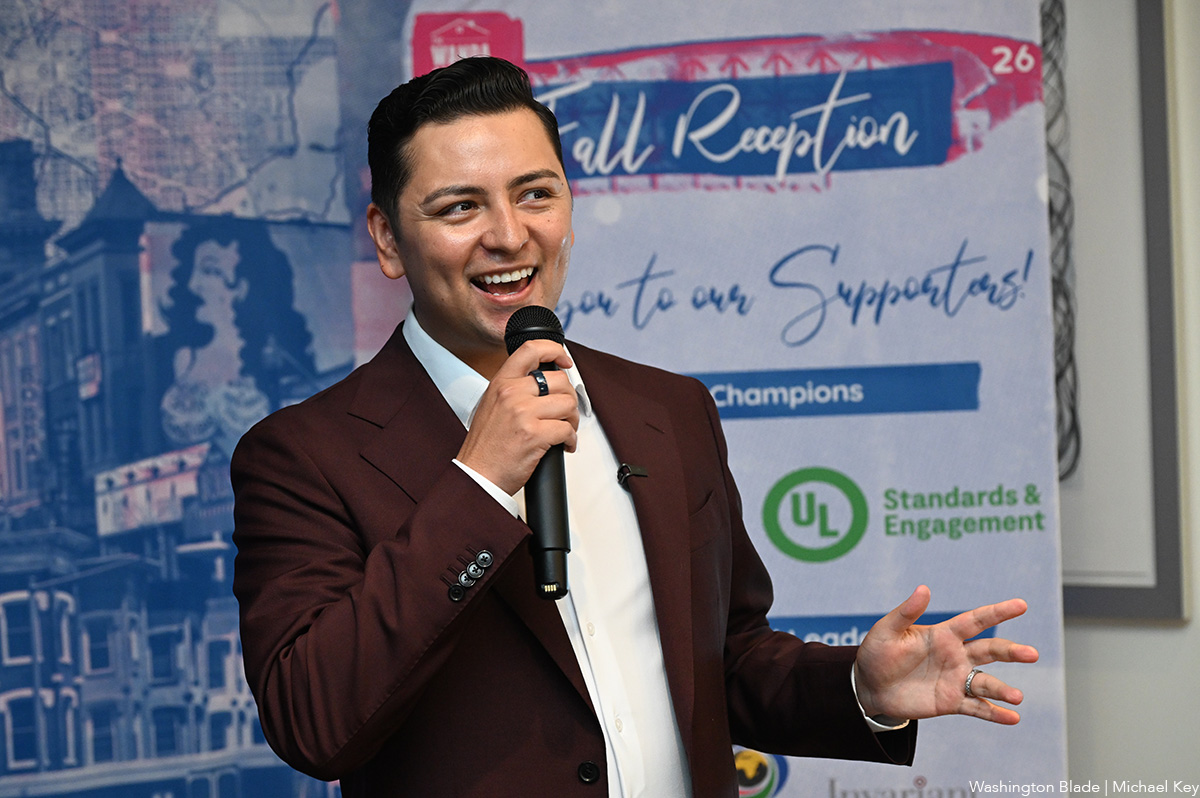
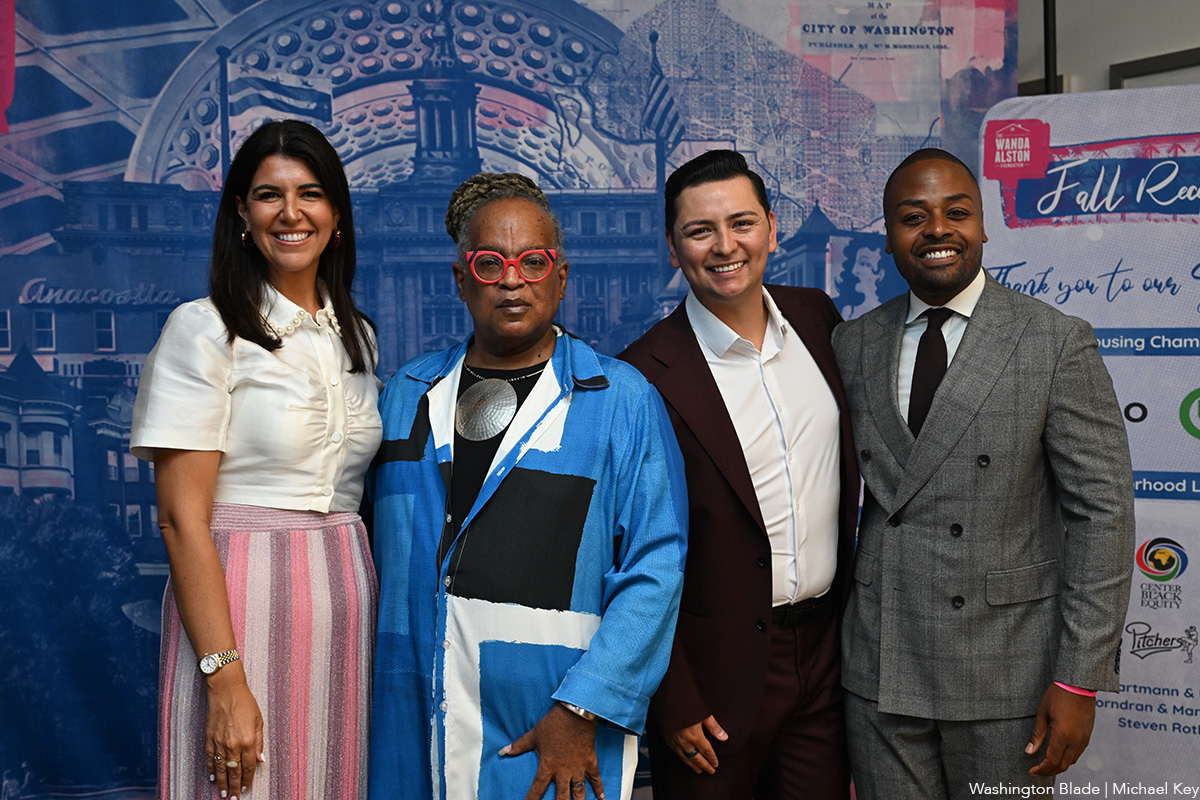
The Wanda Alston Foundation held its Fall Reception at the Penthouse Rooftop at The Wharf on Friday, Sept. 18. Honorees included D.C. Councilmember Robert White, Director of the Mayor’s Office of LGBTQ+ Affairs Japer Bowles, and the Washington Capitals. Rayceen Pendarvis served as the emcee and entertainment was provided by the Thomas Circle Singers.
(Washington Blade photos by Michael Key)
Books
Curl up with a good book this fall
New releases include mysteries, biographies, religion, and more
The fall books season offers lots of options so curl up and get ready to read.
FICTION
For the mystery fan who likes a sprinkle of thriller, look for “The Longest Death” by Kevin Jagernauth (Soho Crime, December). Richard Cobson hates his small town, he’s bored and desperate to get away. Stealing from his employer is the only thing that makes life bearable. That all changes when Marlon Montgomery comes to town and the two fall in love because if one guy can steal so easily, what can two do?
If you like graphic novels, try the “Tripping Over You” trilogy by Suzana Harcum and Owena White. Milo and Liam are finally able to be open about their relationship, no more hiding their love. They’re living together now, but can it last? “Tripping Over You Book 3” (First Second Books) is in stores in early November.
Also try “Diana: The Punk Singer Who Ripped Through Time” by Nate Powell (Abrams ComicArts, October). It’s about a young woman who’s trying desperately to escape her past, until a mysterious murder sidetracks her plans.
So you say you’re a romantic at heart? Then look for “Unspeakable Things: A Novel” by Elizabeth Hand (Little, Brown & Company, October). It’s a story set in the 1920s, when two young women arrive in the English Countryside to a dark and ancient manor. But, of course, nothing in a Gothic novel is easy, right? And you’ll love this tale.
NONFICTION
So this upcoming year is going to be one of exploration, right? Then look for “Free Love: Adventures in Marriage and Polyamory” by Michelle Tea (HarperOne, November). It’s a well-researched, personal, and interesting look at the lives of polyamorous couples and what it’s like to live what used to be called an “alternative” lifestyle.
If “fall” says “biography” to you, then look for “Showbiz! My Life as a Middle-Aged Man” by Murray Hill (Gallery Books, October). For decades, Hill has been making audiences laugh with his signature humor, but getting laughs hides his past all too well. He grew up in an abusive family and learning to hone his talents took some ingenuity. If you’re not a Hill fan yet, you will be, once you read this book.
For the reader who’s searching for a spiritual place, “Reading the Bible Through Queer Eyes: Good News for LGBTQ+ People from Genesis to Revelation” by podcasters Brian G. Murphy and Shannon T.L. Kearns (HarperOne, December) might help. Here, the authors look deeply at Scripture to find the queerness that’s there, proving to readers that the Word is not always what it seems.
Young readers may want to check out “Bitter Pill: Randy Shilts and the Dawn of the HIV/AIDS Epidemic” by Clement Xavier, illustrated by Heloise Cochois, foreword by Michael Lee (Abrams ComicArts, November). It’s a highly researched true story of activist Shilts, but also of Harvey Milk, and the earliest days of the AIDS crisis, when gay men needed a loud voice to advocate for them.
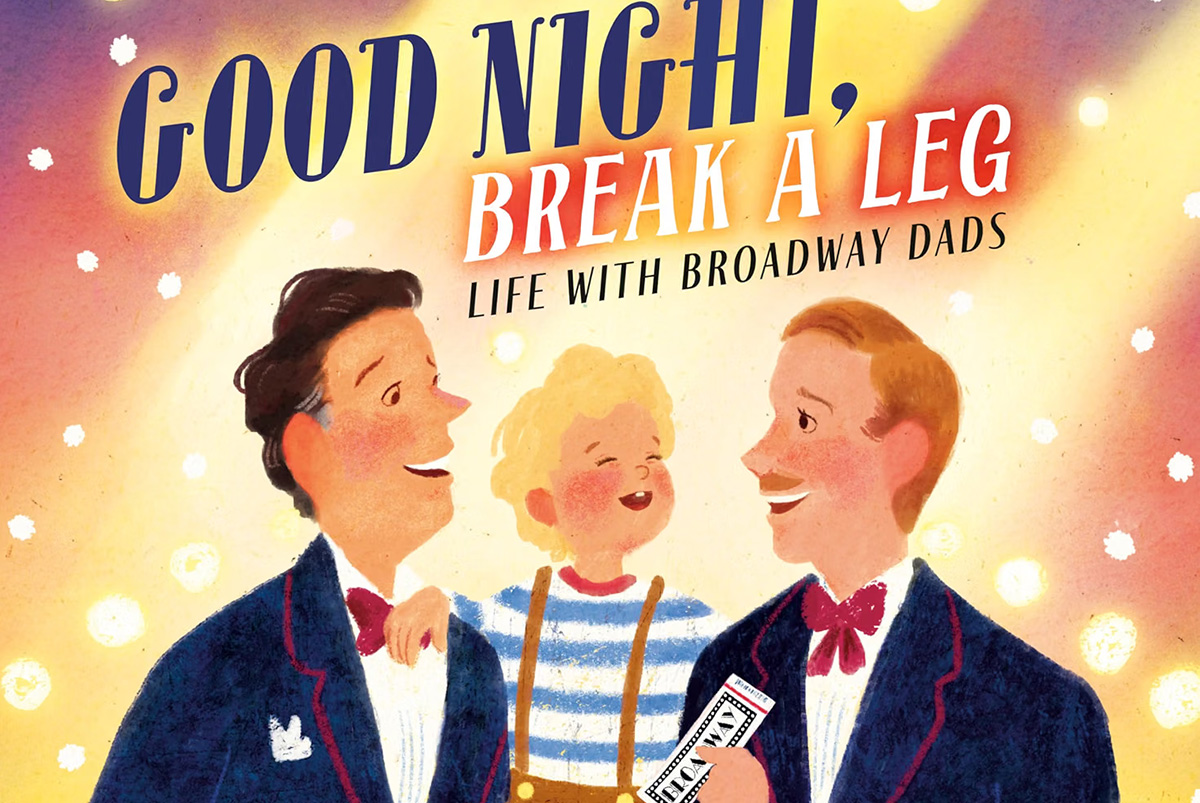
And finally, if you want a fun book for your kids or a child you love, look for “Good Night, Break a Leg: Life with Broadway Dads” by Bret Shuford, illustrated by Elena Hager (Penguin Workshop). What do parents do when they go to work? A little boy learns that his dads have very special jobs by day – and by night! It’s a cute book for kids, but a special tale for lovers of Broadway.
Be aware that publication dates change, titles change, books can be canceled, and your librarian or favorite bookseller can help you find what you need. Season’s readings!

PHOTOS: Walk and 5K to End HIV

PHOTOS: Wanda Alston Foundation Fall Reception

Moving presents a chance to ‘clean house’

EV ecstacy: BMW iX3, Rivian R2

Curl up with a good book this fall

Trump’s Cabinet: Dumb, dumber, dumbest, and evil

More than 150 people detained outside Istanbul courthouse

Virginia Anti-Violence Project struggles to fill federal funding gaps

Gay man sues Delaware AG for not prosecuting partner in domestic violence case

D.C.’s fall theater season is already well underway
-

 Opinions5 days ago
Trump’s Cabinet: Dumb, dumber, dumbest, and evil
-
Turkey5 days ago
More than 150 people detained outside Istanbul courthouse
-
Virginia5 days ago
Virginia Anti-Violence Project struggles to fill federal funding gaps
-
Delaware5 days ago
Gay man sues Delaware AG for not prosecuting partner in domestic violence case