Japan
Japan’s marriage equality movement gains steam
Nagoya High Court this month ruled lack of legal recognition is unconstitutional
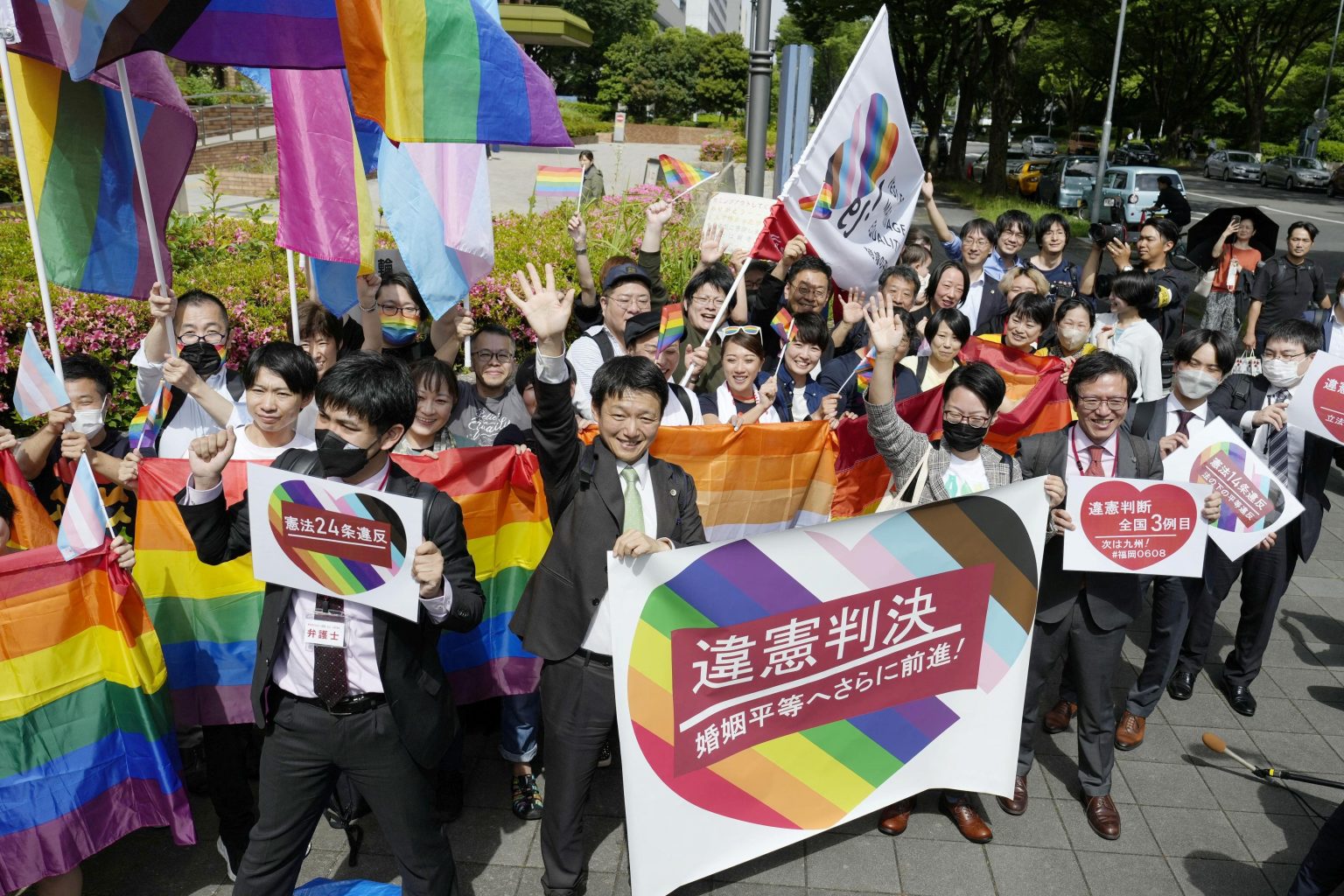
Japan’s Nagoya High Court on March 7 ruled the lack of legal recognition of same-sex marriages violates the country’s constitution.
The plaintiffs argued Japan’s Civil Code and Family Registration Act, which does not recognize same-sex marriages, violates the country’s constitution. They cited Article 14, Paragraph 1, which guarantees equality under the law and prohibits discrimination based on factors that include race, creed, sex, or social status. The plaintiff also invoked Article 24, Paragraph 2, which emphasizes that laws governing marriage and family matters must uphold individual dignity and the fundamental equality of the sexes.
The plaintiffs sought damages of 1 million yen ($6,721.80) under Article 1, Paragraph 1, of the State Redress Act, which provides for compensation when a public official, through intentional or negligent acts in the course of their duties, causes harm to another individual. The claim centered on the government’s failure to enact necessary legislation, which prevented the plaintiff from marrying.
The court noted same-sex relationships have existed naturally long before the establishment of legal marriage. It emphasized that recognizing such relationships as legitimate is a fundamental legal interest connected to personal dignity, transcending the confines of traditional legal frameworks governing marriage and family.
The court further observed same-sex couples encounter significant disadvantages in various aspects of social life that cannot be addressed through civil partnership systems. These include housing challenges, such as restrictions on renting properties, and financial institutions refusing to recognize same-sex couples as family members for mortgages. Same-sex couples also face hurdles in accessing products and services tailored to family relationships. While the court deemed the relevant provisions unconstitutional, it clarified that the government’s failure to enact legislative changes does not constitute a violation under the State Redress Act.
The lawsuit, titled “Freedom of Marriage for All,” brought together a large coalition of professionals, including more than 30 plaintiffs and 80 lawyers. They filed six lawsuits in five courts throughout Japan.
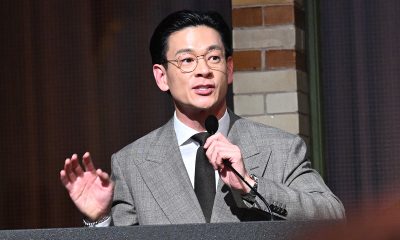
“We filed these lawsuits on Valentine’s Day, Feb. 14, 2019, in Tokyo, Osaka, Nagoya, and Sapporo, and in September of that year in Fukuoka,” noted Takeharu Kato, director of Marriage for All Japan. “Then, in March 2021, the Sapporo District Court handed down the first ruling declaring the current laws unconstitutional, which received extensive worldwide media coverage. Subsequently, the Osaka District Court unfortunately ruled that the current law is constitutional, but among the 10 rulings handed down so far, nine have ruled that not recognizing marriage equality is unconstitutional.”
Kato is a lawyer who is part of the legal team in the Sapporo case. He is also a board member of Marriage for All Japan, a marriage equality campaign.
“The MFAJ (Marriage for All Japan) is fully supporting the lawsuits by publicizing the current status of the trials and the rulings in our websites and social networks, setting up press conferences at the time of the rulings,” Kato told the Washington Blade. “We also make the best of the impact of the lawsuits in our campaign by holding events with the plaintiffs of the lawsuits and inviting them to the rally at Diet (the Japanese parliament) members’ building.”
Kato said the campaign has significantly shifted public opinion, with recent polls indicating more than 70 percent of Japanese people now support marriage equality — up from approximately 40 percent before Marriage for All Japan launched. He also noted 49 percent of Diet members now back marriage equality.
Japan is the only G7 country that does not legally recognize same-sex couples. Taiwan, Nepal, and Thailand have extended full marriage rights to gays and lesbians.
Expressing disappointment, Kato said many Japanese politicians continue to resist marriage equality, despite overwhelming public support. Kato added Marriage for All Japan expects the Supreme Court to rule on their lawsuits in 2016.
“We believe that the Supreme Court will also rule that the current laws are unconstitutional,” he said. “However, the Supreme Court’s ruling alone is not enough to achieve marriage equality under the Japanese legal system. We should put more and more strong pressure on the Diet to legalize marriage equality in Japan as soon as possible.”
Several municipalities and prefectures issue certificates that provide limited benefits to same-sex couples, but they fall short of equal legal recognition.
Prime Minister Fumio Kishida’s government has faced mounting pressure on the issue as public support for marriage equality has surged in recent years. Kishida has yet to push reforms within his own party; encountering fierce opposition from its traditional leadership.
His government in June 2023 passed Japan’s first law addressing sexual orientation and gender identity, aiming to “promote understanding” and prevent “unfair discrimination.” Activists, however, widely criticized the legislation on grounds it fails to provide comprehensive protections or extend marriage rights to same-sex couples.




Japan
Japanese Supreme Court to consider marriage equality
Japan only G7 country that does not legally recognize same-sex couples
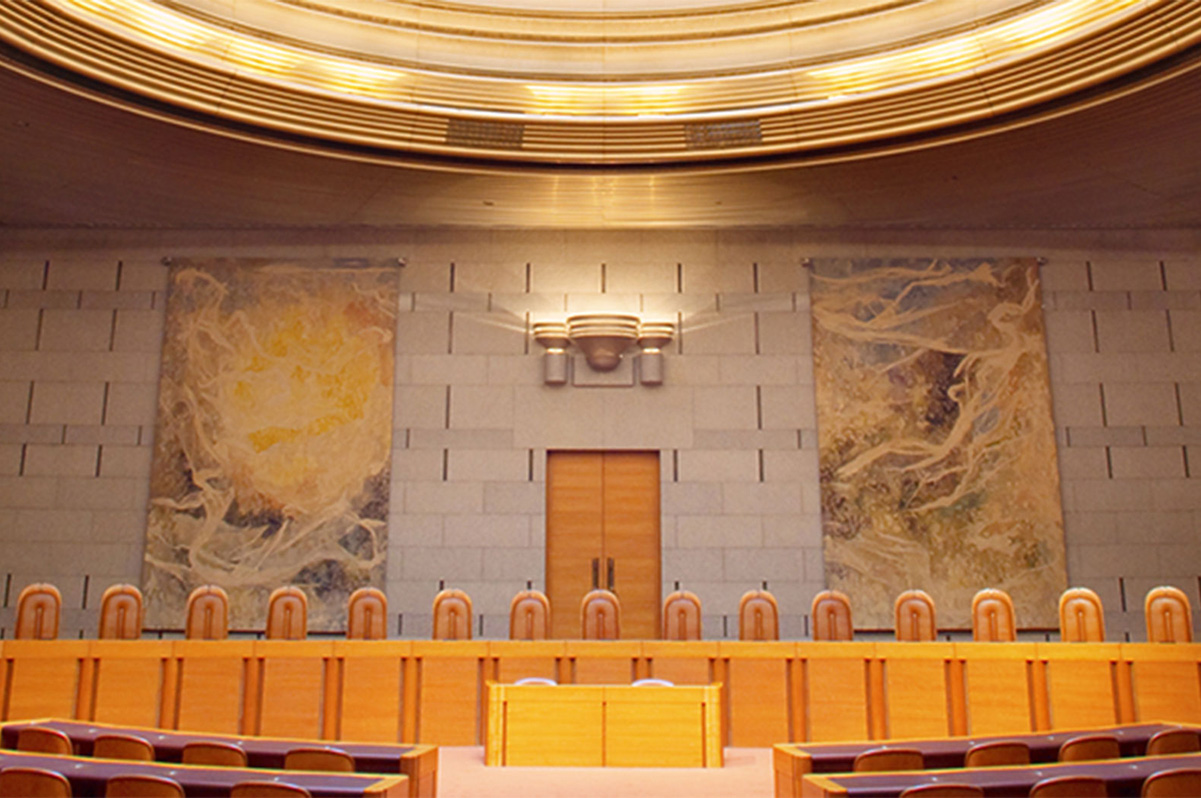
The Japanese Supreme Court on Wednesday said it will consider six marriage equality lawsuits.
NHK, the country’s public broadcaster, noted all 15 of the court’s justices will consider the case.
Japan is the only G7 country that does not legally recognize same-sex couples, despite several court rulings in recent years that found the denial of marriage benefits to gays and lesbians unconstitutional.
Tokyo High Court Judge Ayumi Higashi last November upheld Japan’s legal definition of a family as a man and a woman and their children.
Prime Minister Sanae Takaichi, who became the country’s first female head of government last October, opposes marriage rights for same-sex couples. She has also reiterated the constitution’s assertion that the family is an institution based around “the equal rights of husband and wife.”
Same-sex couples can legally marry in Taiwan, Nepal, and Thailand.
NHK reported the Supreme Court is expected to issue its ruling in early 2027.
Japan
Tokyo court upholds Japan’s same-sex marriage ban
Country is only G7 nation without legal recognition of same-sex couples

The Tokyo High Court on Nov. 28 ruled the lack of marriage rights for same-sex couples in Japan is constitutional.
The Associated Press notes Judge Ayumi Higashi upheld the legal definition of a family in Japan as a man and a woman and their children. The court also dismissed the eight plaintiffs’ demand for 1 million yen ($6,406.85) in damages.
Hiromi Hatogai, one of the plaintiffs, told reporters after the court ruled that she is “so disappointed.”
“Rather than sorrow, I’m outraged and appalled by the decision,” said Hatogai, according to the AP. “Were the judges listening to us?”
Japan remains the only G7 country without legal recognition of same-sex couples, even though several courts in recent years have ruled in favor of it.
The Sapporo District Court in 2021 ruled the denial of marriage benefits to same-sex couples violates the constitution’s equality clause. The Nagoya District Court in 2023 issued a similar ruling. The Fukuoka District Court in a separate decision said Japan’s current legal framework is unconstitutional. The Tokyo High Court in 2024 came to the same conclusion.
The Washington Blade last month noted Prime Minister Sanae Takaichi, who is Japan’s first female head of government, opposes marriage equality and has reiterated the constitution’s assertion the family is an institution based around “the equal rights of husband and wife.”
Japan
Japan’s first female prime minister reluctant to advance LGBTQ rights
Sanae Takaichi became country’s head of government last month
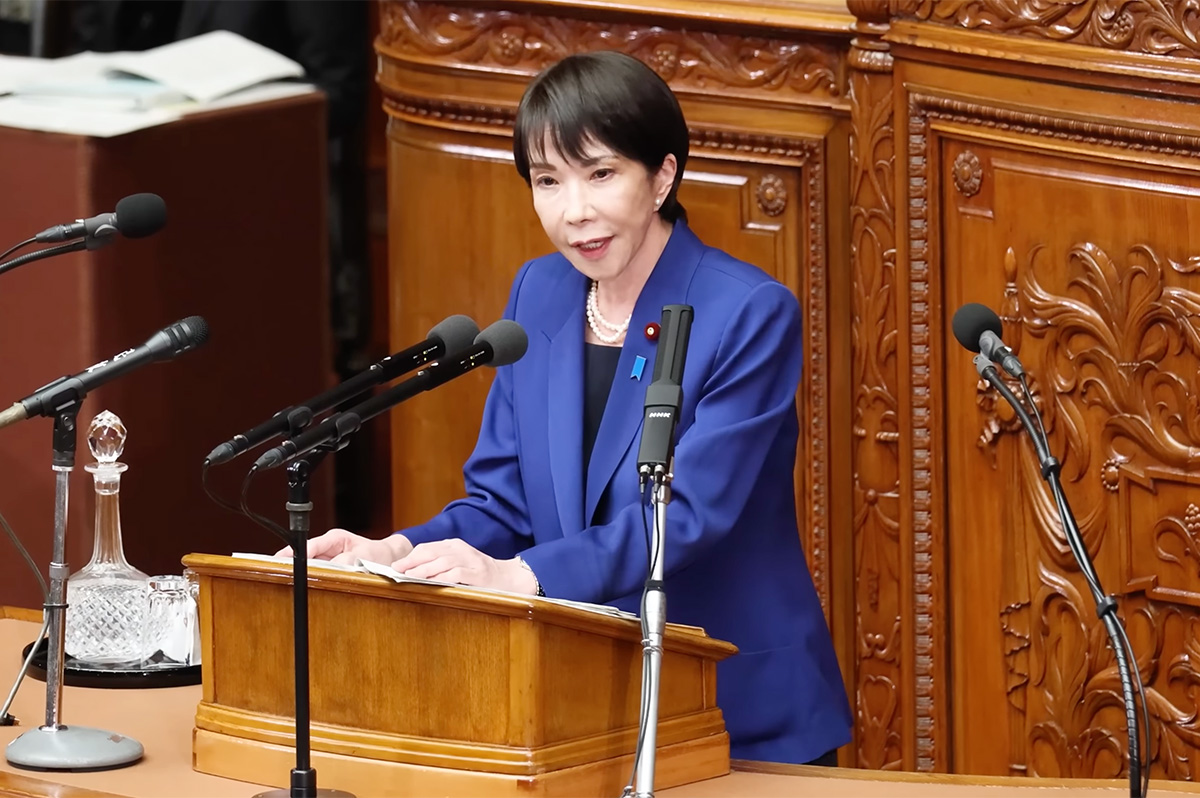
Sanae Takaichi last month became Japan’s first female prime minister after she secured the Liberal Democratic Party’s leadership and both chambers of the Diet confirmed her.
She now leads a minority government after forming a coalition with the right-leaning Japan Innovation Party, following Komeito’s decision to end its 26-year partnership with the LDP. Her rise marks a historic break in Japanese politics, but the question remains whether she will advance the rights of Japan’s LGBTQ community?
Despite the milestone her election represents, Takaichi’s record on gender issues offers little indication of progressive change.
She has long emphasized “equality of opportunity” over structural reforms and has opposed measures that include allowing married couples to use separate surnames, a policy many women say would ease workplace discrimination. During her leadership bid Takaichi pledged to elevate women’s representation in government to Nordic levels, yet she appointed only two women to her 19-member Cabinet. Takaichi has also resisted efforts to modernize the Imperial Household Law to permit female succession, reinforcing her reputation as a conservative on women’s rights.
Takaichi’s stance on LGBTQ rights has been similarly cautious.
In a 2023 Diet budget committee session, she said there should be “no prejudice against sexual orientation or gender identity,” yet described extending marriage rights to same-sex couples as an “extremely difficult issue.”
Her earlier record is consistent.
In 2021, she opposed an LGBTQ-inclusive anti-discrimination bill that members of her own party, arguing its wording was too vague.
Even after becoming LDP leader in October 2025, she reiterated her opposition to marriage equality and emphasized traditional family values. Takaichi highlighted that Article 24 defines marriage as being based on “the mutual consent of both sexes” and frames the institution around “the equal rights of husband and wife,” language she argues leaves no constitutional room for extending marriage rights to same-sex couples.
While her rhetoric avoids overt hostility, her record suggests limited appetite for the structural reforms sought by Japan’s LGBTQ community.
A series of landmark court rulings has built escalating pressure for national reform.
On March 17, 2021, the Sapporo District Court ruled that denying same-sex couples the legal benefits of marriage violated the constitution’s equality clause. In May 2023, the Nagoya District Court similarly declared the ban unconstitutional, with a subsequent decision from the Fukuoka District Court reaffirming Japan’s current legal framework clashes with constitutional equality principles.
The momentum peaked on Oct. 30, 2024, when the Tokyo High Court found the marriage ban incompatible with guarantees of equality and individual dignity.
Japan remains the only G7 country without legal recognition of same-sex couples.
Akira Nishiyama, a spokesperson for the Japan Alliance for LGBT Legislation, noted to the Washington Blade that in leadership surveys the group conducted within the LDP in 2021 and again in 2025, Takaichi offered only a cautious position on reforming Japan’s legal gender recognition law. When asked whether she supported easing the requirements under the Act on Special Cases in Handling Gender Status for Persons with Gender Identity Disorder, she responded that “multifaceted and careful discussion is necessary,” avoiding any commitment to substantive change.
Nishiyama added the legal landscape has already shifted.
In October 2023, the Supreme Court ruled that the law’s sterilization requirement for legal gender recognition is unconstitutional, and several family courts have since struck down the appearance requirement on similar grounds. She urged the Takaichi administration to act quickly by amending the statute to remove these provisions, along with other elements long criticized as human rights violations.
“[Prime Minister] Takaichi has stated that ‘careful discussion is necessary’ regarding amendments to ‘Act on Special Cases in Handling Gender Status for Persons with Gender Identity Disorder’ and the enactment of anti-discrimination laws based on Sexual Orientation and Gender Identity (SOGI),” noted Nishiyama. “However, as indicated in Candidate (at that time) Takaichi’s responses to our survey, if she considers issues related to SOGI to be human rights issues, then she has to work hard to advance legal frameworks to address these issues.”
“For example, regarding the government’s announcement that they will consider whether same-sex couples could be included or not in the 130 laws concerning common-law marriages couples, [Prime Minister] Takaichi responded to our survey that ‘the government should continue to advance its consideration,’” she added. “As per this response, the Takaichi Cabinet should continue deliberating on this matter and ensure that same-sex couples are included in each relevant law.”
Takeharu Kato, an advocate for marriage equality who spoke to the Blade in a personal capacity, urged observers not to view Takaichi’s appointment solely through a negative lens.
He acknowledged she holds deeply conservative views within the LDP and has openly opposed marriage equality, but noted several aspects of her background could leave room for movement.
“She is Japan’s first female prime minister in history. Furthermore, she does not come from a political family background but rather from an ordinary household,” said Kato. “She also has an unusual career path, having graduated from a local university and worked as a television news anchor before entering politics.”
“Additionally, while her husband is a member of the Diet, he became partially paralyzed due to a cerebral infarction, and she has been caring for him,” he further noted. “She possesses several minority attributes like these, and depending on our future efforts, there is a possibility she could change her stance on same-sex marriage. It could also be said that, as a woman navigating the conservative Liberal Democratic Party, she has deliberately emphasized conservative attitudes to appeal to her base of right-wing supporters.”
Kato stressed that “having reached the pinnacle as prime minister, it cannot be said she (Takaichi) has no potential to change.”
“We need not alter the strategy we have pursued thus far,” Kato told the Blade. “However, we believe some fine-tuning is necessary, such as refining our messaging to resonate with those holding more conservative values.”

Physician: addiction doesn’t always look the way you think it does

Calendar: October 9-15

ICC unseals arrest warrants for Taliban officials accused of persecuting LGBTQ people, women

Bet Mishpachah participates in D.C. Oct. 7 commemoration ceremony

Man charged in Mall of America shooting plot inspired by Pulse massacre: report

PHOTOS: Winchester Pride

Evan Low is not the leader the Victory Fund needs at this moment

Transgender woman elected to Brazilian Chamber of Deputies

Bowser, Office of LGBTQ Affairs announce LGBTQ+ History Month events

Alianza para la Inclusión fortalece la defensa de derechos LGBTQ en Centroamérica
-

 Photos5 days ago
PHOTOS: Winchester Pride
-
Opinions5 days ago
Evan Low is not the leader the Victory Fund needs at this moment
-
Brazil5 days ago
Transgender woman elected to Brazilian Chamber of Deputies
-
District of Columbia5 days ago
Bowser, Office of LGBTQ Affairs announce LGBTQ+ History Month events