World
Cuban police violently arrest Blade media partner’s editor
Maykel González Vivero taken into custody during Havana protests
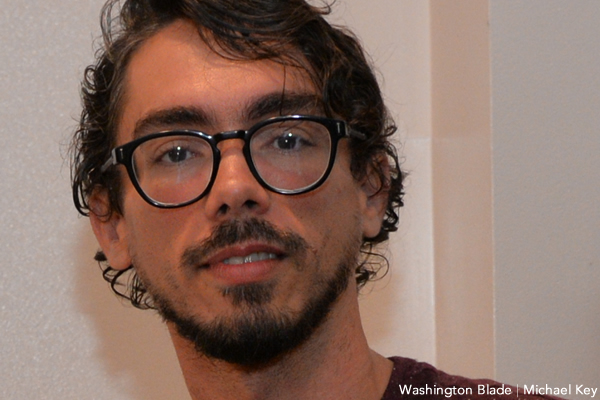
Cuban police on Sunday violently arrested the editor of the Washington Blade’s media partner on the island.
Tremenda Nota Director Maykel González Vivero’s arrest in Havana coincided with protests against mounting food shortages, the government’s response to the pandemic and a worsening economic crisis that were taking place across the country. Media reports indicate police targeted other journalists who were covering the protests.
“It was violent, everything was over,” said González in a text message he was able to secretly send to a colleague from the police station where he was being held. “I was not resisting when they took me down and they consciously threw my glasses to fuck with me.”
A tweet that appeared on González’s Twitter page shortly after midnight on Monday confirmed he had been arrested.
“I was detained at the violent end of today’s protest in Havana,” reads the tweet.
Fui detenido tras el final violento de la manifestación de hoy en La Habana. Estoy en la unidad de policía de Zapata y C #Cuba #Protestas
— Maykel González Vivero 🎯 (@MGVivero) July 12, 2021
A thread that appeared on González’s Twitter account provided additional details of his arrest.
“I had already left the ‘battlefield’ when a police officer wearing civilian clothes shouted to me that I had been throwing rocks,” reads the thread. “I had never thrown a rock.”
“Uniformed officials handcuffed me,” it says. “They turned me over to some riot police after awhile.”
González said the riot police “bent him over and grabbed him hard by his hair.”
“They did it to punish me. There was no other reason. I never resisted,” he said in the thread.
“My glasses fell off and they constantly kicked them,” added González. “I am now writing by sticking close to the screen.”
Así me detuvieron:
Ya salía del “campo de batalla” cuando un policía de civil me acusó a gritos de haber tirado piedras.
Yo jamás he tirado una piedra.
Me esposaron unos oficiales de uniforme común. Al rato me pusieron en manos de unos antimotines.
Sigue 👇🏻
— Maykel González Vivero 🎯 (@MGVivero) July 12, 2021
A source in Cuba told the Blade on Monday that González remains in police custody.
Cuban government has previously targeted González
Tremenda Nota throughout Sunday posted videos of the protests in Havana to its social media pages, even though the government at times cut access to the internet. One video that Tremenda Nota posted to its Twitter page shows what it describes as “special troops” in Havana’s 10 de Octubre neighborhood moving towards Old Havana.
Hace solo unos minutos se avistaron tropas especiales por la Calzada del 10 de Octubre en dirección a La Habana Vieja pic.twitter.com/8b4EElXOGo
— TremendaNota_Cuba (@TremendanotaC) July 12, 2021
Tremenda Nota also reported artists and intellectuals who gathered in front of the headquarters of Cuban Institute for Radio and Television, the government agency that governs state-run media, in Havana’s Vedado neighborhood “were repressed” for “demanding a space and to tell the truth about the country.”
Artistas e intelectuales fueron reprimidos frente al Instituto Cubano de Radio y Televisión para exigir un espacio y contar la verdad del país.
— TremendaNota_Cuba (@TremendanotaC) July 12, 2021
Cuban police have previously detained González, most recently in November 2020. The Interior Ministry in late 2019 banned him from leaving Cuba.
The U.S. on Sept. 18, 2019, granted asylum to Yariel Valdés González, a Blade contributor who worked for Tremenda Nota and other independent Cuban media outlets, because of the persecution he suffered in his homeland.
The Cuban government on May 8, 2019, detained this reporter for several hours at Havana’s José Martí International Airport after he tried to enter Cuba to continue his coverage of the island’s LGBTQ rights movement. The Cuban government eventually expelled him from the country and he flew back to Miami.





Egypt
Egyptian authorities refuse to allow gay cruise to dock in country
Scarlet Lady earlier this week blocked from visiting Turkey
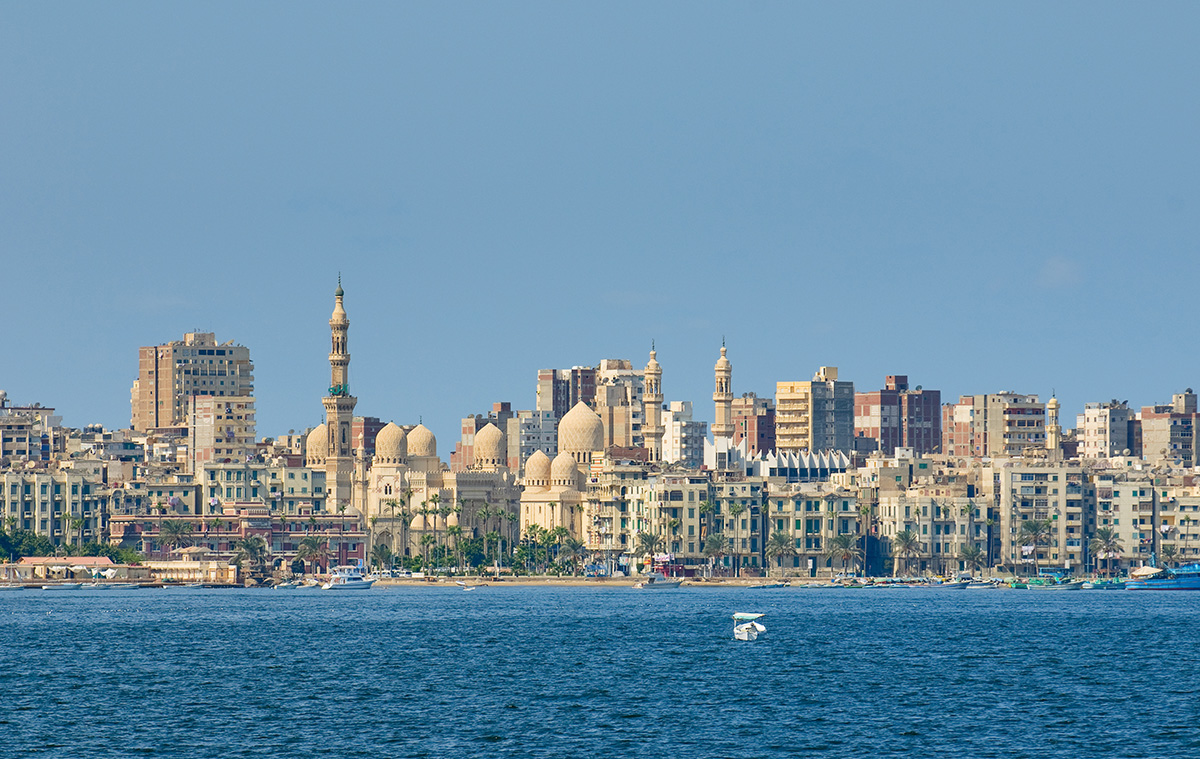
Egyptian authorities have refused to allow a gay cruise to dock in the country.
The Scarlet Lady, a Virgin Voyages ship that Atlantis Events chartered, was to have docked in Alexandria, a port city on the Mediterranean Sea. The Washington Blade obtained a letter that Atlantis Events President Rich Campbell sent to passengers on Thursday, hours before the cruise was to have arrived.
“Early this morning, we were informed that Scarlet Lady has been denied entry into Egyptian waters and, as a result, will no longer be able to call in Alexandria today,” he wrote.
“I know how much this visit meant to so many of you,” added Campbell. “We successfully sailed a similar itinerary last year, so we were surprised by this unfortunate decision.”
Campbell noted “both the Atlantis and Virgin Voyages teams worked tirelessly to make this call in Alexandria a possibility.”
“This news came as a surprise to all of us, and we’re just as disappointed as you are,” he said.
The 10-day cruise left Athens on July 5. It is scheduled to end in Trieste, Italy, on July 15.
The ship had been scheduled to dock in Kusadasi, a Turkish resort town on the Aegean Sea, and Istanbul earlier this week. Turkish authorities refused to allow it in the country.
Former Tempe, Ariz., Mayor Neil Giuliano, who is an LGBTQ+ Victory Institute board member, is among those on the cruise.
“Just a few hours before arriving in Alexandria, Egypt — a city founded by and named for one of the ancient world’s best-known homosexuals — government authorities rescinded permission for our ship of 2,000 gay men to enter Egypt,” wrote Steve May, who is also on the ship, on Thursday in a Facebook post.
Alexander the Great founded Alexandria in 331 B.C.
“As with Turkey, we have been sent away not because of what we did, but because of who we said we are,” said May. “‘I am what I am’ is too much liberty for some to bear. So it was in the United States as well not long ago, where even I ended up as a convicted homosexual after a military trial in 2001 for saying ‘I am gay.’ This is just a reminder that for all the progress we have made, our freedom is never secure — for any of us, regardless of who or how we love. Back to Europe!”
Discrimination and persecution based on sexual orientation and gender identity is commonplace in Egypt. The Egyptian Football Association, along with the Football Federation Islamic Republic of Iran, objected to playing in the World Cup’s “Pride Match” that took place in Seattle on June 26.
Netherlands
Dutch prime minister scheduled to open World Pride human rights conference
Rob Jetten is country’s first openly gay head of government
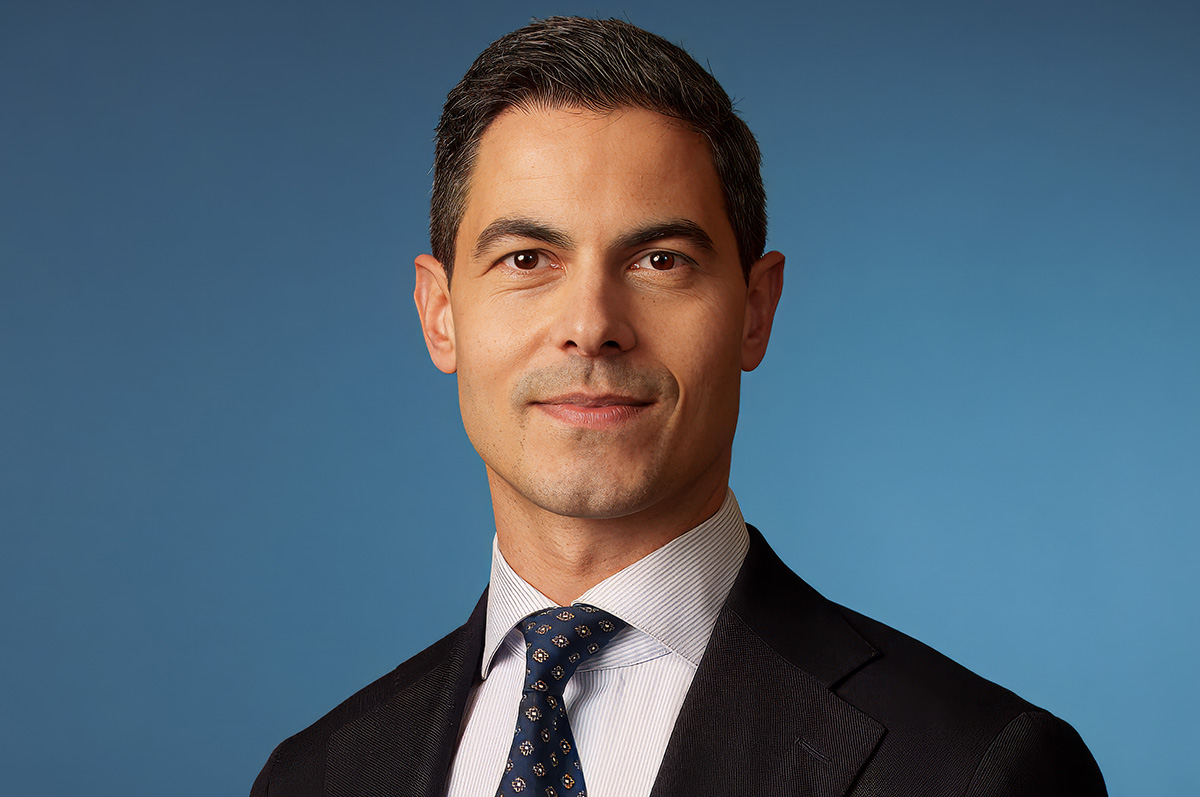
Dutch Prime Minister Rob Jetten is scheduled to open this year’s World Pride Human Rights Conference in Amsterdam.
Organizers in a July 1 press release said Jetten will open the conference on Aug. 5. Amsterdam Mayor Femke Halsema; South African Deputy Minister for Women, Youth, and People with Disabilities Steve Letsike; former Venezuelan National Assemblywoman Tamara Adrián; and Graeme Reid, the independent U.N. expert on LGBTQ and intersex issues, are among those who are also expected to participate in the gathering that will end on Aug. 7.
Jetten, 39, in February became the Netherlands’s first openly gay prime minister.
His centrist D66 party won the country’s elections last October. Geert Wilders’s far-right Party for Freedom narrowly lost.
Jetten took office after he formed a coalition government that includes the center-right Christian Democrats and the center-right People’s Party for Freedom and Democracy.
World Pride will take place in Amsterdam from July 25-Aug. 8.
Turkey
Turkish authorities refuse to allow gay cruise to dock in country
Atlantis Events-chartered ship included stops in Kusadasi, Istanbul
Update: Egyptian authorities on Wednesday blocked the ship from docking in Alexandria, a port city on the Mediterranean.
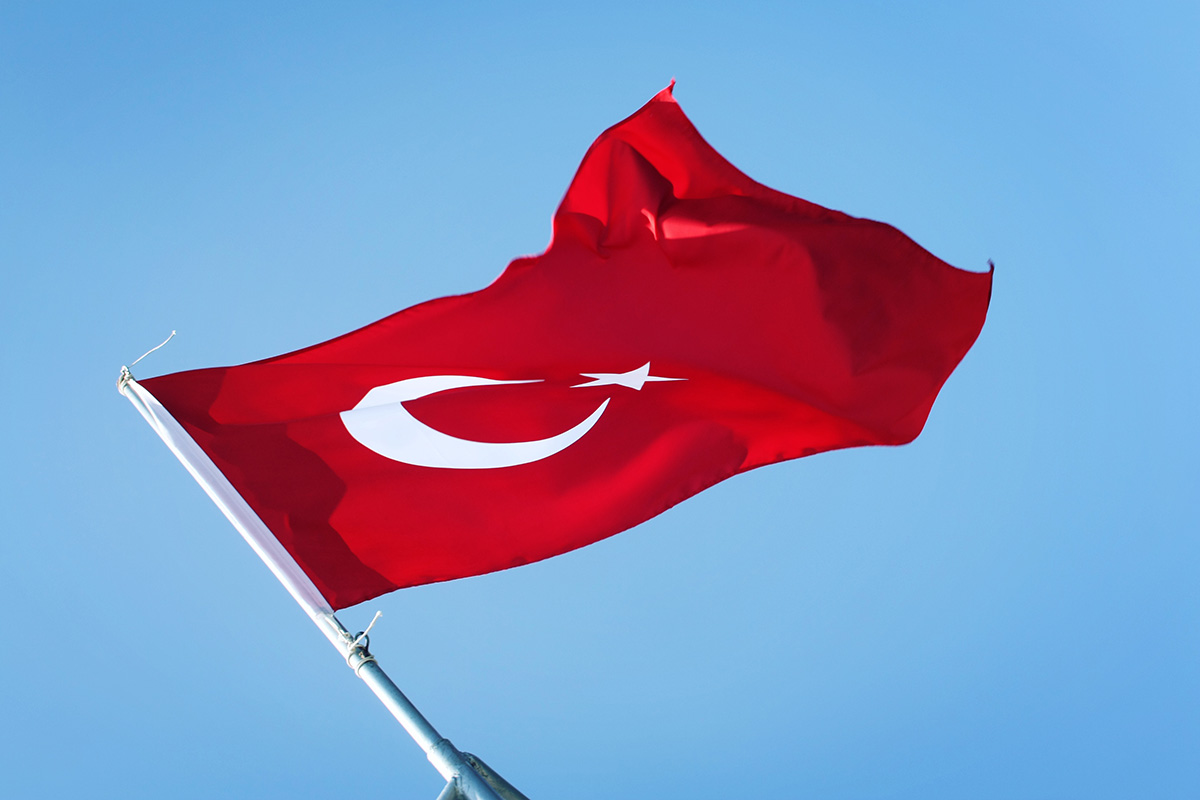
Turkish authorities have refused to allow a gay cruise to dock in the country.
The Scarlet Lady, a Virgin Voyages ship that Atlantis Events chartered, departed Athens on Sunday. The 10-day cruise is scheduled to end in Trieste, Italy, on July 15.
The ship had been scheduled to dock in Kusadasi, a Turkish resort town on the Aegean Sea, on Tuesday. It was then slated to sail to Istanbul on Wednesday.
Officials in Aydin Province in which Kusadasi is located on June 28 posted a statement on X that confirmed the decision not to allow the Scarlet Lady to dock in Turkey.
Authorities noted the “groups” behind the cruise are “known for behaviors that do not align with the structure of our society and our moral values.” The June 28 statement also says the scheduled docking “caused great discomfort in various segments of our society.”
BASIN AÇIKLAMASI
Basın yayın organları ve sosyal medya platformlarında gündeme gelen, toplumumuzun yapısıyla ve ahlaki değerlerimizle örtüşmeyen davranışlarıyla bilinen gruplarca kiralanan bir kruvaziyer gemisinin 7 Temmuz 2026 tarihinde Aydın Kuşadası Limanınına planlamış… pic.twitter.com/MHqN0NoXHI
— T.C. Aydın Valiliği (@AydinValiligi) June 28, 2026
Atlantis Events in a statement on its website said the company has “been informed by the Turkish authorities that Atlantis will not be permitted to dock in Kusadasi or Istanbul during this voyage.”
“As a result, we have had to alter our sailing itinerary somewhat,” it reads.
The statement notes the cruise will now stop in Alexandria, Egypt, and Crete.
“Both ports have excellent opportunities for exploration and enjoyment and have been favorites of ours for years,” it reads.
(Discrimination and persecution based on sexual orientation and gender identity is commonplace in Egypt. The Egyptian Football Association, along with the Football Federation Islamic Republic of Iran, objected to playing in the World Cup’s “Pride Match” that took place in Seattle on June 26.)

Patti LuPone, who is performing on the cruise, sharply criticized the Turkish government over its decision.
“The Atlantis cruise I am performing on next week, has been banned from entering Turkey,” she said on her Facebook page on July 2. “A ship — a magnificent ship — full of well-heeled gay men. And me. Denied entry to Turkey simply because of who is on board. I am furious, but I am sailing, as the ship will make other ports of call. I am ready to perform for all the wonderful men on this Atlantis cruise, who deserve so much better than this.”
Atlantis Events CEO Rich Campbell told the Washington Post that his company’s cruises have visited Turkey more than a dozen times over the last two decades.
“We’re there to shop, be great tourists, spend money,” he said. “It’s always a culturally respectful group.”
Campbell further noted Turkey could lose at least $1 million in tourism revenue over its decision.
“The bigger damage to Turkey is when you start picking and choosing who’s allowed to enter, and your economy depends on tourism, you’re creating a standoff between tourists and yourself,” he told the Post. “And you run the risk of alienating a lot of potential tourists.”
The Washington Blade on Monday reached out to Campbell for additional comment.

Campaign launched to elect more LGBTQ candidates to ANC seats

Gay librarian to discuss new novel at Green Lantern

Calendar: July 10-16

Gay Fla. Democrat Elijah Manley sees opportunity in Trump’s second term

Ron Singer, owner of popular Mount Vernon gay bar Leon’s, dies

Turkish authorities refuse to allow gay cruise to dock in country

As Washington shifts right, Democratic Socialists gain ground

Madonna roundup: Reviews, sales, and love for ‘Danceteria’

Susan Stewart could make history as Rehoboth’s first openly gay mayor

Silky Nutmeg Ganache talks sex and dating, gender, politics, weight loss journey
-

 Turkey5 days ago
Turkish authorities refuse to allow gay cruise to dock in country
-
2026 Midterm Elections4 days ago
As Washington shifts right, Democratic Socialists gain ground
-
National4 days ago
Madonna roundup: Reviews, sales, and love for ‘Danceteria’
-
Rehoboth Beach4 days ago
Susan Stewart could make history as Rehoboth’s first openly gay mayor